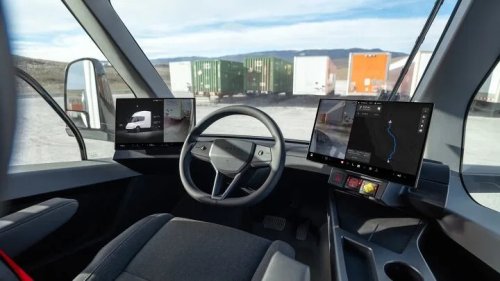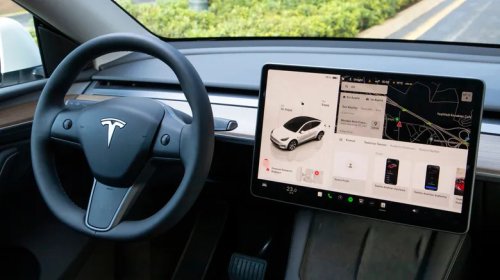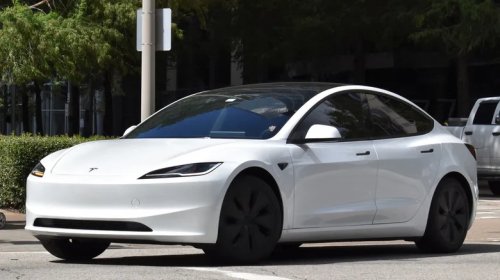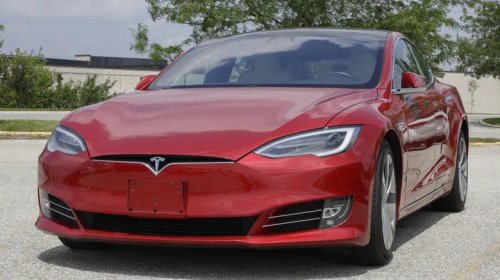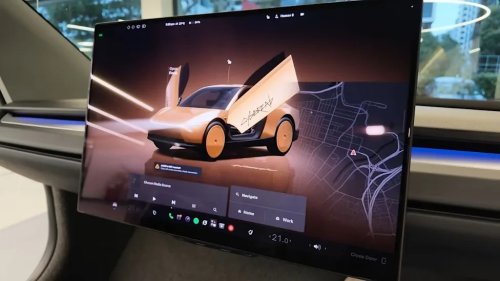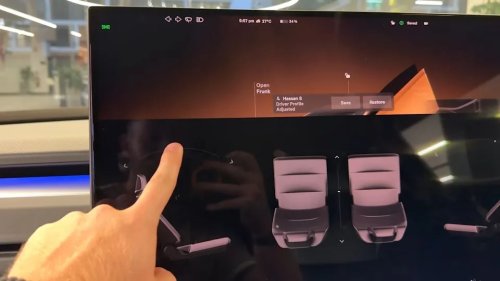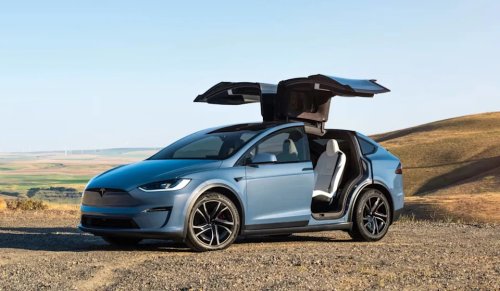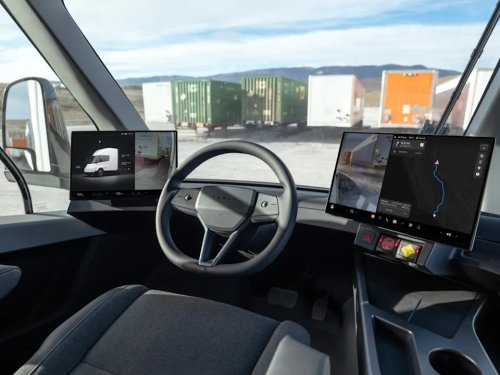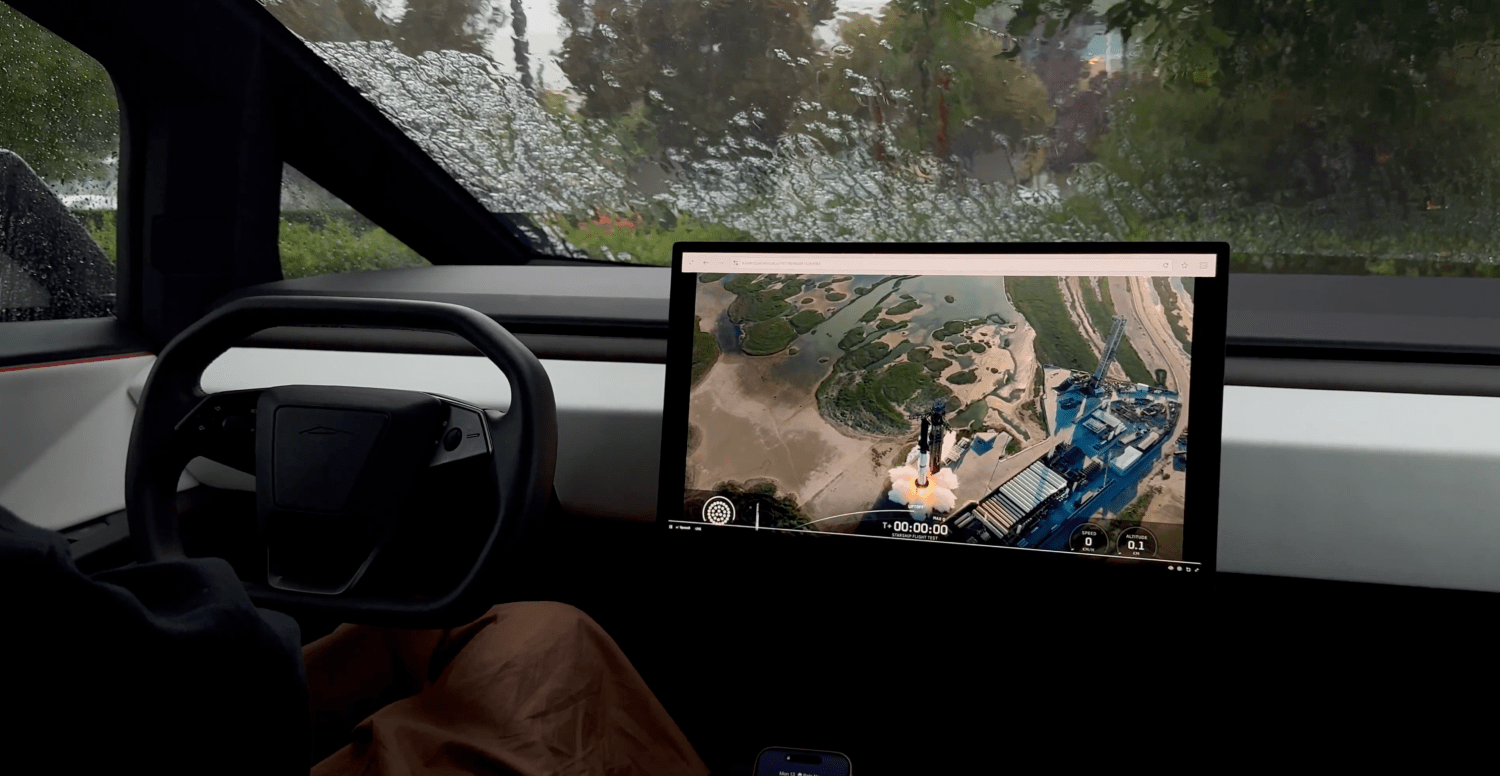






















China will require automakers to include physical buttons for safety-related functions, pushing back on the proliferation of using screens for everything in modern cars. In recent years, it has become common for automakers to migrate vehicle functions onto touchscreens instead of physical buttons. This offers several advantages – a single touchscreen is easier to keep in the parts bin than many physical buttons, it can help enable cleaner designs, and it enables over-the-air updates to the car’s interface. But it also offers downsides. Touchscreens can be laggy, or can make it hard to find functions, especially without taking your eyes off the road. Advertisement - scroll for more content Tesla has been one of the major drivers towards the use of touchscreens in car interfaces. Ever since the initial screen-centric Model S prototype, Tesla has focused its cars around a large screen in the center. Over time, it migrated other features onto that screen – including the gear shifter and windshield wiper controls. The rest of the industry has been migrating more features onto touchscreens as well, and this has become particularly common with Chinese EV startups. It seems like things have gone a bit too far, and there’s been a pushback against proliferation of screens in cars. In recent years we’ve seen a few manufacturers rolling back changes and re-adding physical buttons or stalks, as customers have expressed annoyance. But soon, that’s not going to be up to customers or the industry itself, as the Chinese government is cracking down and requiring buttons for certain safety features. The changes were announced in a draft regulation in February, but were finalized this week. The regulation calls out 19 vehicle functions which must have physical controls inside the vehicle, with additional requirements about size and usability of the buttons. Those functions include: Turn signals Hazard lights Horn PRND gear shifter Driver assist function, if present Windshield wipers Windshield defroster Power windows Emergency call system Power off switch for EVs The common thread among these features is that they are safety-related. It doesn’t matter so much if your volume or climate control freeze up when the screen crashes, but it certainly would matter if that makes you unable to see out of the window. The regulation goes into place on July 1, 2027 – just a year from now. No long implementation timelines here, China wants to fix this problem quickly. These regulations build upon another rebuke that Chinese regulators leveled against the automotive industry when it put the kibosh on hidden door handles earlier this year. That regulation goes into place this upcoming January 1. Will we in the West see these changes, though? It’s an open question, because regulators don’t move quite as quickly around these parts as they seem to in China. Chinese EV makers might export cars with similar setups because it will be easier than making multiple interiors, but they already have to change cars for overseas regulations to some extent, and we’re not sure how the cost differences will shake out in that respect. And overseas regulators could follow China and do something to require more buttons, but given their recent trends to close their eyes and put their fingers in their ears while letting China take all their business, that may or may not happen. competitively priced solar installer near you on EnergySage, for free. They have pre-vetted installers competing for your business, ensuring high-quality solutions and 20-30% savings. It’s free, with no sales calls until you choose an installer. Compare personalized solar quotes online and receive guidance from unbiased Energy Advisers. Get started here. – ad* Stay up to date with the latest content by subscribing to Electrek on Google News. You’re reading Electrek— experts who break news about Tesla, electric vehicles, and green energy, day after day. Be sure to check out our homepage for all the latest news, and follow Electrek on Twitter, Facebook, and LinkedIn to stay in the loop. Don’t know where to start? Check out our YouTube channel for the latest reviews.