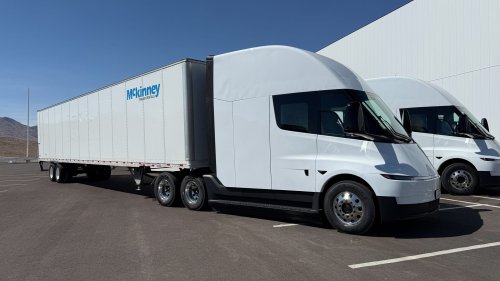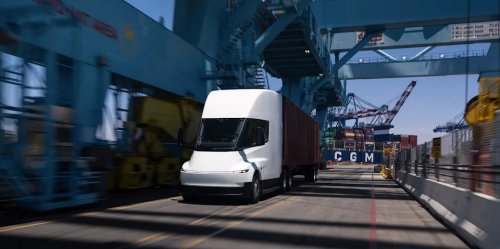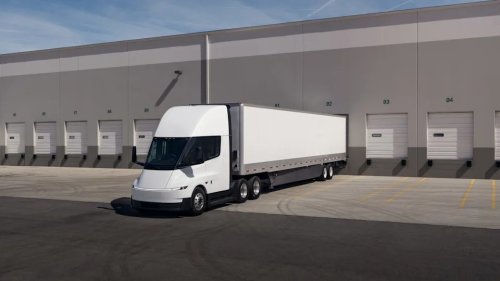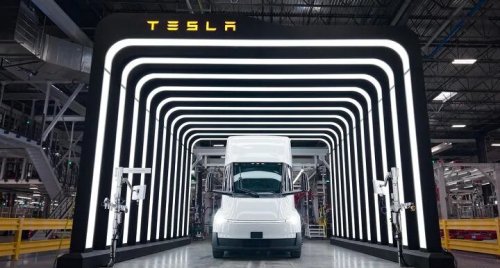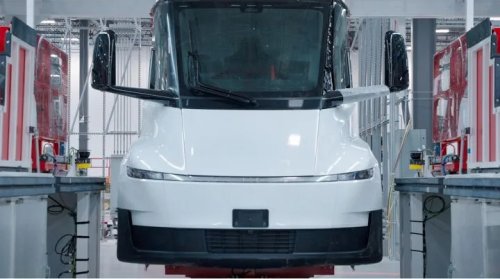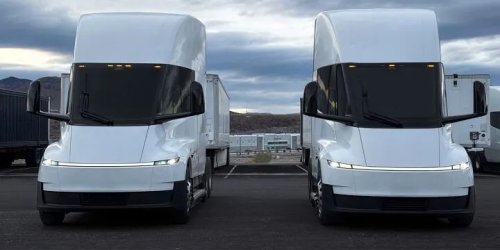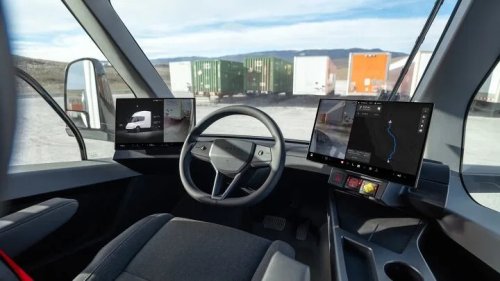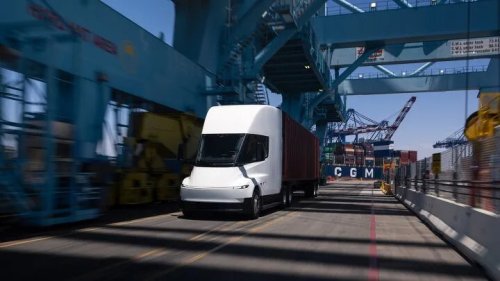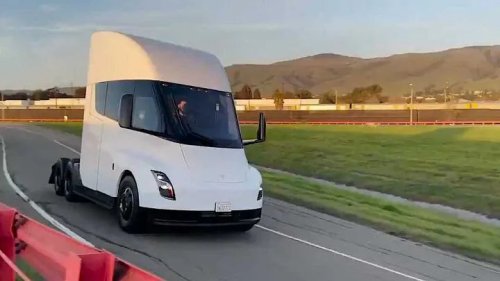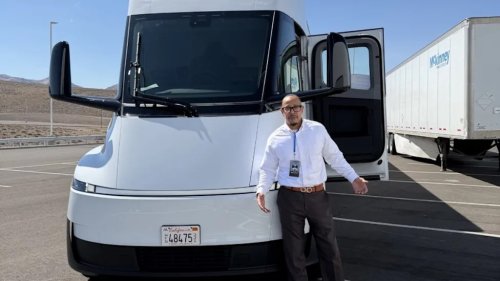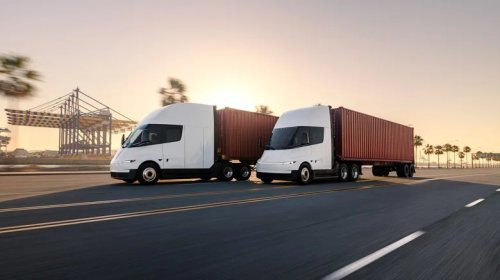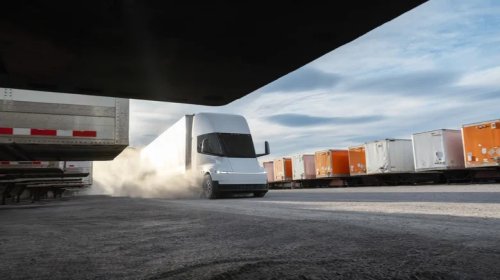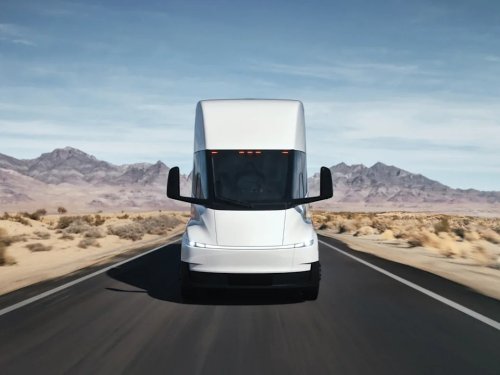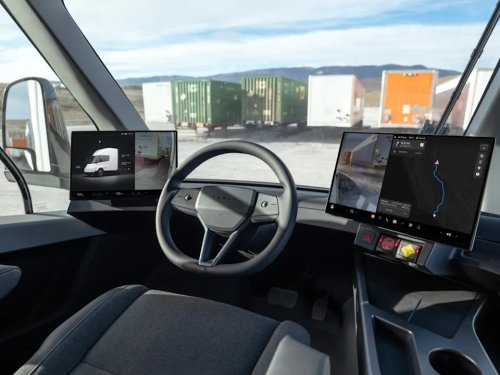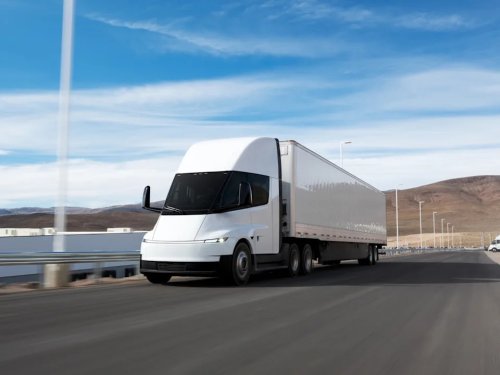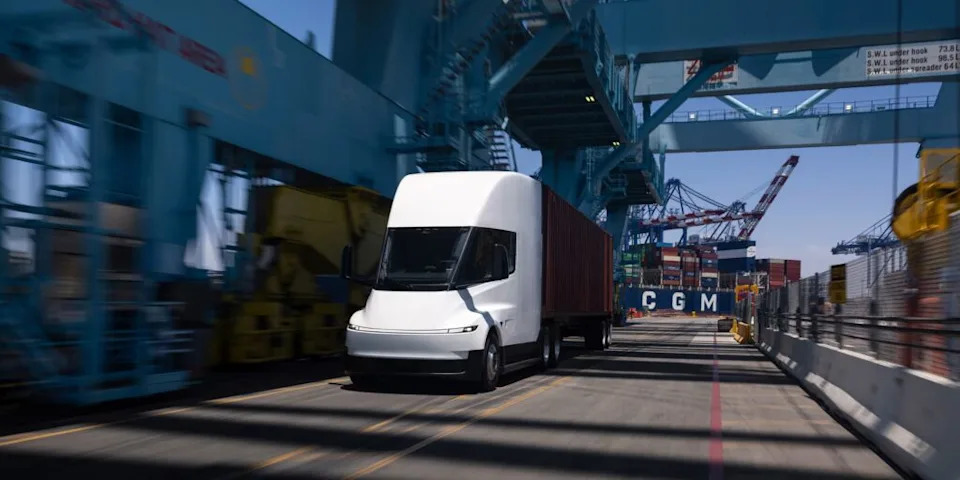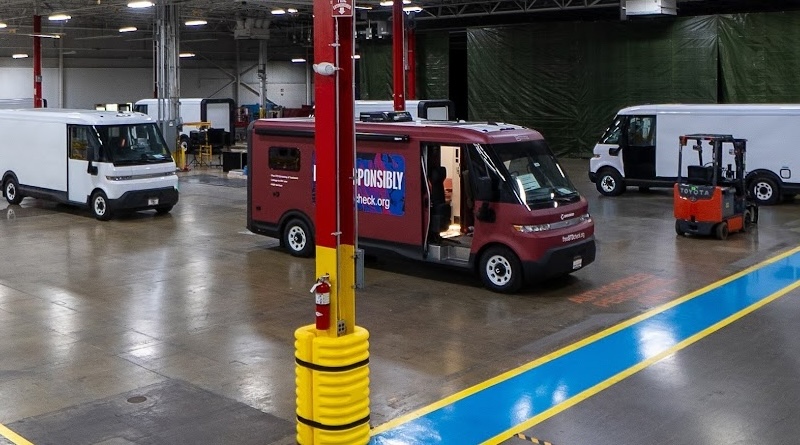



















Regardless of the dark shadow looming over the US electric vehicle market at the moment, the skies are beginning to clear, and some automakers are already gearing up for an EV comeback. Of particular interest is the electric truck space, where startups and legacy manufacturers have spotted an opportunity missed by industry leader Tesla. Whatever Happened To The Cybertruck? If you’re thinking the pickup truck market is one of those opportunities, that’s a pretty good guess. The Tesla Cybertruck purportedly checks the functional boxes of a conventional pickup truck, while looking nothing like one. Tesla CEO Elon Musk had high hopes for the vehicle. It was supposed to crush the competition in the electric pickup space, much tas the company’s sedans and SUVs continue to outsell other EVs in the US by a wide margin. However, Tesla CEO Elon Musk failed to make a convincing case for the Cybertruck, to put it kindly. That left the door open for other EV makers to fill the breach. Ford, for example, is on track to manufacture the new Fathom electric pickup in volume next year. Rivian already has a head start in the pickup space, and Rivian is on track to step up its manufacturing footprint with an assist from the US Department of Energy. Electric pickups from Slate Auto and the Scout Motors branch of Volkswagen are also heading for production, though Scout has said that most of its reservations are for the EREV (Extended Range EV), meaning an onboard gas-powered generator will cut in when the battery runs low. More EVs For The USA All this is well and good, but pickups are not the only opportunity to slip through the hands of Tesla. Vans and medium-duty trucks are also neglected territory, and that’s where the Detroit-based start-up Grounded EVs comes in. Founded and CEO’d by SpaceX alum Sam Shapiro, Grounded launched on a business model aimed at electrifying the recreational vehicle market, with a focus on van-sized RVs. The company’s limited-range, solar-enabled G1 electric RV surfaced on the CleanTechnica radar back in 2023, with the Ford E-Transit electric van as the platform for its modular design system. Later that same year, Grounded put the Brightdrop branch of General Motors to work on its longer-range G2. Brightdrop stopped manufacturing electric vans in 2025, but by then Grounded had a stockpile on hand and was on its way to producing the even longer range G3 RV. Electric Box Trucks Are Coming For Your Fossil Fuels For the next step along its electrification journey, Grounded is expanding its horizons beyond the consumer market. On August 18 the company announced that it has nailed down $5 million in seed money. The funds enable it to move into a new, 50,000 square-foot manufacturing space in its hometown of Detroit, where it will manufacture a new line of box trucks. Initial production is expected this month, with ramp-up continuing through next year. Without leaving its RV business behind, Grounded is expanding its powertrain platform to include gasmobiles. However, the company continues to emphasize its EV business. “We built this company to bring smart, modular electric vehicles to the businesses and institutions that keep our cities running,” emphasized Shapiro in a press statement emailed to CleanTechnica. “The expansion increases Grounded’s production capacity by 1,900% and will support the launch of a new vehicle-agnostic box platform that extends the company’s software-defined, modular vehicle architecture into a significantly larger commercial fleet market of both electric and internal combustion engine (ICE) vehicles,” the Grounded explains. This Is Not Your Grandparents’ Electric Box Truck Box trucks are familiar along city streets in the form of medium-duty trucks with a cube-shaped cargo space, though some variants are slightly longer. Box trucks slot into the Class 3 vehicle classification alongside mini-buses and heavy-duty pickups. That’s just for starters. Grounded anticipates that its box platform and its modular, customizable design platform opens up a wider field of opportunity in the mobilized economy of the future. Think food trucks, and keep going. “We’re seeing notable growth across food and beverage franchises, field operations, public safety, and mobile healthcare,” explains Grounded CPO Nadia Meyer. “Customers include Colgate, Nokia, Coffee Fellows, Wayne State University Medical, PetEvolution and Healthy Mothers Healthy Babies, with vehicles supporting applications ranging from mobile medical and dental services to food service and other field operations,” Grounded notes. Come to think of it, mobile auto repair shops are a thing now, along with home party and catering services. Bookmobiles are making a comeback, too. Check out the public library in Westfield, New Jersey, which is getting a new electric bookmobile in the form of a modded-out Ford E-Transit. Of course, gasmobiles are vying for the same space. However, EVs offer the benefits of a noise-free, zero emission experience. Under a scenario in which US President Donald Trump’s war in Iran keeps pushing up fuel prices, EVs can also offer a lifetime savings on fuel, with Grounded’s focus on solar integration helping to optimize that advantage. Who Will Be America’s Top Electric Truck Maker? Of course, Grounded is not the only EV maker eyeballing the medium-duty market. CleanTechnica has also been following the California startup Harbinger, which is pitching a stripped chassis for modification by customers. In the latest news, Harbinger has partnered with the US branch of the defense supplier Rheinmetall to develop prototype cabless, crewless, mid-sized hybrid electric resupply trucks for the US Army. Another startup to watch is Workhorse Group, which just nailed down a 100-unit order for its 100% electric W56 step vans. The company also manufactures electric trucks, buses, and shuttles. On the legacy side, the leading US truck maker Freightliner has been pitching its eM2 100% electric box truck, so keep an eye out for more activity on that end. As for Tesla, the company’s long-delayed Semi Class 8 electric truck has finally rolled into volume production. Unlike the Cybertruck debacle, initial reviews have been largely positive, but other firms have also been crowding into the same space. That includes a new hybrid-electric retrofit option in the form of a detachable battery unit inserted between the cab and the trailer. Instead of waiting to recharge their battery, drivers can swap out the unit for a fresh one as needed. The California startup behind the retrofit, Revoy (formerly SixWheels), has just added $27 million in Series A funding to its wallet, for a total of $41 million. Image: The Detroit-based startup Grounded EVs is expanding its business from electric RVs to the wide-open world of mid-sized Class 3 vehicles (courtesy of Grounded EVs via email).