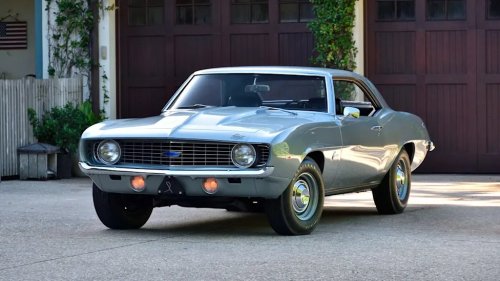
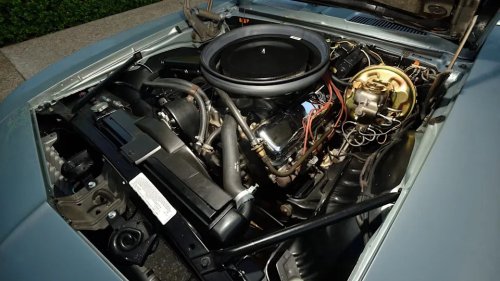
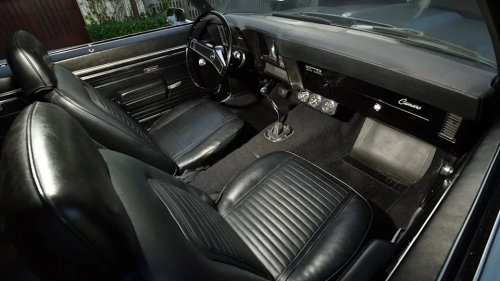
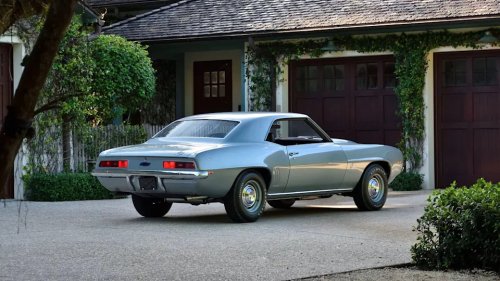
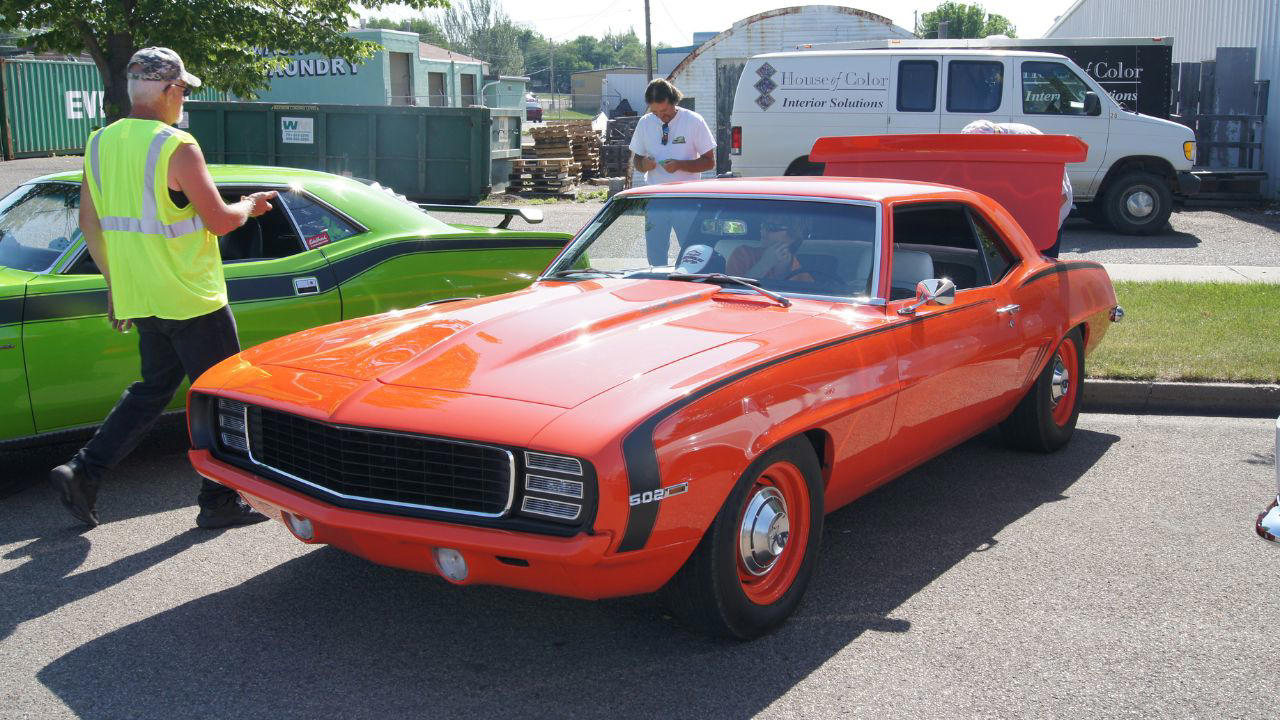
Chevy quietly built COPO Camaros outside the normal systemThe wildest factory Camaros did not come from the glossy brochure or the dealer’s option sheet. They slipped through a back channel inside Chevrolet, where paperwork intended for fleet trucks and taxis became a doorway to some of the fiercest muscle cars Detroit ever built. Those cars wore three letters that started as a bureaucratic code and ended up as legend: COPO. Chevrolet quietly used that internal system to create COPO Camaros outside the normal retail process, from the original 1969 heavy-hitters to the modern, lottery-only drag cars that just reached their finale. The story behind them is part corporate workaround, part racing arms race, and part lesson in how enthusiasts can bend a big company to their will. How a paperwork code became a secret performance weapon Inside Chevrolet, COPO did not begin as a performance badge at all. It stood for Central Office Production Order, an administrative path used to configure special vehicles for fleets, government agencies, or unusual commercial needs. According to accounts that explain Today, COPO, this channel existed so a dealer could, for example, order a batch of identical cars with specific paint and equipment that the standard order forms did not cover. Performance-minded dealers realized that this quiet system could do much more. Corporate policy limited engine size in smaller cars, but the Central Office could technically approve any combination that engineering could bolt together. As one report on the COPO Program puts it, the COPO Program was a Special System That Bypassed The Regular Order Forms. That meant a Camaro could be built with hardware that did not officially exist in the lineup, as long as the right COPO number was typed into the paperwork. In 1969, that loophole collided with a group of dealers and racers who wanted a Camaro that could dominate the drag strip straight from the factory. The 1969 COPO Camaro that rewrote the rulebook The 1969 Chevrolet COPO Camaro is the car that turned an internal code into a myth. Enthusiast histories describe how the COPO Camaro was created in 1969, largely due to dealer and racer pressure for a big-block street and strip weapon. One detailed account of the 1969 Chevrolet Camaro explains that the program used special Central Office Production Orders 9561 and 9560 to sneak race-ready hardware into what looked like a regular pony car. COPO 9561 specified the L72 427 cubic inch V8, rated at 425 horsepower and paired with heavy-duty driveline parts. Coverage of the Chevrolet Camaro COPO highlights that 427 and 425 figures are the core of the package, with a 4 Speed manual often chosen by serious racers. COPO 9560 went even further with the all-aluminum ZL1 427, built for maximum acceleration and minimal weight. Production totals underline how far outside the mainstream these cars sat. Central Office paperwork and later research show that production records indicate that approximately 997 to 1,000 COPO 9561 Camaros were built, with 822 using 4 speed transmissions and 193 with automatics. That is a tiny fraction of the over 240,000 Camaros built in 1969, a figure that later coverage of What Was the cites to show just how rare these cars were. On the street, the effect was dramatic. A COPO Camaro could look like a base model with dog-dish hubcaps and minimal trim, yet hide a 427 under the hood. Descriptions of a True COPO recreation emphasize attention to detail, including minimal exterior badging, which made the originals both feared on the strip and understated on public roads. Bypassing the catalog, one Central Office code at a time What made the COPO Camaros so unusual was not just their hardware, but the way they came into existence. The standard Camaro order form did not list a 427 option, and corporate performance caps were supposed to keep such engines out of smaller cars. Dealers who knew the system could request a Central Office Production Order with the desired engine, suspension, and drivetrain. Once the order was approved, the car moved through the assembly plant as if it were any other Camaro, but with its secret specification embedded in the build sheet. A video breakdown of the 1969 Chevrolet Camaro highlights how this process created cars that looked ordinary at a glance, yet were far more extreme than the SS models most buyers knew. This quiet channel meant Chevrolet could claim to follow its corporate rules while still feeding racers what they wanted. The company did not market COPO Camaros to everyday customers, and many buyers never knew such cars existed. The Central Office paperwork effectively separated these builds from the regular retail system, even though they rolled off the same lines. Street car or race car? The blurred line The original 1969 COPO Camaro occupied a gray area between showroom model and purpose-built racer. Coverage that asks COPO Camaros Street Legal explains that the 1969 COPO Camaro could be driven on public roads, even though its reason for existence was success at the drag strip. Owners registered them, commuted in them, and then uncorked their potential at the track. The modern revival took a different path. When Chevrolet Performance resurrected the idea in the 2010s, the new COPO Camaro was built as a dedicated drag-race car, not a street machine. Official coverage from Chevrolet notes that the COPO Camaro program has achieved untold success on the drag strip since 2012, with Multiple engine combinations including naturally aspirated big-blocks and supercharged small-blocks. These cars left the factory without Vehicle Identification Numbers for road use, and buyers treated them as turn-key entries for sportsman racing. That shift from stealthy street terror to factory drag chassis shows how the COPO concept evolved. What stayed constant was the idea of Chevrolet using a separate channel to build Camaros that did not fit neatly into the regular consumer lineup. The modern COPO revival and its strict limits When Chevrolet Performance revived the COPO name, it kept the sense of scarcity that made the 1969 cars legendary. Enthusiast coverage of a Chevrolet COPO Camaro notes that Chevrolet Performance only built 69 COPO Camaros each year from 2012 to 2023. That figure deliberately echoed the 1969 model year and reinforced the idea that these were not regular production cars. Buyers did not simply walk into a showroom and order one. They entered a lottery, and those selected received the opportunity to purchase a hand-built drag car with engines that ranged from naturally aspirated big-blocks to supercharged small-blocks. Another report on later models points out that the 2013 cars offered a naturally aspirated 427 engine and a supercharged 350 engine, and that, unlike the model built in 1969, the late-model COPO Camaros were not intended for street licensing. Even among these limited builds, some cars stood apart. A detailed feature on a 2023 example notes that a Chevrolet COPO Camaro was powered by Chevrolet’s 632 cubic inch big block, advertised as the most powerful crate engine the company had produced. That kind of specification underlined how far the COPO program had moved from retail sensibilities into pure competition territory. The final COPO Camaros and the end of an era The sixth-generation Camaro platform is winding down, and with it, Chevrolet has drawn the curtain on the modern COPO program. Reporting on the very last unit of the sixth-generation Camaro notes that the final Chevy Camaro rolled off the line late in the run, and that the final Chevy COPO built on that platform has already become a piece of brand history. Coverage of the final big-block COPO describes how that car is headed to GM’s heritage collection, with one feature explaining that there is a rising tide raising all ships, used to argue that the presence of such a car in a public collection lifts the profile of every COPO Camaro that came before it. Another detailed account of the last big-block car notes that its all-aluminum engine produced 971 horsepower, a figure repeated in a discovered COPO Camaro feature that describes the same engine as a 971 horsepower all-aluminum monster. Social coverage of the program’s finale has also looked back to where it started. One retrospective on the Chevrolet COPO Camaro calls the 1969 Chevrolet COPO Camaro a legendary high-performance muscle car, and pairs that with images of the final modern COPO built, which again carries a 971-horsepower all-aluminum big-block. The visual contrast between the simple 1969 body and the carbon-rich modern shell underlines how far the engineering has come, while the basic idea stayed the same. Why collectors chase COPO cars On the collector market, COPO Camaros occupy rarefied territory. Analysts who track sales of low-mileage examples emphasize that the COPO Camaro is not just another trim level, but a car born from a backdoor ordering system that created genuine scarcity. With only 997 to 1,000 COPO 9561 Camaros built out of over 240,000 Camaros in 1969, the numbers alone drive demand. Beyond production counts, the story matters. Enthusiasts are drawn to the idea that these cars were created by savvy dealers and racers who learned how to use the Central Office Production Orders to outmaneuver corporate limitations. A feature on a Chevrolet Camaro COPO points out that the original cars were among the most powerful and rare factory muscle machines ever built, which is why faithful recreations and tributes command attention even when they are not original COPO builds. The modern COPO program added another layer of collectability. With only 69 cars per year and no street titles, each one is essentially a factory-built race car. A social post about a Gen 5 example notes that 2015 was the year they were built and that one such car served as a special-built display vehicle in the Chevrolet display at the SEMA show, underscoring how closely the brand guarded these builds. How COPO shaped Chevrolet’s performance identity Although COPO started as a mundane administrative code, it has become central to Chevrolet’s performance image. Official coverage of the modern program stresses that Visit The COPO legacy involves sustained drag strip success, with Multiple engine combinations and continuous development since 2012. That racing record, combined with the mystique of the 1969 cars, allows Chevrolet to present COPO as proof that its performance engineering runs deeper than showroom specials. At the same time, the very existence of COPO highlights the tension inside large automakers between corporate policy and enthusiast demand. The original 1969 program relied on a loophole that let dealers order combinations the catalog did not list. Later coverage of the Secret Racing Program collectible Chevrolets frames COPO as a semi-official racing effort that operated in the shadows of the regular product plan. More from Fast Lane Only Unboxing the WWII Jeep in a Crate 15 rare Chevys collectors are quietly buying 10 underrated V8s still worth hunting down Police notice this before you even roll window down



















 +20 others