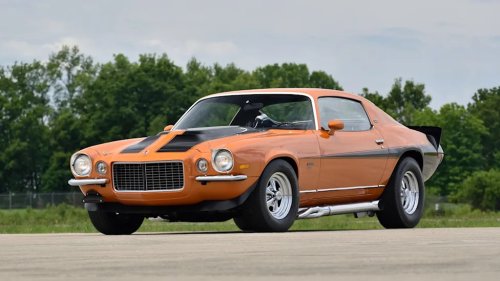
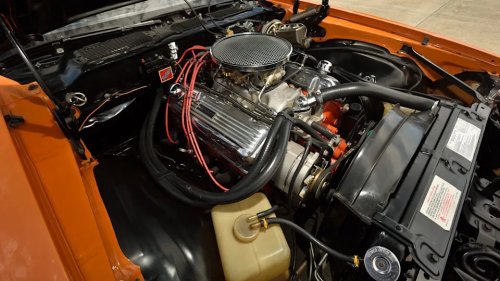
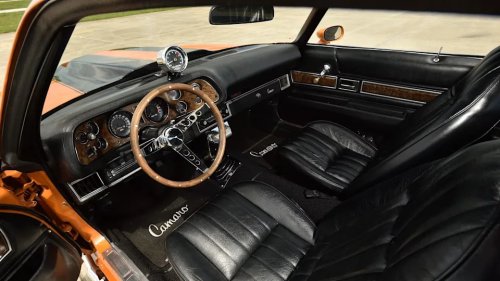
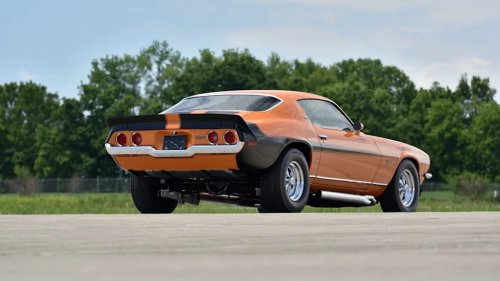
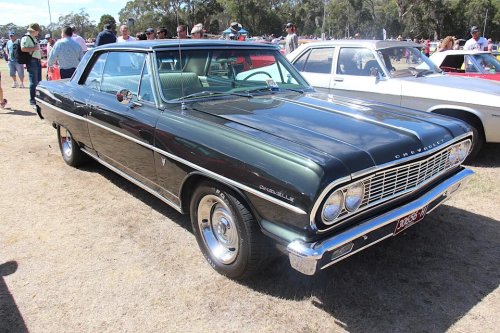
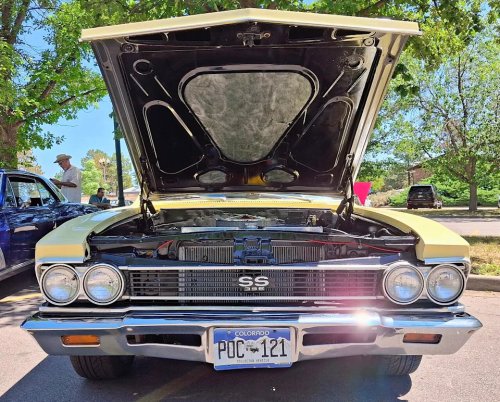
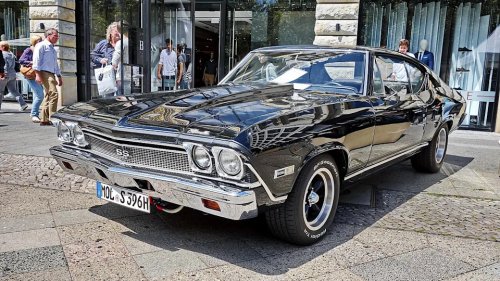
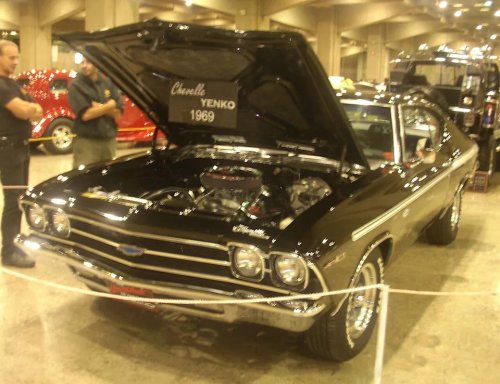
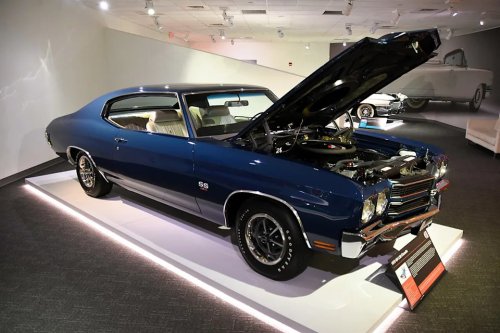
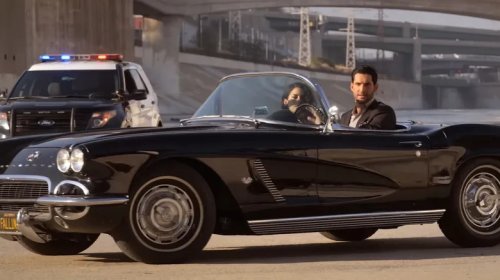
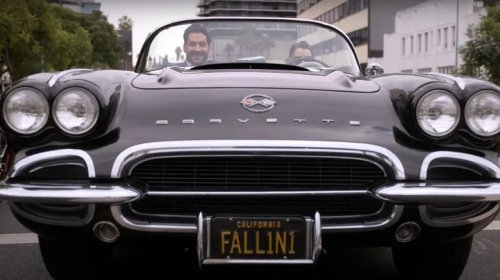
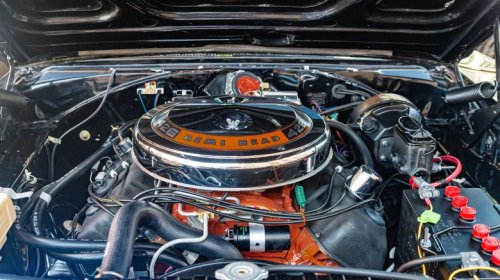
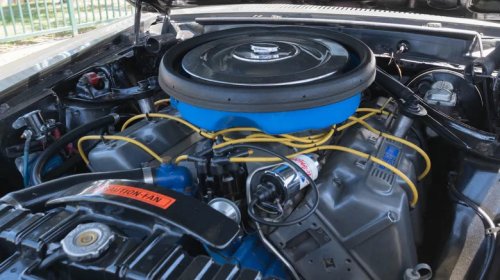
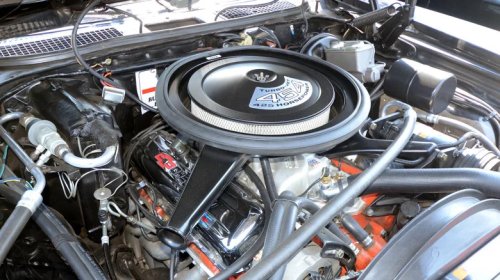
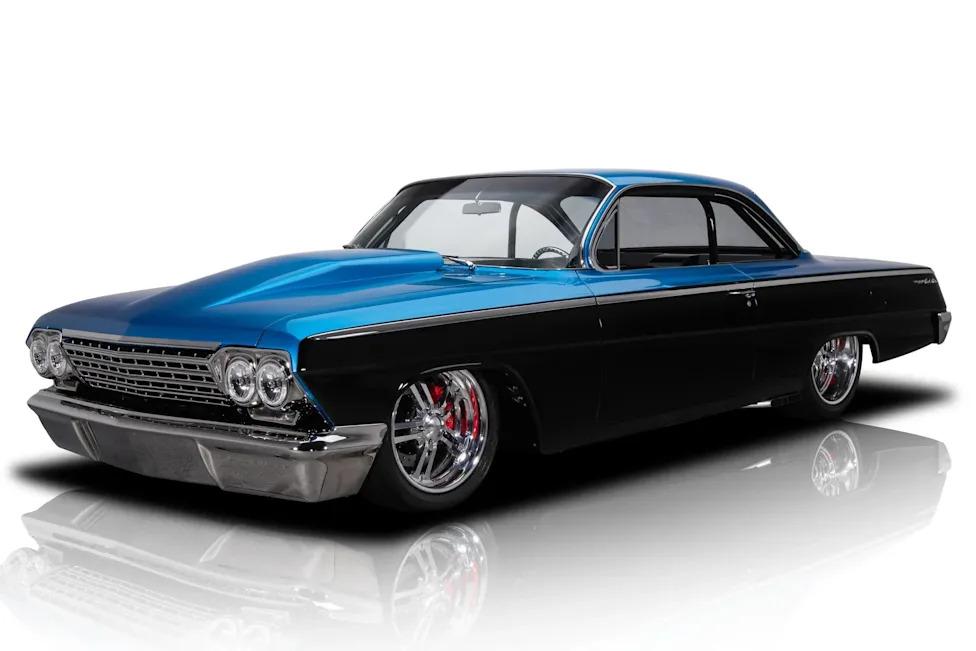
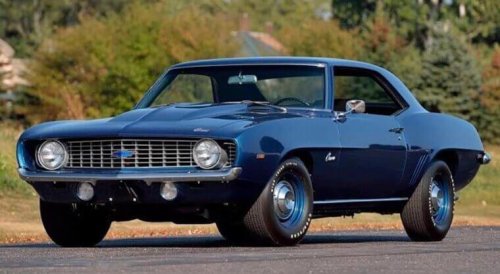
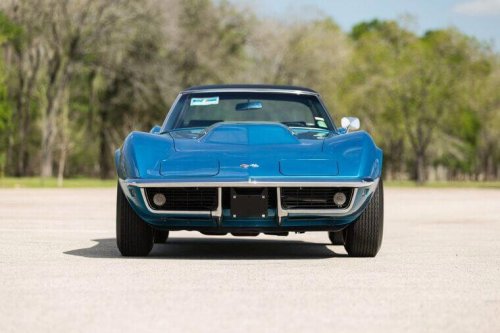
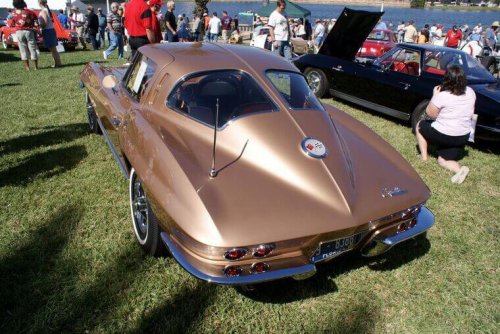
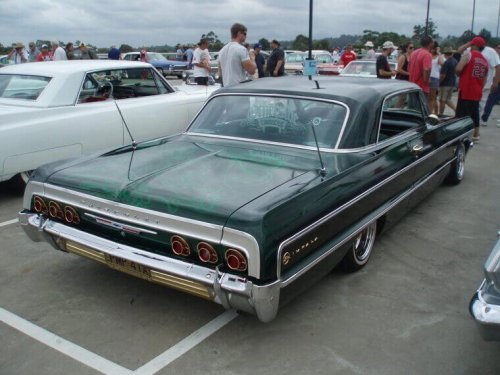
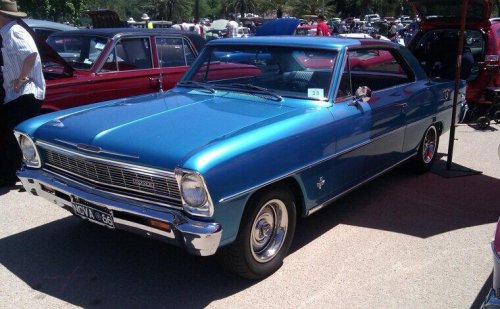
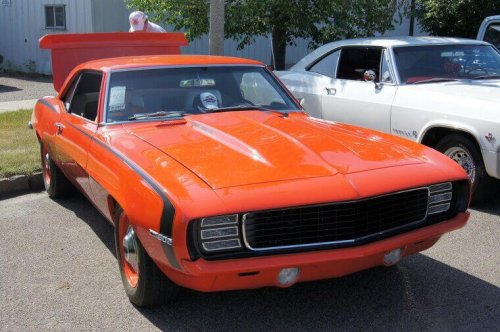
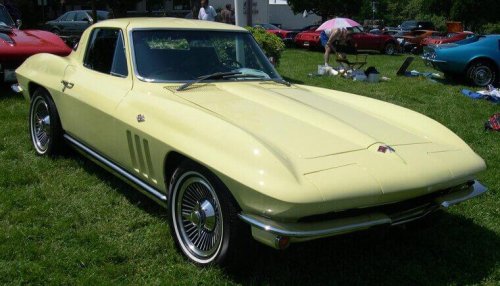
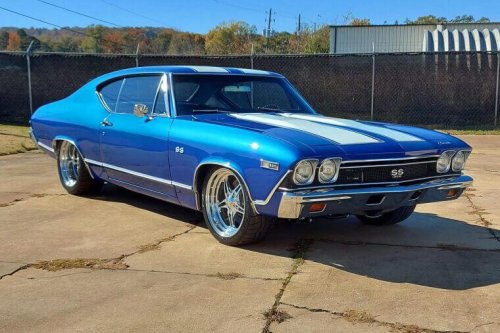
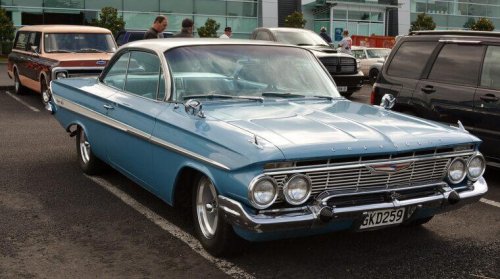
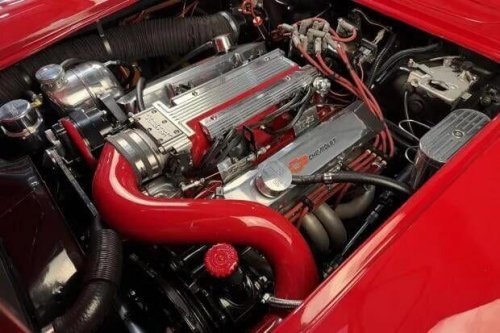
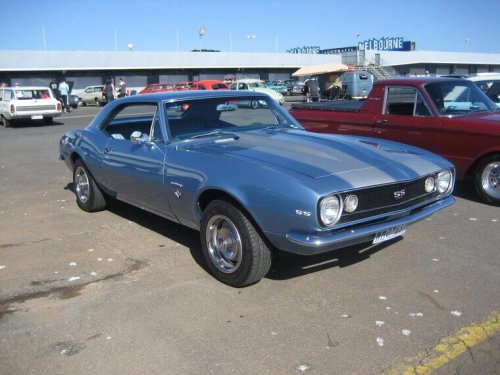
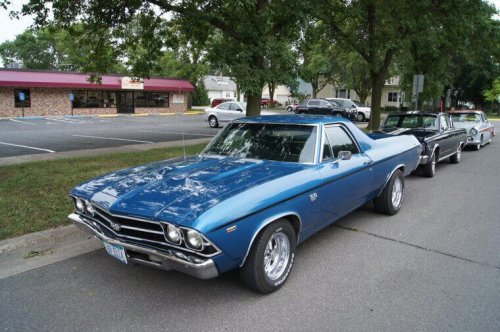
1969 Chevrolet Camaro ZL1Only 69 examples of this all-aluminum 427 monster ever left the factory, making it one of the rarest muscle cars Chevrolet ever built. Buried in RPO codes and Central Office Production Order paperwork, the ZL1 was practically a race car with license plates. Dealers barely understood what they had. For decades, this obscurity kept prices modest compared to other big-block Camaros. That changed once collectors realized just how few survived in unmolested condition. Auction results now regularly clear seven figures. What was once a footnote in Camaro history books has become the single most coveted first-generation Camaro among serious muscle car investors, proving that true rarity eventually finds its audience.1967 Corvette Sting Ray L88Few engines intimidated Detroit quite like the L88's 427 cubic inches of race-bred aluminum. Chevrolet underrated its horsepower on paper to keep insurance companies and casual buyers away, which worked exactly as intended. Only serious racers requested this option, and only a few hundred did across its production run. That deliberate scarcity became its greatest asset decades later. Today's collectors chase L88 Corvettes specifically because they represent unfiltered performance without compromise. Values have climbed steadily as documentation and matching-numbers examples become harder to find. This is a car built to dominate tracks, not showrooms, and the market has finally caught up to that original intent.1963 Split-Window Corvette CoupeThere's something almost sculptural about the split rear window on the 1963 Corvette coupe, a design element so polarizing that Chevrolet killed it after just one model year. Zora Arkus-Duntov himself reportedly hated it for blocking rear visibility. That single-year existence turned an aesthetic disagreement into automotive gold. Collectors now specifically seek this one model year above all other C2 Corvettes, treating the split window as a design statement rather than a flaw. Prices reflect that exclusivity. What started as a compromise between styling and function has become the most recognizable and valuable visual signature in Corvette history, commanding premiums other C2 models simply can't match.1964 Chevy Impala SSFull-size performance doesn't get talked about as often as pony cars, but the '64 Impala SS deserves recognition for proving that a family-sized sedan could still deliver serious muscle. With available 409 power under the hood, this car offered genuine speed wrapped in comfortable, chrome-laden style. For years it sat in the shadow of smaller, lighter competitors that dominated drag strips. Collectors eventually recognized what made it special: the sheer presence of a full-size Chevy hauling serious horsepower down the highway. Interior space, highway comfort, and genuine period-correct performance combine to create appeal that smaller muscle cars simply can't replicate, and values now reflect that renewed appreciation.1966 Chevrolet Nova SSCompact and quick, the 1966 Nova SS represented Chevrolet's answer to buyers who wanted performance without the bulk of full-size options. Lightweight construction paired with available V8 power created a genuinely fun driving experience that flew under the radar for decades. Many were modified, raced hard, or simply used up during their working lives, which makes clean survivors increasingly scarce today. The market has responded accordingly. What was once considered a budget alternative to flashier muscle cars now draws serious collector attention specifically because of that scarcity. Finding an unmolested example with correct SS badging and drivetrain has become genuinely difficult, driving values steadily upward.1969 COPO Camaro RarityCentral Office Production Orders created some of the strangest and most desirable Camaros ever built, and the 1969 COPO cars represent peak muscle car obsession. Dealers used this loophole to order factory-installed 427 engines that officially didn't exist on regular option sheets. Fewer than a thousand were built across various COPO codes, making documentation absolutely critical for authentication. Forged paperwork exists, so provenance matters enormously here. Genuine, verified examples now command prices that would have seemed absurd just twenty years ago. The COPO Camaro represents the ultimate insider's muscle car, built through backdoor channels for buyers who understood exactly what they were getting.1965 Corvette Sting Ray CoupeSmooth lines and genuine capability defined the 1965 Corvette Sting Ray coupe, a car that arrived with disc brakes as standard equipment for the first time. This safety upgrade mattered enormously for a car capable of serious speed. Big-block power became available mid-year too, adding another layer of desirability for collectors seeking the ultimate combination of styling and performance. For years this model sat comfortably in the shadow of the split-window '63. That's changing now. Buyers increasingly appreciate the improved drivability and refined engineering the '65 offers over earlier C2 examples, recognizing it as a genuinely complete sports car rather than simply a transitional model year.1968 Chevelle SS 454The LS6 454 arrived mid-year in 1968, transforming an already capable Chevelle SS into something far more serious. Rated conservatively at 450 horsepower, this engine represented Chevrolet's most aggressive big-block offering of the era. Few buyers understood what they were ordering at the time; fewer still kept these cars in original condition through decades of use and modification. That scarcity now defines the market. Documented, numbers-matching LS6 Chevelles command prices that dwarf standard SS 396 examples by significant margins. Collectors specifically seek this configuration because it represents the absolute peak of Chevelle performance, a genuine outlier that took years for the broader market to properly value.1961 Chevy Impala Bubble TopThat distinctive greenhouse roofline earned the 1961 Impala its "bubble top" nickname, a design choice that created dramatic visibility and unmistakable style. Full-size Chevrolets from this era often get overlooked entirely in favor of later muscle car generations. Yet the bubble top Impala offers something those later cars can't: pure late-'50s-into-'60s design optimism, expressed through glass and chrome rather than spoilers and stripes. Collectors focused on design history have driven renewed interest in clean examples. Values have climbed as buyers recognize this model represents a specific, irreplaceable moment in American automotive styling, one defined by confidence and glass rather than raw horsepower numbers.1962 Corvette Fuel-Injected EngineFuel injection seemed almost exotic on an American car in 1962, and Chevrolet's implementation on the Corvette proved genuinely effective rather than merely impressive on paper. This system delivered real performance advantages over standard carbureted engines, particularly in throttle response and reliability under demanding conditions. Production numbers were always limited given the added cost and complexity. For years, casual collectors overlooked fuel-injected examples simply because the technology seemed intimidating to maintain. That hesitation has faded considerably. Buyers now specifically seek fuelie Corvettes for their engineering significance, recognizing this option as a genuine technological milestone that predates similar systems appearing on European sports cars.1967 Camaro SS Debut YearChevrolet needed an answer to Ford's Mustang, and the 1967 Camaro delivered exactly that with genuine style and available performance to match. That first model year carries particular weight among collectors because it represents an unproven concept executed with remarkable confidence. Early production quirks and running changes throughout the year create fascinating variation for detail-focused buyers. RS and SS badging combinations offer countless configuration possibilities to research and authenticate. What began as competitive necessity became an automotive icon in its own right. Debut-year examples now command premiums specifically because they represent the moment Chevrolet entered pony car competition and never looked back.1969 El Camino SSHalf truck, half muscle car, the 1969 El Camino SS occupied a strange and wonderful category that no other manufacturer quite matched. Big-block power transformed this practical hauler into something genuinely quick, blending Chevelle-based performance with useful cargo capacity. For decades, purists dismissed it as neither a true truck nor a genuine muscle car, leaving it stuck in an odd collector limbo. That perception has reversed entirely. Buyers now celebrate exactly what makes the El Camino SS unique: genuine SS performance credentials paired with everyday practicality that no coupe could offer. Values have risen as collectors embrace this hybrid identity rather than apologizing for it.



















 +73 others