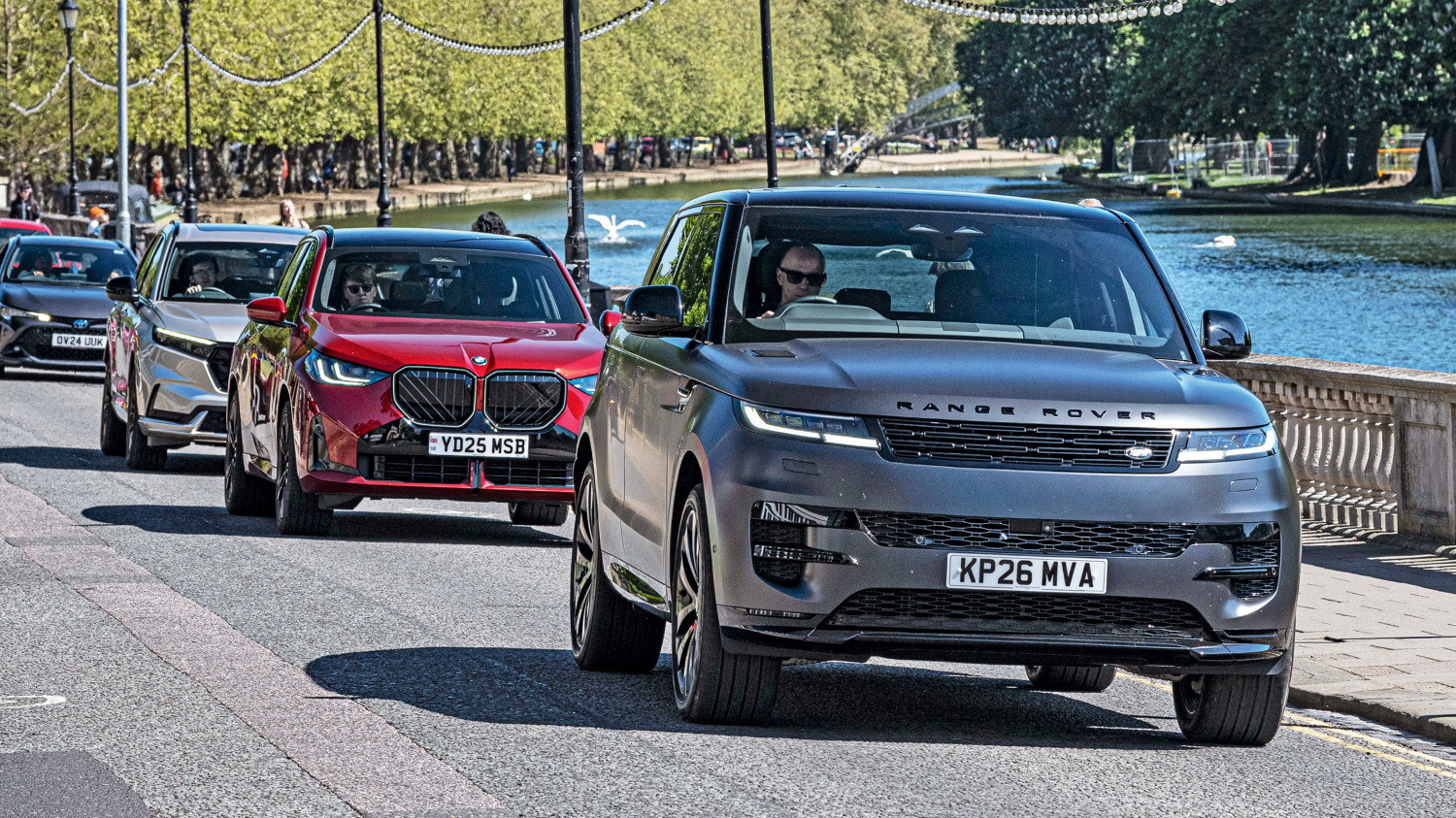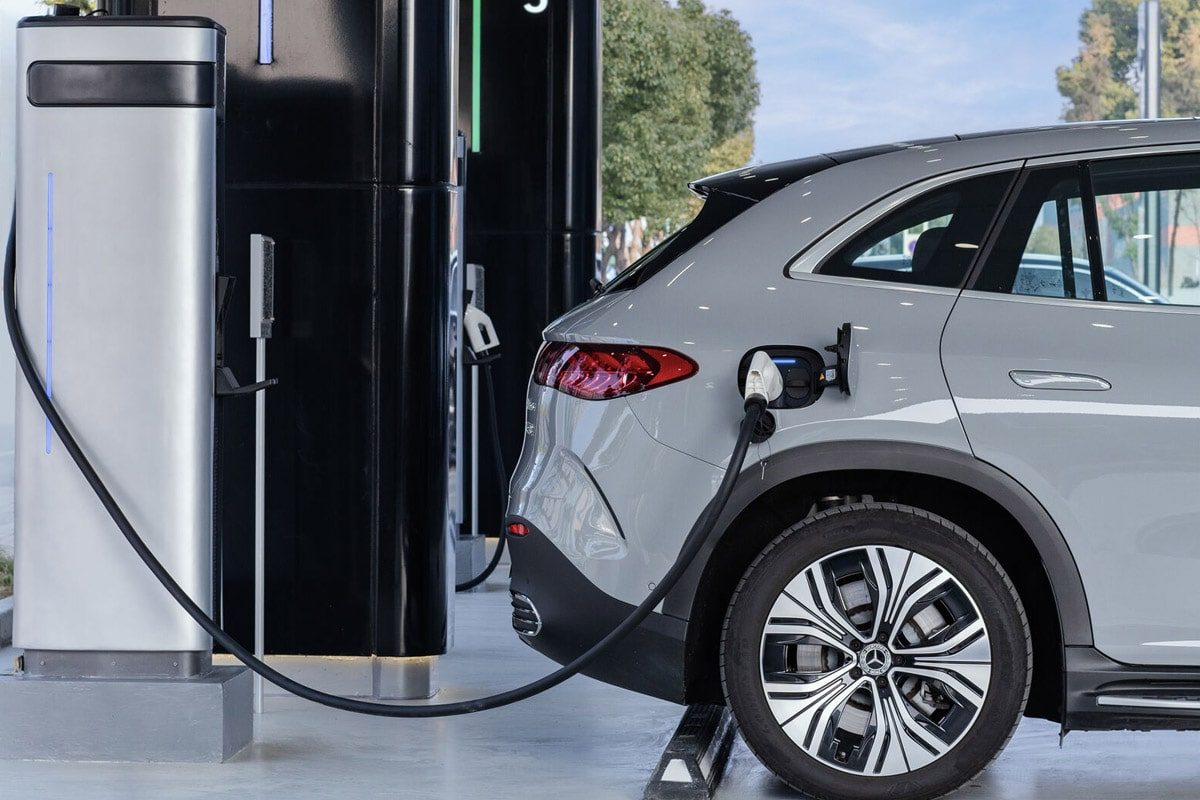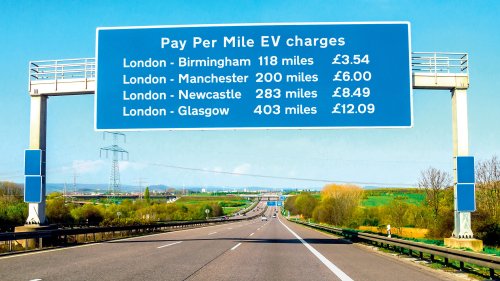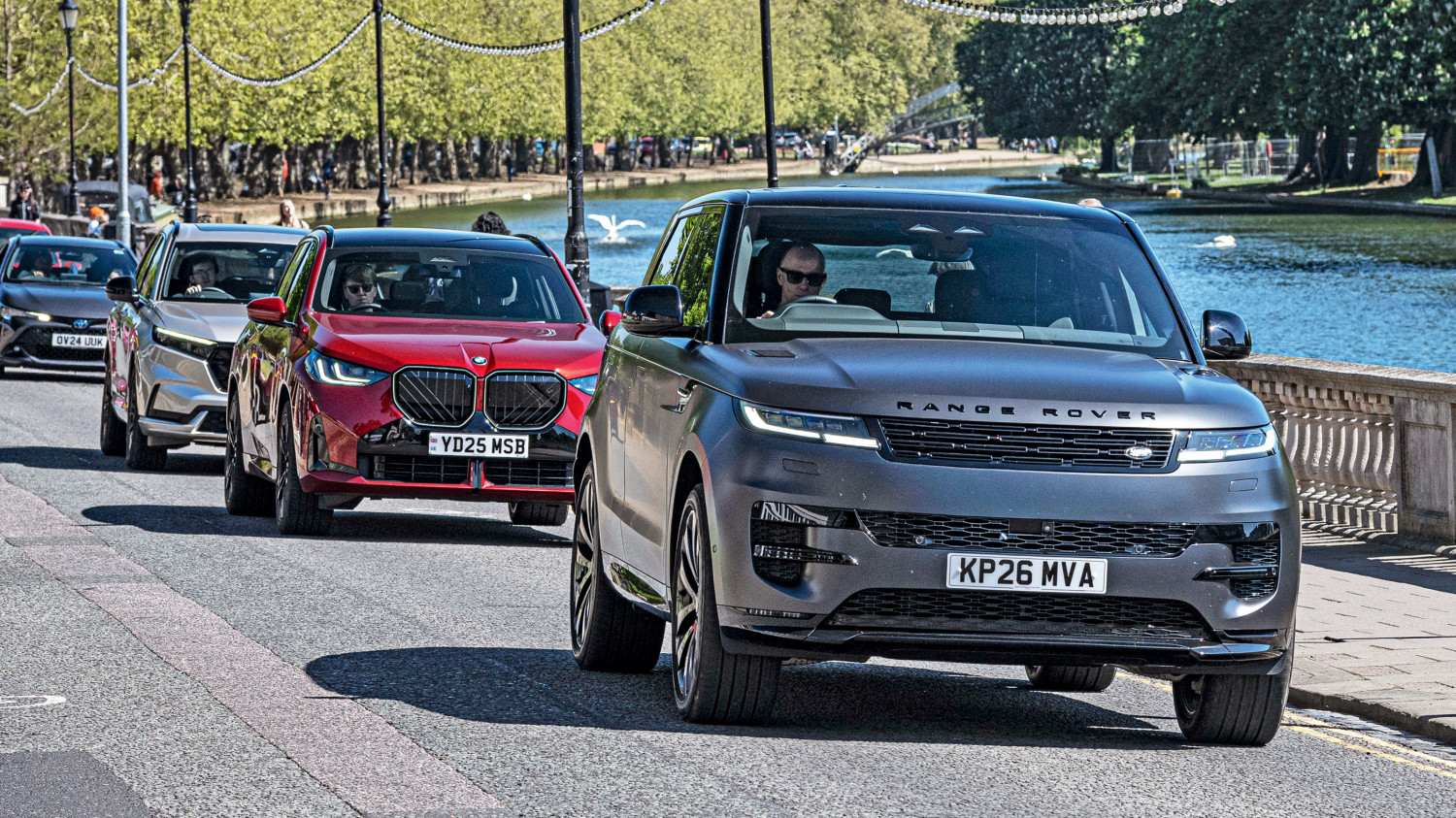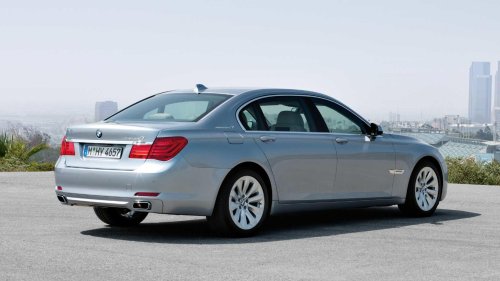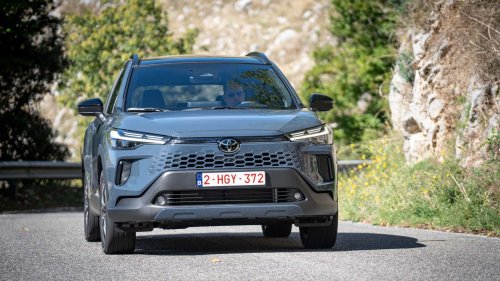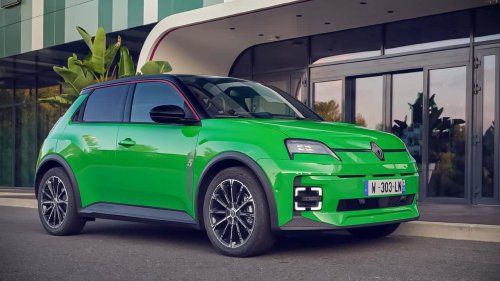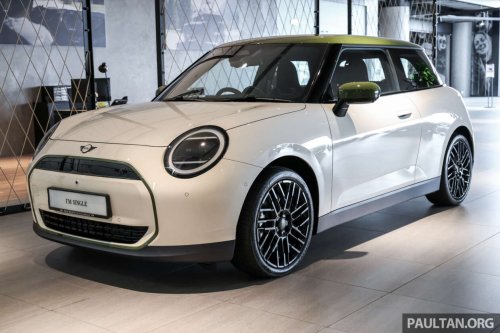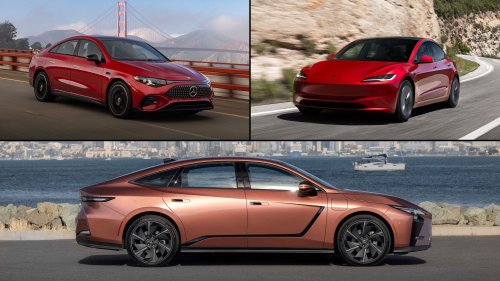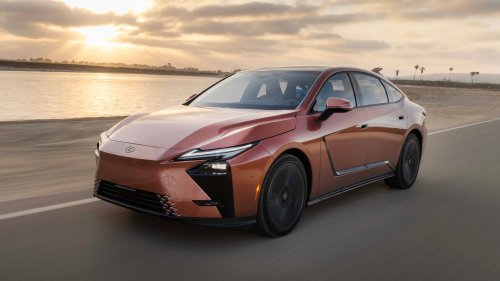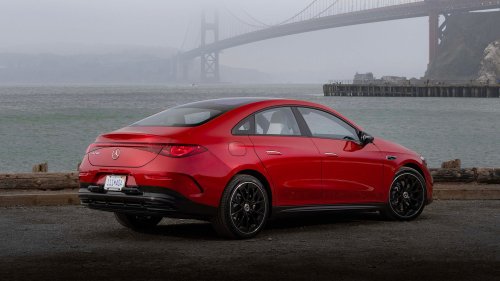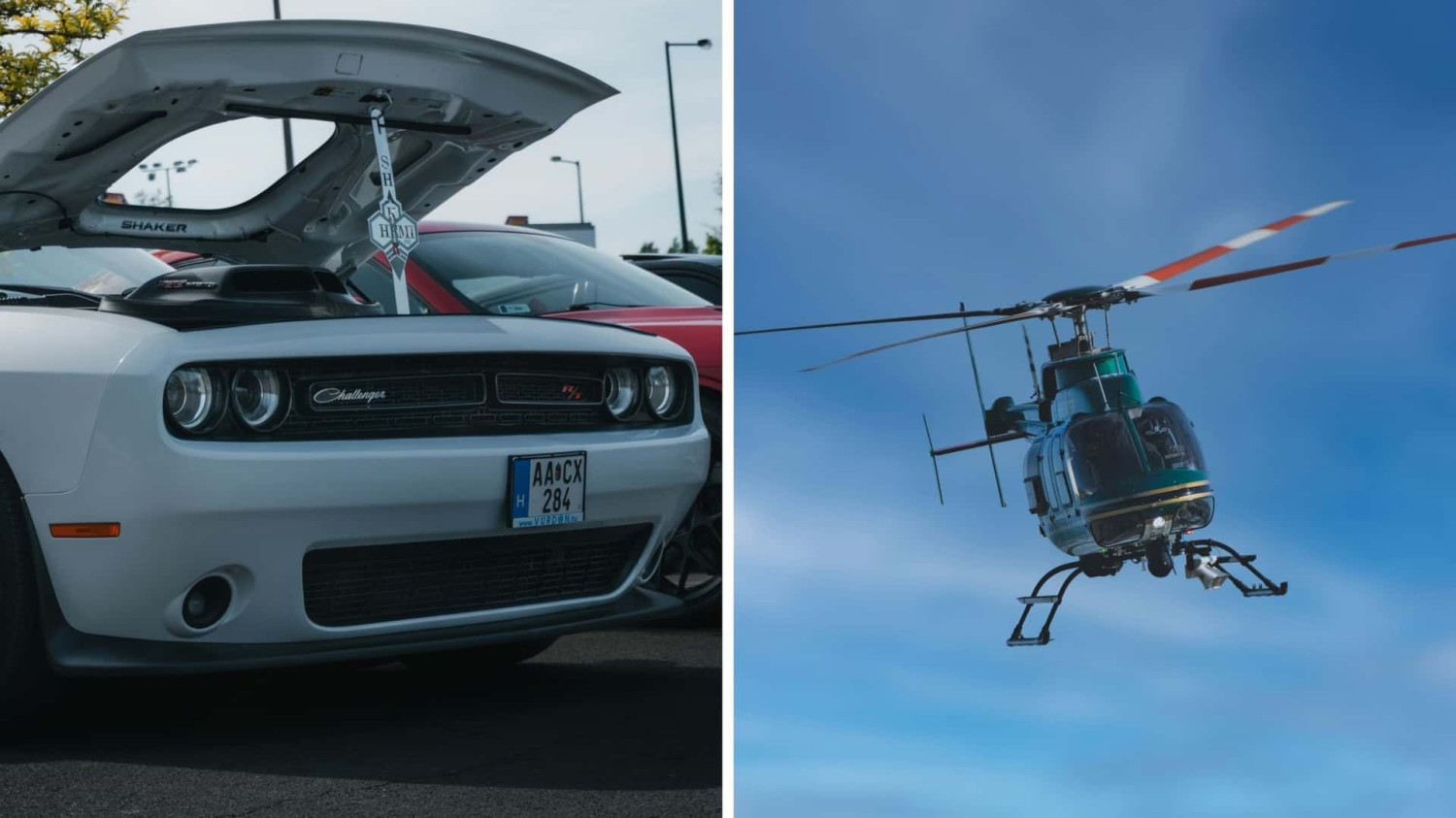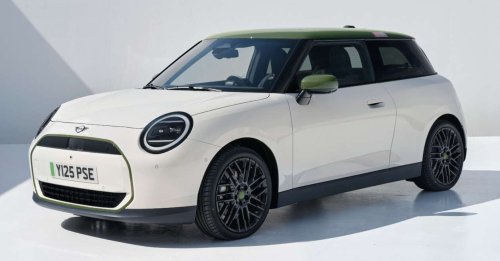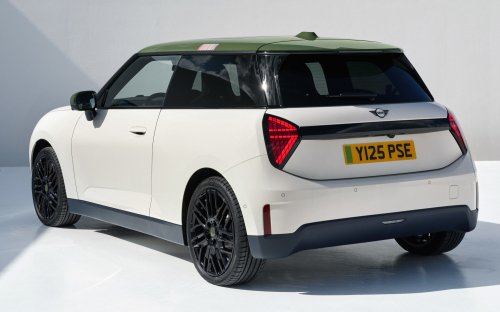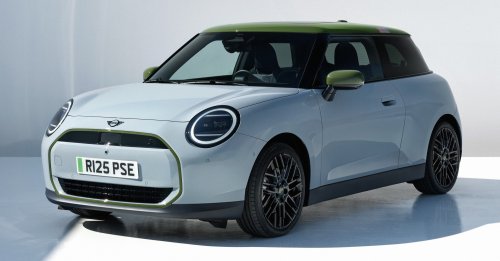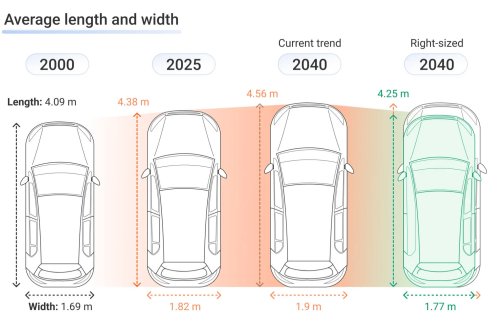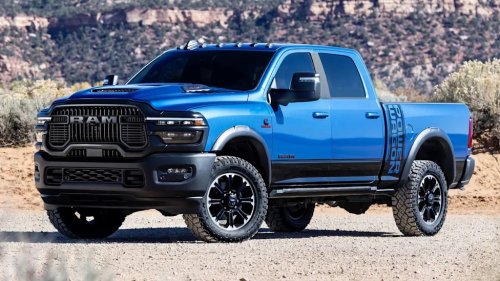
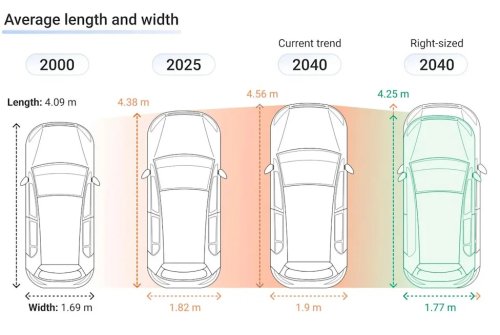
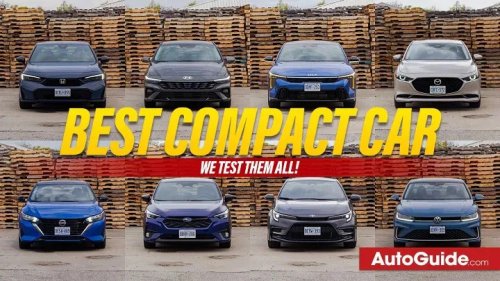
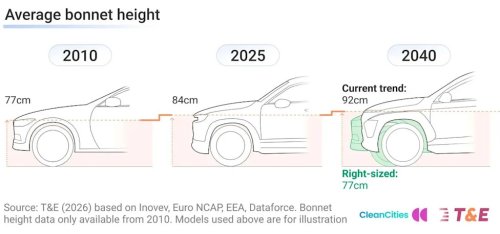
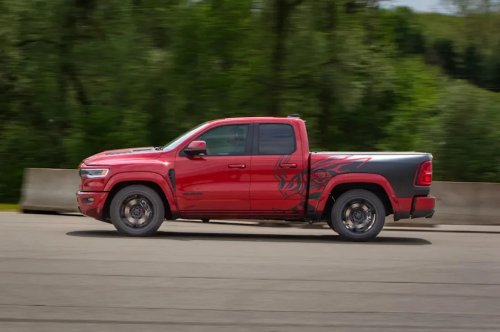
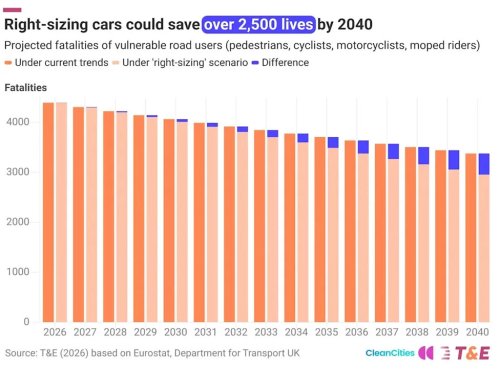



















Source: Ram TrucksSource: Ram TrucksThe story goes that after Mini sold the first round of its R50/R53 Cooper Hatch for the 2001 model year, they turned to existing customers for feedback to help the brand improve its then-sole model.The number one request? Mini buyers wanted their Minis to have more space. Twenty-five years later, passenger vehicles have gotten so big that "carspreading" is now a term you've had to read, and it's so bad that researchers think size should impact taxes.Source: Europe's Transport & Environment (T&E) and Clean CitiesSource: Europe's Transport & Environment (T&E) and Clean CitiesAdvertisementAdvertisementA recent report from Europe's Transport & Environment (T&E) and Clean Cities has created the phrase "carspreading" to describe the constant, ongoing ballooning of new cars sold to traditional consumers in the modern era.The study cites that the average car is increasing by 0.47 inches in length and 0.20 inches in height every year. Perhaps even worse, the height of the average passenger vehicle hood rises by around 0.20 inches every year, too.Source: AutoGuideSource: AutoGuideRemember, this is an era in which the "compact" car isn't quite as tidy as it used to be. Take the 2026 Nissan Sentra, for example: It measures around 183 inches from nose to tail, whereas the 1990 model was under 170 inches. Over at Honda, the 2026 Civic Hatchback is 184.8 inches long, which is exactly the same length as the 1990 Accord. And the 2026 Accord? 195.7 inches long, which is almost the same length as a GMT800 Tahoe.AdvertisementAdvertisementBack to the T&E study. The organization cites that the pattern of ever-larger cars, trucks, and SUVs dates back to the turn of the century, noting the point at which cars stopped getting smaller and started getting larger. In turn, T&E says that "right-sizing" is needed to counter what could be extremely detrimental effects upon society.Source: Europe's Transport & Environment (T&E) and Clean CitiesSource: Europe's Transport & Environment (T&E) and Clean CitiesOne negative impact deals with the physical size of cars growing while the space they have to fit in stays the same. If cars keep increasing in size and cities have to accommodate accordingly, it could mean a loss of 8.5-14 percent of street parking just to allow for vehicles to fit.The other major aspect is the bg one: Safety. As the height of the hood increases, visibility from the driver's seat decreases. Pedestrian deaths depend heavily upon the size of the vehicle in a given circumstance, with a direct correlation between size and the number of or likelihood of a death. T&E's study says that reversing the current "carspreading" trend could offset what would mean 2,570 additional pedestrian or road user deaths that would occur between now and 2040.Source: Ram TrucksSource: Ram TrucksAdvertisementAdvertisementT&E also notes that energy consumption comes at the detriment of larger vehicles. This sounds obvious (bigger generally means less efficient), but the degree to which this is the case isn't as much so. Should the existing "carspreading" trend continue through 2040, Europe's electric vehicles will consume an additional 22.5 terawatt-hours of electricity every year. That's as much as 1,500 onshore wind turbines can churn out. Even more concerning is that it would mean over 100 million supplemental barrels of oil to support the gas-powered fleet in Europe.The only way to stop these impending senses of doom is to reverse the trend, or impose additional taxes on vehicles as they get larger. These taxes already exist in some ways-- higher destination chargers as well as gas guzzler taxes-- but T&E says increasing taxes could deter manufacturers from continuing to make vehicles larger.Source: Europe's Transport & Environment (T&E) and Clean CitiesSource: Europe's Transport & Environment (T&E) and Clean CitiesAs such, it's no surprise that tying taxes to dimensions is the big proposal here. Basing parking fees on the amount of space required for parking, as well as the impact they can have on roads and the environment, should also be explored. Any way you slice it, the impacts of larger cars on humans and society are undoubtedly massive.Become an AutoGuide insider. Get the latest from the automotive world first by subscribing to our newsletter here.