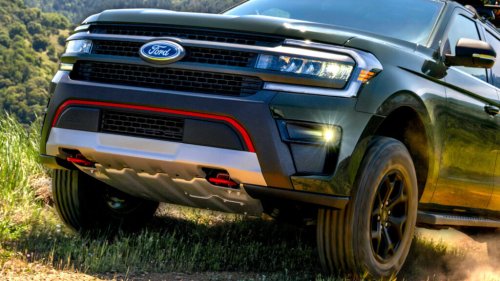
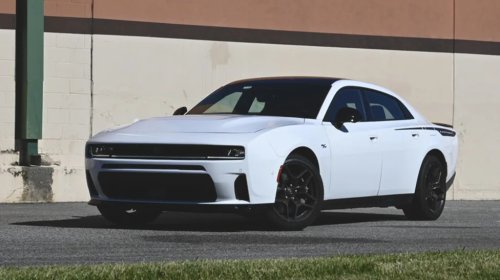
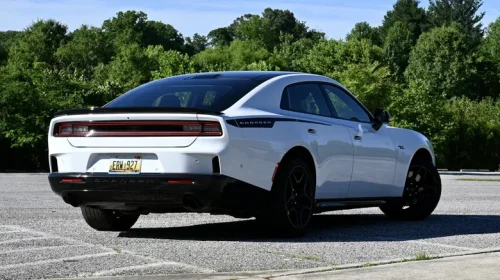
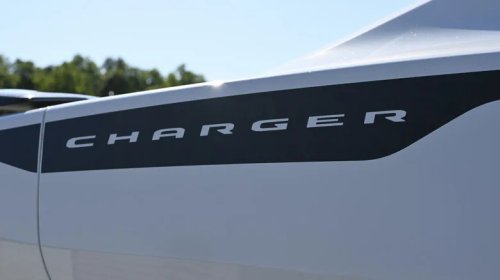
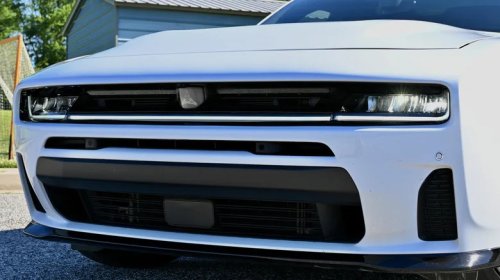
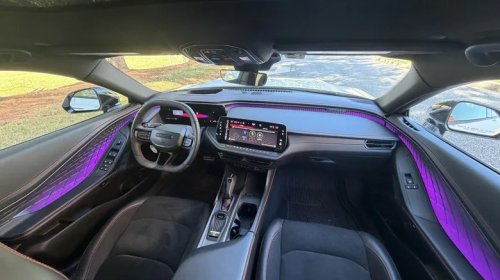
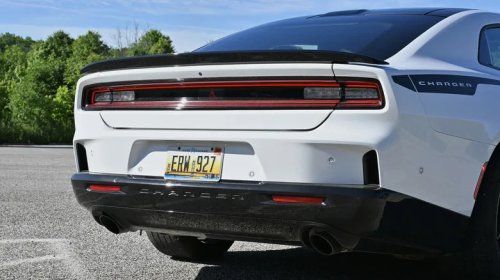
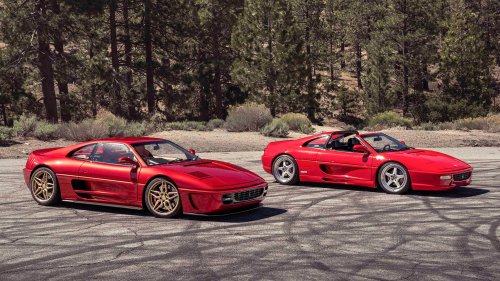
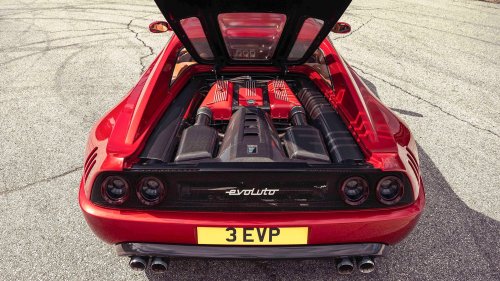
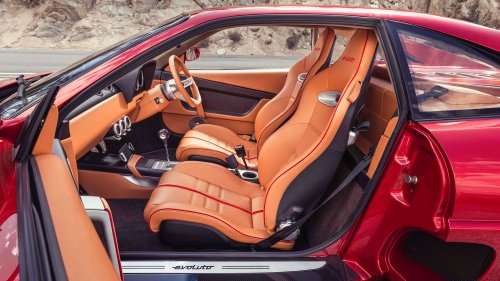
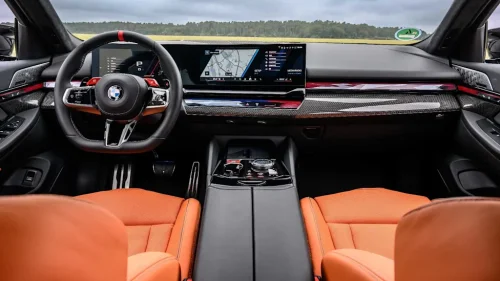
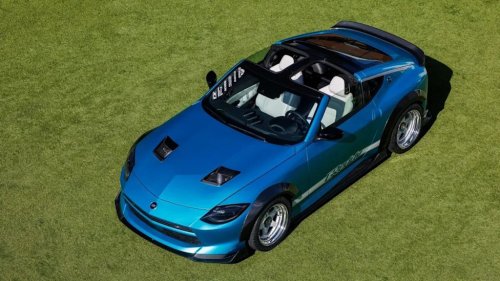
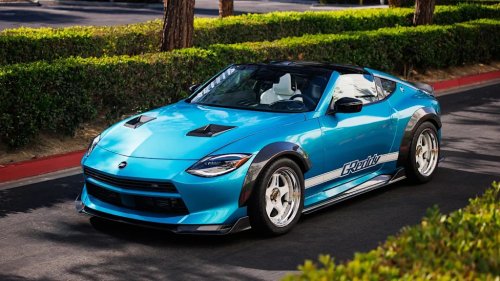
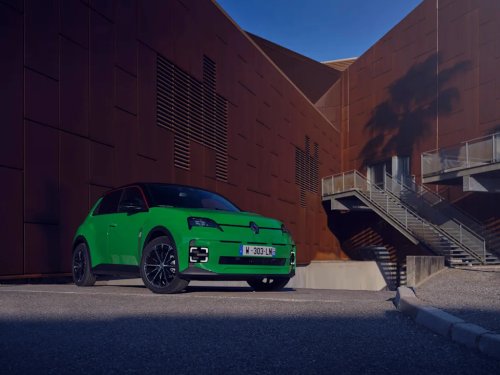
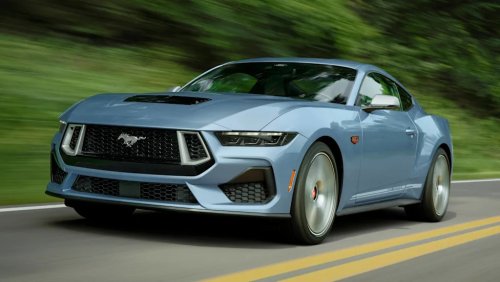
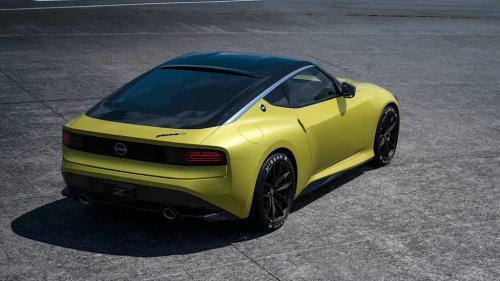
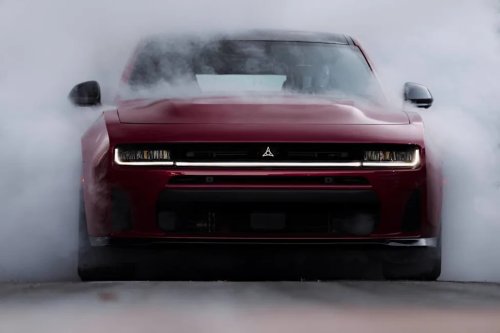
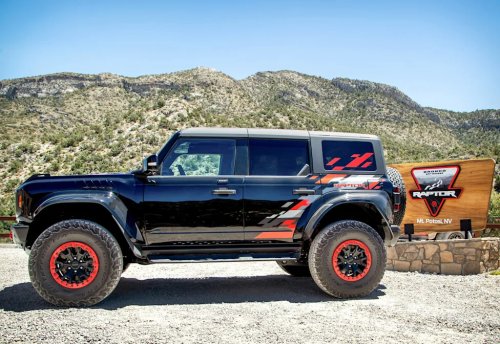
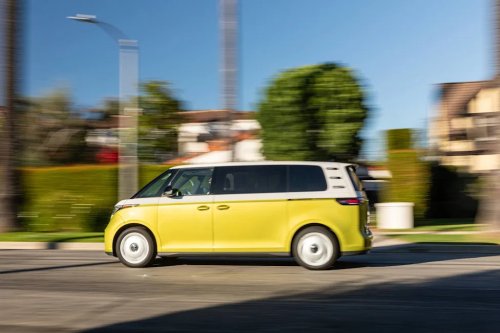
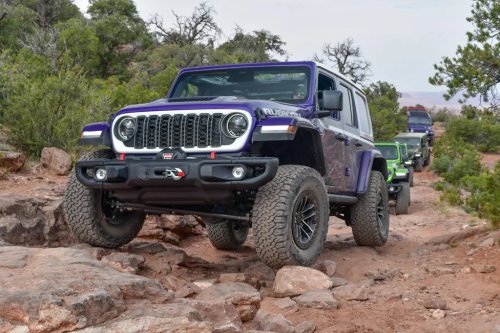
Autoblog and Yahoo may earn commission from links in this article.Have car companies weaponized our memories? Looking at the current automotive landscape, the answer is a resounding yes. Automakers are increasingly leaning into nostalgia, reviving iconic silhouettes to tap into a market that deeply craves the past. Yet beneath these vintage wrappers lies the absolute pinnacle of modern technology and everyday amenities. We want the golden days of motoring, but we also demand Apple CarPlay, adaptive cruise control, and heated seats.This intersection of old-school charm and new-school engineering has become a highly lucrative battleground. For drivers, buying a car inspired by a classic design beats the endless headaches, maintenance, and astronomical costs of restomodding an older vehicle. For manufacturers, it is the ultimate way to create emotional connections in an increasingly digitized world. Here is how the industry is using our fondest automotive memories to design today's vehicles.RenaultView the 3 images of this gallery on the original articleFord MustangThe Ford Mustang practically invented the modern retro movement, and the newest generation continues perfecting the formula. Over the years, our team has closely tracked the blue oval's strategy of mining its heritage, proving that looking backward can move a brand forward. Buyers choose between a 315-horsepower four-cylinder and a 5.0-liter V8 churning out 500 horsepower. Inside, a digital cluster evokes the late 1980s. Demand for this specific vintage aesthetic is soaring, as highlighted by custom builds seen at recent industry shows.AdvertisementAdvertisementIn our testing, we found the Mustang to be a stellar performance bargain. We love the wicked V8 engine note and the engaging manual transmission. The ride quality remains surprisingly refined for daily commuting. However, we must point out that the base four-cylinder no longer offers a manual gearbox. Pricing remains relatively accessible, starting around $33,000, though fully loaded models easily push past the $60,000 mark.FordView the 3 images of this gallery on the original articleNissan ZNissan took a bold approach with the current Z by creating a greatest hits compilation of its history. The front fascia borrows from the 240Z, while the rear features taillights lifted from the 300ZX. The automaker is doubling down on this aesthetic for future model years, ensuring that the sports car continues to embrace its roots. Underneath the heritage styling sits a potent 3.0-liter twin-turbo V6 engine producing 400 horsepower.From behind the wheel, our impressions are extremely positive regarding its raw driving dynamics. The lightweight feel provides endless entertainment on winding roads, especially with the six-speed manual. On the downside, the cabin is tight, the infotainment feels slightly dated, and the trunk is tiny. For those willing to accept these compromises, prices start at roughly $43,000, making it an enticing entry point for enthusiasts.NissanView the 3 images of this gallery on the original articleDodge ChargerWith the Challenger discontinued, Dodge transferred its retro futurism to the all-new 2026 Charger. It is heavily inspired by the 1968 model, featuring a widebody stance and the classic illuminated Fratzog badge. Corporate parent Stellantis is spreading this nostalgic styling across other brands too, introducing vintage-themed packages for its most rugged off-roaders. The electric Charger Daytona Scat Pack uses a dual-motor system to produce 670 horsepower.AdvertisementAdvertisementDuring our initial drive, we noted its blazing straight-line performance and massive road presence. It even features an artificial exhaust to replicate a classic muscle car idle. The main drawback is the staggering weight, tipping the scales at 5,700 pounds. Additionally, its estimated 241-mile battery range falls short for road trips. The Scat Pack starts around $73,000, though affordable gas models will arrive shortly.DodgeView the 3 images of this gallery on the original articleFord BroncoWhen Ford revived the Bronco, designers completely ignored modern aerodynamic trends and went straight back to the boxy 1966 original. This approach proved so popular that competitors are scrambling to mimic it. Rumors suggest that upcoming competitive midsize SUVs will feature square body designs, while foreign rivals are creating similarly rugged, vintage-inspired concepts. Power comes from a 300-horsepower four-cylinder or a 330-horsepower V6.Our team consistently praises the Bronco for its fantastic off-road capability and modular design. The interior is packed with great modern technology and durable materials. However, using it strictly as a daily commuter requires some patience. We found that it suffers from noticeable wind noise and a clumsy on-road ride. Prices fluctuate wildly based on trim levels, ranging from around $41,000 to over $70,000.FordView the 3 images of this gallery on the original articleVolkswagen ID. BuzzVolkswagen finally delivered a modern interpretation of the legendary 1960s Type 2 Microbus. The VW ID. Buzz perfectly captures the free-spirited vibe of the classic hippie van, complete with charming two-tone paint. It replaces the noisy original engine with a silent electric powertrain. When we took it out on public roads, we quickly discovered how much attention this electric van commands from bystanders.AdvertisementAdvertisementThe United States market gets only a stretched three-row version, offering a 282-horsepower RWD setup or a 335-horsepower AWD setup. Our reviewers find the cabin to be incredibly spacious and exceptionally comfortable. The main criticisms center around its steep cost and lack of raw driving range. Pricing for this electric nostalgia trip starts around $61,500, proving retro styling commands a significant premium.GabiwabiView the 3 images of this gallery on the original articleThe LowdownAre automakers exploiting our fondest memories to sell modern cars? Absolutely, and they have effectively weaponized nostalgia to tap into a market that deeply craves the past. As cars transition to electric platforms that share similar chassis layouts, exterior styling will become the primary way for brands to stand out. Even elite exotic manufacturers are realizing this, occasionally building million-dollar hypercars that pay tribute to legendary supercars of the past.Cars inspired by classic designs certainly seem to command a premium, but it sure beats the hassle of restomodding an older car. A custom vintage build requires an astronomical budget, endless patience, and constant maintenance. Furthermore, old vehicles cannot offer reliable air conditioning, modern crash safety, or a factory warranty. These modern retro machines offer the perfect compromise. If this is the future wave of automotive design, we should all be thrilled.Kristen BrownView the 3 images of this gallery on the original articleAdvertisementAdvertisementThis story was originally published by Autoblog on Jul 12, 2026, where it first appeared in the Features section. Add Autoblog as a Preferred Source by clicking here.



















 +53 others