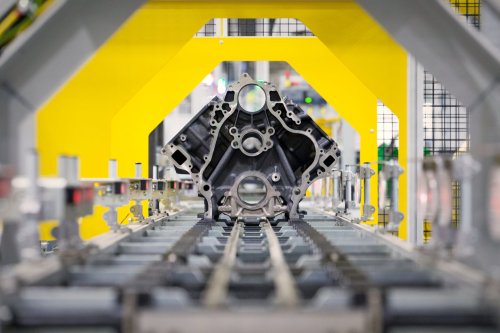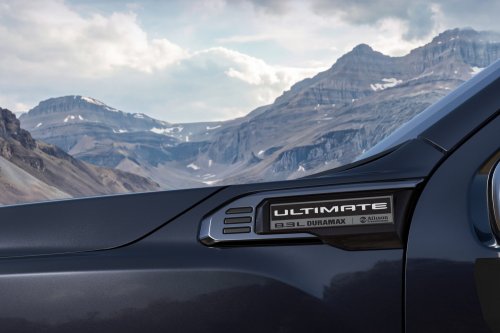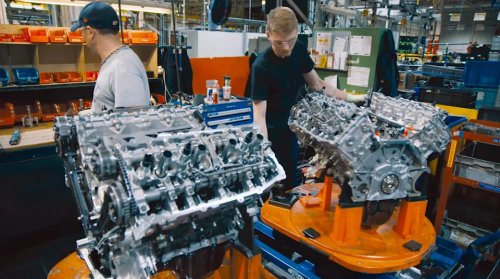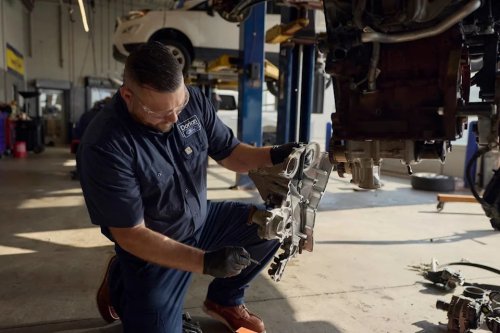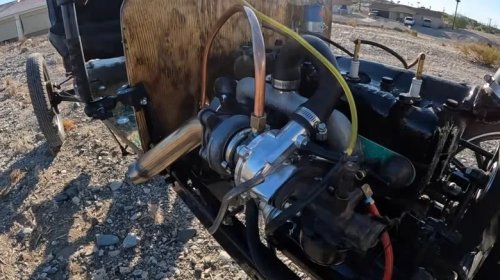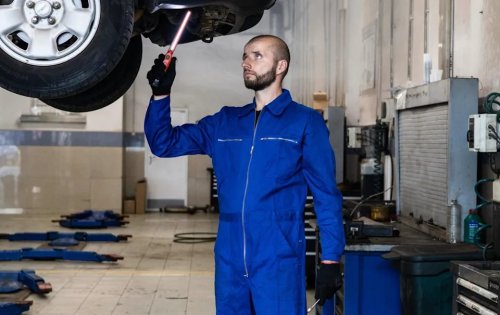
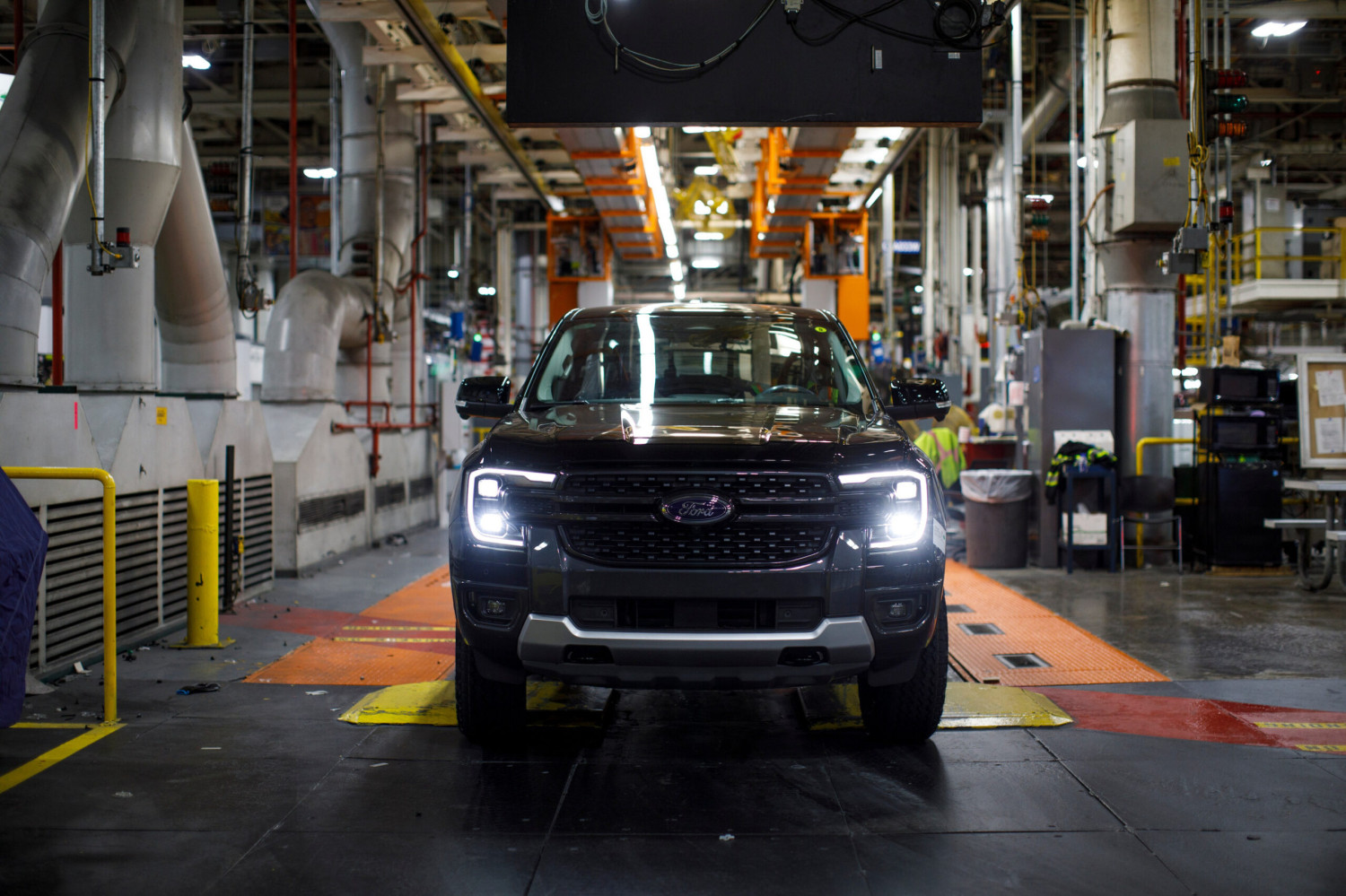



















Each day, Ford pulls an engine out of the production line and inspects it. Ford uses artificial intelligence to see if parts are outside of strict tolerances. The company says it’s already seeing a decline in warranty claim metrics. Ford says that a new process of disassembling and stripping down newly built engines at its factories is an important way to reduce recalls, and that it is already showing results. For a carmaker that’s struggled with recalls as much as Ford, it’s an important step in the right direction. Up until recently, Ford would pull an engine from the production line roughly every three months and then tear it down to identify any weaknesses or issues. Now, as part of Ford’s broad push to improve quality control, a single engine is removed from the production line each day, disassembled, and then inspected. This is happening at all Ford engine plants, including its Essex Engine Plant in Canada. Read: Ford Warns Nearly Half A Million Drivers To Stop Using Engine Block Heaters Mid-Winter Speaking with Road & Track, plant manager at the site, Neil Wilson, said Ford decided to institute the change after determining engines built at its plant in Valencia, Spain, were number one in quality. Workers at this plant tear down an engine each day, so Ford figured it was worth doing the same at its other sites. Wilson says that Ford uses artificial intelligence to predict which engines may have components that fall outside their strict tolerances, and that these engines are pulled from the line and inspected. If the AI tool detects a potentially dodgy engine, it will display yellow or red flags and inform teardown workers which part of the engine might have an issue. The Change Is Already Helping “We’re also using technology – which is predictive AI-based monitoring of specific measurement points of the line, key characteristics,” he said. “So we identify what we believe are the leading indicators of potential failures, and we have AI systems looking at abnormalities in normal process control.” Ford says it’s already seeing a decline in warranty claim metrics since enforcing this new policy. These metrics aim to extrapolate the warranty issues a vehicle may experience over its life, based on data from three months, one month, and zero months in service. As it stands, Ford is still recalling more cars than its competitors, but notes these are often for older generations of vehicles. Improvements in its quality control process will likely take several years to significantly reduce the number of recalls Ford makes.