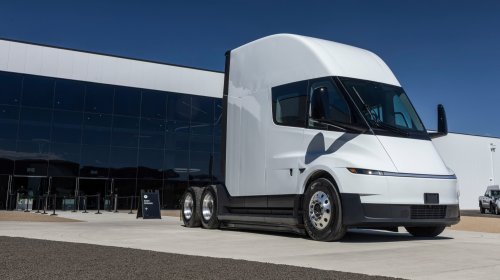
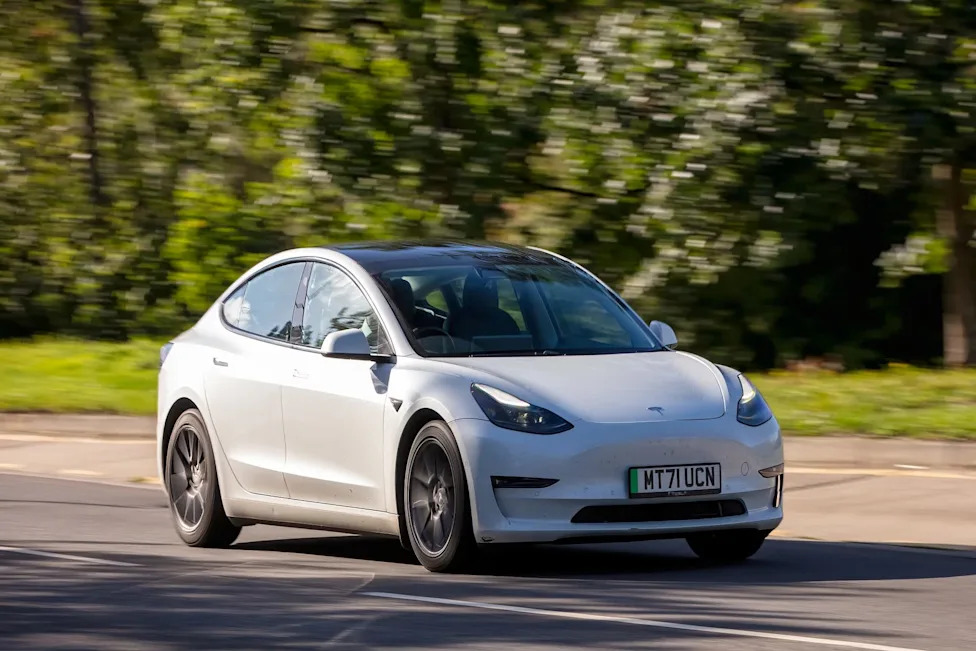
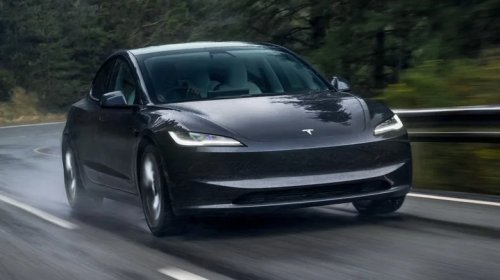
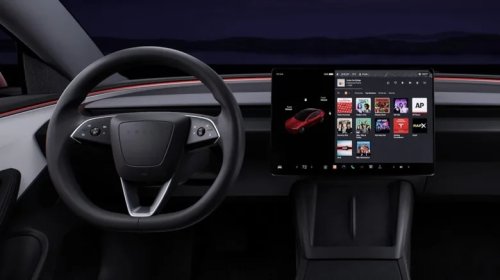
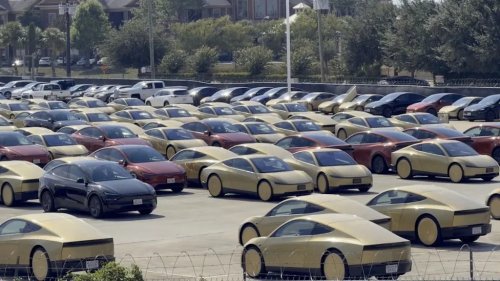
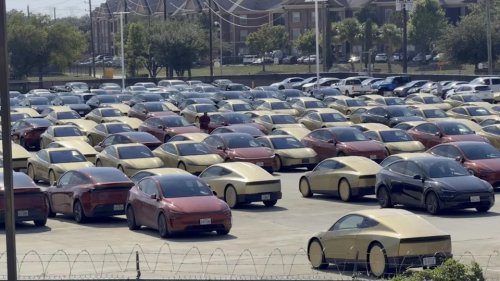
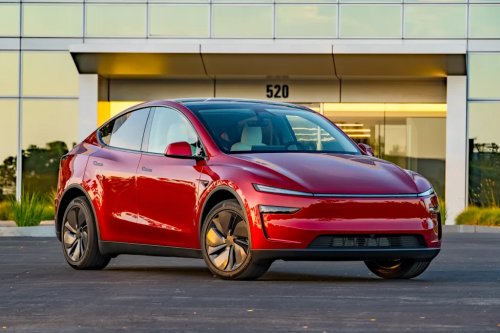
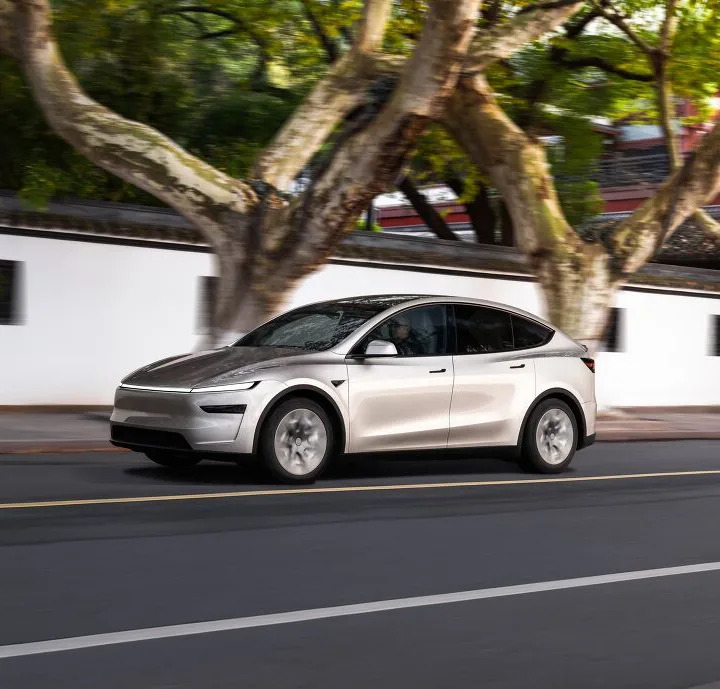
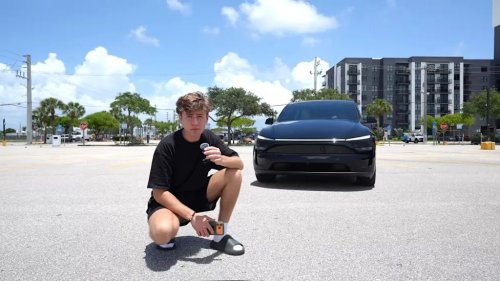
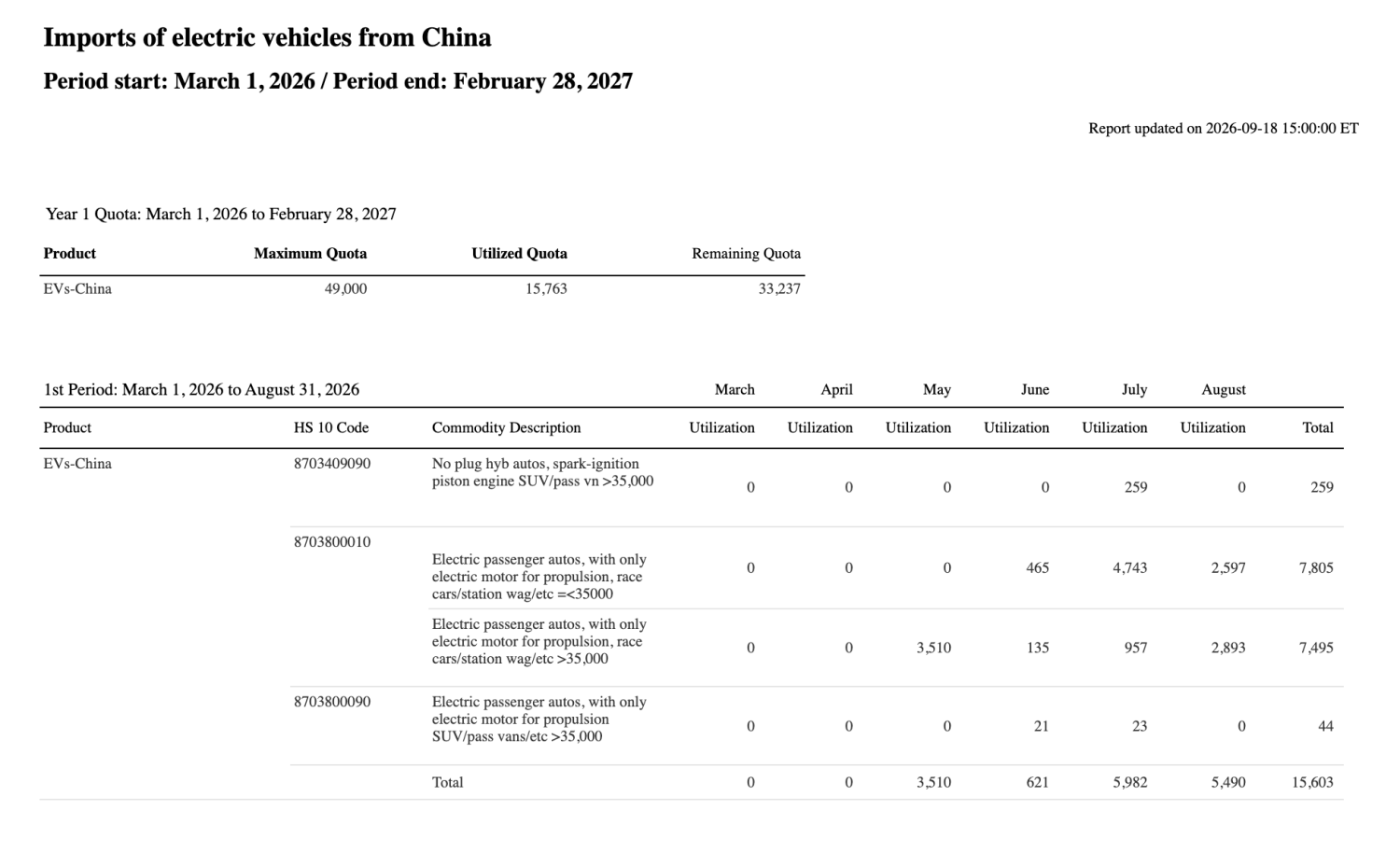
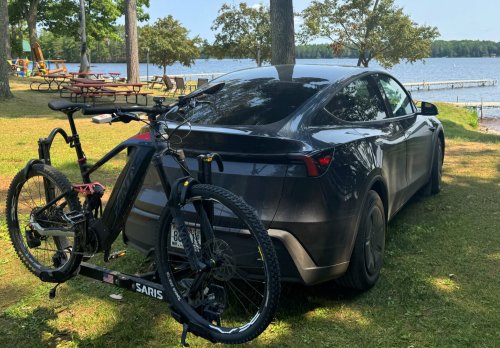
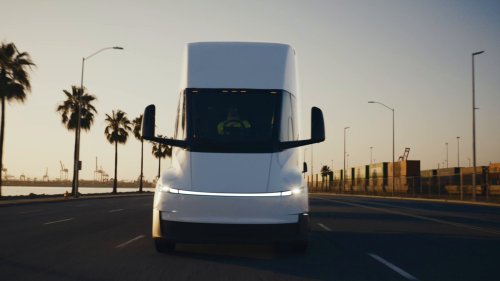
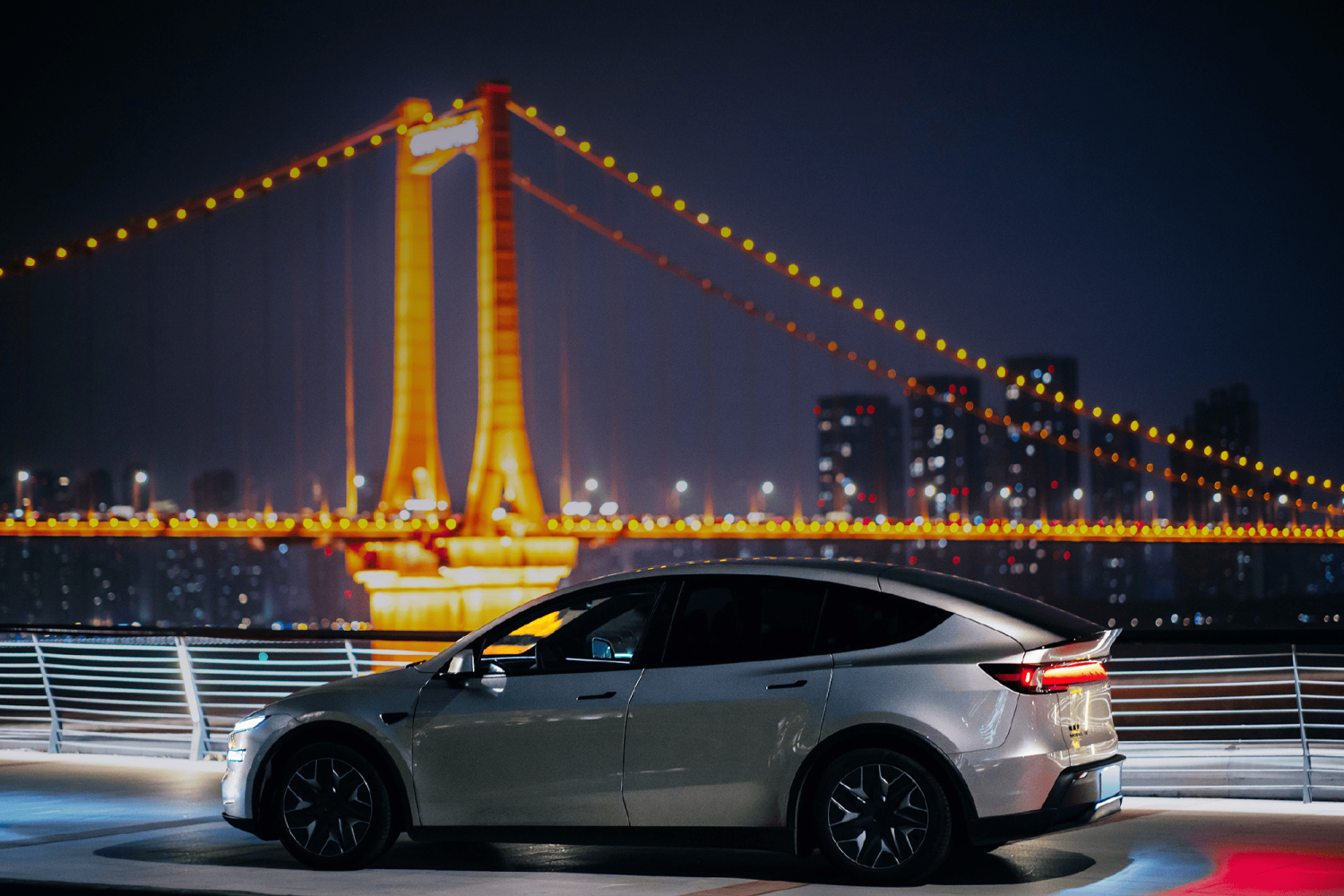
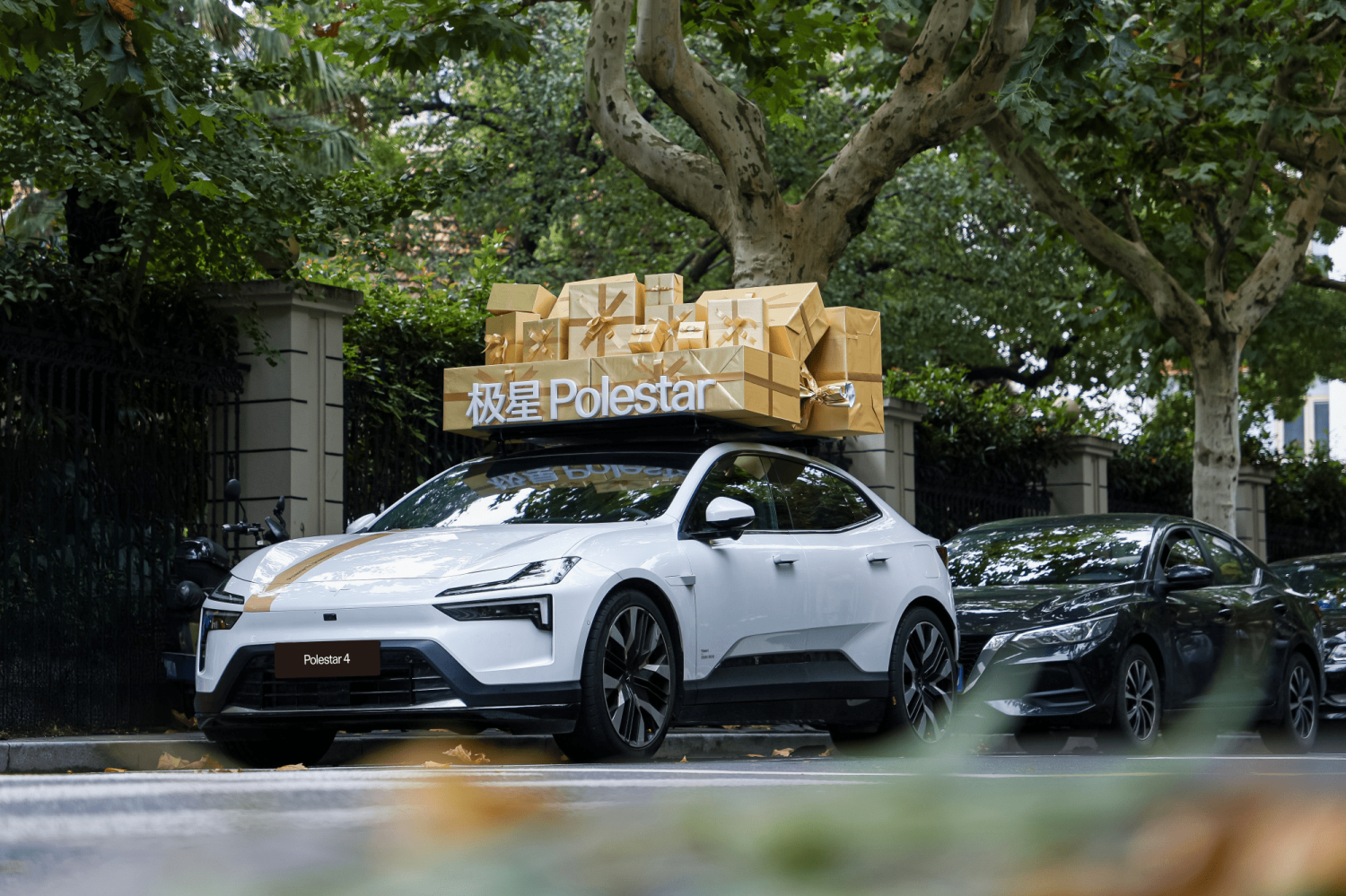
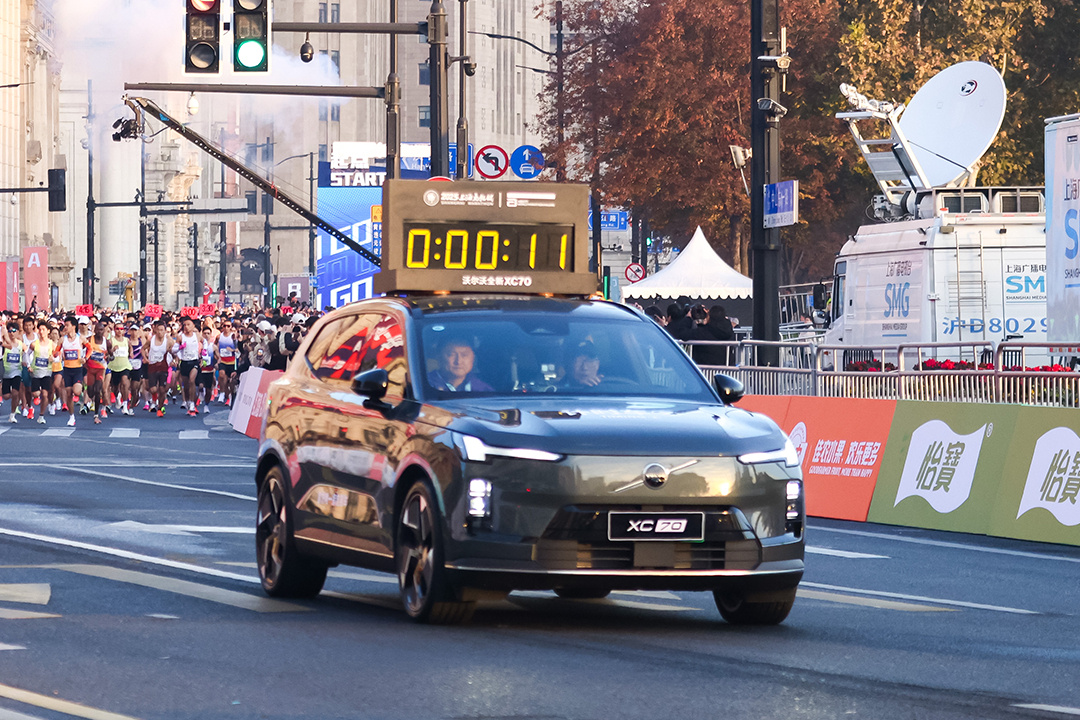
Tesla and brands controlled by Zhejiang Geely Holding Group Co. will likely be the first beneficiaries of Canada’s move to slash import tariffs on made-in-China electric vehicles. Last week, the Canadian government agreed to scrap the previous 100% tariff, replacing it with an annual quota system of 49,000 vehicles at a 6.1% tax rate. This figure represents less than 3% of Canada’s annual vehicle sales (approximately 1.8 million), but marks a fundamental shift in policy tone. Prime Minister Mark Carney emphasized that the 49,000-vehicle quota was set with reference to actual export levels in 2023 and 2024. The quota amount is set to increase proportionally year over year and is expected to rise to 70,000 vehicles within five years. Although the policy is open to all Chinese brands, analysts such as Joanna Chen from Bloomberg Intelligence point out that while the agreement aims to attract long-term investment from Chinese automakers, the initial beneficiaries will be those manufacturers already holding North American certifications. This includes Tesla, as well as Geely Holding’s Volvo Cars and Polestar. Model Y Export structure determines first-mover advantage. Data shows that as early as 2023, Tesla was a major force in Canada’s vehicle imports from China, with its Shanghai Gigafactory exporting over 44,000 cars to Canada that year. Although the 2024 tariff barriers forced Tesla to shift its supply sources to its Berlin and U.S. factories, its Shanghai plant was already prepared for the Canadian market, specifically producing Model Y variants tailored to Canadian specifications. Similar to Tesla, brands under Geely Holding Group, such as Volvo and Polestar, had previously also produced and exported electric vehicles from China to Canada. Polostar 4 Furthermore, Carney explicitly stated that over half of the imported vehicles in the next five years will be priced below C$35,000 (approximately 175,000 RMB), focusing on an affordable route. Tesla’s China-produced Model 3/Y versions happen to possess price competitiveness, and Volvo’s electric models also meet Canada’s high standards for safety and quality. Simultaneously, compared to Chinese domestic automakers who have yet to establish brand recognition in Canada, Tesla and Volvo possess mature sales networks, after-sales service systems, and a foundation of consumer trust, enabling them to quickly respond to market opportunities brought by the quota opening. XC 70 As part of the agreement, Transport Canada requires certification for new vehicle models from China to be completed within 8 weeks. With the streamlining of policy approval processes, more automakers will be able to enter the Canadian market more efficiently. Mark Carney stated that the agreement will be reviewed in the third year, at which point Sino-Canadian relations, U.S. policy, and the development of Canada’s domestic electric vehicle industry will all influence the policy’s direction.



















 +27 others