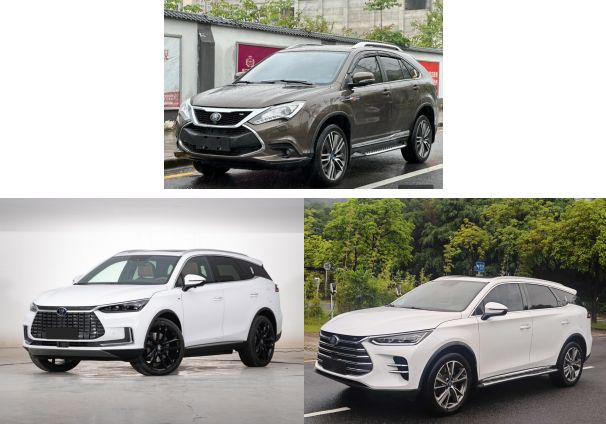
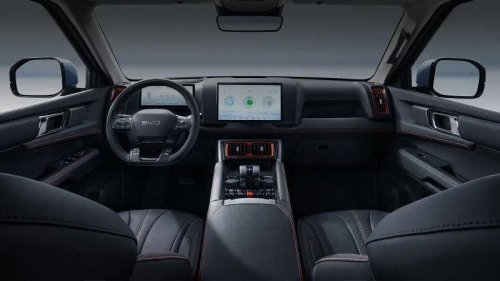
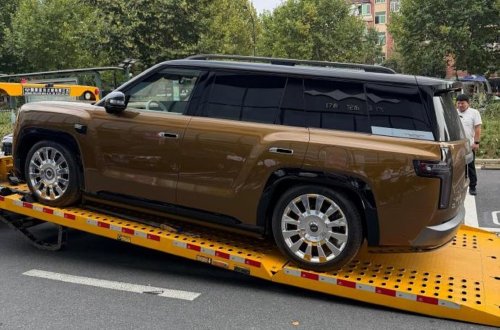
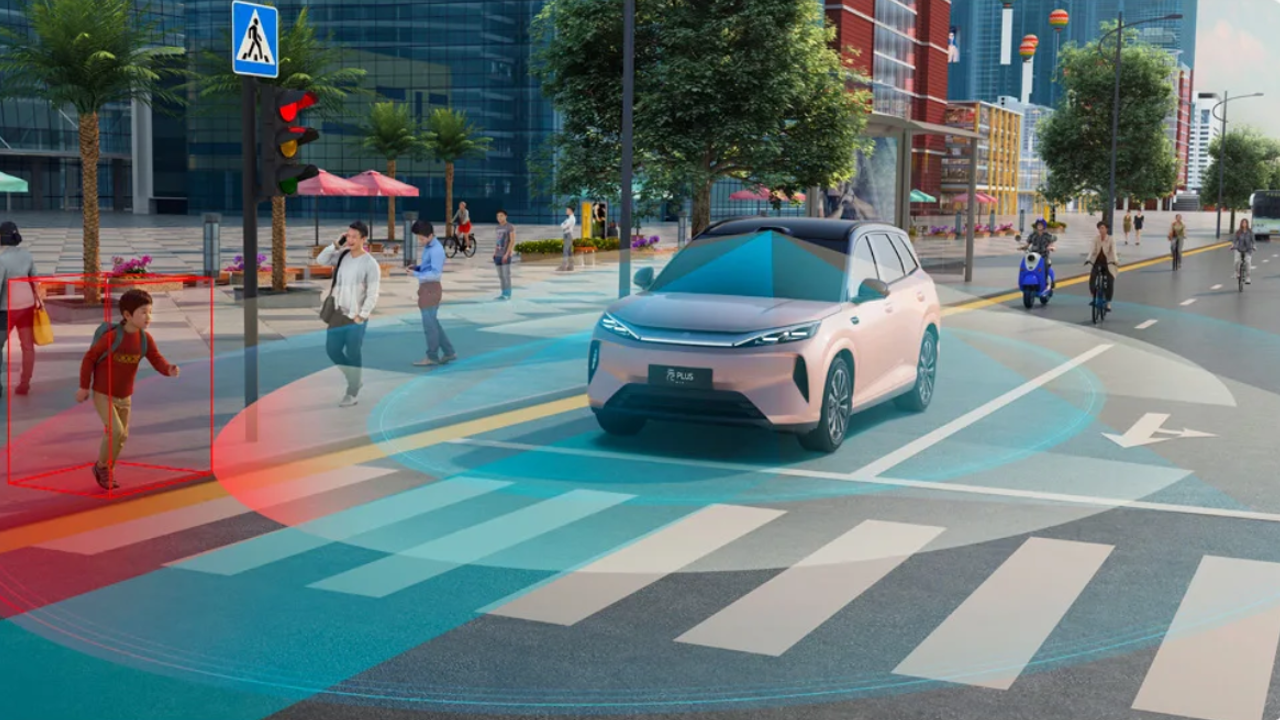
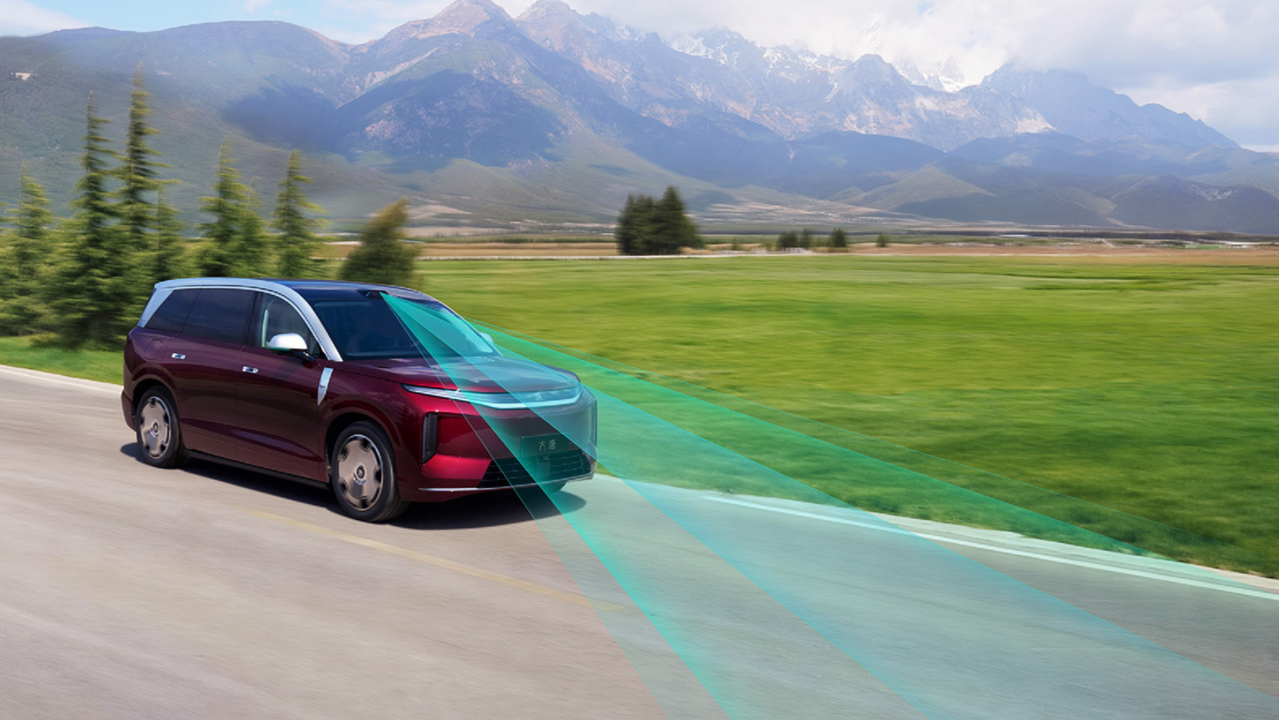
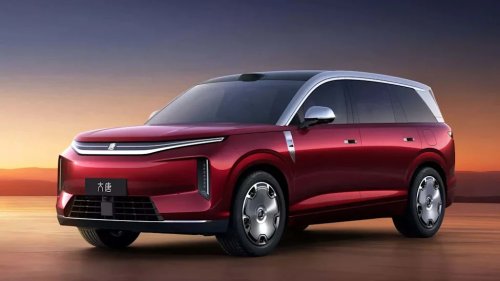
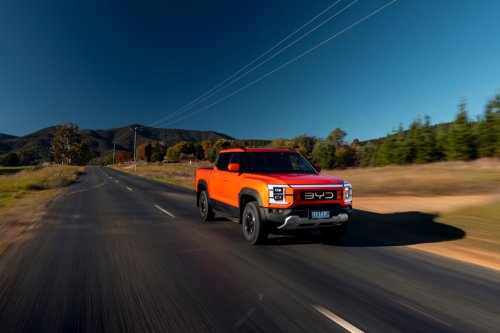
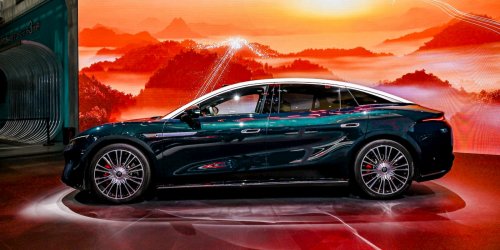
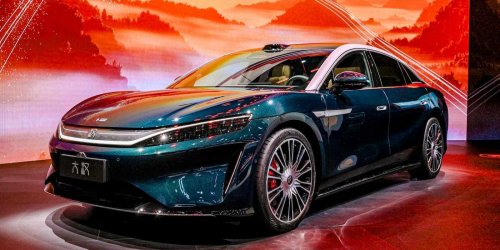
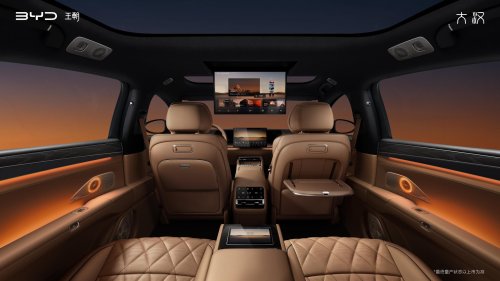
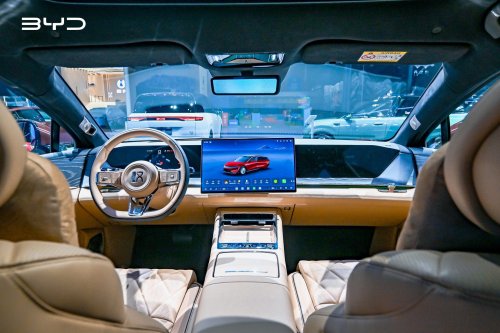
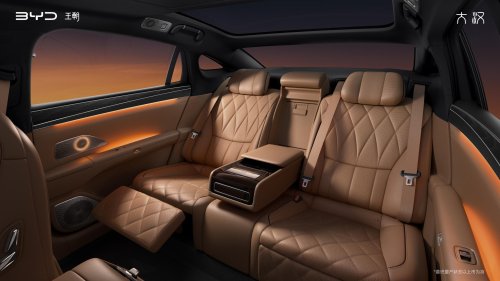
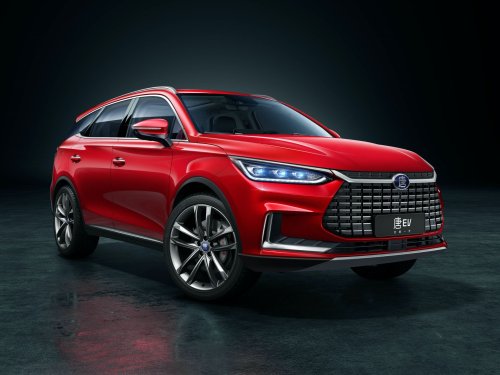
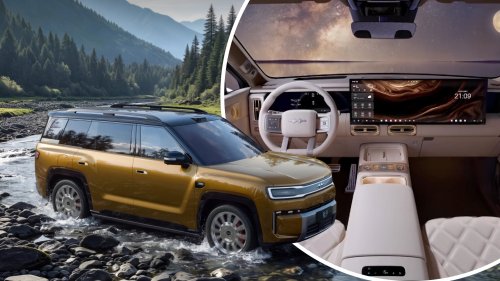
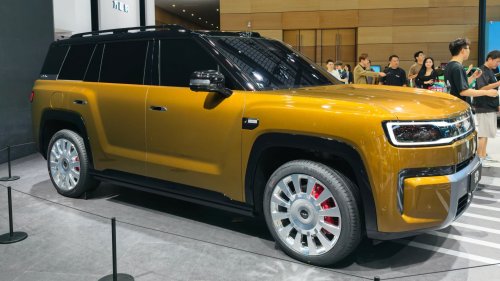
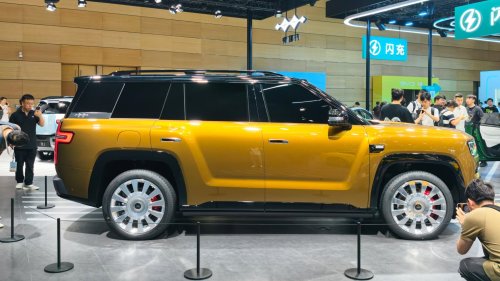
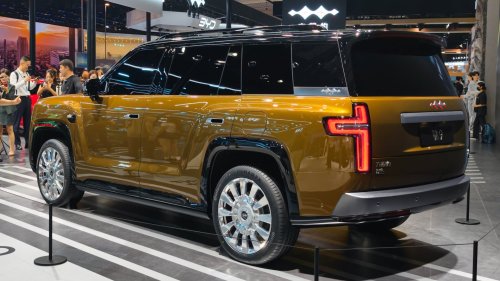
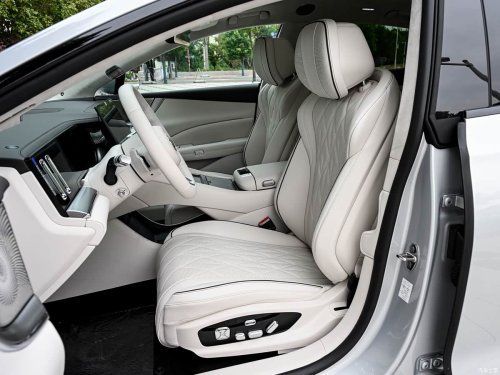
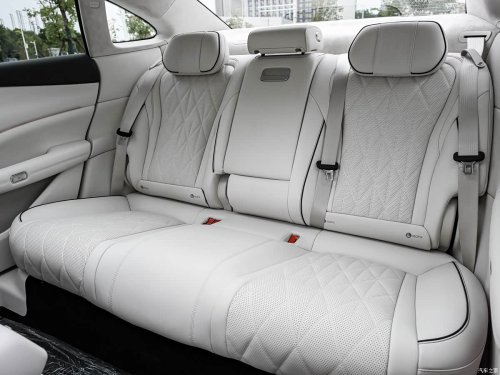
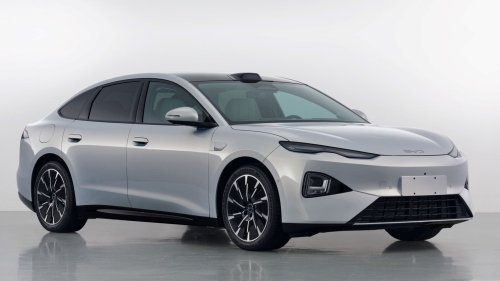
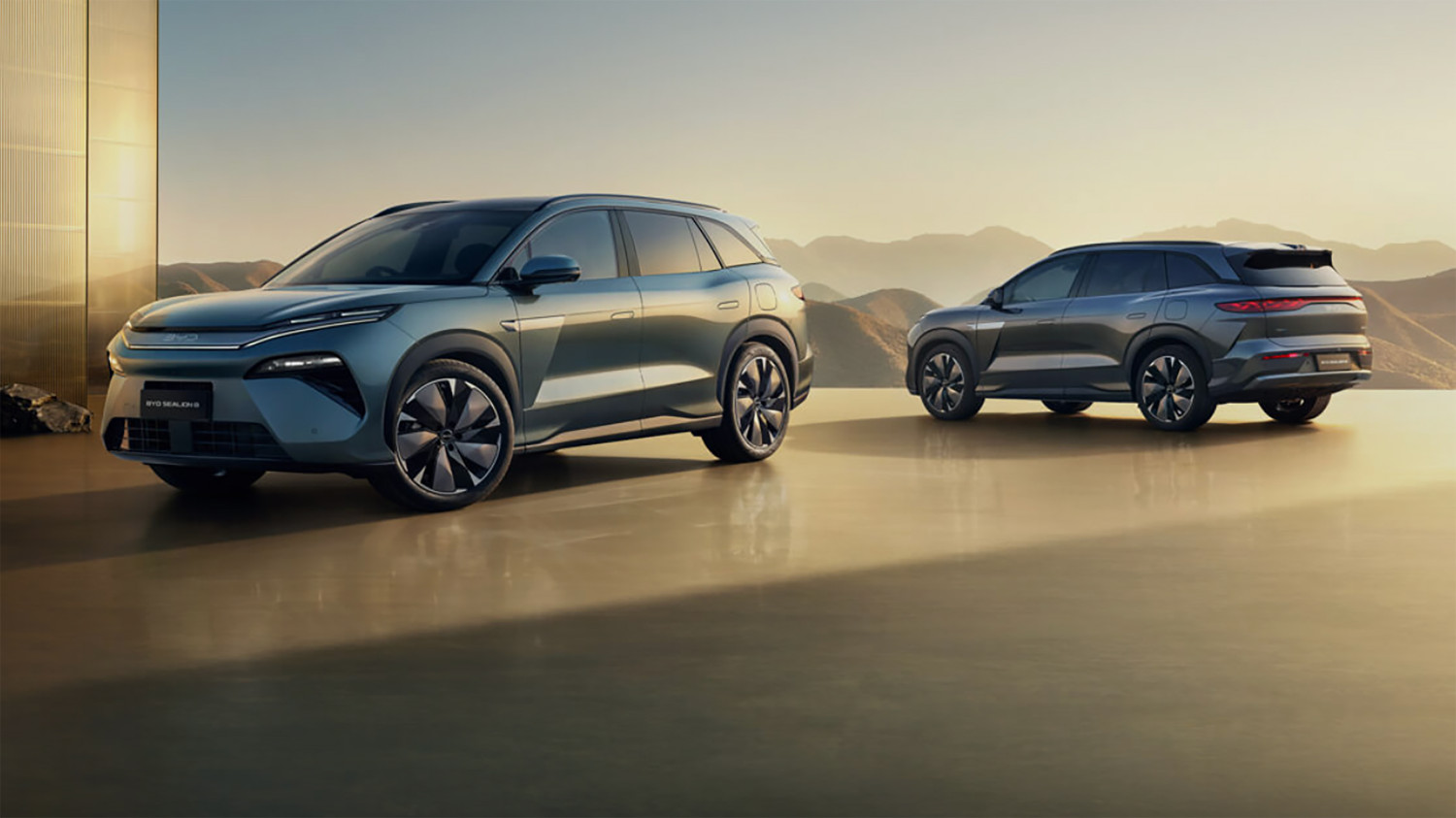
Last month, BYD announced full damage guarantee for “Urban NOA,” or city driving, on LiDAR equipped cars that have been delivered with their latest 5.0 software or have received the OTA update. This comes in addition to fully covering “intelligent parking” using the advanced ADAS system. BYD indicated that their “God’s Eye” self-parking usage increased from 21% to 93% after announcing a guarantee last year. In addition, the over 3 million BYD cars equipped with God’s Eye intelligent driving now have a 50.91% usage rate, meaning their cars are driving themselves more than people are driving them. However, much of that was highway driving and parking. With the city driving guarantee, BYD is changing that. In the days following the city driving guarantee announcement, city usage increased by 50%. In other words, cars equipped with LiDAR-based God’s Eye A and B are now primarily driving themselves in the city. Having experienced rush hour traffic in China, I can see the appeal. Traffic can move very slowly, but constant attention is needed to take advantage of openings and avoid the scooters and e-bikes swerving in and out of your blind spots. For a large vehicle like the upcoming Datang, I would likely prefer to have the car drive in dense traffic. Although many higher-end models now include the LiDAR-equipped capability standard, God’s Eye B is also being offered across the rest of BYD’s lineup as a 12,000 RMB ($1776 USD) option. As such, usage is expected to rise. With more usage comes more data to feed the system and improve performance. With improved performance, safety increases and usage would potentially increase even more. But the benefits do not stop at the self-driving system alone. BYD Datang. Image Credit BYD Taking Responsibility BYD’s urban driving guarantee assumes full liability for the accident. This makes it different than typical insurance coverage that pays for the loss. Having the driver still held responsible but only covering the cost can lead to increased insurance premiums. In the case of an accident, claims would go through BYD aftersales support, rather than an insurance company. However, BYD also offers their own insurance, which they underwrite. This is also significantly different than the insurance offered through some other automakers, which is underwritten by other insurance companies and rebadged with the automaker’s name on it. BYD’s balance sheet is on the line. By guaranteeing its ADAS system in the city, BYD takes on responsibility. However, they also have a layer of responsibility for the safety of the vehicles they insure, albeit not to the same level. In 2023, BYD acquired Yi’an Property Insurance, renamed it BYD Insurance, and secured approval for nationwide compulsory traffic insurance coverage in 2024. BYD Insurance reported 2.871 billion RMB in insurance revenue in 2025 with a net profit of 93.624 million RMB. Meanwhile, the average premium per vehicle dropped from roughly 4,900 RMB ($725) in the Q2 2024 to about 3,800 RMB ($562) by the end of 2025. Some of the cost control is due to BYD’s direct sales model, with 100% of premiums coming through direct channels, leveraging their dealer network, with no commissions, agents or brokerage fees. This means premium growth is also tied to sales growth. In addition, it avoids advertising and selling costs. While you may like your friendly agent and those funny insurance Superbowl commercials, you are paying a lot for them. In addition, the correlation between the introduction of God’s Eye and the reduction in premiums during the same period would indicate that the increased safety could be reducing insurance costs overall. With ongoing improvements to the system (currently in its 5th software generation) and increasing usage, it can be assumed that costs could be reduced further. In 2025, BYD’s 5.21% expense ratio was roughly 1/5th the industry average. Beyond the reduced overhead, BYD is building pricing and risk models from telemetry of millions of vehicles feeding data real time into its servers. This lets them provide insurance at lower cost to drivers, both increasing coverage and providing more data to increase effectiveness. As stated on the BYD Insurance website: “The company will empower insurance with technology, leveraging the shareholder’s expertise in the new energy vehicle industry, and utilizing technologies such as artificial intelligence, big data, cloud computing, and telematics to enhance vehicle owner travel safety and provide customers with high-quality, comprehensive risk protection services.” In 2025, BYD’s insurance revenue was up 112.56% with a net profit of 93.624 million RMB. As average premiums were down, the number of policies increased significantly. Meanwhile, their comprehensive loss ratio decreased from 233.92% to 97.28%, which indicates greater control over claim costs. Serious accidents when using God’s Eye, based on airbag deployment, were reduced to 1/6 of human driven vehicles, according to Yang Dongsheng, Senior Vice President of BYD Group and Dean of the Automotive New Technology Research Institute. Meanwhile, minor accidents during parking have been reduced to 1/15th, “surpassing human safety.” This is on a system introduced last year that already has over 3.15 million vehicles using it. Based on this data, BYD would want more people to use God’s Eye to reduce losses on the cars it insures. As such, the added cost of taking on full liability for city accidents while using their God’s Eye system may be largely offset by reduced claim costs on the cars they insure, due to the reduction in accidents. Based on their premium reductions, BYD does not seem to want to profiteer on insurance, but rather to use reduced insurance to sell more vehicles. As such, car buyers could potentially expect additional premium reductions and overall reduced cost of ownership. However, that only works if the intelligent driving system lives up to BYD’s claims. https://cleantechnica.com/wp-content/uploads/2026/06/Video-Project-21.mp4 Manufacturer Responsibility Improves Product Increased God’s Eye adoption from BYD taking liability for city driving will increase the data needed to improve BYDs intelligent driving systems on the way to L3/L4 operation. The success of that system will help BYD to sell more cars with advanced ADAS, with that potential scale improving the system further. Taking responsibility for vehicles using the system means corners are less likely to be cut. BYD would be less likely to have the system disengage shortly before an accident. The added responsibility ensures safety is a true priority, not just a marketing talking point. Beyond the coverage, due to the high level of vertical integration, BYD is already responsible for more of the system. That will increase with their new 4nm Xuanji A3 AI chip and sensors. Having one company take responsibility avoids the protracted legal battles that can occur between claimants, manufacturers and suppliers. See GM ignition systems for example. Not trying to squeeze a supplier into cutting corners also helps to ensure greater safety and quality within the company. It also means that any weak point in the system can be addressed more quickly and has greater motivation behind it. In addition, by covering liability for intelligent city driving and underwriting their own insurance policies, BYD is on the hook for repair costs. Beyond implementation of safety systems that avoid accidents, this also provides an incentive to design cars that are more easily repairable, ensure parts availability, and streamline repair processes. It removes the dynamic between manufacturer recommendations and insurance company repair shortcuts. As BYD operates its own repair facilities, it also prevents repair shops from inflating costs. Being tied to the manufacturer also leads to greater domain knowledge over its vehicles to ensure that repairs are done correctly and efficiently. The overall responsibility reflects a larger product focus at BYD. They are not trying to seek upcharges or subscriptions to activate systems on their car that could potentially save lives. If the hardware is included in the car, it is fully functional. Through regular OTA updates, the system works better than when customers bought it without additional payments. With the guarantee, they are removing anxiety associated with using their intelligent driving capabilities in complex traffic. With their insurance product, they do not seem to be seeking massive profits due to the significant reduction in average premiums. But those lower premiums provide their customers with a better experience using their products. By disrupting the business models of companies focused on trying to monetize services and subscriptions, BYD is shifting the focus back to product. As a company with over 120,000 R&D engineers, by far the most in the industry, keeping the focus on product plays to BYD’s advantages. Building cars that are safer, easier to repair and have lower cost of ownership due to reduced insurance premiums becomes compelling to many buyers. It may not have the flash of sports cars, but that kind of value proposition helps companies build long-term customer loyalty. By taking responsibility, BYD is assuming a layer of risk to their business, but managing that risk also leads to better, safer vehicles. Even if BYD is not able to or allowed to offer similar coverage in other markets, market that import their vehicles can still benefit from the product advancements in China that were motivated by BYD taking responsibility.




















 +63 others
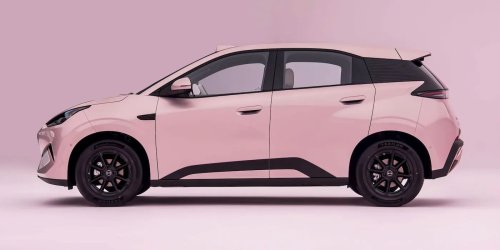
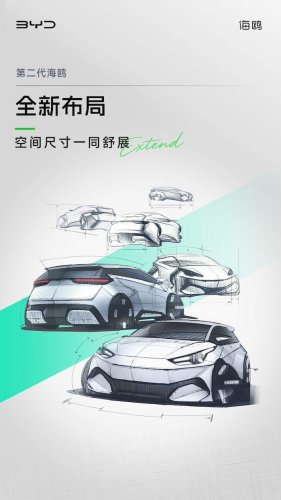


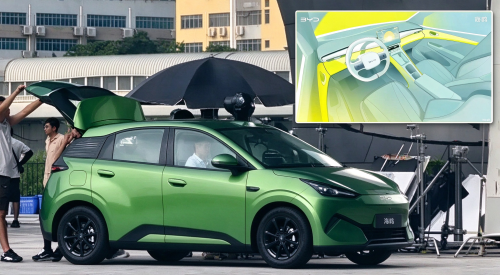
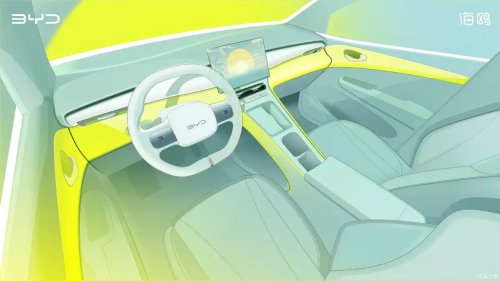
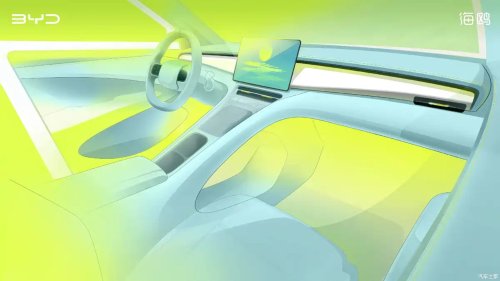
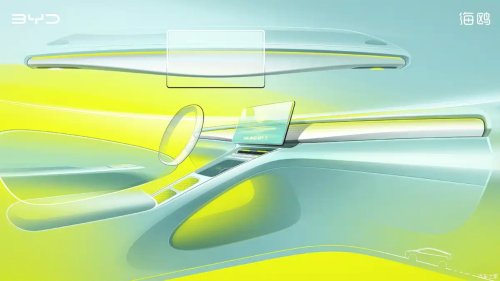
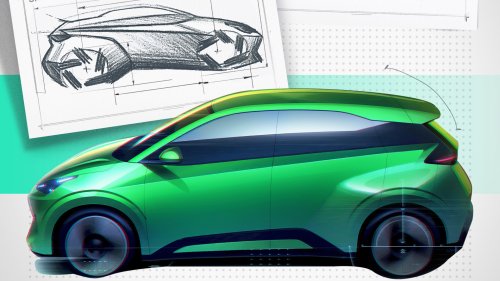
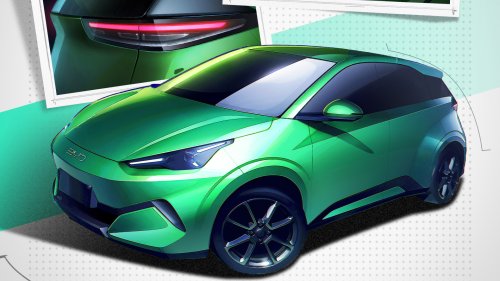
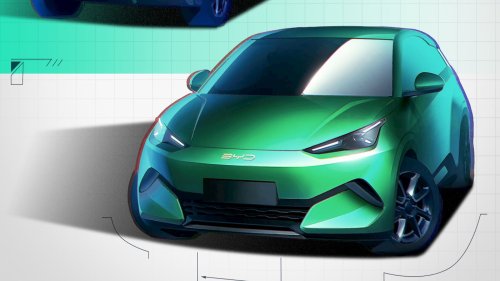
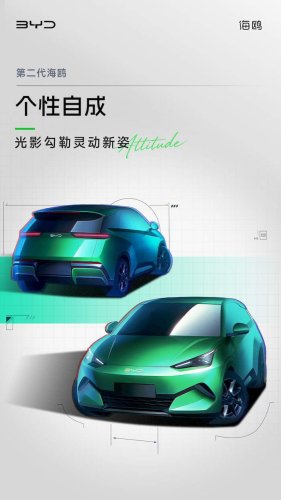

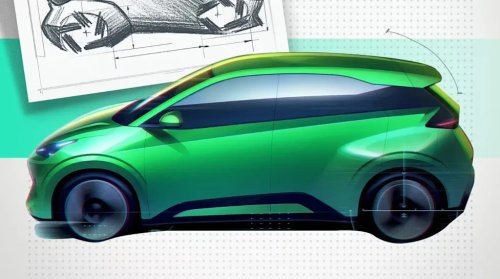
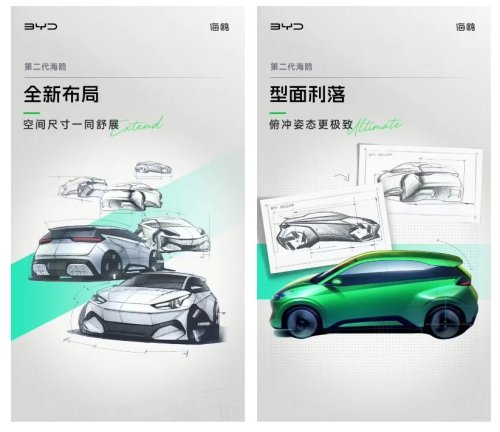
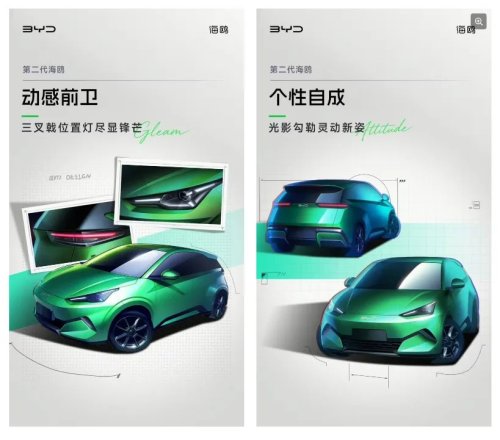
![BYD, BYD Seagull, BYD offers a closer look at the new Seagull EV [Images]](https://cdn.topcarnews.net/thumb/id/aHR0cHM6Ly9pMC53cC5jb20vZWxlY3Ry-ZWsuY28vd3AtY29udGVudC91cGxvYWRz-L3NpdGVzLzMvMjAyNi8wOS9CWUQtbmV3-LVNlYWd1bGwtRVYtdXBkYXRlLmpwZWc_-dz0xNTAwJmFtcDtxdWFsaXR5PTgyJmFt-cDtzdHJpcD1hbGwmYW1wO3NzbD0x/9c0b758dc4a218f611566b2a03c52e8a.jpeg?t=20261005&post_id=64651)
![BYD, BYD Seagull, BYD offers a closer look at the new Seagull EV [Images]](https://cdn.topcarnews.net/thumb/id/aHR0cHM6Ly9lbGVjdHJlay5jby93cC1j-b250ZW50L3VwbG9hZHMvc2l0ZXMvMy8y-MDI2LzA5L0JZRC1uZXctU2VhZ3VsbC1F-Vi0xLmpwZWc_c3RyaXA9aW5mbyZhbXA7-dz03MDA/9f44752c6c4b6208b3a29d7e2ceaf455.jpeg?t=20261005&post_id=64651)
![BYD, BYD Seagull, BYD offers a closer look at the new Seagull EV [Images]](https://cdn.topcarnews.net/thumb/id/aHR0cHM6Ly9lbGVjdHJlay5jby93cC1j-b250ZW50L3VwbG9hZHMvc2l0ZXMvMy8y-MDI2LzA5L0JZRC1uZXctU2VhZ3VsbC1F-Vi0zLmpwZWc_c3RyaXA9aW5mbyZhbXA7-dz03MDA/53e754be2aacba076b7b389ef9413f41.jpeg?t=20261005&post_id=64651)
![BYD, BYD Seagull, BYD offers a closer look at the new Seagull EV [Images]](https://cdn.topcarnews.net/thumb/id/aHR0cHM6Ly9lbGVjdHJlay5jby93cC1j-b250ZW50L3VwbG9hZHMvc2l0ZXMvMy8y-MDI2LzA5L0JZRC1uZXctU2VhZ3VsbC1F-Vi5qcGVnP3N0cmlwPWluZm8mYW1wO3c9-NzAw/3b0cb7f441d090c464769d93120d8543.jpeg?t=20261005&post_id=64651)
![BYD, BYD Seagull, BYD offers a closer look at the new Seagull EV [Images]](https://cdn.topcarnews.net/thumb/id/aHR0cHM6Ly9lbGVjdHJlay5jby93cC1j-b250ZW50L3VwbG9hZHMvc2l0ZXMvMy8y-MDI2LzA5L0JZRC1uZXctU2VhZ3VsbC1F-Vi0yLmpwZWc_c3RyaXA9aW5mbyZhbXA7-dz03MDA/ea2b4ebf38c4e9bf732d179d639b1562.jpeg?t=20261005&post_id=64651)
![BYD, BYD Seagull, BYD offers a closer look at the new Seagull EV [Images]](https://cdn.topcarnews.net/thumb/id/aHR0cHM6Ly9lbGVjdHJlay5jby93cC1j-b250ZW50L3VwbG9hZHMvc2l0ZXMvMy8y-MDI2LzA3L0JZRC1TZWFndWxsLUVWLXVw-ZGF0ZS0zLmpwZWc_c3RyaXA9aW5mbyZh-bXA7dz0xNDAw/02a0f7b5011767092a1ea11a79495fc7.jpeg?t=20261005&post_id=64651)