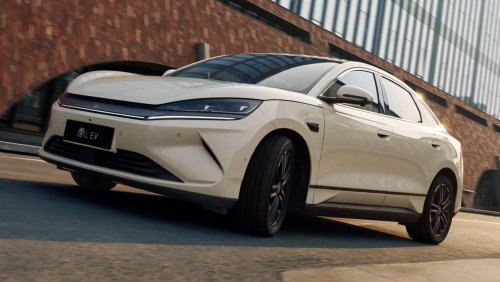
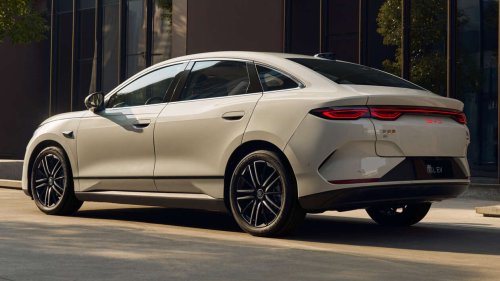
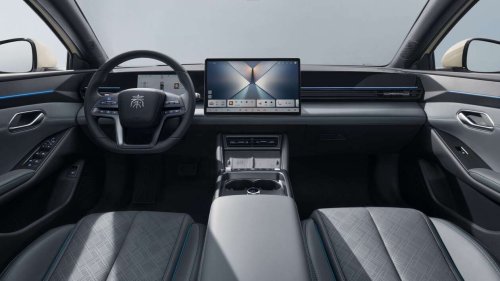
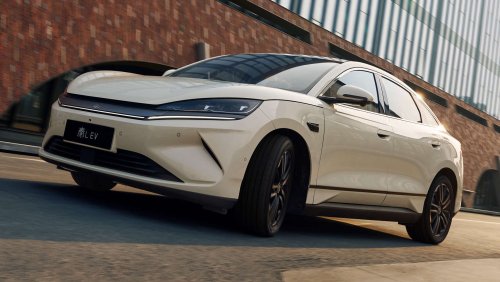
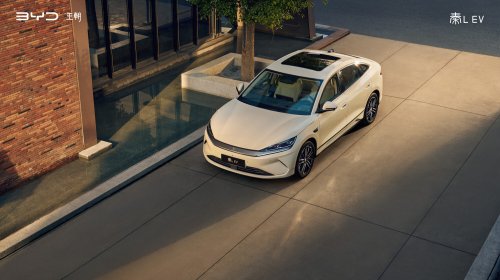
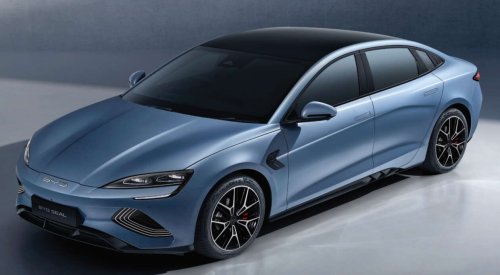
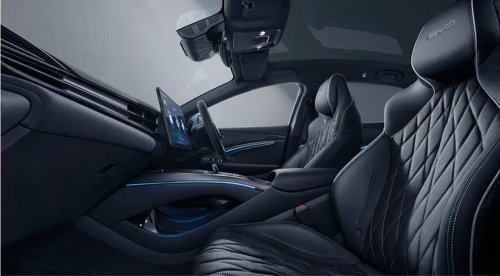
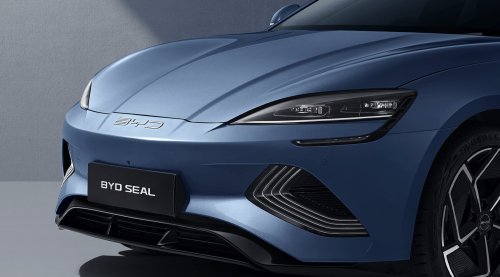
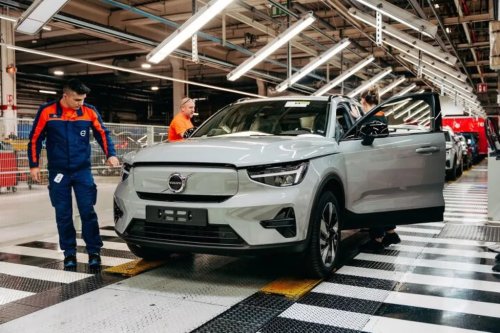
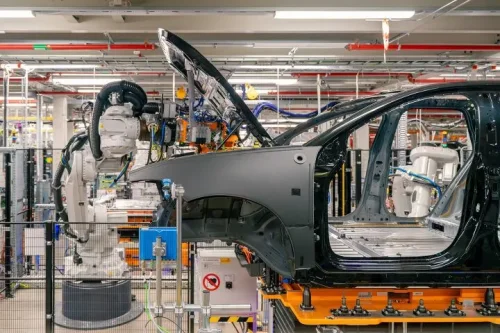
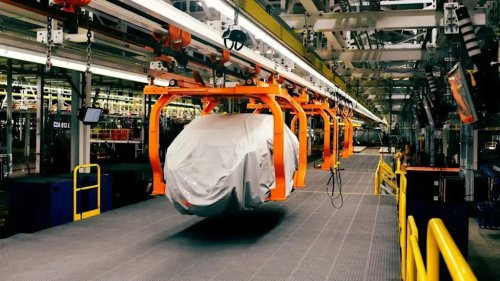
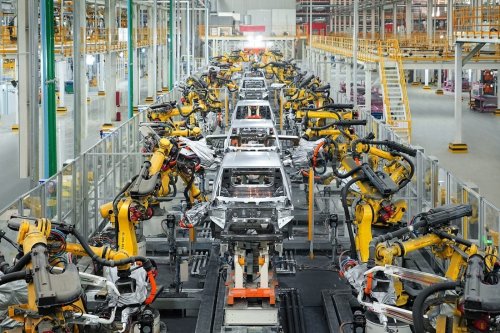
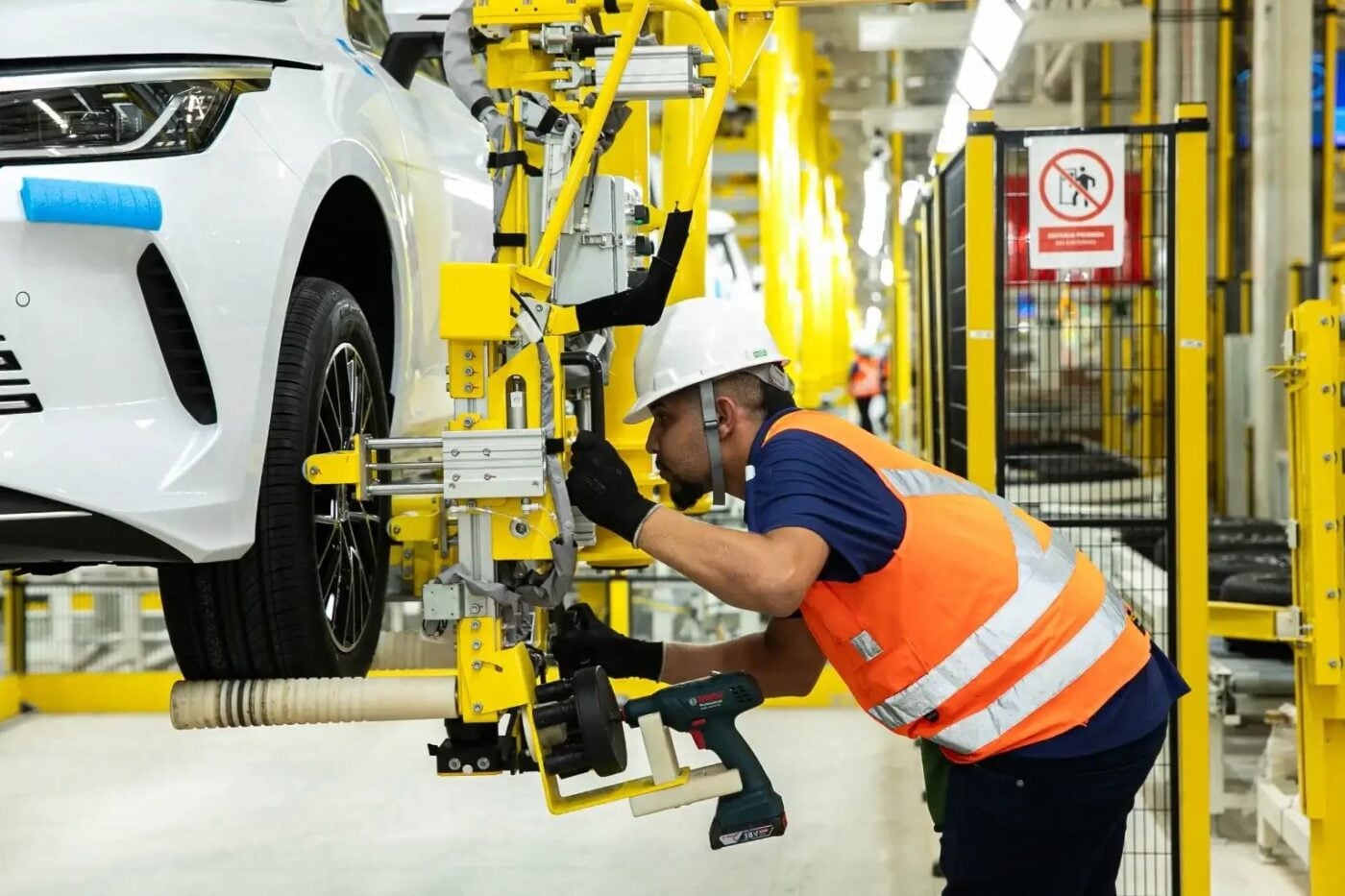
Final assembly at the BYD plant in CamaçariImage: BYDIt has long been known that Brazil plans to end the preferential import duties for CKD and SKD assembly kits. From 1 January 2027, the duty rate will rise to 35 per cent, matching the rate for fully assembled EVs. The goal of Brazil’s trade body, Gecex-Camex, is to incentivise foreign manufacturers to establish full assembly operations in the country, thereby creating jobs and strengthening local suppliers.Gecex-Camex has now announced a transitional arrangement for the second half of 2026. From 1 July 2026, EV assembly kits for both the SKD (Semi Knocked Down) and CKD (Completely Knocked Down) processes may be imported duty-free, up to a total goods value of €463m USD.However, the existing regulation still applies: if the duty-exempt volume is exceeded, the duty rate for SKD kits – already set at 35 per cent since 1 January 2026 – will remain in place. For CKD kits, a duty rate of 14 per cent applies. As previously stated, this rate will also rise to 35 per cent from 1 January 2027, aligning it with the rates for fully assembled EVs and SKD kits.The Chinese automotive group BYD is expected to be the biggest beneficiary of this transitional arrangement. Since July 2025, it has operated a vehicle plant at the former Ford industrial site in Camaçari. To date, the facility has used both CKD and SKD processes. BYD has already announced plans to transition to more complex manufacturing stages in the second half of 2026, including welding, painting, stamping, and battery assembly. This shift will reduce BYD’s dependence on imports, boost local value creation, and create new jobs. Currently, BYD states the plant’s annual capacity as 150,000 vehicles, with plans to double this to 300,000 units in the next expansion phase.General Motors is also currently relying on SKD assembly in Brazil. The recently launched local production of the Chevrolet Captiva EV at GM’s plant in Ceará uses this method. The pre-assembled kits are not sourced from GM’s home market, the USA, but from China. The Chevrolet Captiva EV is based on the Chinese Wuling Starlight S and shares key technical components with it.gov.br (Portuguese), mobilityportal.eu


















 +66 others