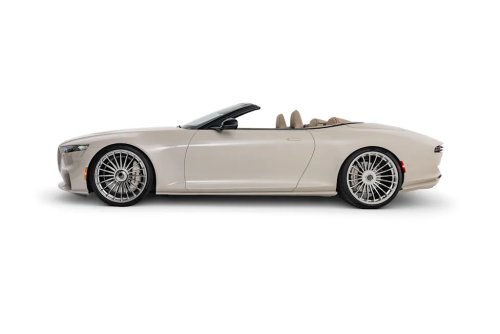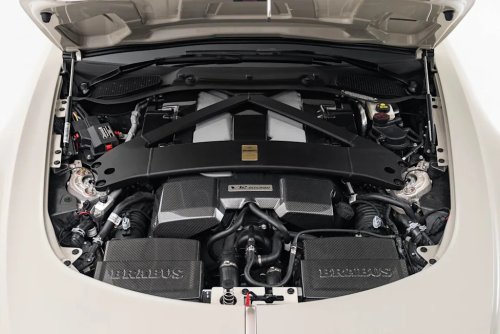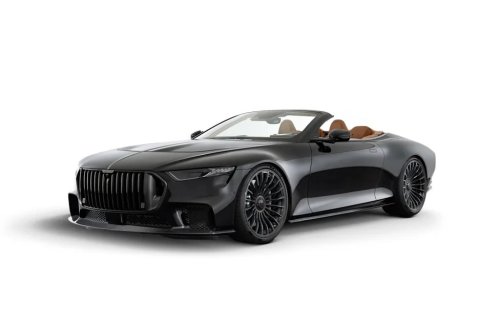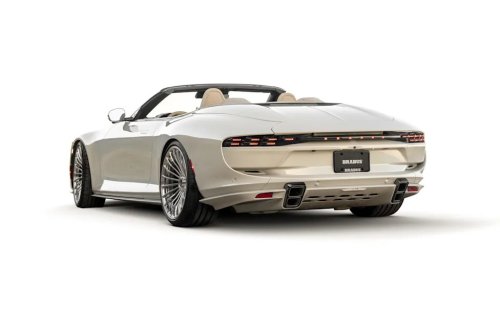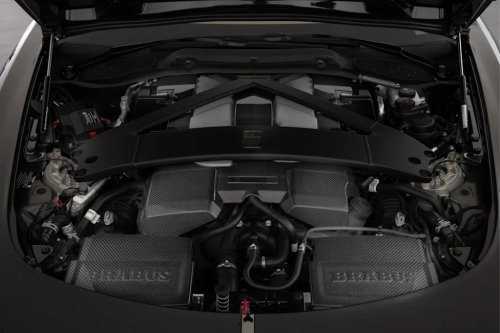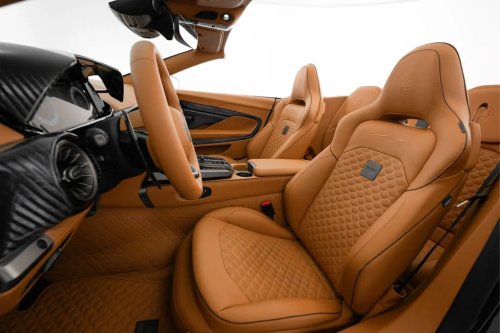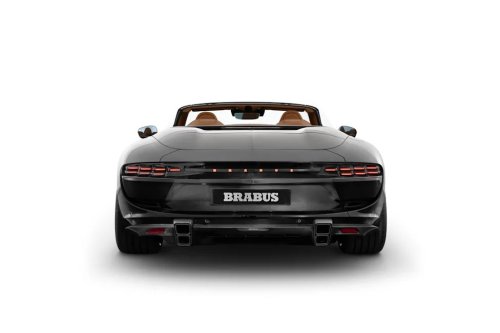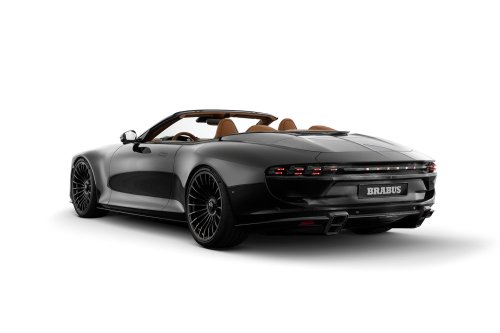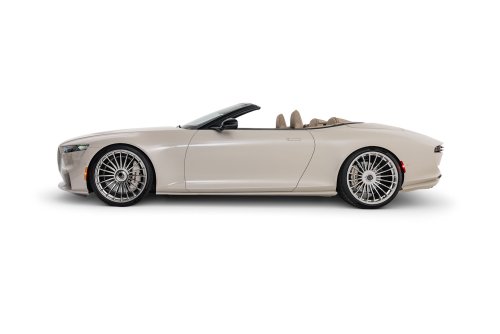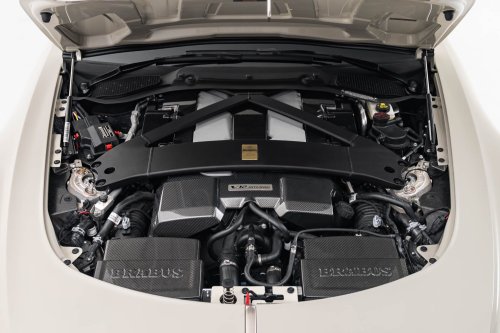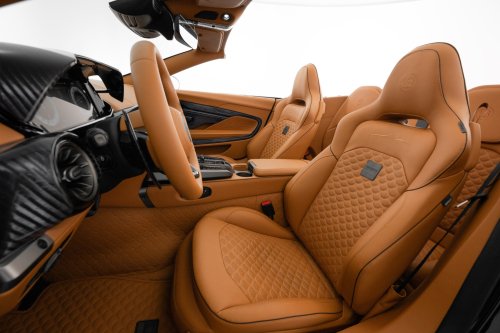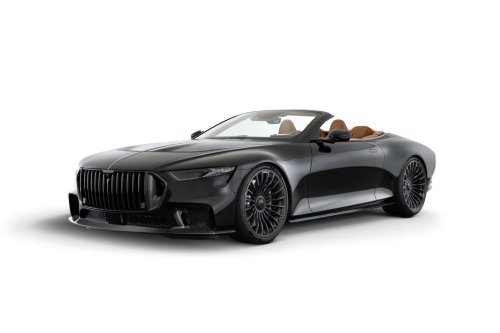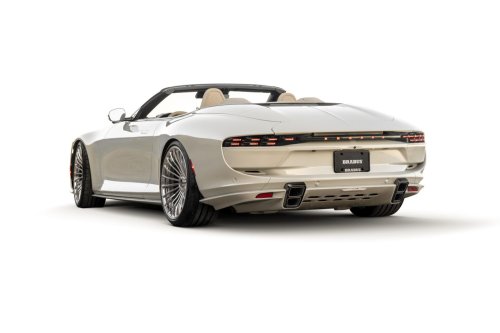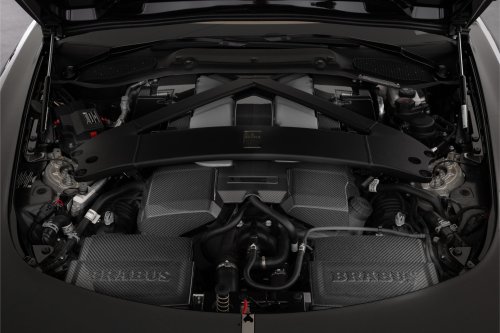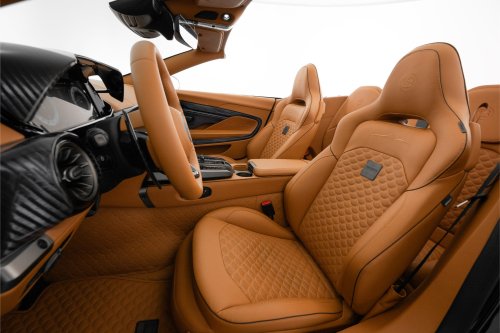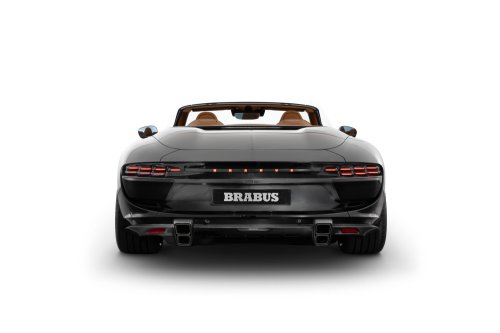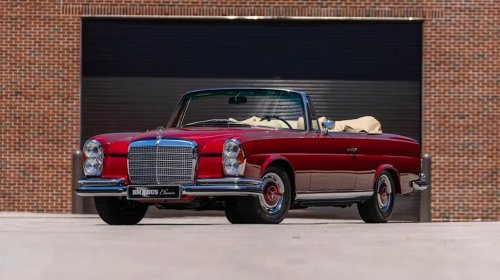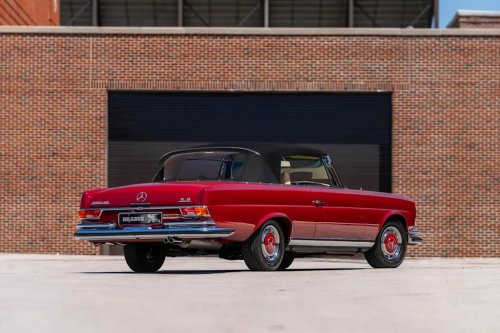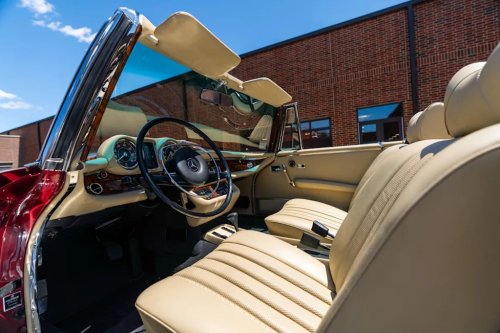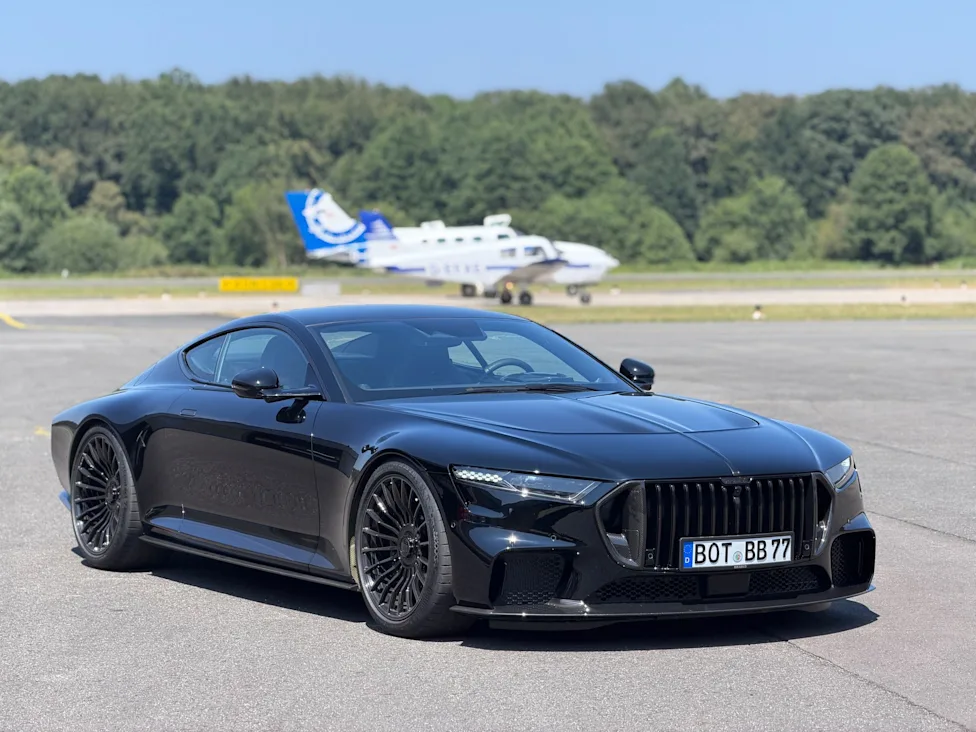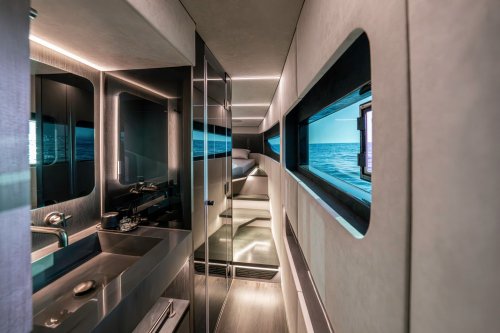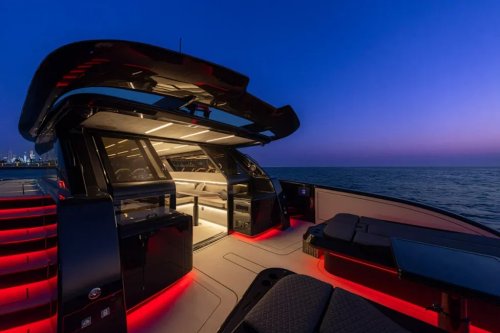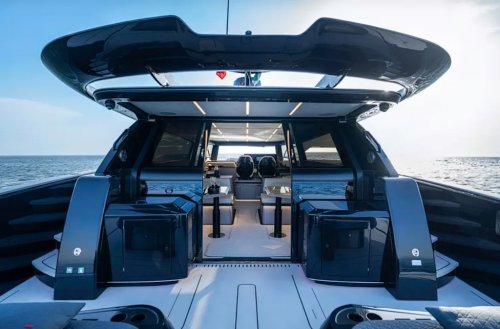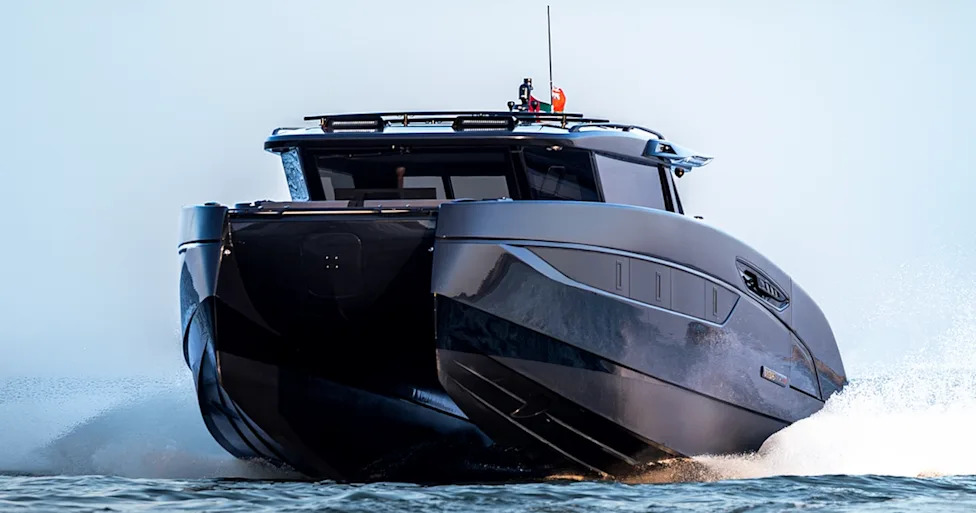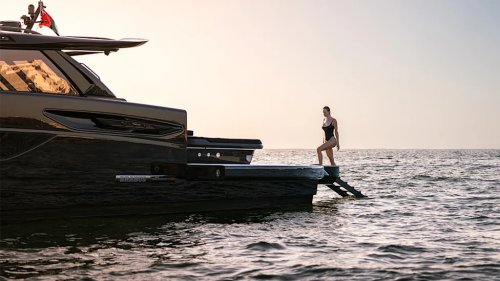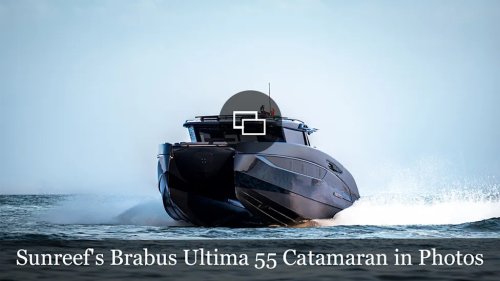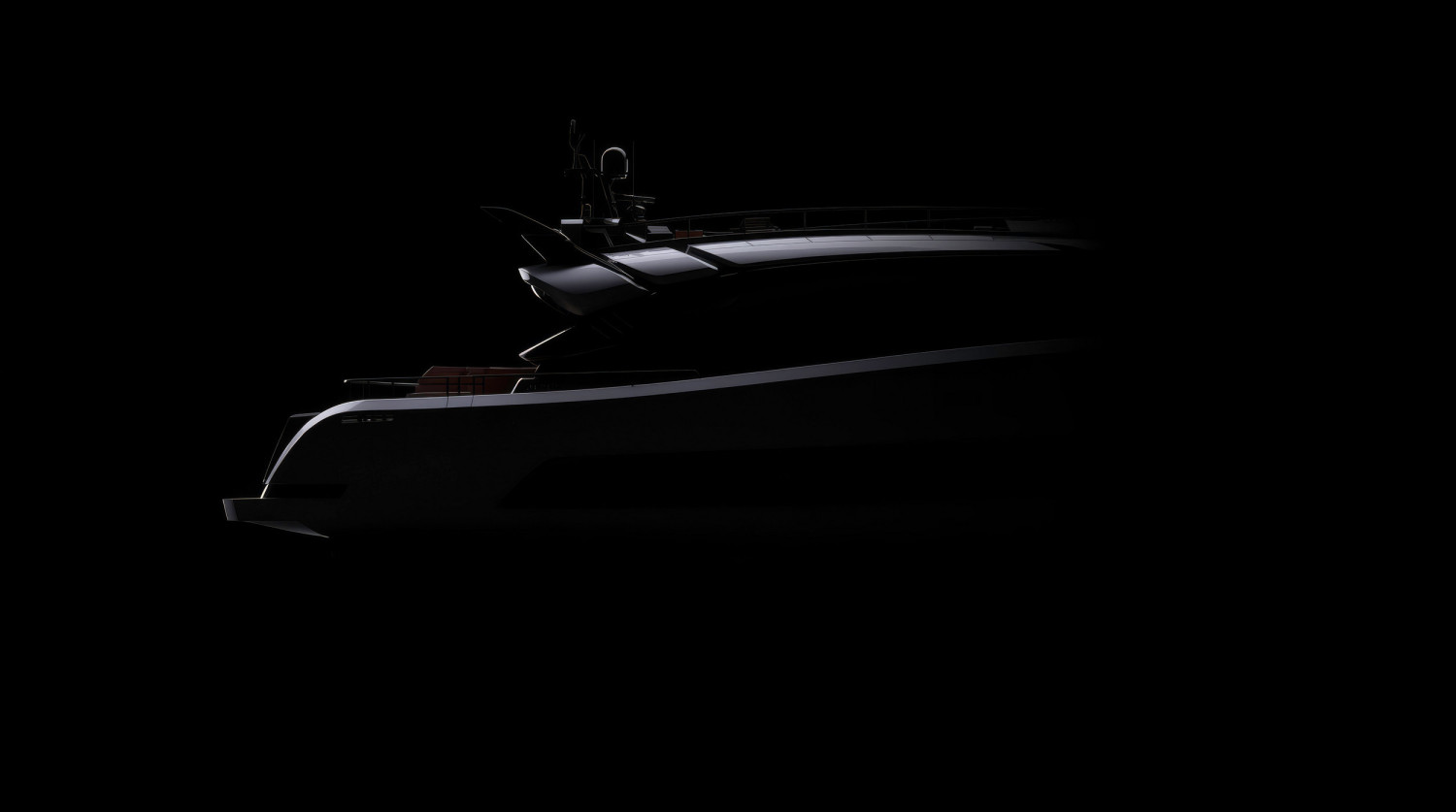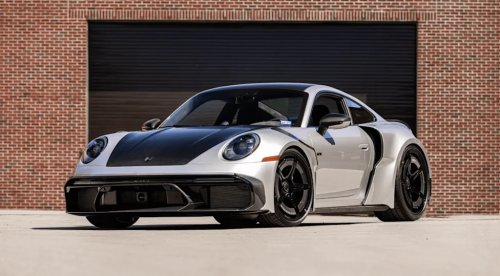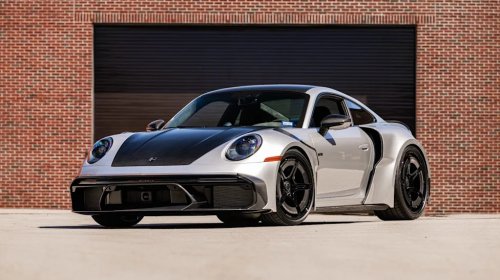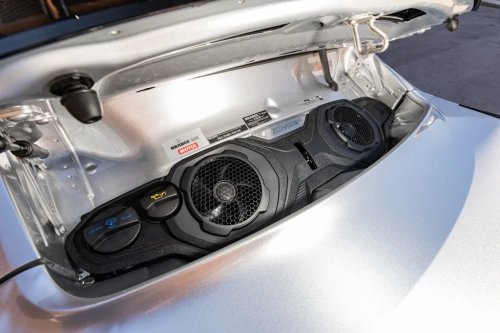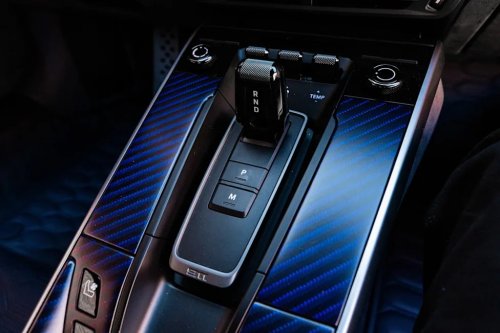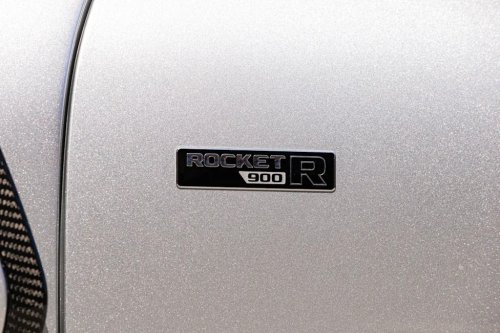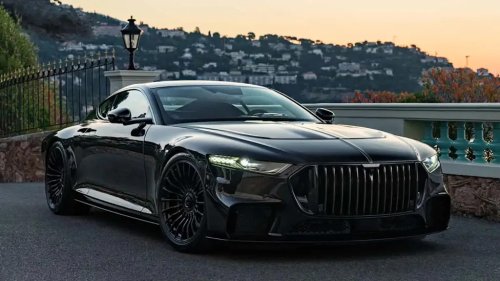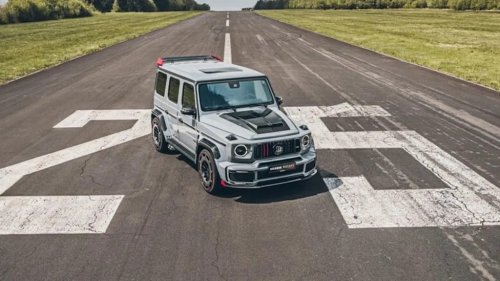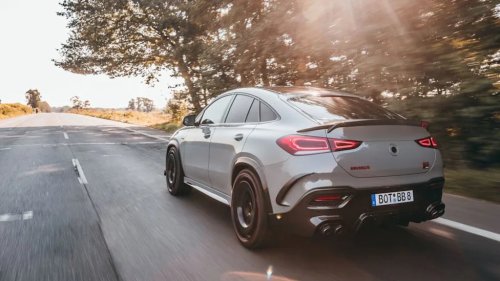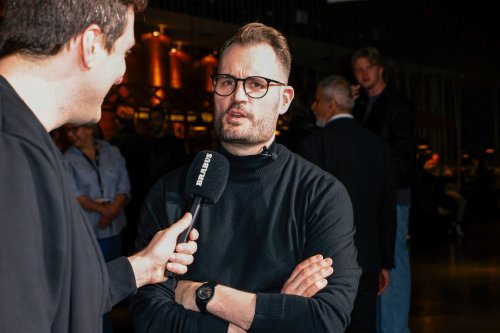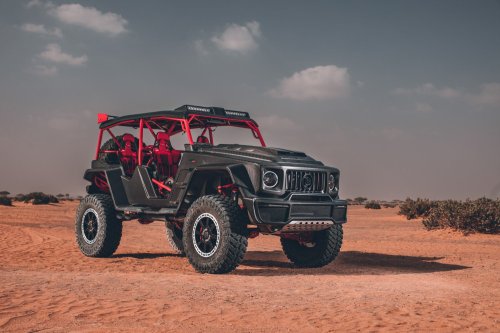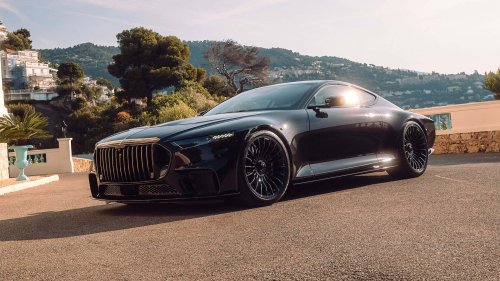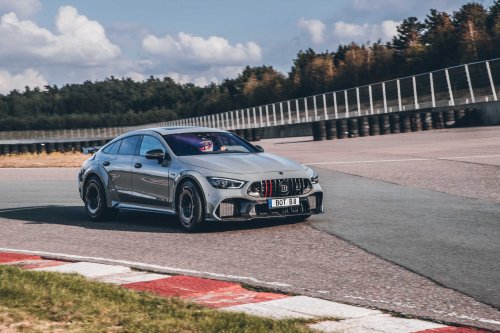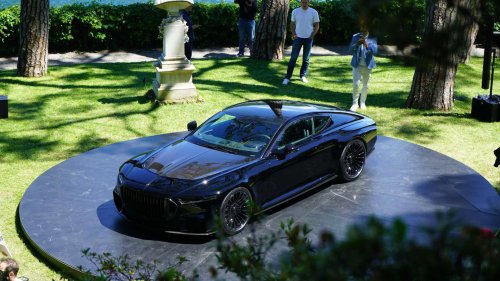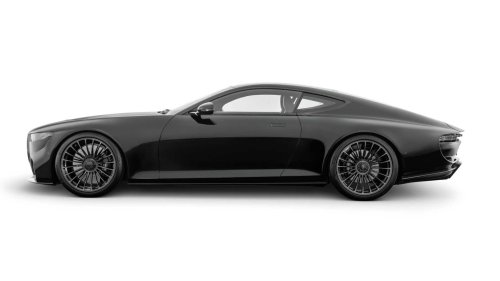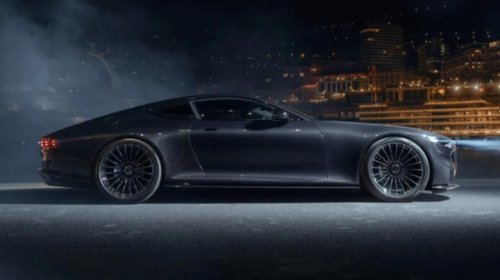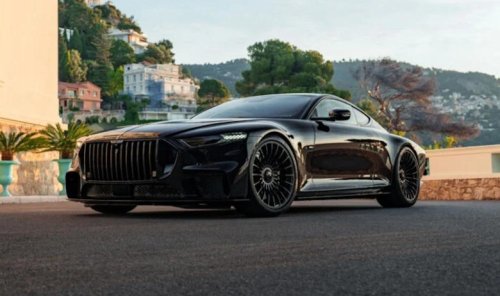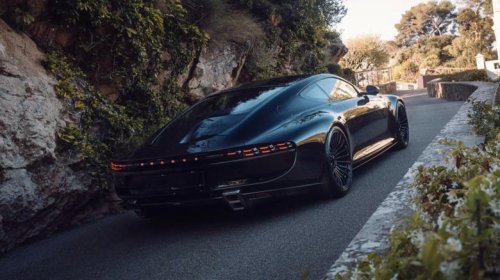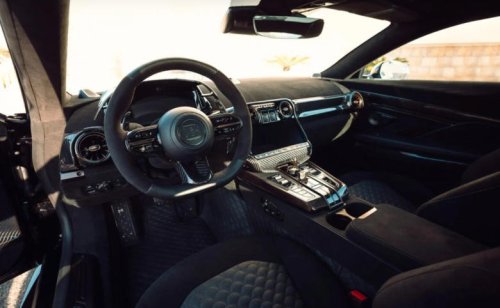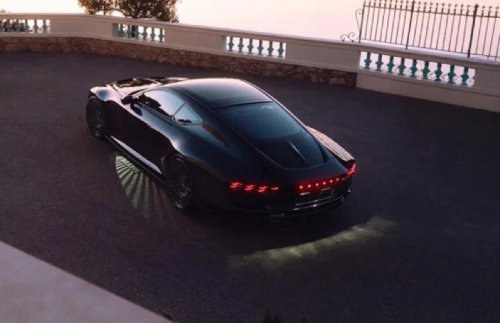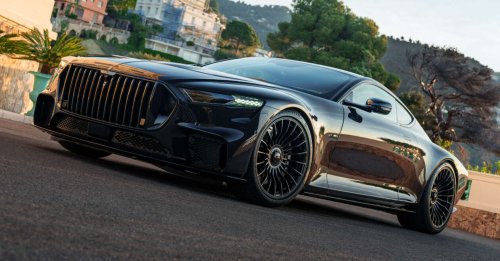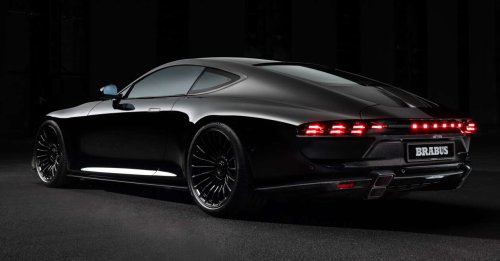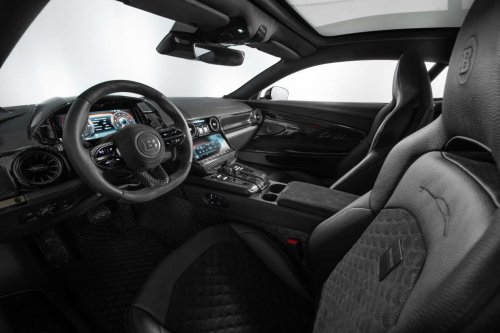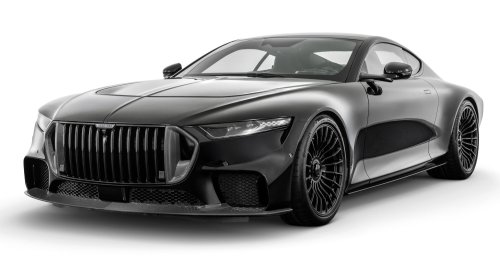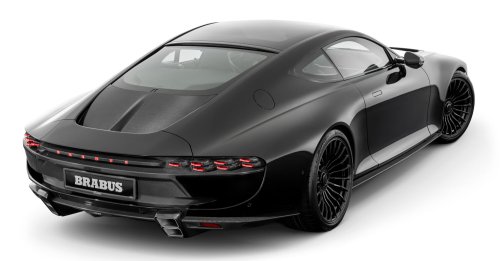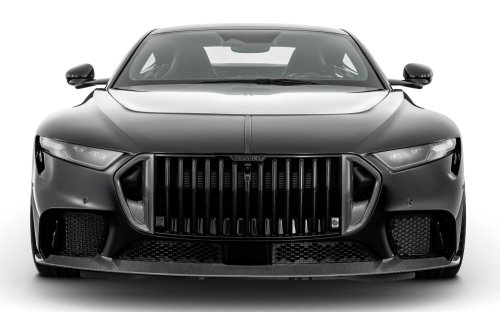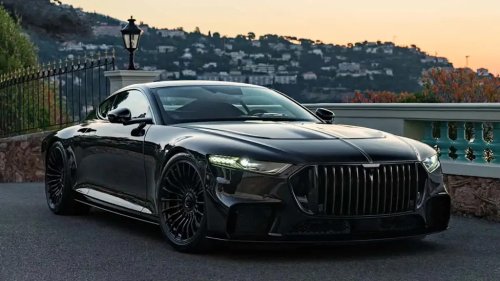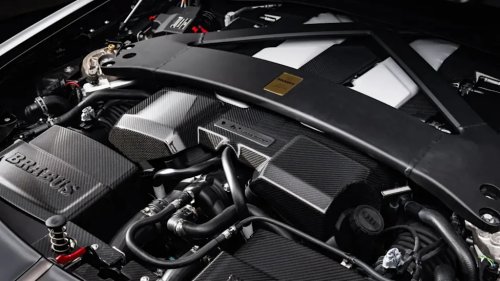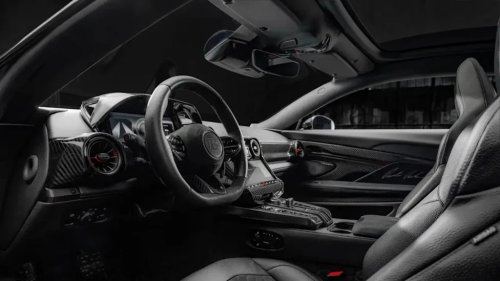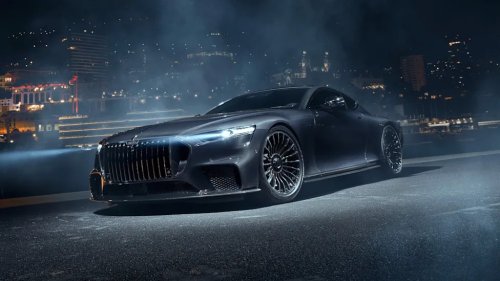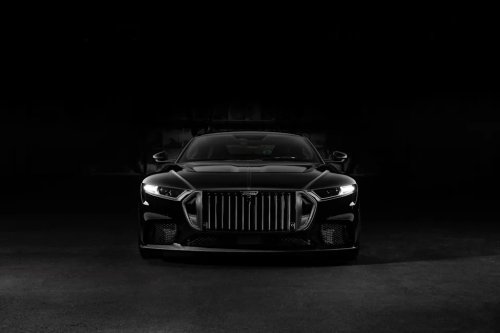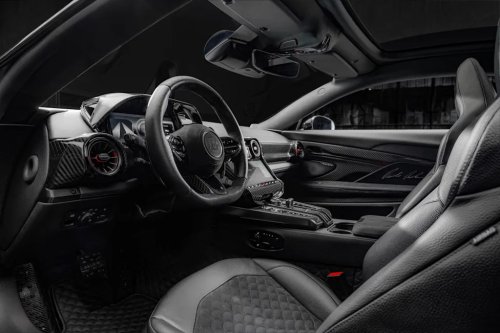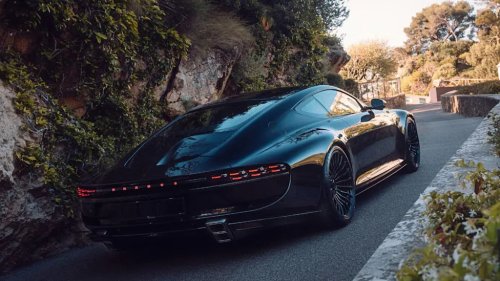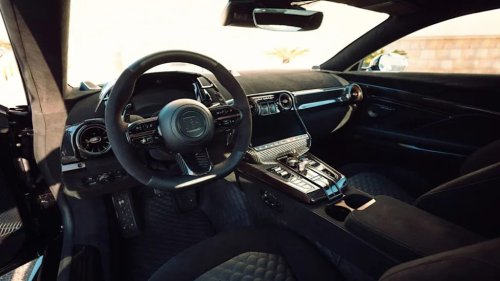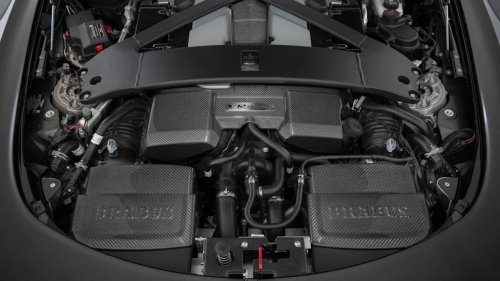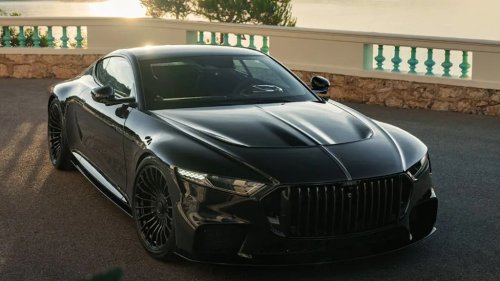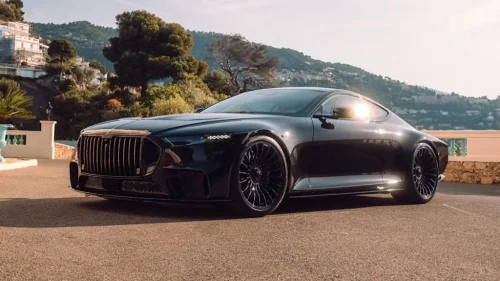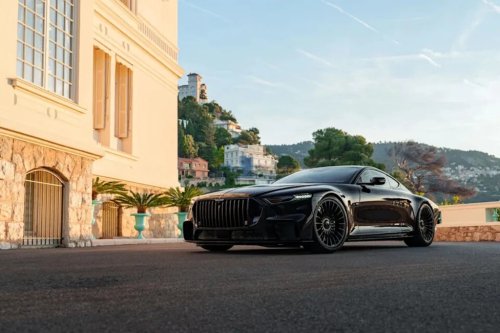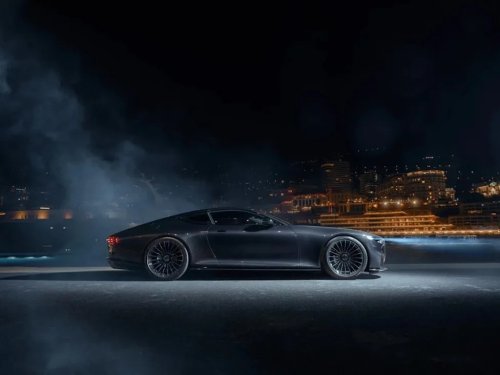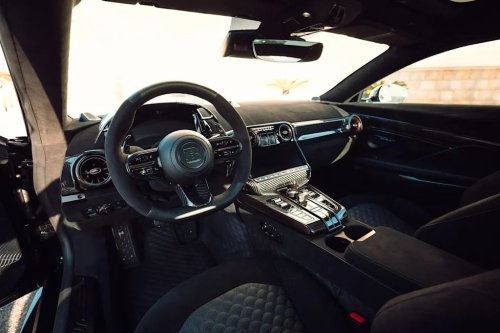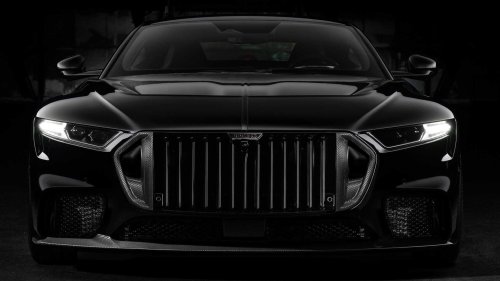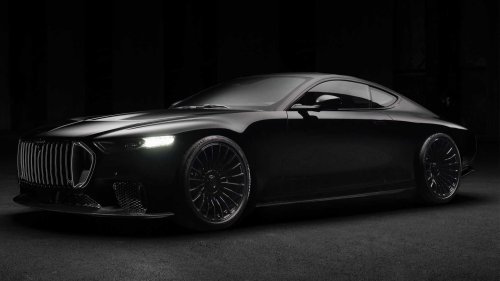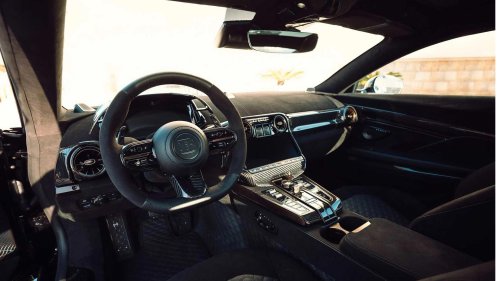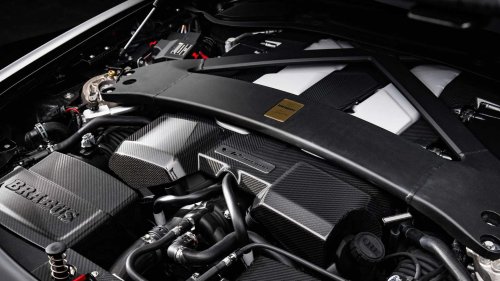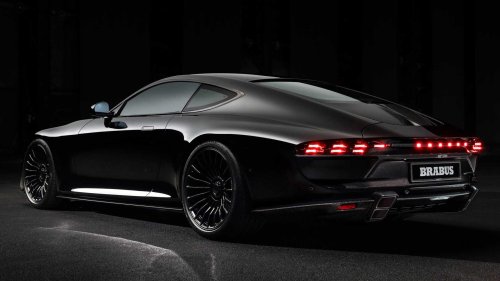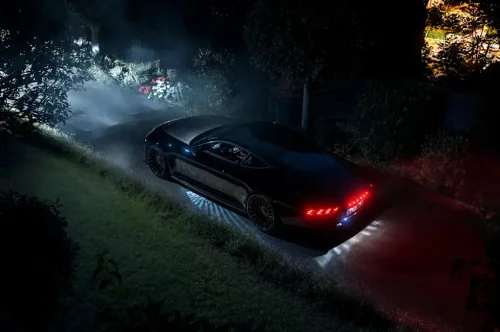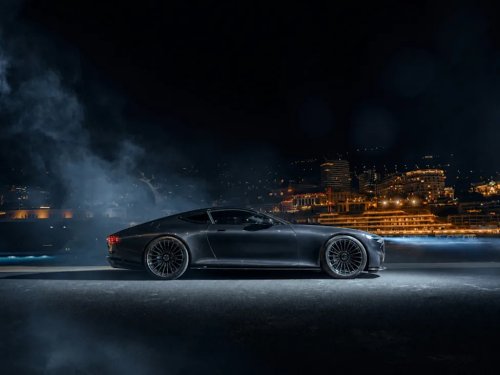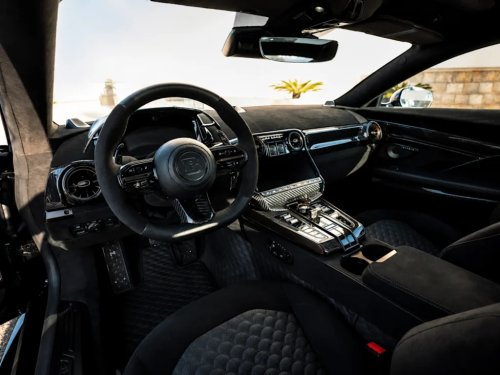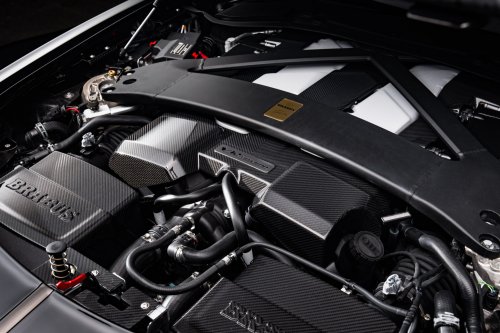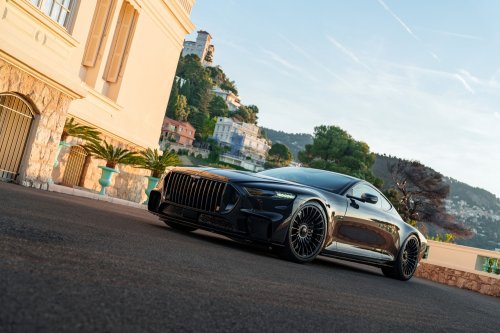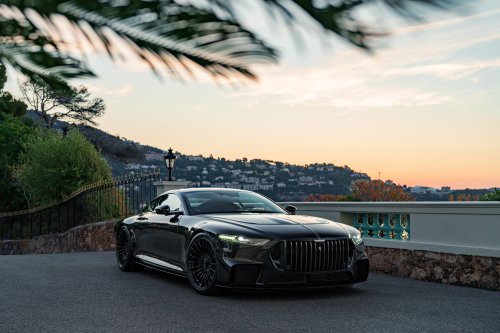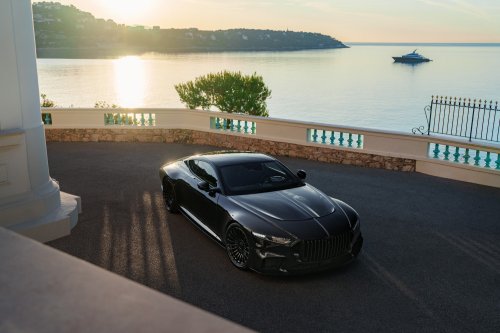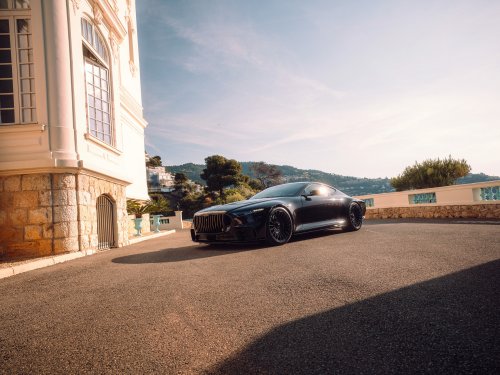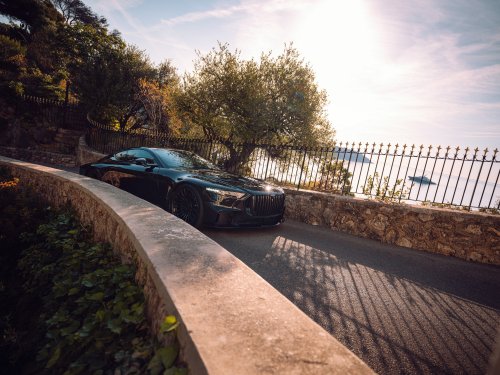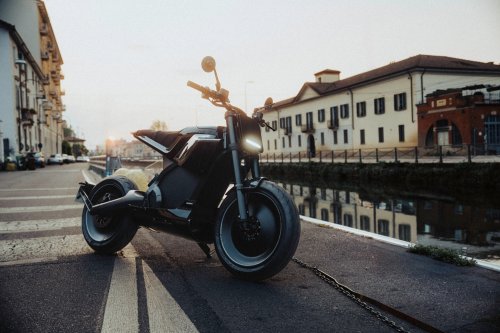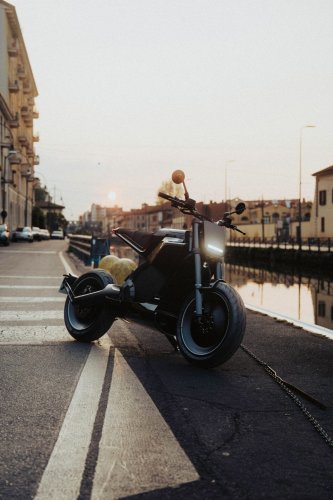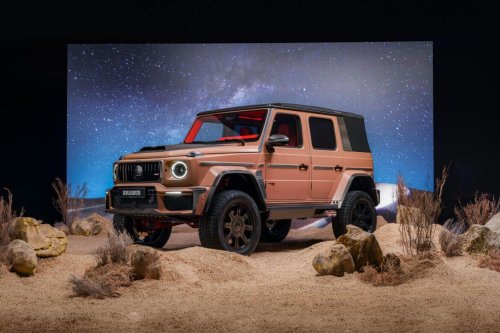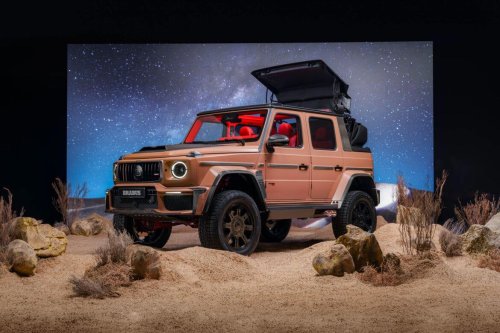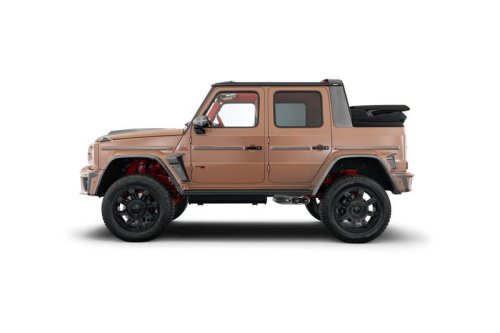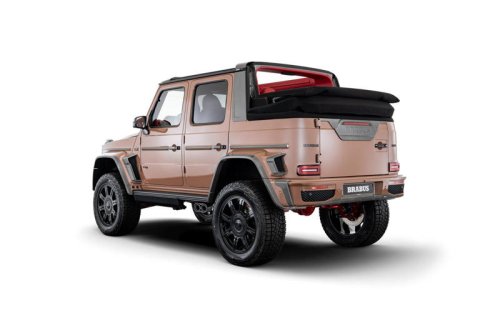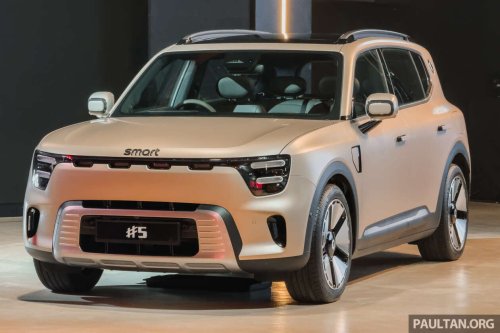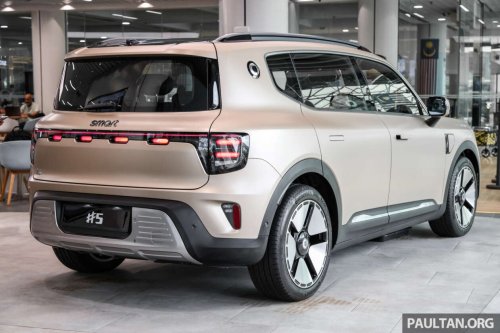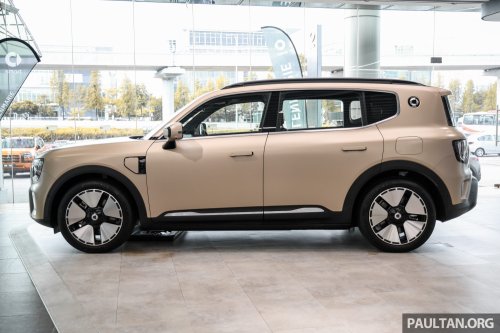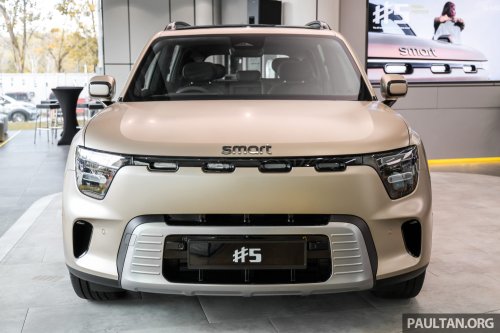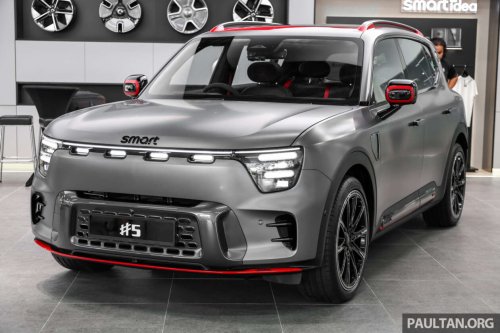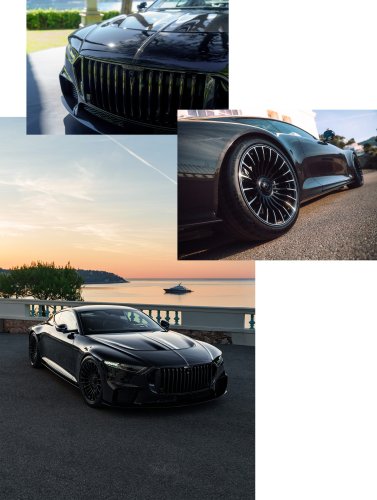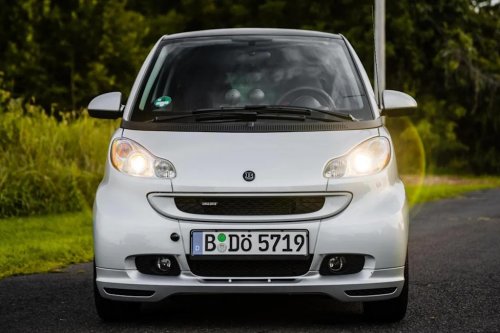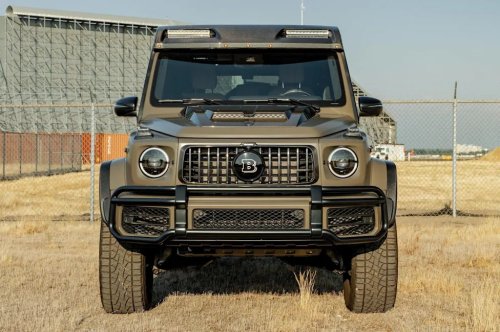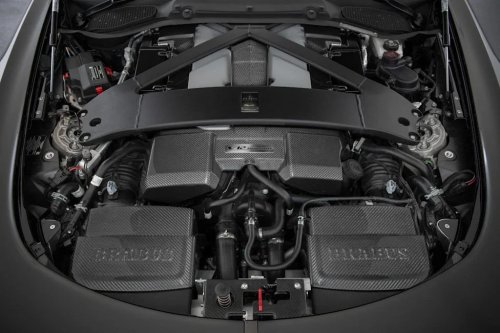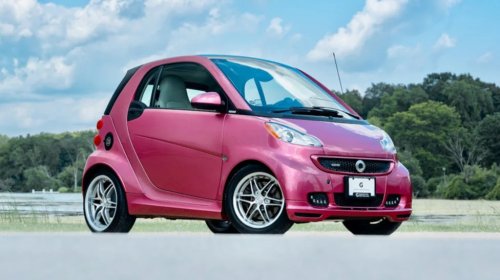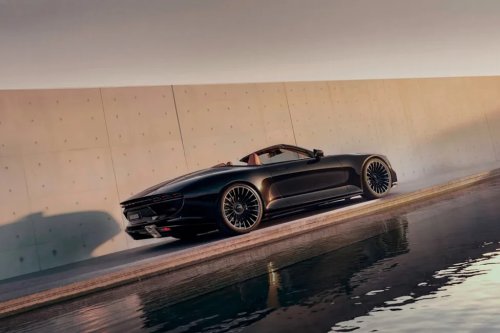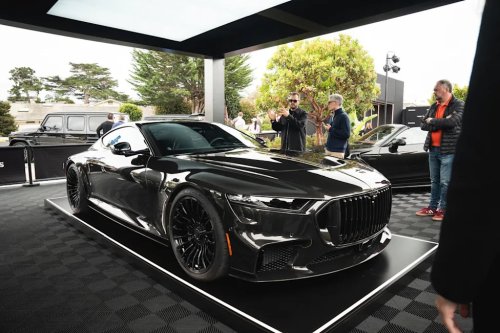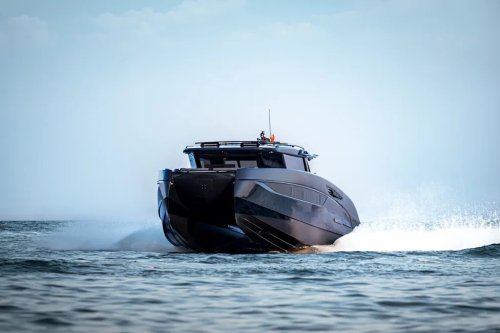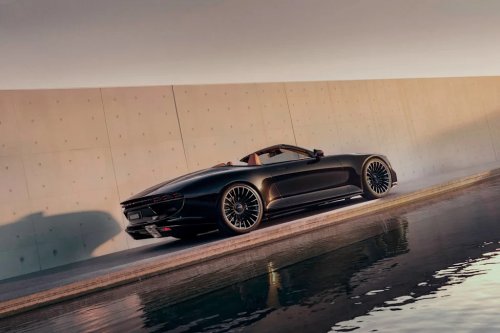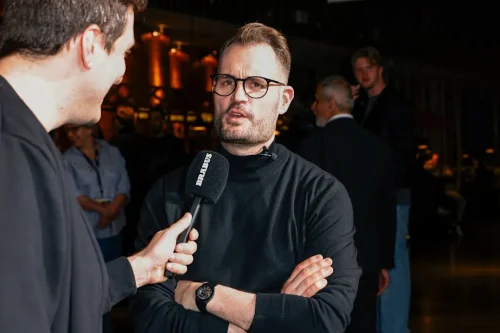
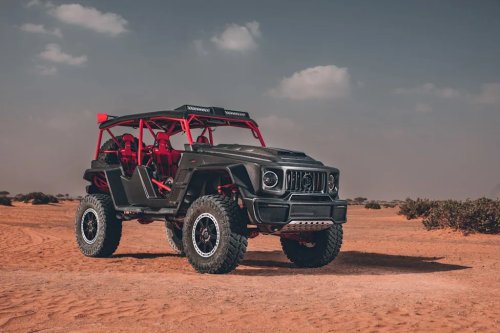
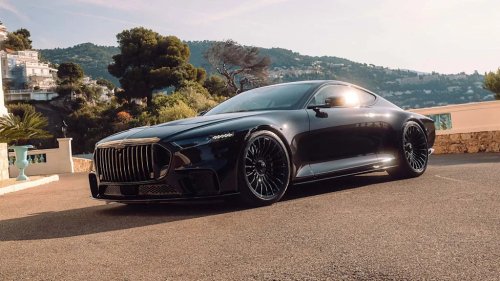
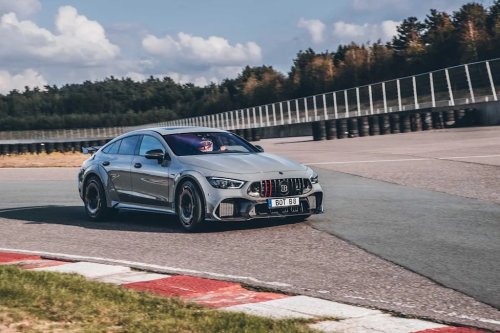
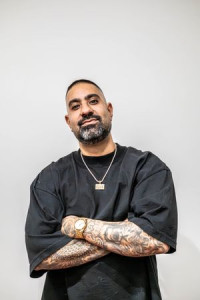















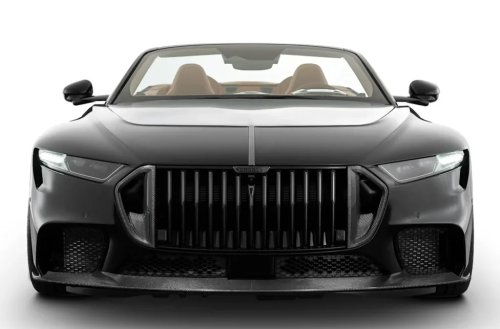
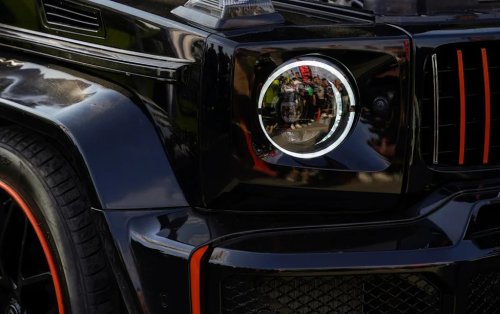
Brabus CEO Betting on a Future of Restomods, EVsIsa Foltin - Getty ImagesThere is, perhaps, no automotive tuning company better known than Brabus. The shop, launched by Bodo Buschmann in 1977, has enjoyed nearly 50 years of business refining Mercedes-Benz models. But these days, the Bottrop, Germany-based tuner is in the process of learning new tricks; under the leadership of Constantin Buschmann, who took over the business after his father in 2018, Brabus has developed a new flight plan that is equal parts innovation and nostalgia.The strongest indication that Brabus was entering a new era came in 2022, when, after 45 years of exclusively tuning Mercedes-Benz models, the company integrated a Porsche into its fold, creating the Brabus 820 out of a 992.1-generation 911 Turbo S Cabriolet. Even weirder, that same year, Brabus revealed its first two-wheeled creation based on the KTM 1290 Super Duke R Evo, as well as a homegrown G-Wagen side-by-side dubbed the Brabus Crawler. But Buschmann told Road & Track that such evolution had to be an inevitability if Brabus were to grow.Brabus Crawler.Brabus"With all due respect, I'm a big fan of Mercedes-Benz. I will always stay a fan of Mercedes-Benz. We work with them, we work with them more than ever before," Buschmann said. "However, being the CEO and owner of Brabus, my job is to look at [our] capabilities. And that makes me ask, 'Why do you wait for Mercedes to drop an S-Class over the fence instead of staying awake and using your capabilities—taking off the blinders and trying things?' What would a Brabus motorbike look like? What would a Brabus boat look like? What would a Brabus motorhome look like? What would a Brabus electric motorboat look like?"AdvertisementAdvertisementOver its half-century of business, Brabus has aimed for balance with its machines. One of the brand's early breakout products was a V-8-swapped W201-series Mercedes-Benz 190E, which helped cement the company's performance pedigree. However, suspension upgrades on a W124-series E-Class and a focus on striking interior upholstery and pioneering technology also made it clear that Brabus was more than a German hot-rodder.And the company has remained especially consistent in its visual approach. There's no mistaking a Brabus, but the company has generally avoided the gaudy mistakes of typical body kits and upsized wheels. Historically, the effort poured into the performance upgrades took priority over visual cues, and that OEM-plus approach to design has carried over into the 21st century. Buschmann refers to the phenomenon as a "one-second wow"; Brabus vehicles are supposed to impress immediately.Brabus Bodo.Brabus"Luxury products work through the heart and not the head. It's always emotional," Buschmann said. "It's something that you reward yourself with. It's something that you know signals your standing, your position in the world, your attitude towards yourself and others. 'One second wow' is the ultimate description of the effect of our product; that's why it's the mission of Brabus. And [the mission] also doesn't include a few things on purpose: it doesn't include Mercedes-Benz; it doesn't include a car. It doesn't include anything but the essence of Brabus, which is to build emotional products that touch the heart of a customer within a single second."Even so, Brabus is largely beholden to automaker products, and its future in no small part rides on the industry's innovation. The German-tuning company has done its best to adapt to new models—its most recent work on an Aston Martin, the Brabus Bodo, took the latest Vanquish and reshaped it into a whole new gran turismo—and new powertrains. Brabus was quick to put its touch on the battery-electric Mercedes EQS, and Buschmann believes that electric vehicles will be an integral part of the company in the future.AdvertisementAdvertisement"I am not against electric cars. It annoys me to have to say this, because we're producing beautiful electric cars with Smart, and we just talked about a beautiful electric commuter bike that I think is a great product and a story I believe in," Buschmann said. "Customers are coming to me saying, 'If I want to buy a commodity product, if I want to buy functionality, if I want to take my kids to school in the morning, go to the supermarket and come back home .... eventually, I'm going to go electric.' The fundamental issue here is that this is not an automotive discussion. Yes, underlying [it] is how many horsepower, what drivetrain, how fast—and everybody goes crazy about these facts. People go deep in the rabbit hole, love to talk about drivetrains. But fundamentally, the decision is what the product is doing for a customer."BrabusEven so, the history of Brabus is steeped in internal-combustion engines, and Buschmann doesn't see an end to that side of the business. 49 years of tuning history means that Brabus is seeing vehicles it first modified in the 1980s and 1990s returning to the company for a restomod treatment. Similarly, the continued production of gasoline-powered engines well into the 21st Century means that Brabus will be able to put its traditional hot-rod touch on vehicles for years to come, whether on all-new cars or as older model modifications."Generally, we can say that we are selling a promise—we're selling a feeling, we're selling an attitude, we're selling a certain style of the customer representing himself or herself in the world, and we are selling a representation of the customer in his or her world," Buschmann said. "A customer who buys a Brabus Bodo today that offers three seconds from zero to 100 km/h and 1000 horsepower knows that a Tesla Plaid or a BYD for $50,000 is going to beat them in a drag race. That's been true for the last three or four years already. But it didn't change the equation. Why? Because customers are buying heritage, they're buying a signal. And they're saying to the world, look at me and notice what I care about."You Might Also LikeIf You Can Only Own One Car, Make It One of TheseThese Are the Most Popular Cars by State