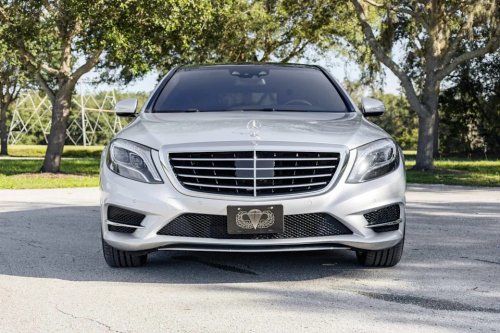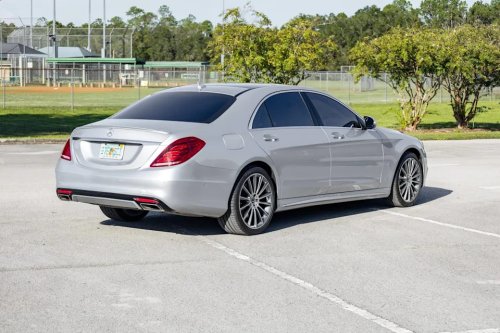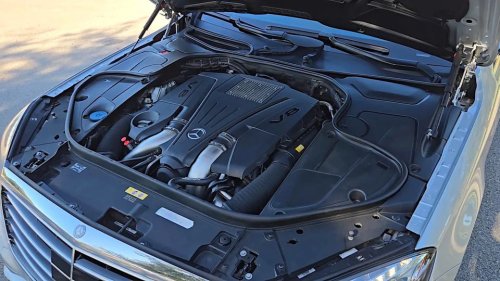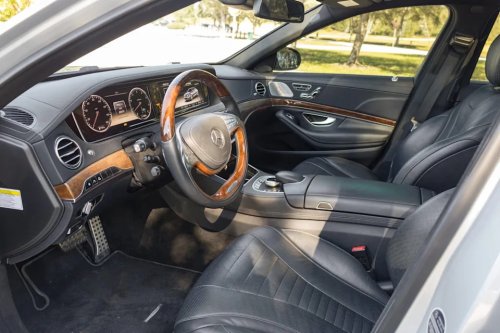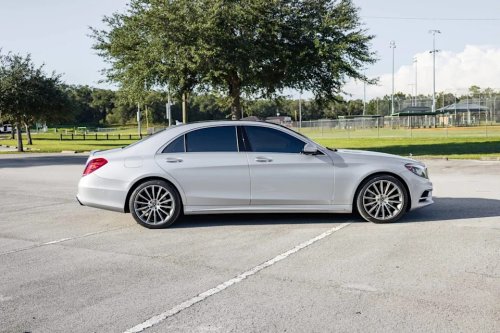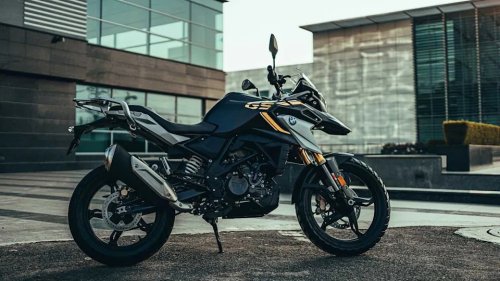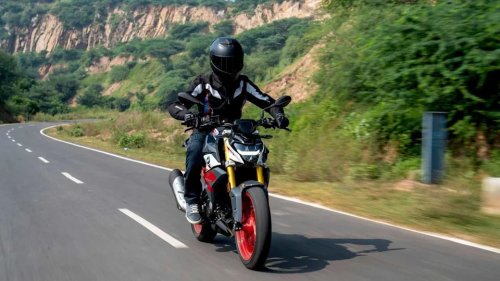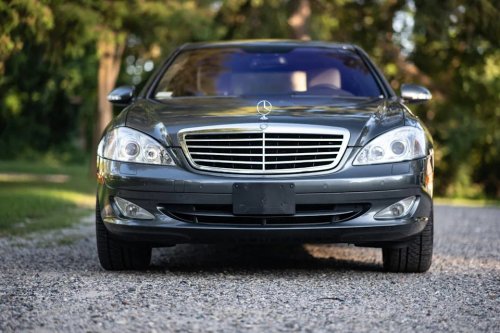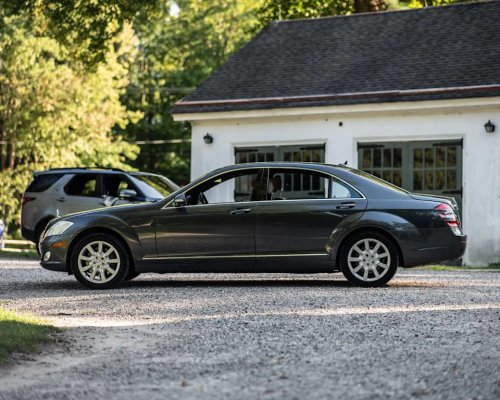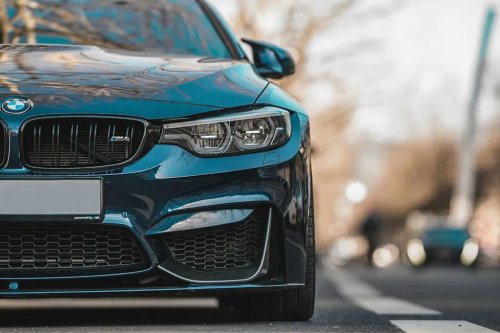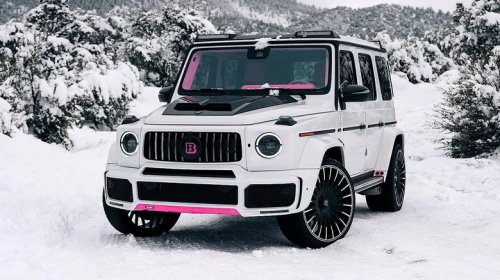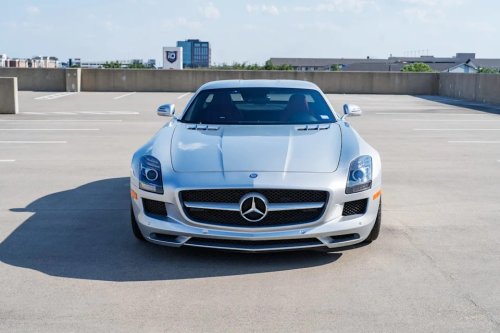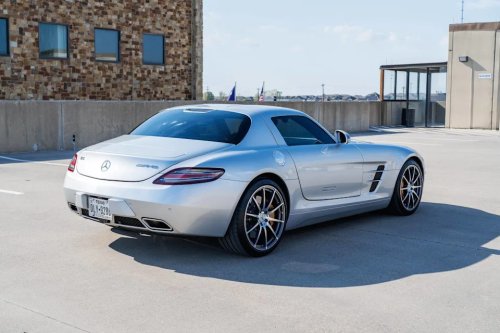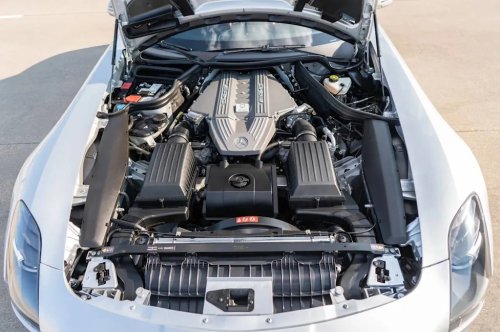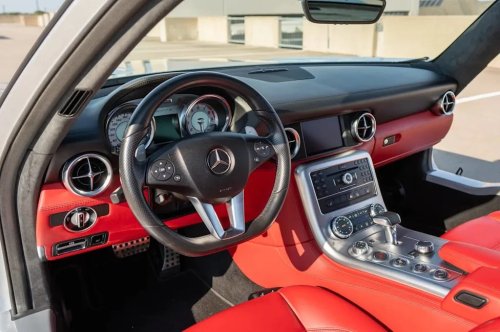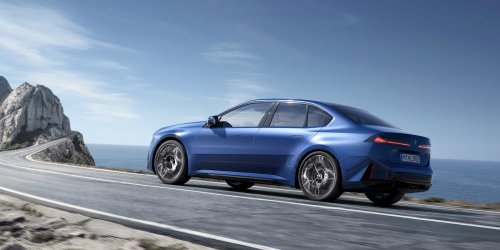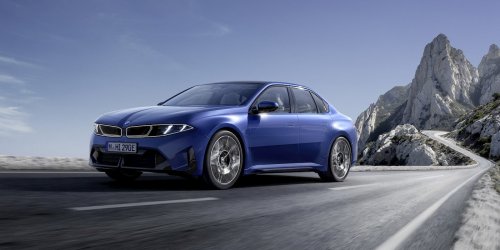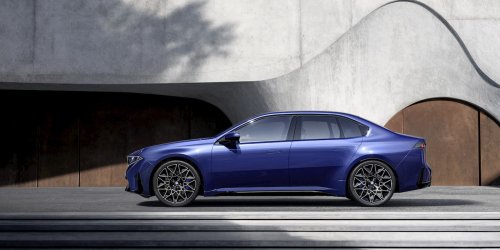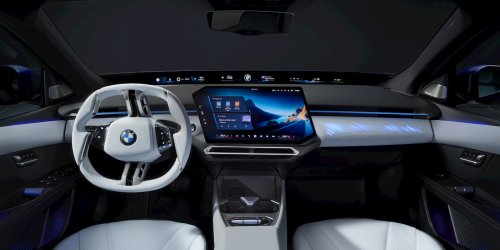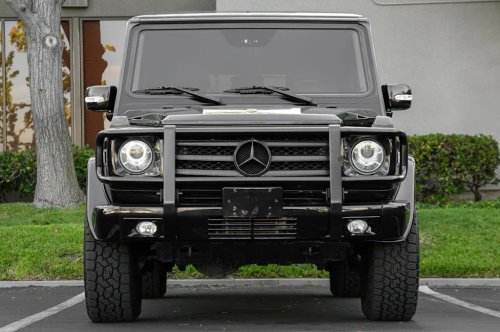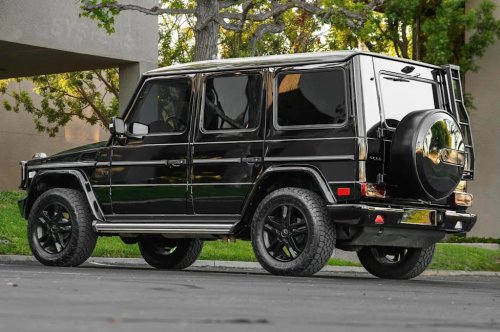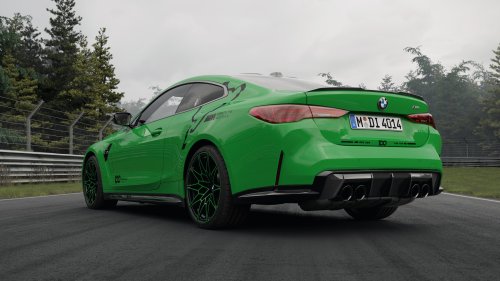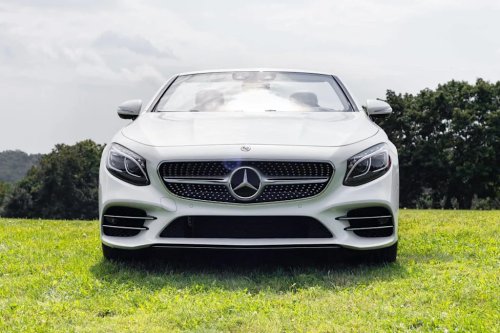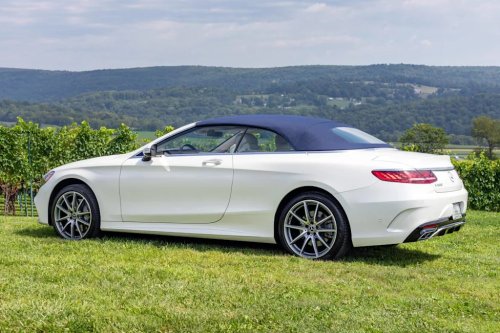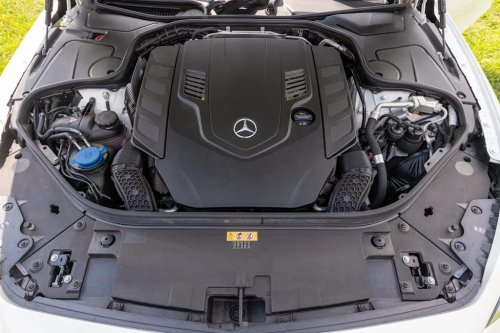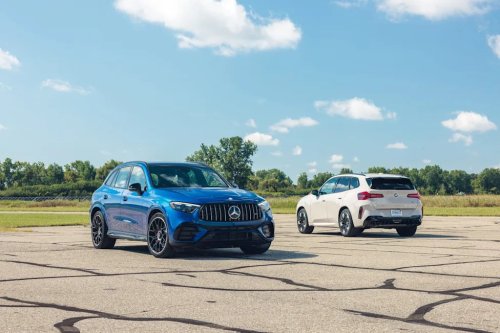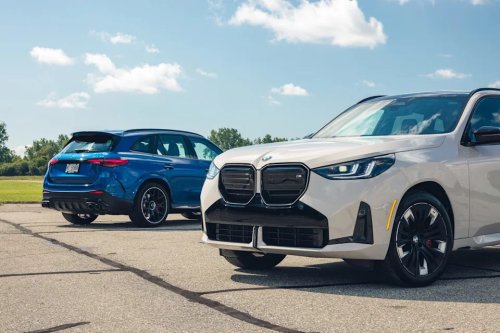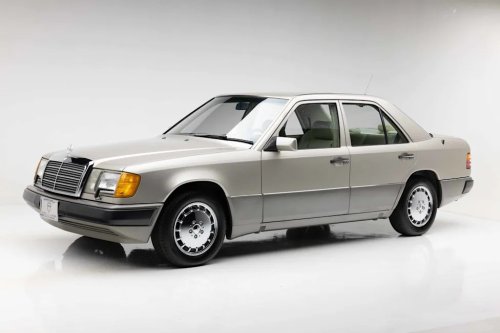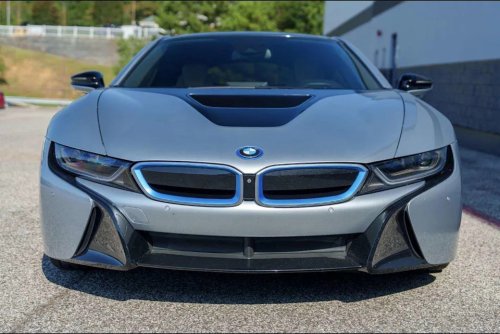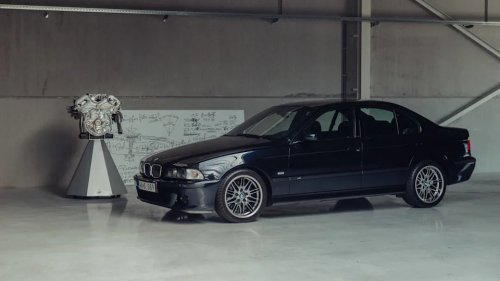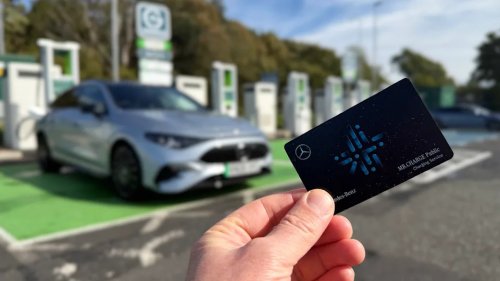


















Germany’s top court has just handed BMW and Mercedes-Benz a major legal win – and it could have ripple effects across the entire auto industry.In a closely watched case, the environmental group Deutsche Umwelthilfe (DUH), known as Environmental Action Germany in English, attempted to force both automakers to stop selling cars with internal-combustion engines by 2030, arguing that continued emissions from those vehicles would exceed climate limits derived from the Paris Agreement. However, judges at Germany's Federal Court of Justice weren’t convinced, rejecting the lawsuit in a decision last week. Court Says Climate Policy Isn’t Its Job BMW and Mercedes-BenzDUH, an organization that is also calling for speed limits as low as 62 mph on Autobahns to help reduce emissions, argued that BMW and Mercedes should be legally compelled to phase out combustion engines by 2030. Its reasoning hinged on the idea of company-specific carbon limits – essentially assigning each automaker a cap on emissions.However, the judges ruled that no such carbon limits exist for individual companies under current law, meaning there’s no legal basis to hold automakers accountable in that way. They also ruled that decisions about phasing out combustion engines are political, not judicial. That distinction matters, as such climate lawsuits have successfully pushed governments to act in the past, but applying the same logic directly to individual companies would set an extreme precedent. Another Win For Automakers BMWFor BMW, Mercedes, and other major German automakers, the ruling is a welcome reprieve, clearing the way to keep selling ICE cars beyond 2030. Holding onto ICE powertrains has become essential for survival – just a few years ago, Mercedes pledged to go fully electric, but sluggish EV adoption has forced it, along with many others that made similar promises, to reconsider and backtrack.The latest win also follows the European Union’s decision late last year to ease off plans to completely ban emissions from cars by 2035, which would have effectively ended ICE powertrains, including in hybrid models. Under the revised rules, which still require final approval, automakers will be required to cut carbon emissions by 90% compared with 2021 levels.Automakers have more incentive to keep ICE cars due to regulations here in the US, too. Last year, the federal EV tax credit was eliminated and automaker fines for missing emissions targets were wiped out. And earlier this year, the repeal of the 2009 Endangerment Finding, which concerns dangers associated with certain greenhouse gases, has further eased the pressure. This has resulted in actions like the cancelation of ambitious EV plans and the reinstatement of V8 models.