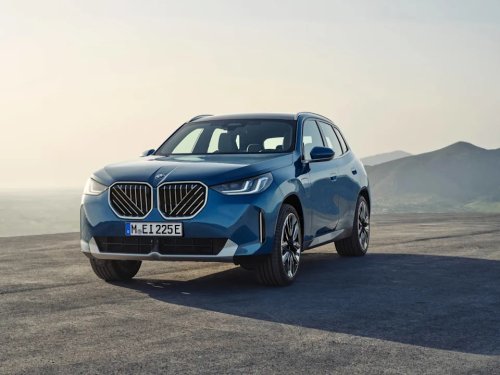
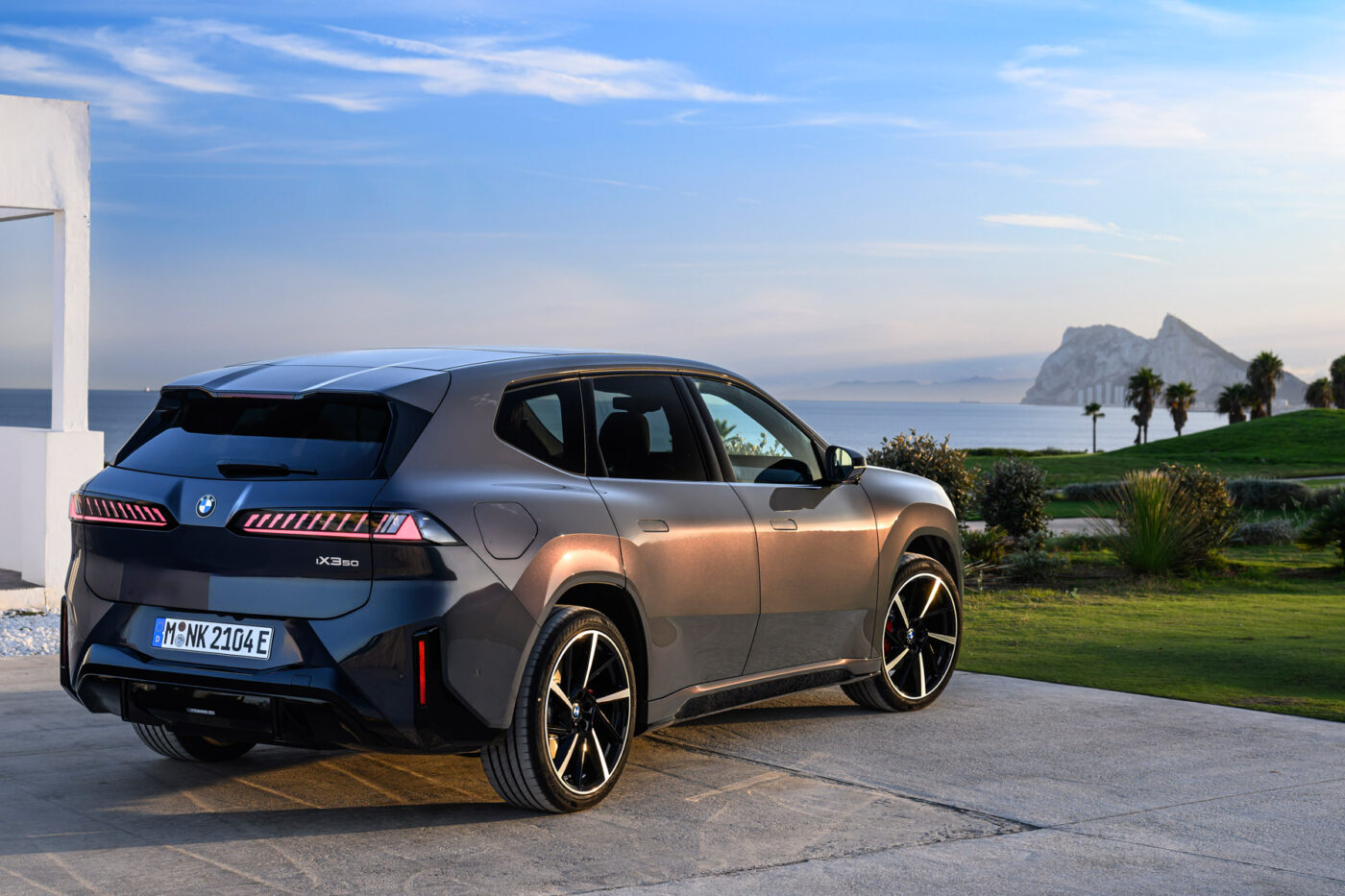
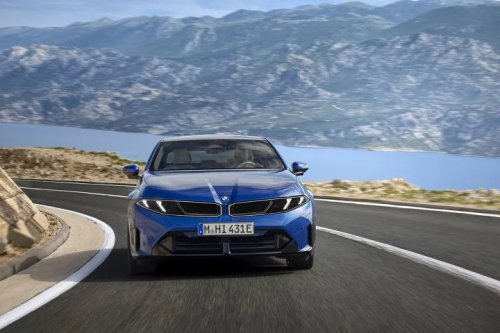
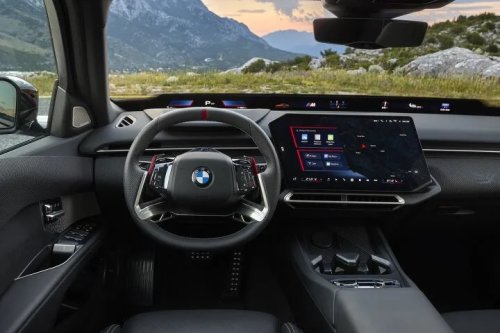
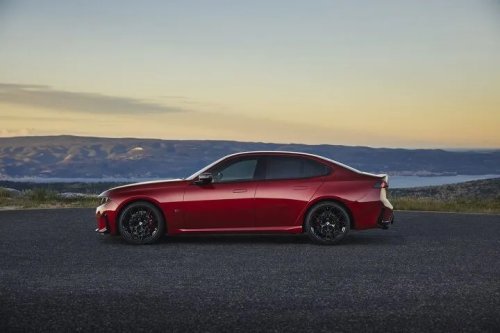
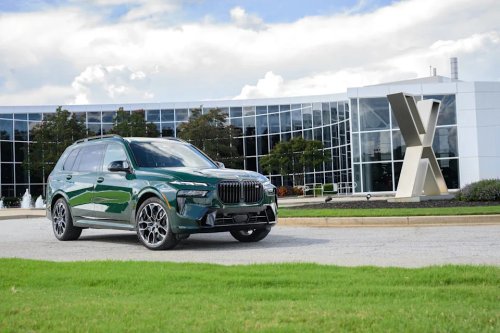
Image: BMWThe company reports that its brands—BMW, MINI, and Rolls-Royce—sold 204,295 battery-electric vehicles (BEVs) in the first half of the year, marking a 7.4% decline in comparison to the first half of 2025. However, the two quarters showed significant differences. While the period from January to March saw sharp losses, BMW recorded a 5.2% increase in sales between April and June, delivering 116,807 BEVs.The carmaker attributes the rebound in electric vehicle sales in the second quarter to the launch of the new BMW iX3. The Munich-based company noted in a statement that this was evident in the European market, where the BMW iX3 was first available, and BEV sales surged to 81,445 units (+38.0%). In Germany, BMW climbed to second place in registrations for fully electric vehicles in Q2.BMW’s half-year report does not provide further details on BEV performance. It remains unclear how significant the decline in the Chinese electric vehicle market was or how BEV sales developed in North America. However, the fact that 81,445 of the 116,807 BEV sales in the second quarter were in Europe indicates that BMW sold only 35,362 BEVs across all other regions combined. The 38% growth in Europe must be offset by substantial losses elsewhere; otherwise, the overall dynamics in this segment would not have turned negative (-7.4% year-on-year).BMW also reports global sales of electrified vehicles, combining BEVs and plug-in hybrids (PHEVs). The carmaker delivered 295,407 units from January to June (-7.4% year-on-year), with 162,870 units sold in the second quarter (+0.8% year-on-year). Excluding BEVs, 91,112 PHEVs were delivered in the first half of the year, and 46,063 in Q2.Calculations further reveal that 17.6% of all BMW passenger car sales in the first six months of the year were fully electric. Including PHEVs, 25.5% of all new BMWs featured a plug, meaning every fourth vehicle. These shares are significantly higher than those of other German carmakers. Volkswagen currently reports a 10.6% BEV share, while Mercedes-Benz stands at around 13%.BMW describes its overall passenger car sales as presenting a “mixed picture” with “regions exhibiting mixed dynamics.” The 1.156 million vehicles sold worldwide in the first half of the year represent a 4.2% decline compared to the first half of 2025. The primary reason is that the group’s brands saw a 20.4% drop in China in the first half of the year, falling to 261,773 vehicles. In the second quarter, sales declined by 30%. Gains in other regions were insufficient to offset these losses. Sales in Europe rose by approximately 5.4%, while in the USA, they increased by 3.9%.A closer look at the group’s individual brands reveals that BMW’s global sales declined by 6.2% in the first half of the year. Here, too, moderate gains in Europe and the USA were overshadowed by losses in China. MINI, however, recorded an 11.7% growth in global sales, reaching 149,538 vehicles— marking the sixth consecutive quarter of growth, according to the German carmaker. The fully electric MINI models were in particularly high demand, with BMW stating that they were the primary growth driver for the brand. Rolls-Royce delivered 2,523 vehicles in the first half of the year (-9.8%). BMW Motorrad sold 102,847 motorcycles and scooters to customers in the first six months of the year (-2.9%).This week, Volkswagen and Mercedes-Benz also presented their half-year statistics. All three carmakers are experiencing significant setbacks in their China operations, although Mercedes-Benz has still managed to achieve higher electric vehicle sales than the previous year—a feat neither Volkswagen nor BMW can claim. That said, BMW, as mentioned, boasts by far the highest BEV share of total sales.press.bmwgroup.com



















 +39 others








![BMW's new iX4 leaks days ahead of its debut [Images]](https://cdn.topcarnews.net/thumb/id/aHR0cHM6Ly9pMC53cC5jb20vZWxlY3Ry-ZWsuY28vd3AtY29udGVudC91cGxvYWRz-L3NpdGVzLzMvMjAyNi8wNy9CTVctaVg0-LUdULVNVVi0yLmpwZWc_dz0xNTAwJmFt-cDtxdWFsaXR5PTgyJmFtcDtzdHJpcD1h-bGwmYW1wO3NzbD0x/44847916d4631457013dfd46d3f7570e.jpeg?t=20261007&post_id=68433)