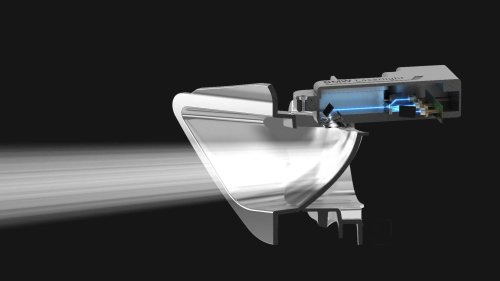
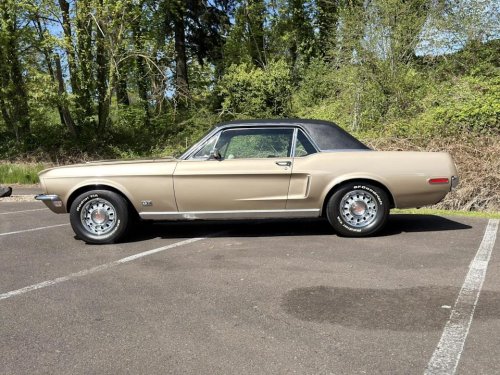
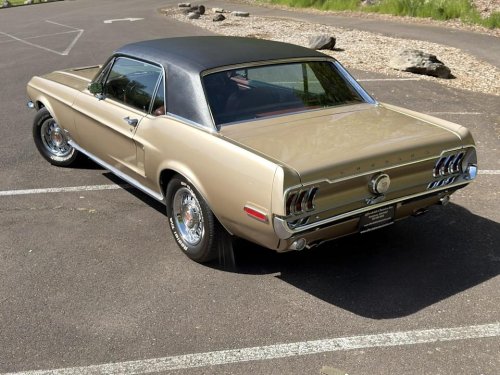
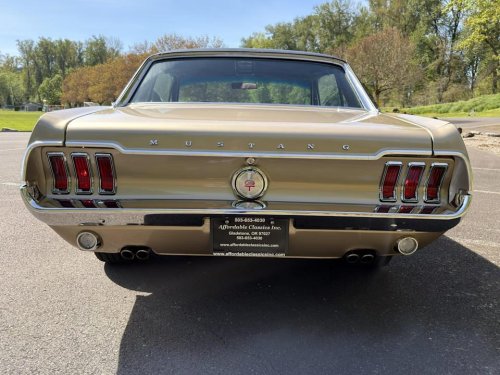
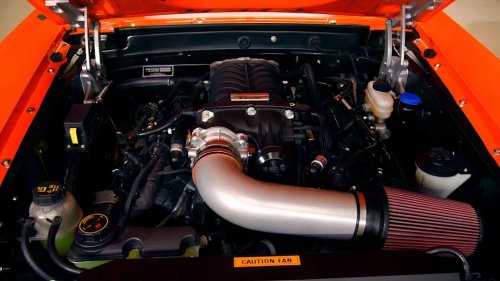
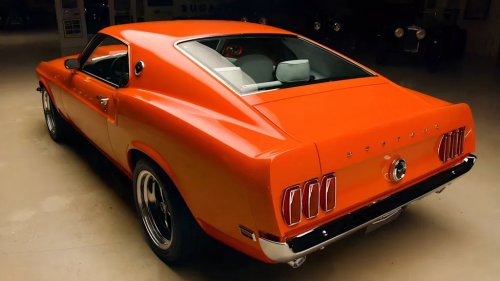
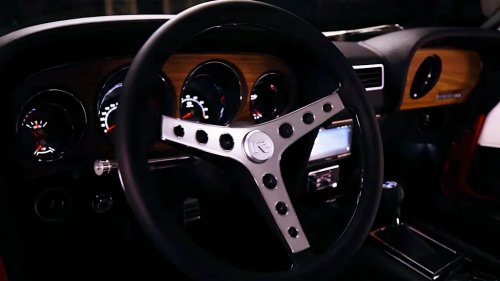
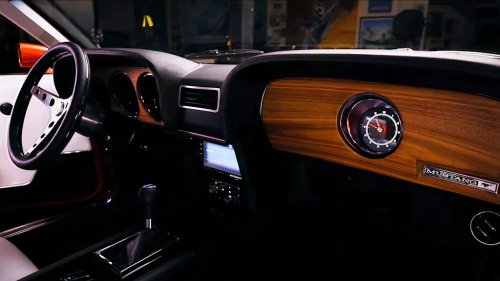
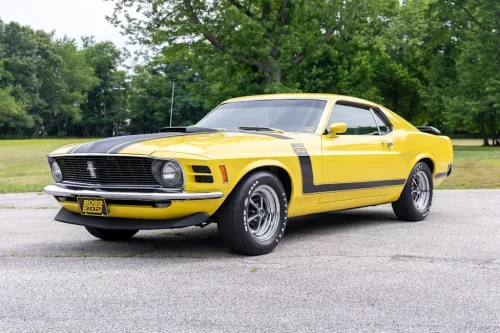
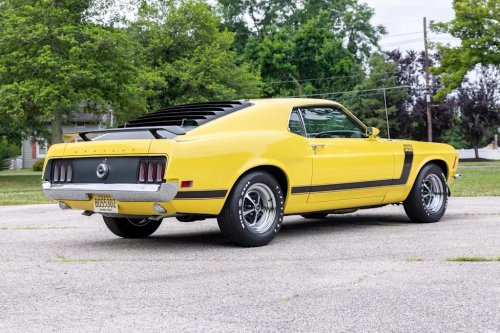
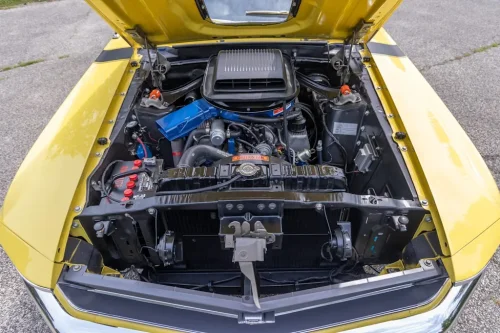
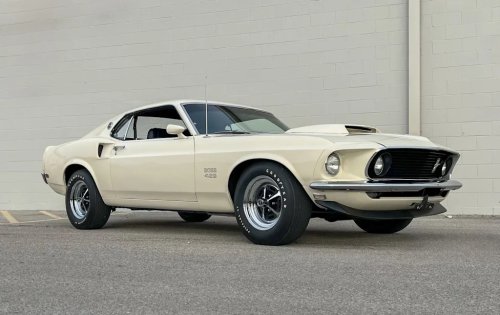
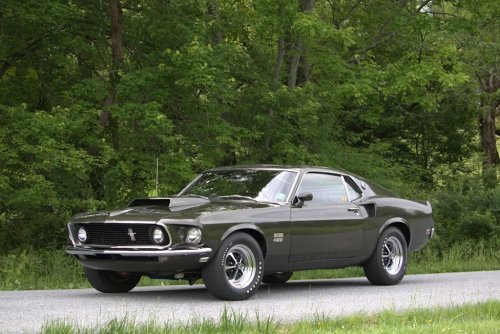
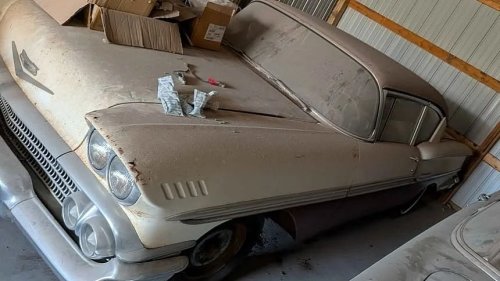
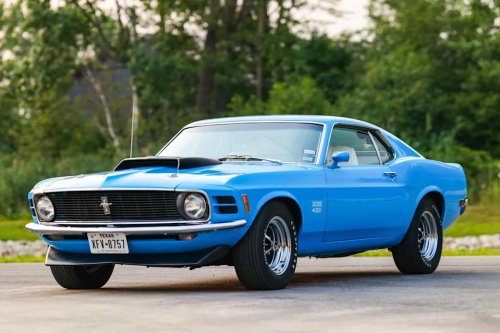
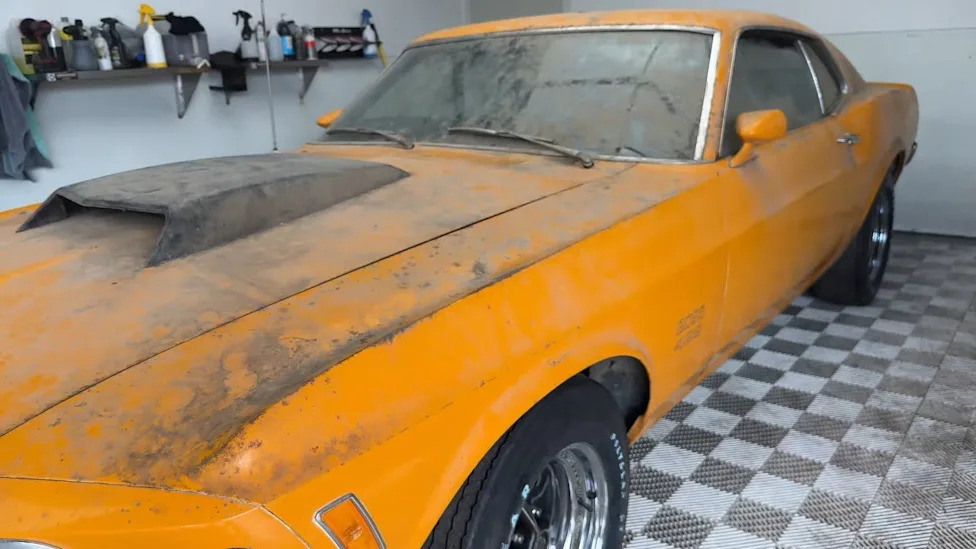
A Dust-Caked 1970 Boss 429 Mustang Emerges From a Barn — And Gets Reborn With Lasers and Dry IceThere are only a handful of Mustangs that can steal attention away from a Boss 429. Even the legendary names — the Shelby racers, the Bullitt cars, "Eleanor," the various first-off-the-line and executive-owned examples — sit in a different category entirely. Those are one-of-a-kind specialty machines. The Boss 429, on the other hand, was a regular production car, which means it actually has a chance of turning up where you least expect it: under a tarp in a forgotten barn.And that's exactly what happened with this Grabber Orange survivor.First, a Clarification: The "Boss 429" Was Never a CarIt's worth remembering that the Boss 429 was, at its core, an engine. Ford built a monster of a V8 and needed a homologated body to put it in, so it dropped the powerplant into a Mustang and a legend was born. But the name always belonged to the motor — the pony car simply carried it into history.AdvertisementAdvertisementProduction was tiny. Across the only two model years the badge existed, 1969 and 1970, Ford built just 1,359 of them. That scarcity is why these cars now sit shoulder to shoulder with the most desirable American muscle ever made — the Hemi E-bodies, the Shelbys, the Yenko Camaros, and the rest of the holy grail crowd.A Genuine Barn Find — and a MysteryWhat makes this particular example remarkable isn't just that it's a Boss 429. It's that it surfaced as an honest, dust-blanketed barn find after years tucked away under a single owner. That kind of discovery is rare enough to make the entire collector-car world pause for a moment.The crew at I AM Detailing, who took on the cleanup, have stayed tight-lipped about the car's backstory. We're told only that it came out of a collection that included several Boss 429s, and that it's a true survivor that spent a long stretch sitting still. The thick coating of grime confirms the rest of the story — no explanation needed once the pressure washer gets going.Fire and Ice: The Cleanup ProcessThe car rolled in looking neglected and rolled out looking like rolling sculpture. The detailers went far past the usual wash-steam-polish-rinse routine. They reached for two opposite extremes of the temperature spectrum.AdvertisementAdvertisementOn one end was laser cleaning, which is astonishingly effective at lifting rust off corroded metal. The pulsing beams of light vaporize oxidation and built-up contamination from leaf springs, suspension components, the rear axle, and other hardware, while leaving the underlying metal and paint untouched. In certain applications the energy involved can climb to roughly 11,000°F (about 6,000°C), yet it only consumes the foreign material, not the part beneath it.Then they swung to the cold end of the dial with dry-ice blasting. Frozen carbon dioxide pellets — chilled to around -109°F (-78.5°C) — strip away anything the factory never put on the car across larger surfaces like bumpers, moldings, handles, and trim, without harming the original finish. The two methods get used on different areas; doubling up would be pointless since each one cleans so thoroughly on its own.What's Next for This BossAfter all that work, the Grabber Orange Mustang looks the part of a showstopper. Interestingly, the team kept the engine bay mostly out of frame, offering only a few glimpses of the massive valve covers atop those enormous semi-hemi heads. That coyness suggests the big 429-cube V8 likely isn't running yet, and the car appears headed for a full mechanical rebuild at a specialist shop.Reading the visual clues, this looks like one of the 150 Grabber Orange cars built for the final 1970 run, out of 500 total Boss Mustangs that year. Orange wasn't the most popular shade — Grabber Blue edged it out with 194 examples — but it's arguably the boldest, echoing the wild High Impact colors Mopar was throwing around at the time. The faint hints visible also point to a very late build, near the tail end of an already brief production story.AdvertisementAdvertisementIf you happen to know the real history behind this one, the people who saved it would surely love to hear it.


















 +46 others