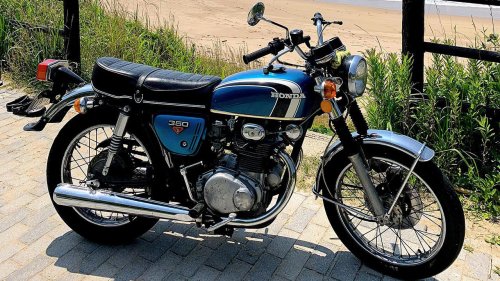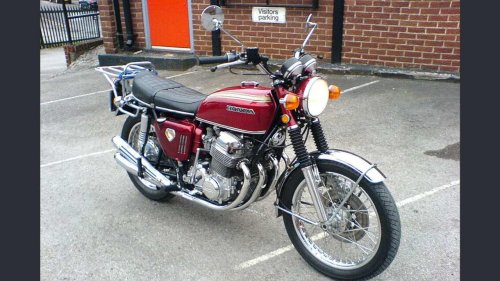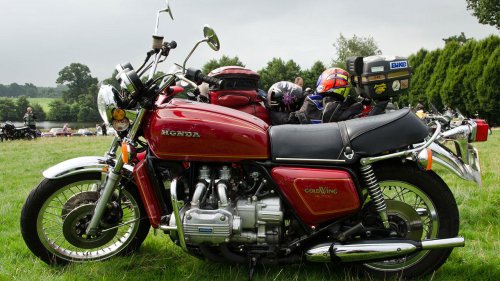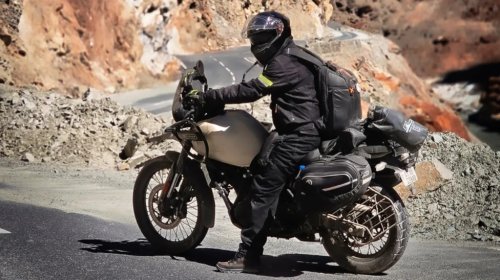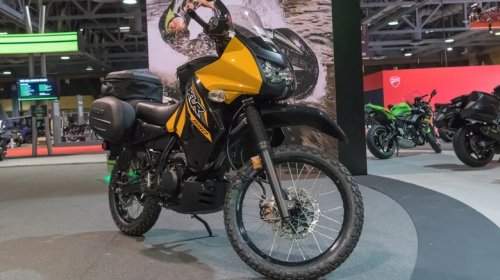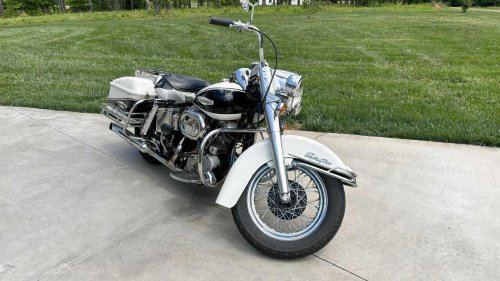
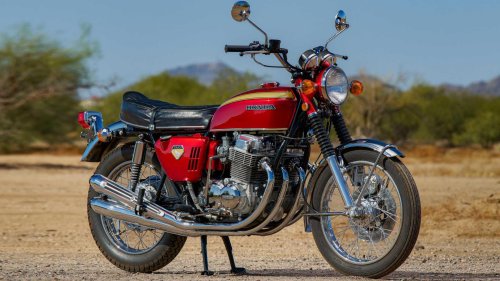
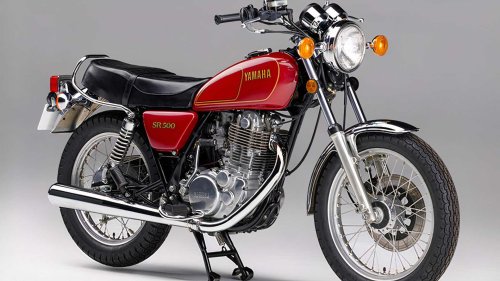
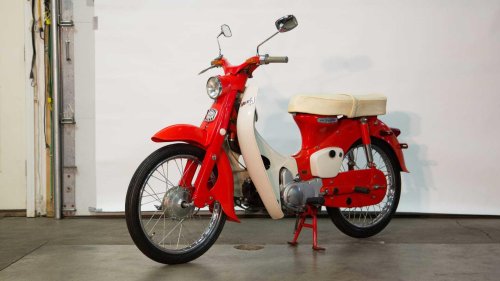
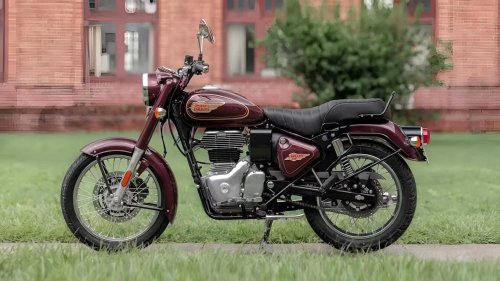
















Most motorcycles don’t stick around for long. A model launches, grabs headlines, then eventually gets replaced when styling trends flip, emissions laws tighten, or the brand’s marketing team decides the lineup needs a fresh identity. It’s rare for a bike to make it past a decade without getting completely reinvented or scrapped. But a handful of motorcycles managed to do the unlikely. They stayed in production for decades and built reputations strong enough to survive changing riders, technologies, and markets.The bikes on this list sold well, but also became part of motorcycling’s fabric. Riders used them to commute, tour, race, learn, or simply enjoy a machine that didn’t try to be anything other than reliable transportation. Some evolved over time with new engines and tech. Others barely changed because they didn’t need to. Either way, these seven bikes earned a permanent spot in the story of motorcycling thanks to production runs that stretched across generations.For this list, HotCars focused on two-wheelers that have not only enjoyed lengthy production runs but also had a significant impact on the segment they belonged to. Gauging the latter, naturally, isn't an exact science, so a few motorcycles might not have made it to the list despite having similar/longer production runs than the ones listed here. Kawasaki ZZR600: 18 Years 1990-2008 The ZZR600 launched as a sporty, approachable middleweight with real performance. It wasn’t the most extreme sportbike Kawasaki ever built, but that’s exactly why it stuck around. Riders loved its comfortable riding position, smooth inline-four engine, and reputation for bulletproof reliability. As newer generations of Ninja models took center stage for track performance, the ZZR600 stayed in Kawasaki’s lineup as a great option for riders who wanted something sporty but still practical for daily riding.Thanks to its long run in multiple markets, the ZZR600 became one of Kawasaki’s longest-surviving middleweight models. Used pricing varies wildly based on location and condition, but most examples today sit in the $2,000 to $5,000 range. For budget-conscious riders looking for speed and comfort, that’s a pretty appealing deal. Harley-Davidson Electra Glide: 29 Years 1965-1993 Bring A TrailerThe Electra Glide became Harley-Davidson’s flagship touring motorcycle when it launched in the mid ’60s. It was the first Harley to feature electric start from the factory, and it quickly gained a reputation for highway comfort and long-distance reliability. Over the decades, the platform saw significant updates, including engine improvements and refinements to suspension and braking, but its core identity stayed intact. Fans and historians often reference the Electra Glide as one of the most influential V-twin touring motorcycles in American history.While the modern Electra Glide name still exists in Harley’s lineup, most enthusiasts consider the original FLH era to have lasted until the early ’90s. Today, clean vintage Electra Glides run anywhere from $10,000 to $25,000, depending on originality, mileage, and rarity. For collectors and highway riders who prefer vintage character, the old-school Electra Glide remains a dream machine. Honda CB750: 39 Years 1969-2008 Bring a TrailerThe Honda CB750 is often recognized as the motorcycle that reshaped the entire industry. When it launched in 1969, it offered features that no affordable motorcycle had at the time, including an inline-four engine, electric start, and front disc brake. Riders suddenly had superbike performance without exotic pricing, and motorcycle culture shifted almost immediately.Throughout its long lifespan, the CB750 evolved through multiple design generations and eventually transitioned into the Honda Nighthawk lineup before production finally ended in the late 2000s. Early SOHC models have become highly collectable, sometimes selling for well over $15,000. Later models still serve as great everyday commuters and usually sell in the $3,000 to $6,000 range. Yamaha SR500/400: 43 Years 1978-2021 YamahaFew motorcycles stayed as true to their original formula as the SR series. From its kickstart-only early years to its more emission-friendly later versions, the SR remained a simple, air-cooled single-cylinder built for everyday use. It appealed to riders who didn’t need flashy styling or cutting-edge power. They just wanted a dependable bike that was easy to ride and even easier to maintain.Part of the bike’s appeal came from its timeless design. With its round headlight, wire wheels, and upright stance, it always looked classic. When Yamaha eventually rolled out the final edition in 2021, it marked the end of one of the longest-running unchanged motorcycle platforms ever. Depending on the year and condition, used SR models typically sell for $2,500 to $6,500. Honda CG125: 49 Years 1976-Present Honda designed the CG125 to survive the roughest roads in the world. The goal wasn’t speed or cutting-edge performance. It was rugged dependability. And that idea made the CG125 one of the most widely used motorcycles across developing markets. Its simple engine, affordable parts, and unbeatable reliability made it ideal for daily commuting, commercial use, and even training new riders.Although sales slowed in Western markets, licensed production continues in countries like Brazil and Pakistan. The design hasn’t changed much because it doesn’t need to. It continues to do exactly what riders expect from it. Depending on the region, running examples can be found for as little as under $1,000, making it practically unmatched in affordability and longevity. Honda Super Cub: 67 Years 1958-Present Mecum AuctionsThe Honda Super Cub holds the title of the best-selling motor vehicle on the planet, with production numbers in the tens of millions. Its success comes from a winning formula: easy operation, low running costs, incredible fuel efficiency, and a platform that almost never fails. The step-through frame and semi-automatic gearbox made it approachable for new riders, and its durability allowed it to thrive in regions where road maintenance and fuel quality vary widely.Despite modern safety and emissions standards, the Super Cub continues rolling off production lines in updated form. Modern versions feature fuel injection, ABS, modern lighting, and refinements that make it more polished while still recognizable. In the United States, a brand-new Super Cub typically sells for around $3,800. Royal Enfield Bullet: 94 Years 1931-Present Royal EnfieldNo motorcycle has stayed in production longer than the Royal Enfield Bullet. Introduced in the early ’30s, the bike started life in Britain before shifting to India, where production continued, and demand grew. Over the decades, the Bullet evolved with new technologies and regulations, including updated engines, better brakes, and modern emissions systems. Still, the silhouette and riding experience remain true to the original.The Bullet became a cultural icon in multiple countries and remains popular with riders who appreciate classic styling and relaxed single-cylinder character. Pricing varies by market, but new examples typically start around $2,000. Its longevity proves that some motorcycles don’t need to be reinvented; they just need to stay authentic.