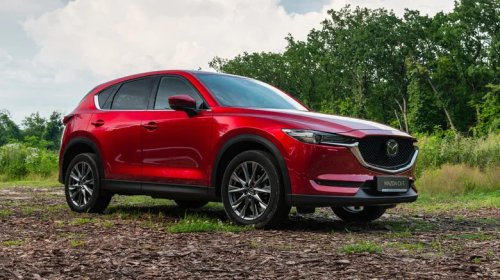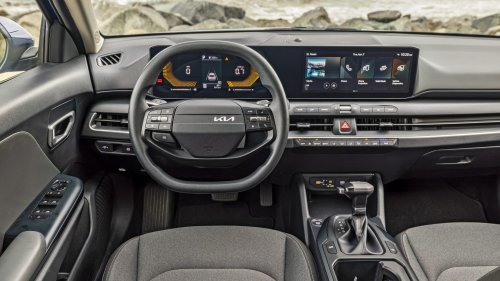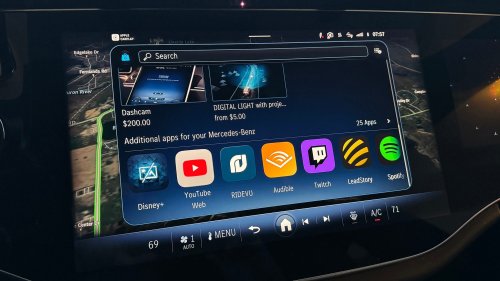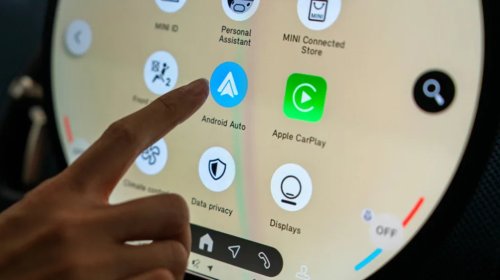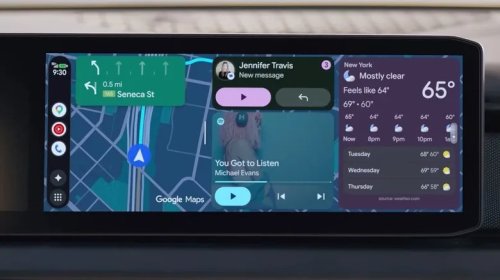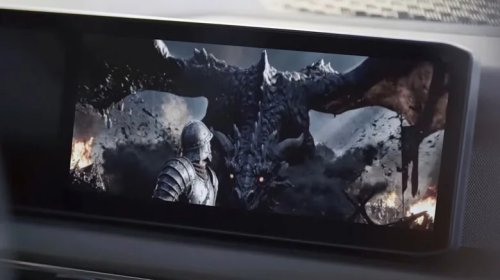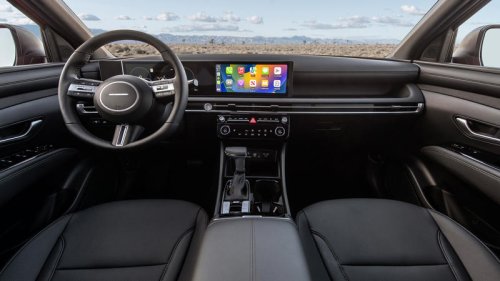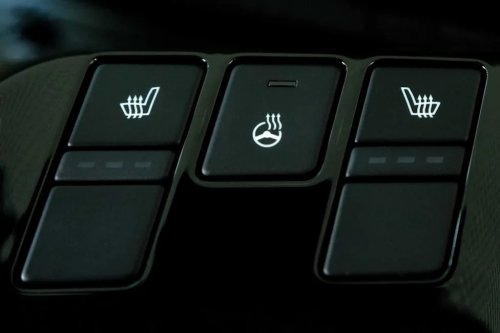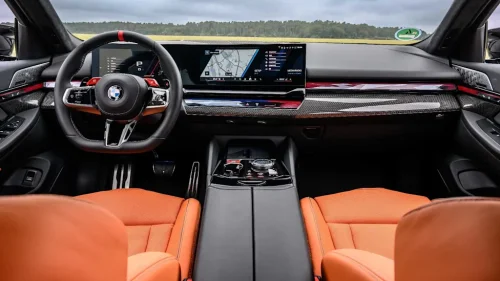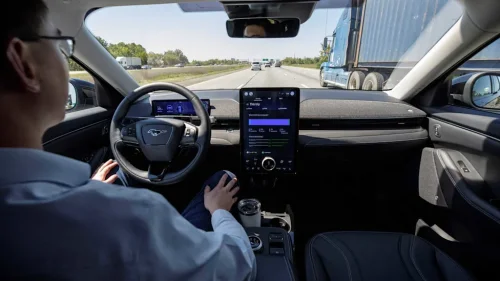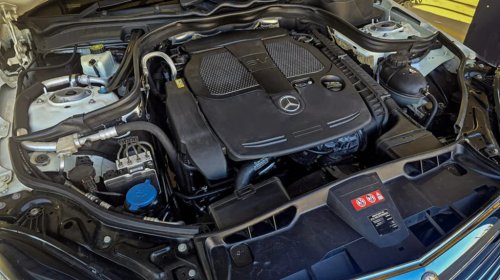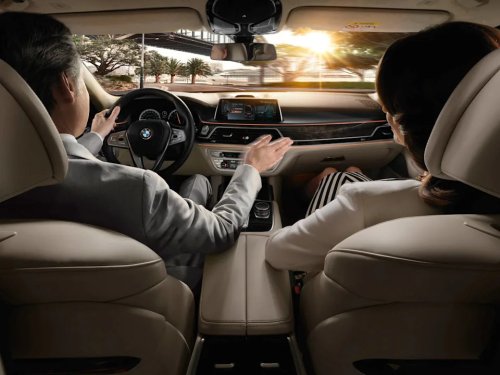
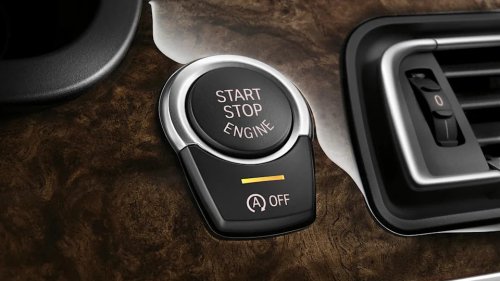
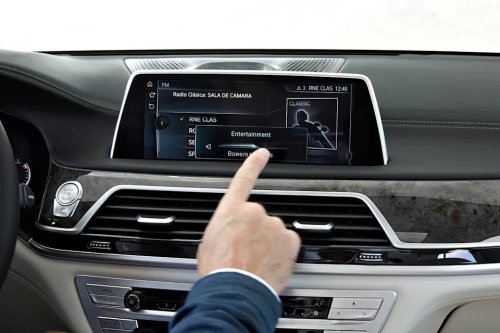
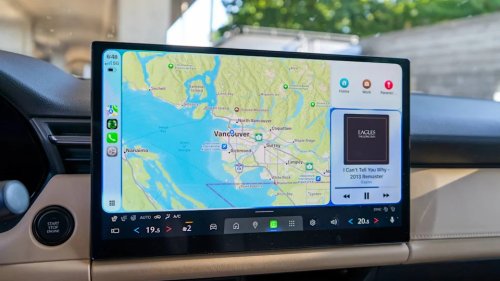
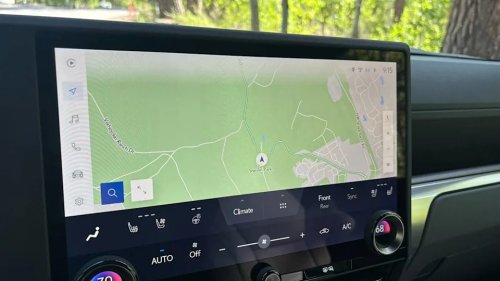
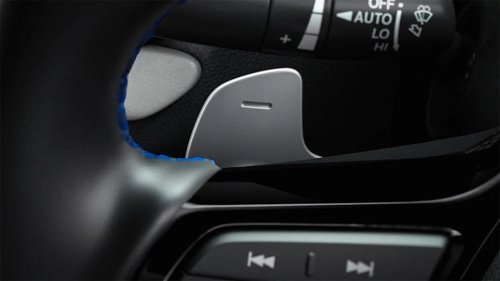
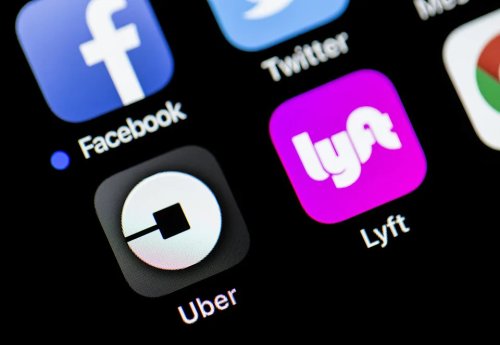



















Heated seats used to be a rare luxury in automobiles, but now they're almost expected from buyers, even on sub-$30k vehicles. The automotive industry has since added features such as ventilated seats, heated steering wheels, heated armrests, massaging seats, and even front passenger touchscreens. Many such features get used often, and they add comfort and convenience to car ownership, while other features seem almost pointless.BMWNot every feature makes driving easier, safer, or more enjoyable. There are even features that make simple tasks harder, oftentimes for the sake of design. Others may even increase driver distraction, but they get pushed onto options lists and create that "wow" factor before anyone's had a chance to criticize them. Here are six modern features that many buyers could happily live without.Auto Start-StopThe automatic start-stop off button in a 2012 BMW 7 SeriesBMWAuto start-stop systems shut off the gasoline engine when the vehicle is stationary—at a traffic light, for example—and restart it when the driver releases the brake. The goal is to reduce fuel use and emissions during idling. What they end up doing, for the most part, is annoy their users every time they come to a stop. Some systems feel seamless while others are laggy and rough. To make things worse, if driver's don't want to use the feature, they have to shut off the system every time they start the car because the system is active as a default.The feature can be irritating in stop-and-go traffic. Depending on the vehicle, drivers may notice a shudder when the engine restarts, a momentary change in air-conditioning performance, or a small delay when pulling away. The fuel savings can be significant, depending on vehicle use. According to Consumer Reports, fuel savings were between 7.27 and 26.4 percent during Society of Automotive Engineers (SAE) testing. But for those who won't see major gains based on their driving routes and habits, it's just an annoyance.Gesture ControlsBMWGesture-control systems seem like a great idea, at least initially. They promise an almost futuristic way to adjust volume, skip music tracks, answer calls, or operate certain infotainment functions. Instead of pressing a button or turning a knob, the driver waves a hand in front of a sensor. Should be easier, right? Wrong.I've tried BMW's Gesture Control, and it was inconsistent, at best. BMW recently abandoned the technology, stating that it wasn't a feature owners used often. Other carmakers like Mercedes-Benz continue to employ the technology in some of their models. Unfortunately, the technology isn't perfect; it may interpret normal hand movements as commands, forcing drivers to correct an unintended volume change or menu selection. Even when they work properly, a steering-wheel button or physical volume knob is typically faster, more intuitive, and easier to use without taking attention from the road.Touchscreen-Only Climate and Audio Controls2026 Mazda CX-5 GT AWDCole AttishaLarge screens are a reality, but they don't have to do everything. Some automakers insist on placing virtually all vehicular functions on the center touchscreen. While these high-tech screens can consolidate navigation, camera views, audio functions, vehicle settings, and smartphone integration in one place, the frustration and distraction happens when screens do it all for the most highly used functions like temperature, fan speed, defroster, heated seats, volume, and tuning—inside touchscreen menus. You have to menu dive, scan, and oftentimes press the screen a few times just to get one function going.Physical switches, knobs, and buttons provide tactile feedback. A driver can often adjust a familiar control with only a brief glance, or none at all, relying on muscle memory. A touchscreen requires the driver to find the right on-screen icon, tap it accurately, and sometimes move through another menu before making the desired adjustment. The best solution is mix of screen-based technology and dedicated switchgear for the functions people use most often.Built-In Native Navigation2026 Lexus GXJames RiswickFactory navigation was once a luxury feature worth paying for. Today, it's redundant. Google Maps, Apple Maps, and Waze are familiar, frequently updated, and available through Apple CarPlay and Android Auto in most vehicles today. However, manufacturers still like to upcharge for their own navigation systems. Some brands like GM (in many models), Lucid, and Tesla don't even offer Apple CarPlay or Android Auto.Smartphone-based navigation generally offers current traffic conditions, route changes, destination search, estimated arrival times, and points-of-interest data that are more dynamic than many built-in systems. CarPlay supports turn-by-turn navigation, traffic information, alternate navigation apps, and related driving tools through the vehicle's display.Native navigation still has a role for drivers who travel through areas with poor cell coverage, prefer an integrated system, or want an EV's factory route planner to manage charging stops. But for the average driver, paying extra for embedded maps can feel like buying a second phone just to make calls.CVT Paddle ShiftersContinuously variable transmissions are designed to avoid fixed gear ratios. Their key advantage is the ability to keep the engine at an efficient—or powerful—rpm rather than stepping through conventional gears. Paddle shifters for CVTs feel like a bit of a joke, attempting to mimic gear changes when there are, technically, none. These programmed fixed ratio steps are supposed to create the impression of a conventional automatic transmission. What you get aree fake shifts, extra engine noise, and another set of controls most owners will never use.One exception exists: paddle controls can be useful in hybrids or CVTs that allow the driver to select stronger regenerative braking. But manual gear simulation for the sake of sportiness is counterintuitive to the smooth, efficient purpose of a CVT.In-Car Social Media and GamingGettyIt seems carmakers feel pressured to add features to their big screens, as if more is always better. Yes, a big vehicle screen can be useful while parked, and it can provide entertainment to pass the time when you're waiting. It can display charging information, stream entertainment during a long charging stop, or occupy passengers waiting in the car.But social-media apps and video games have pretty much zero value for the driver once the vehicle is moving. They create an obvious distraction risk and add little functionality that a smartphone or tablet cannot provide while parked. The better approach is to lock entertainment and social-media functions while driving, reserve them for use only when parked, and keep the driver's display focused on navigation, vehicle information, and essential controls. In fact, it would be great if those icons immediately were greyed out when the car is moving.Final ThoughtsThe best automotive technology is the kind that adds convenience, rather than detracting from it. Adaptive cruise control, automatic emergency braking, blind-spot monitoring, well-designed camera systems, reliable smartphone integration, and physical controls for frequent functions all can improve the ownership experience. These six are the opposite, and we wonder why automakers decided they were desired, much less even necessary.