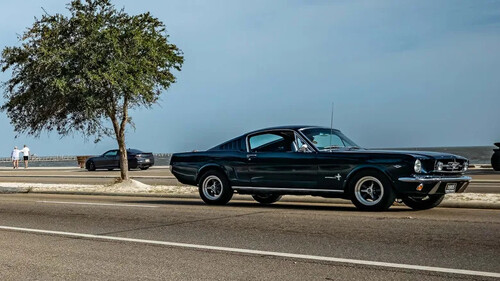
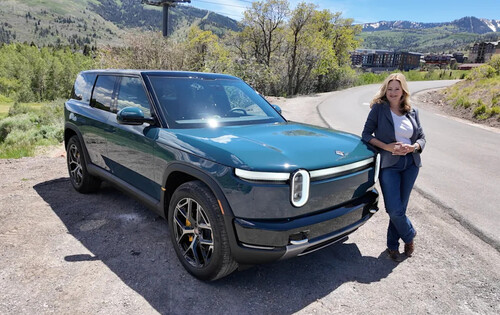
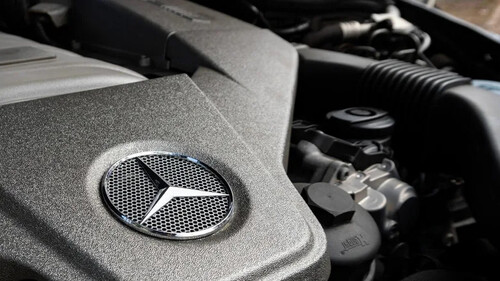
9 New-Car Features That Sound Convenient Until You Have to Live With ThemMotorTrendDoug NewcombFri, September 11, 2026 at 1:49 PM UTCAdd us on Google9 Potentially Annoying Car Features to Avoid in Yoryan lugo - MotorTrendYou can't blame automakers for looking for an edge on the competition by coming up with new features, or for jumping on the bandwagon when rivals introduce a new gizmo or convenience. Or, of course, when they're complying with federal safety regulations.But you can fault them for adding features no one asked for but add to driver frustration or are simply the result of bad design and poor execution. From all-touch controls to awkward USB port placement to shiny interior surfaces, here are nine features to look for and potentially avoid, if possible, in your next vehicle.1) Starting Over … and Over and OverPhoto credit: MotorTrendFew car features cause more annoyance and debate than vehicle stop/start, which automatically stops and restarts a vehicle's engine while waiting at, say, a red light to reduce idle time and subsequently increase fuel economy and lower emissions. While the feature has been around for decades, it became dominant in new vehicles after the EPA started rewarding automakers with compliance credits in 2012 for using engine stop/start to meet federal greenhouse gas and fuel economy standards. While most vehicles have a switch to turn off the feature—and some owners even install a device called Autostop Eliminator to save them the trouble of using the switch—in early 2026 the EPA eliminated the compliance credit to curtail what it called the "almost universally hated … feature in American vehicles." While the feds didn't go as far as compelling car companies to kill the feature, very few new vehicles come without it, including sports cars such as the 2026 Ford Mustang GT, 2026 Mazda MX-5 Miata, and platform-sharing 2026 Toyota GR86 and Subaru BRZ.2) Not a Human TouchPhoto credit: LincolnPerhaps the most annoying features for drivers are touch-only infotainment and climate controls that often require looking away from the road to operate compared to physical buttons and knobs that can be managed by feel. Automakers' pursuit of creating a smartphone-like interface has so frustrated car buyers that's there's been a backlash, causing some car companies to add buttons and knobs back to the dashboard. Honda bowed its Display Audio infotainment system in the 2015 model year that used a capacitive touch slider on the radio (and a touch strip on the steering wheel) to adjust volume, only to add a good ol' volume knob to the system by the 2019 model year due to consumer complaints. Many other automakers including Audi, Hyundai, and Mercedes-Benz also brought back buttons for audio and climate control for the same reason.3) Let's Get PhysicalPhoto credit: TeslaA subset and even more aggravating aspect of automakers' efforts to reduce the number of buttons and knobs in vehicles is employing electronic controls for physical features such as side-mirror and steering-wheel adjustments. Blame Tesla for creating this trend by burying these controls in the center infotainment screen, with EV automakers Lucid, Polestar, and Rivian as well as Ford and Volvo following this folly and forcing car owners to fumble with a touchscreen rather than just reach for a physical button or switch.4) Poor Port PlacementPhoto credit: Mercedes-BenzAdvertisementAdvertisementUSB ports have become a vital feature in modern vehicles, with automakers touting their quantity in a car as a selling point. Maybe it's because we auto journos jump from vehicle to vehicle as part of our occupation and don't always leave a USB cable plugged in, but it defies logic that car interior designers place USB ports in awkward locations like far back in the storage area under a center console or in a dashboard cubby only large enough for a child-sized hand. Make sure to plug and play while testing your next car to make sure you don't have to twist yourself into a pretzel just to get power for your portable device.5) Nagging Nanny Driver CamerasPhoto credit: VolvoDriver-monitoring systems (DMS) use an infrared interior camera to look for signs of distraction or fatigue and then issue a warning if certain conditions are detected. The European Union mandates that all new passenger and commercial vehicles be equipped with DMS tech. The U.S. also passed a law in 2021 requiring that DMS be included on all new passenger vehicles starting in 2026 to "passively monitor the performance of a driver of a motor vehicle to accurately identify whether that driver may be impaired," although the regulation is currently delayed due to privacy and political concerns. Although DMS is an important safety technology in these days of increasingly distracted driving, some systems (we're looking at you, Subaru) border on badgering since they issue warnings if a driver just glances away from the road for a few seconds. Fortunately, DMS features can be turned off; unfortunately, they activate automatically each time the car is started.6) Fingerprint Don't FadePhoto credit: MotorTrend - MotorTrendSome automakers think piano-black interior surfaces signify luxury, but anyone who owns a vehicle with this kind of finish will also tell you it's also a magnet for fingerprints and smudges. The same applies to infotainment touchscreens, which after a while can look like a child's messy finger paintings in a certain light.7)Photo credit: William Walker - MotorTrendSome automakers also use aluminum or similar shiny silver materials in vehicle interiors such as the dash or center console for a sleek, modern aesthetic. And while they do look cool, when the sun hits these surfaces at a certain angle, they can reflect light like a mirror and temporarily blind a driver.8) Alarm Fatigue in the Car CabinPhoto credit: MotorTrend - MotorTrendAdvertisementAdvertisementSeat-belt, airbag, and tire-pressure reminders are mandatory on all new vehicles, but some cars create a cacophony of driver assist and other warnings and have added new ones such as rear-seat reminders. Alarm fatigue is a real issue in the medical field and can cause nurses to overlook important notifications and make dangerous mistakes, and it's increasingly coming to cars.9) Lock, Unlock, Repeat Ad NauseamPhoto credit: Getty Images - Getty ImagesAutomatic locking and unlocking vehicle doors that activate via a proximity sensor in the key fob can eliminate a driver having to dig into a pocket or purse for the fob to access the vehicle. But if the vehicle is parked nearby, it can turn into an annoyance since the feature usually emits a beep and flashes the car's lights to verify a lock or unlock activity. One car owner told The Wall Street Journal that while watching a Fourth of July fireworks display near his vehicle—and doing its own version of auto lock/unlock pyrotechnics—other spectators started protesting. Although the feature can be turned off via a vehicle's settings menu, the owner resorted to covering the car's front end with a quilt to mute and shroud the unwanted and annoying sound and light show—and quiet the crowd of hecklers.