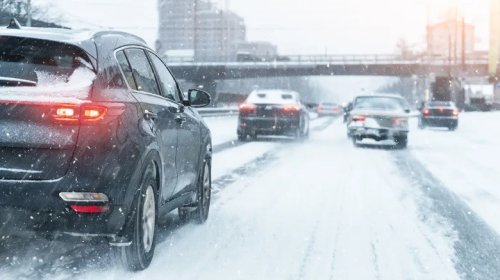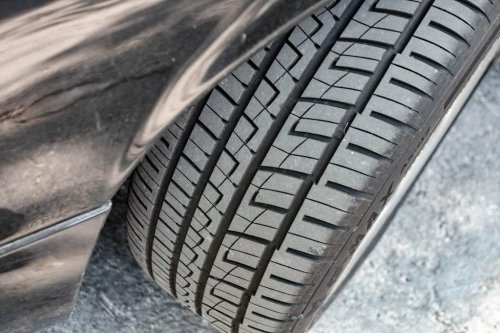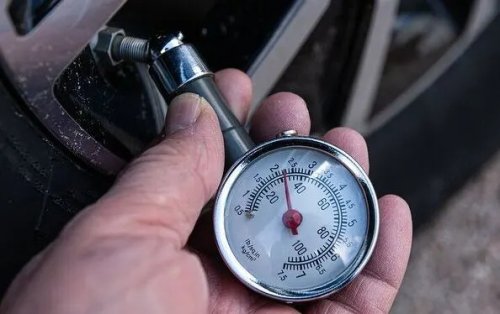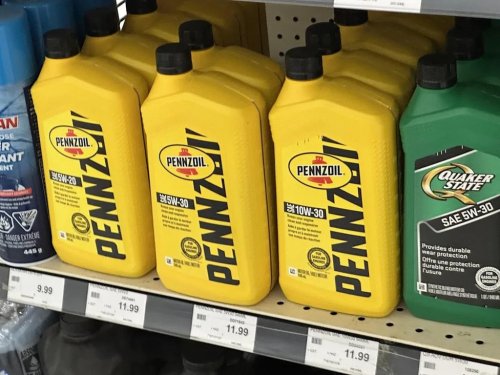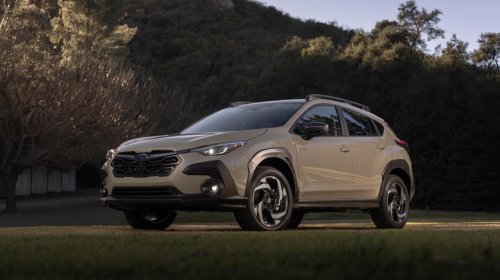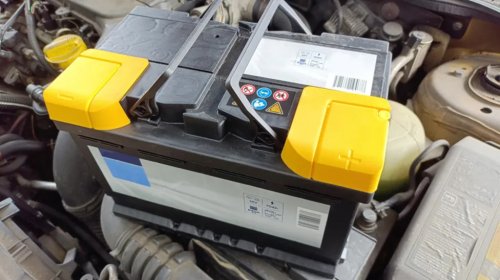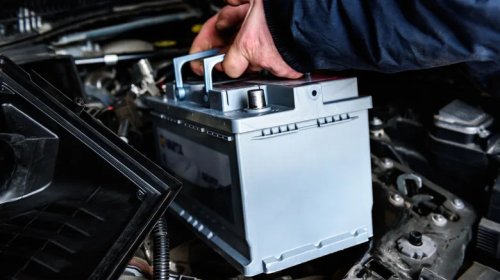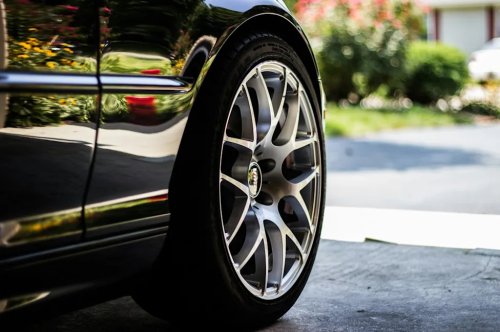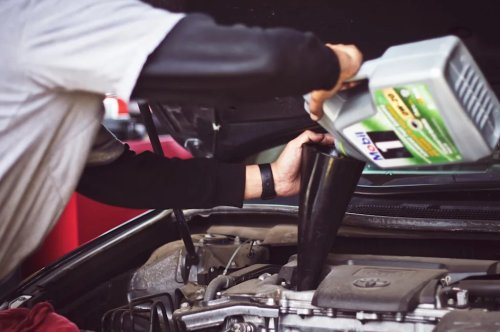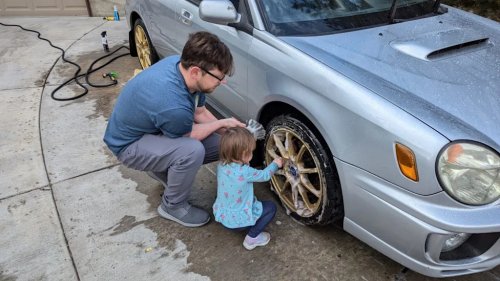
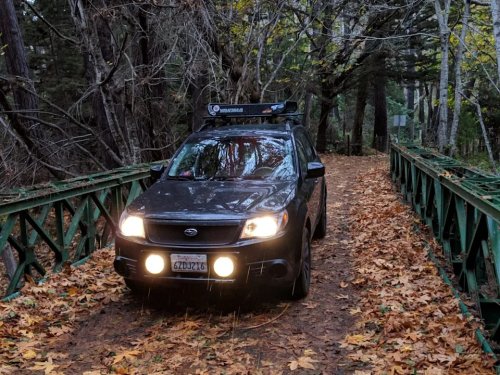
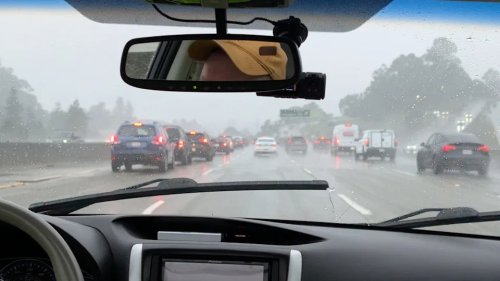
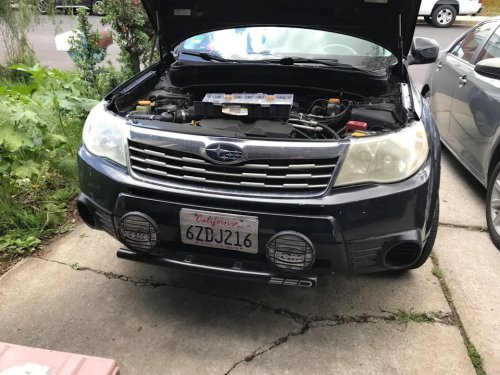
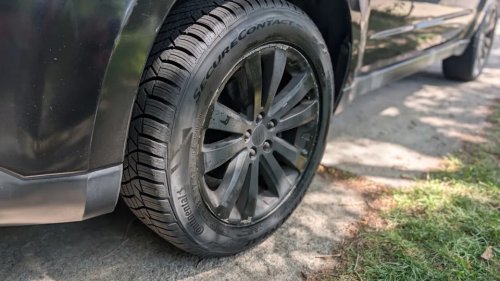
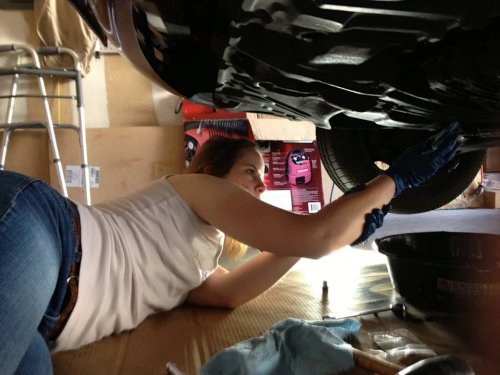
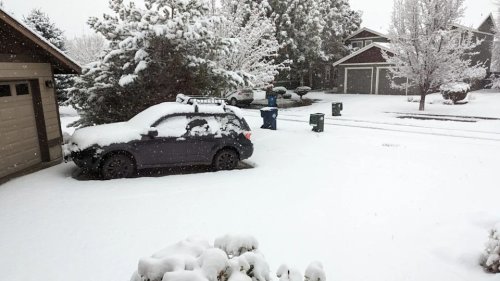
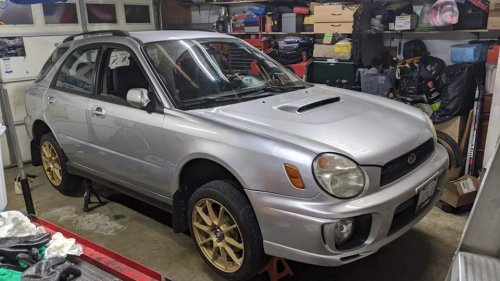



















6 Nonnegotiable Fall Car Maintenance Checks, According to a Master TechnicianA Girls Guide to CarsKristen BrownSun, September 27, 2026 at 10:00 AM UTCAdd us on GoogleKristen BrownWhat a Master Technician says you need to inspect, replace, and prep now to avoid costly headaches before the season changes.In case you missed it, the first day of autumn was September 22. For my family in California, we're still dealing with summer temperatures; my kids still smell like sunscreen, and taking breaks on the porch with an Otter Pop (sometimes two or three…) are still regular occurrences. However, like clockwork, my husband Benjamin, who happens to be an ASE-Certified Advanced Level Specialist and Subaru Certified Master Technician with nearly 20 years of professional experience, can sense change in the wind.And a change in the wind is like a bat signal to him. He's thinking about his fall car maintenance checklist. He'll inspect the condition of the paint on our cars and prep it for lower temperatures and rainfall, treat the windows with hydrophobic spray to increase visibility, and do battery health checks—among other things.AdvertisementAdvertisementIn case you don't have an industry veteran at home like I do, here's what my darling says drivers should check right now to stay safe, avoid expensive repair bills, and keep their vehicles running for hundreds of thousands of miles.This story is 100% human-researched and written based on actual first-person knowledge, extensive experience, and expertise on the subject of cars and trucks.1. A Fall Car Maintenance Must: Keep an Eye on Those Dead LeavesMy Subaru Forester driving over a collection of autumn leavesWhile colorful autumn leaves make for picturesque drives (and invite a warm mug of something under a blanket), they can pose an unexpected hazard to vehicles parked and left outside. This, he says, is a fall car maintenance check that most customers ignored."The leaves themselves won't cause immediate damage, but if they're allowed to accumulate, they block critical drainage channels around the cowl, hood, sunroof, and trunk," Ben says.AdvertisementAdvertisementWhen those water runoff channels clog, rainwater has nowhere to go except inside the car."Water will eventually find its way into your cabin or trunk, soaking into the floor carpets and causing stains or mold," he warned. It happened to me years ago with my old Nissan Maxima, and once that mold smell takes hold, it's remarkably difficult to get rid of.Leaves left sitting on your exterior panels can also damage your paint's finish. "Decomposing leaves trap moisture and release acidic tannins that can etch through clear coat if left for extended periods," so he recommends a fresh layer of wax before the wet season to create a protective barrier.2. Check Your Battery's Health, and Take a Look At Your WipersMy dad driving my Subaru in the rain with fresh wiper bladesBetween summer air conditioning and winter defrosting, your car's electrical system works overtime in extreme weather. As temperatures tumble, an older battery is usually the first component to fail. Therefore, one of the first box he ticks on his fall car maintenance list is checking the battery's health.AdvertisementAdvertisement"Summer heat degrades battery life, but cold weather creates the heavy demand," he suggests. "Starting an engine in the cold takes more cranking power because engine oil becomes thicker and more viscous. If your battery is over three years old, get it tested at a local shop or test it with an at-home tester so you aren't caught stranded."You should also inspect your wiper blades. Months of baking under intense summer sun and high temperatures can dry out and crack the rubber edge. Before the temperatures drop too far, consider checking and swapping your windshield washer fluid to an antifreeze-infused one."If you live in an area that sees early frost or snow, swap out your washer fluid for a winter-rated formula right away," my husband advises. "Once you top off the reservoir, spray the washers for a few seconds so the freeze-resistant fluid fills the rubber feed lines, preventing the hoses from cracking or freezing solid."If you have it handy, treating your windows with a hydrophobic solution, like RainX, is a game-changer when it comes to being able to see out of your windshield during a downpour. It's helpful with snow and slush, too.3. Take a Gander At Your Filters, Hoses, and BeltsMy husband checking the filters, hoses, and belts on a brisk autumn morningAnother fall car maintenance must is getting under the hood and checking the rubber parts, like your hoses and belts, before the first freeze makes them brittle.AdvertisementAdvertisement"Summer doesn't usually damage rubber hoses and serpentine belts, but cold snaps cause hardened rubber to crack under stress," said Ben. "Give your cooling hoses a quick check. If any hose feels hard, brittle, or shows visible surface cracks rather than feeling supple and slightly pliable, have it replaced before it gets too cold."He also recommends inspecting both the engine air filter and the cabin air filter—especially if you've spent the summer driving in dry, dusty climates. "A clogged cabin filter severely restricts airflow, which directly affects how quickly and effectively your defroster clears your windshield on frosty mornings."4. Look At Your Tires, and Have Your Brakes CheckedMy Subaru's tires are brand new, but it never hurts to make sure your tread is up to the taskFall brings slick roads covered in wet leaves, early morning frost, and sudden downpours. That means tires and brakes need to be ready to make quick stops, evacuate water, and maintain grip. Your brakes need to be able to do their job, too. To, you know, stop the car."Check your tires' tread depth. You don't want to go into a rainy season on iffy tires," he urges. "Bald tires in cold rain, snow, or slush can be incredibly dangerous. Make sure your tread depth is well within safe legal limits and look for even wear across the contact patch."AdvertisementAdvertisementIn the shop, he'd often recommend a brake inspection when customers came in for their summer-to-fall car maintenance appointments. "A good technician would check to make sure you don't have worn pads or a sticky caliper. That way you don't have to deal with a sticky pad or insufficient pads if you need to slam on the brakes on a slippery, cold road surface."5. Lastly, Check On All of Your FluidsMe changing the oil on my dad's Ford TaurusFluids, my husband says, are often neglected for fall car maintenance. And that's usually because people don't understand the tumultuous relationship between your engine's fluids and the ambient temperature. As temperatures drop, your engine has to work harder to stay lubricated as the fluids become thicker (or viscous). You can avoid that by keeping your fluids fresh."Cold starts are tough on an engine, and fresh oil lubricates internal moving parts significantly better than old oil," he says. "Pull the dipstick and take a look. If your oil is dark brown or black and you're nearing the end of your service interval, don't wait. Change it now."Finally, make sure your engine's coolant levels. "It's called antifreeze for a reason," he says with a sly smile. "Coolant prevents the water inside the radiator and engine block from expanding and freezing solid, which can crack an engine block or blow out freeze plugs. If the fluid level is low or old, it won't protect your engine against extreme cold or regulate running temperatures properly."AdvertisementAdvertisementCoolant, though, is also essential for fall car maintenance—it keeps your engine from getting too hot (hence the name coolant). If your coolant is old or your level is low, your engine is at risk of overheating, which comes with a long list of other costly problems. Just Google "how much does an engine replacement cost," and you'll never skip checking your engine oil or coolant ever again. Trust me.6. Where There's Snow, There's De-Icing—Which is Your Car's Worst EnemyMy Subaru covered in a fresh coat of snowDepending on where you live, snow might be a factor on your fall maintenance list. It was for us in Oregon. If that's the case, pay very close attention to your car's undercarriage—especially if your state uses road salt or de-icing chemicals."Road salt and de-icing chemicals will aggressively eat away at a subframe, brake lines, and suspension components," he warns. "While newer vehicles utilize modern protective coatings on the metal frame, cars that are ten years or older (like mine) are a lot more vulnerable. Running your vehicle through a wash that sprays the undercarriage clean throughout the winter is one of the cheapest ways to add years to its life."If you can't run it through a car wash, spray the undercarriage every once in a while to wash it away.My Husband's Secrets to 10+ Years of Old Car OwnershipMy husband's 2002 Subaru WRX, which he's owned for 14 yearsMy husband and I own four cars between the two of us. I have my Subaru Forester and Jeep Wrangler, while he has his beloved Subaru WRX and an old Land Rover Discovery. The WRX is his pride and joy because he's owned it for 14 years—two years longer than he's known me. Our newest car is my Forester, which is a 2011. So, each of our cars is over 10 years old, with close to 200,000 miles on the odometer across the board. How did he keep them all in such excellent condition for so long?AdvertisementAdvertisementIt comes down to ignoring bad advice and treating scheduled service like a doctor's appointment, for fall maintenance and beyond."The old saying that you can neglect certain brands and they'll 'run forever if you don't maintain them' is a myth nobody should listen to," he says, shaking his head. As a seasoned technician, he's heard it from customers one too many times. "Every car comes with a factory maintenance schedule—either in the glovebox manual or loaded in the touchscreen. Follow those service intervals closely: transmission flushes, spark plugs, differential services, and oil changes. Fixing small items early prevents the catastrophic multi-thousand-dollar failures later."And, of course, he suggests taking some pride in your car's appearance."I detail the interior with UV protectants and wax our cars twice a year—once in spring, and once before winter hits. Taking pride in how your car looks keeps you motivated to invest in its mechanical health."