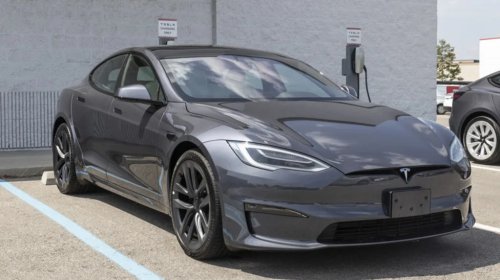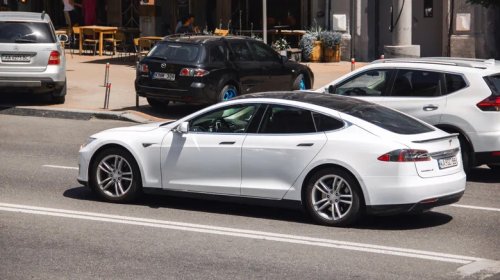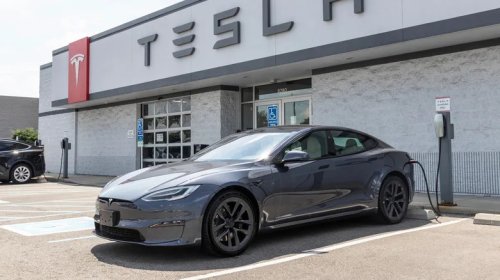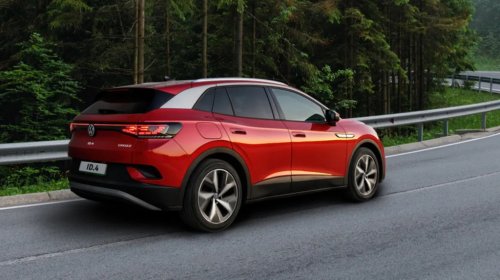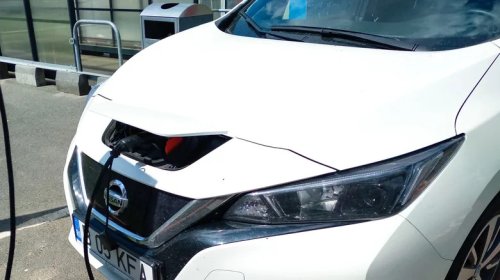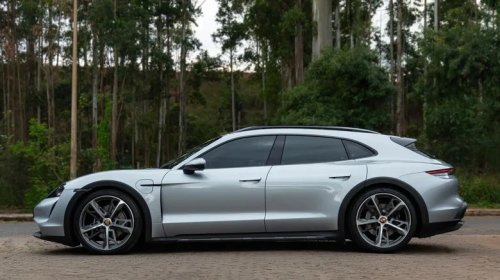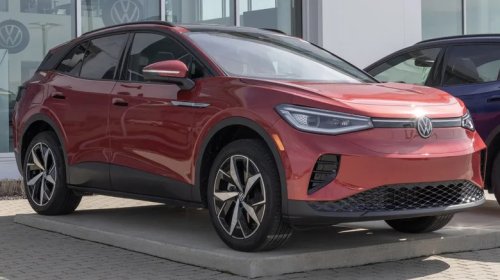
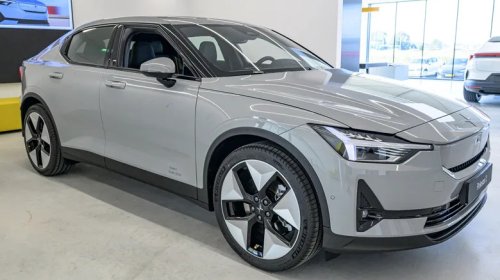
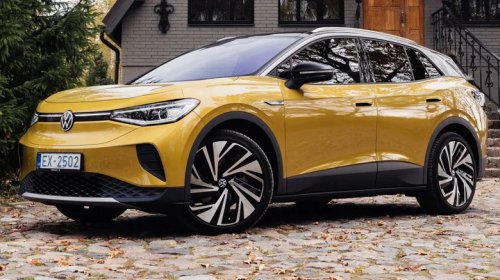
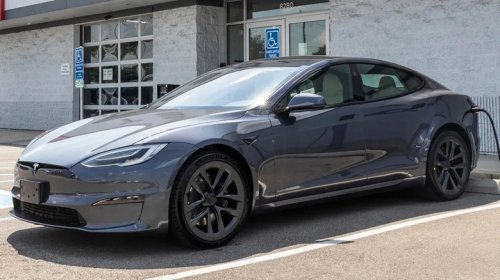
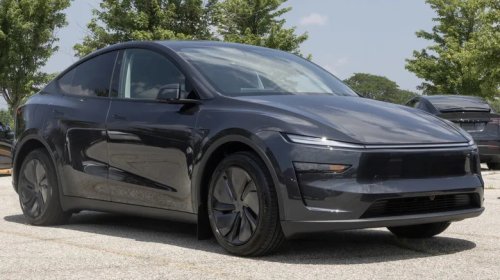
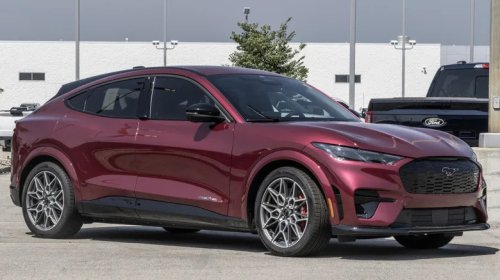



















Jetcityimage/Getty ImagesDespite the rising popularity of electric vehicles (EVs) in recent years, many of these cars don't retain their value over time. In fact, according to iSeeCars, the overall EV segment sees a 57% drop in value over the first five years of ownership, a big loss for anyone who buys an EV and wants to resell it in the future. Some of this is due to the fast pace of change in automotive technology, making older cars less desirable. In addition, frequent price cuts on newer models and battery degradation concerns are contributing factors to this steep drop in an electric car's value.Sharp depreciation is one of the most common problems with electric vehicles, especially for those who plan to keep one for many years. After all, if a newer EV offers greater range, older models need to become cheaper to remain competitive. Some EVs are more sensitive to this value decrease than others, which makes the depreciation rate vary widely. However, well-known models like the Mustang Mach-E and Tesla Model Y are some of the most notable on this front. These, along with a few more key models, are electric vehicles that have seen more than a 50% value drop over five years.Polestar 2Sjoerd Van Der Wal/Getty ImagesWhen the Polestar 2 arrived in the U.S. in 2021, it was positioned as a luxury EV, but its resale value has plummeted since. The Launch Edition was originally priced at $61,200. Five years later, you can find this model for $20,400, which is a drop of 67%. And it wasn't just the Launch Edition that saw that level of depreciation. iSeeCars estimates the average Polestar 2 will depreciate 62% over five years.Those numbers put this Polestar EV among the models that lost the largest amount of value during the last five years. One of the reasons for that is how the Polestar 2 has evolved. The estimated range in 2021 was 233 miles. By 2024, the Long Range Single Motor version could reach up to 320 miles on a full charge, with faster charging speeds. That extra range and charging capability can make a difference when it comes to long-term value.Volkswagen ID.4North Monaco/ShutterstockThe Volkswagen ID.4 arrived in the United States in 2021 as one of the German automaker's early entries into the electric SUV market. The Pro version had a suggested price of $41,190, including destination, but that figure did not remain stable in the following years and dropped considerably. Today, you can find the same model for approximately $16,400, a loss of more than $24,000, despite its focus on offering owners a premium experience.One factor that may have contributed to the ID.4 Pro's value decline of more than 50% in five years was the change in the incentives Volkswagen offered during that period. When it entered the market, VW included three years of free, unlimited DC fast charging through Electrify America. As of 2024, this perk was capped at 500 kwh. Today, only a few automakers offer free charging with their EVs, like the BMW i4 and some Mercedes-Benz EVs.Tesla Model SJonathan Weiss/ShutterstockThe Tesla Model S is one of the most well-known EVs in the U.S. market, but that hasn't stopped it from experiencing the same steep depreciation as the rest of the EV segment. The Plaid trimline was introduced in 2021, with a sticker of $141,190, while the Long Range was $91,100 at the time. Five years later, the KBB Fair Purchase Price for the Plaid is $51,600 and the Long Range is $38,900. This translates to a loss of 63%, against its original 2021 value, for the Tesla Model S Plaid.The Long Range saw a slightly smaller depreciation, but even so, owners who bought this EV new and held on to it have experienced a value loss of $52,000, or 57%. Tesla's price cuts over the years have played a part in the Model S losing value. In 2023, the Plaid's price was lowered to $114,990. That makes things harder for owners trying to sell older models, as used prices have to adjust to the lower cost of a new Model S. This is one key thing to keep in mind when buying a used Tesla.Tesla Model YJetcityimage/Getty ImagesEven though it was the first EV to be the world's best-selling car, the Tesla Model Y has failed to avoid a notable fall in resale values. The Model Y Performance started at $61,190 in 2021, while Long Range trimlines were $51,190. The same models now sell for an average of $29,100 and $28,100, respectively, in the U.S. That translates to a depreciation of 52% for the Model Y Performance after five years of ownership, compared to 45% for the Long Range variant.Tesla has repeatedly cut the prices of its own cars, including a $13,000 cut, nearly 20%, on the Model Y in 2023. Lower prices on new cars influence the second-hand market, bringing used car prices down as well. The arrival of a redesigned Model Y in 2025 added another layer of difficulty for used models to find new buyers, since they had a newer vehicle to consider, making it more difficult for earlier versions to maintain value.Ford Mustang Mach-EJetcityimage/Getty ImagesWith the Mustang Mach-E, Ford stepped into the EV segment in 2021 by combining the iconic Mustang name with a fully electric SUV. In the US, the model was released that year with a suggested price of $60,000 for the First Edition, and $61,600 for the GT model. The Mach-E later appeared among the most reliable electric SUVs, but that didn't stop it from depreciating significantly in the years that followed.In 2026, the Mustang Mach-E First Edition is worth $22,800, and you can expect to pay about $27,500 for the GT. That represents a 5-year depreciation of 62% for the First Edition and 55% for the Mach-E GT. Ford contributed to this, as it reduced the Mustang Mach-E's price on several occasions, including by $8,100 in 2024. New Mach-Es now offer up to 320 miles of range, compared to 300 miles for 2021 models, helping further push down prices on the used market.Enjoyed this article? Sign up to BGR's free newsletter and add us as a preferred search source or follow us on Google for the latest in tech and entertainment, plus tips and advice you'll actually use.