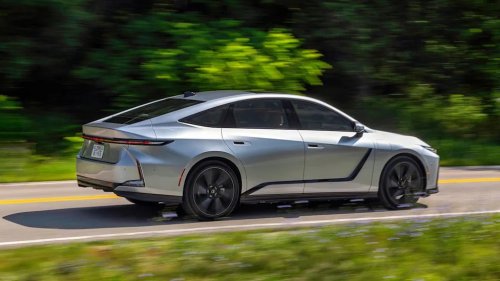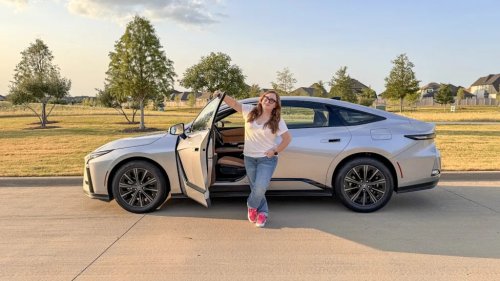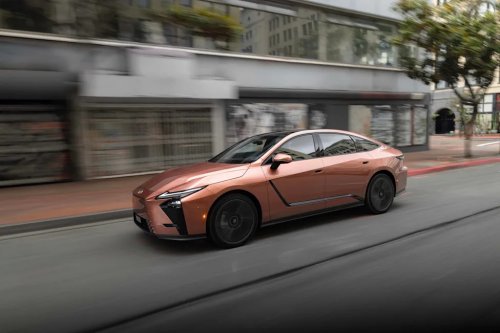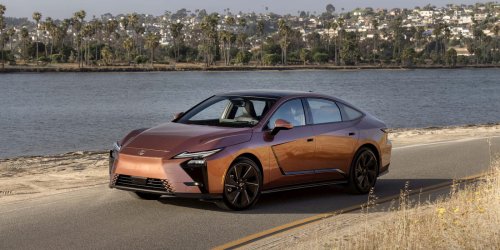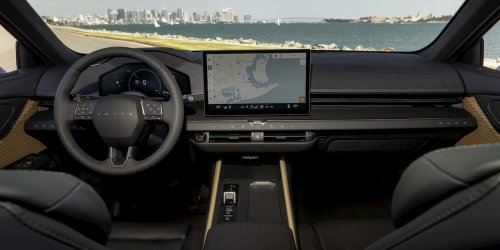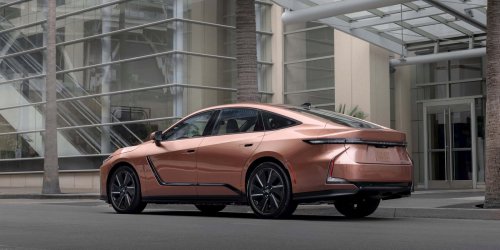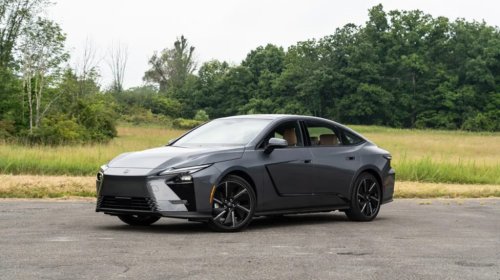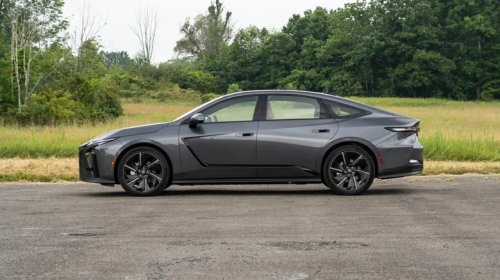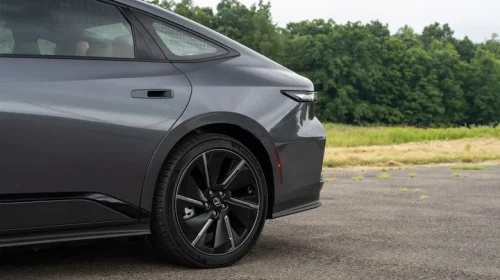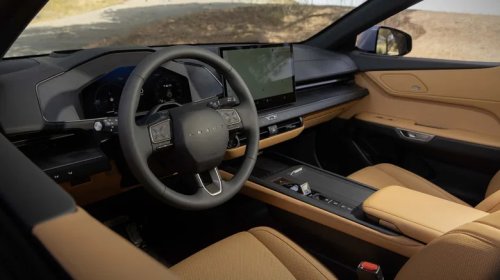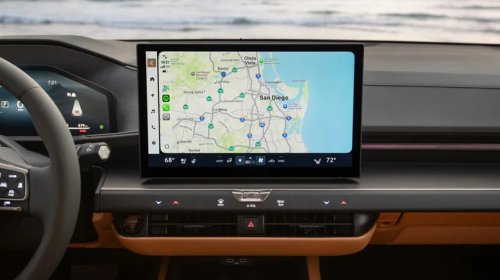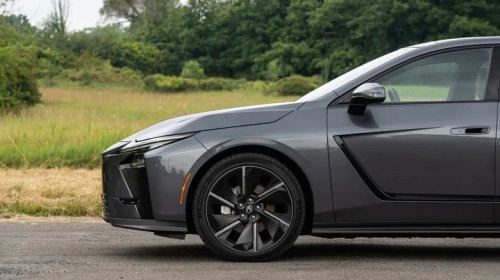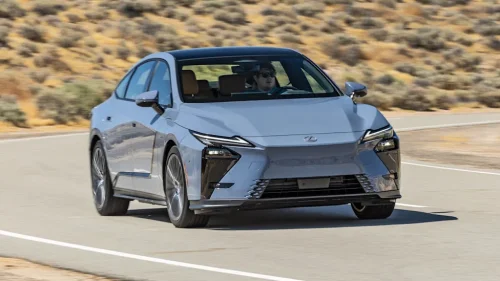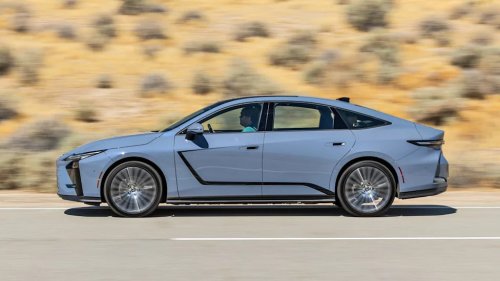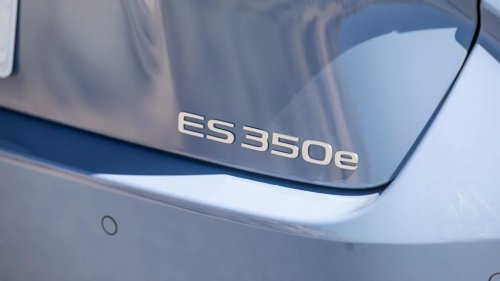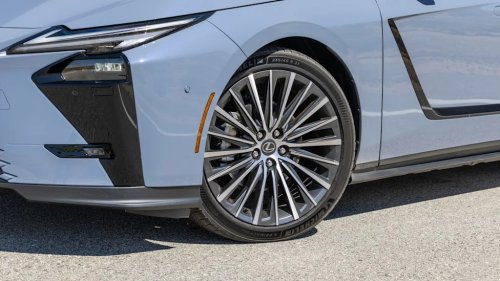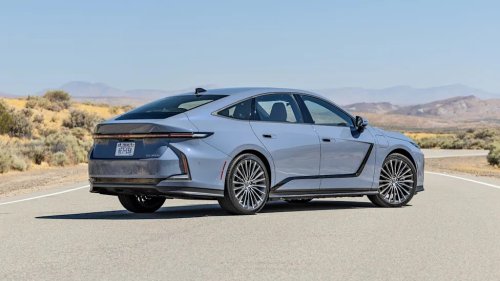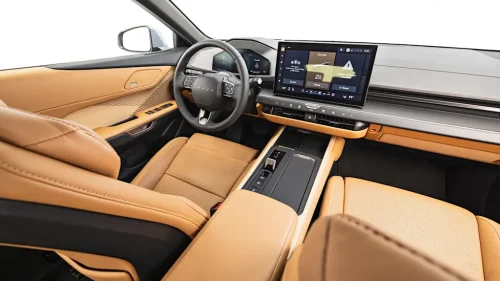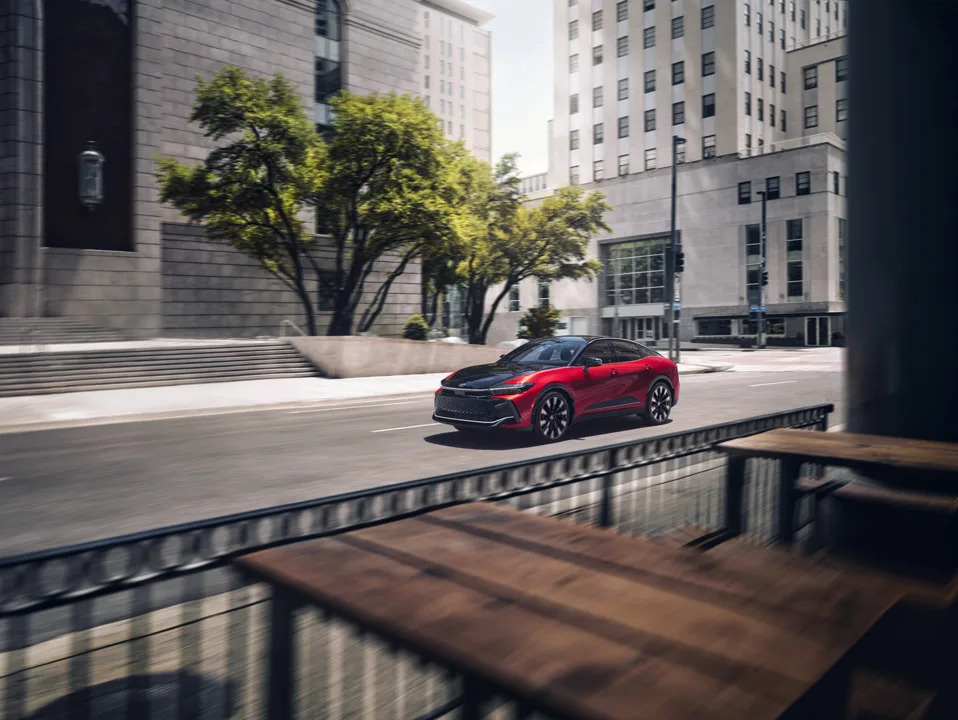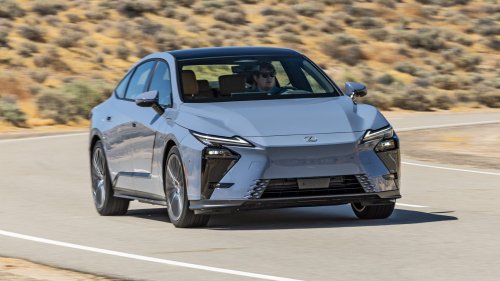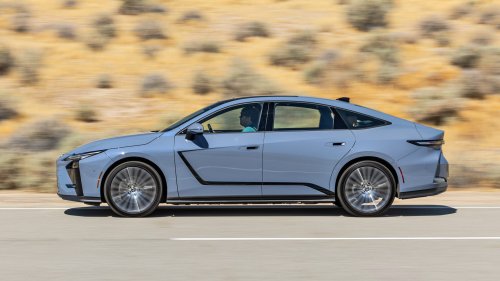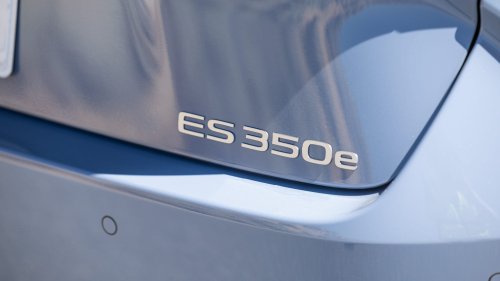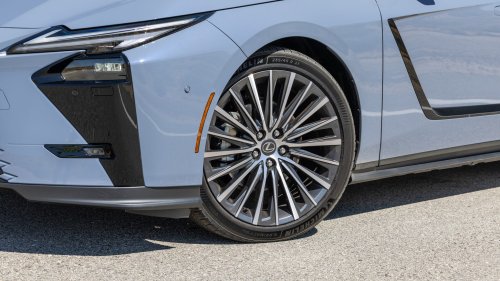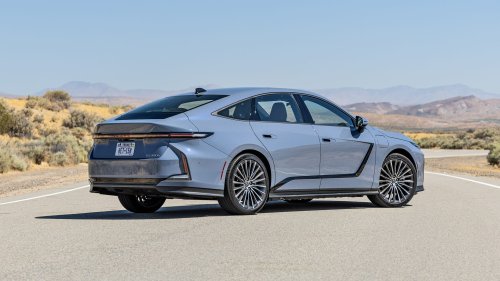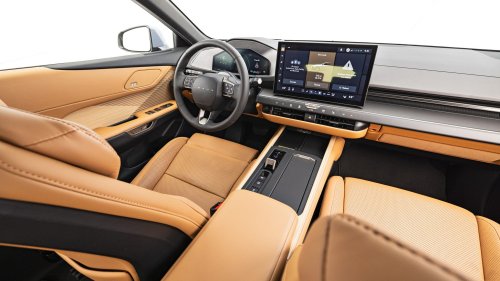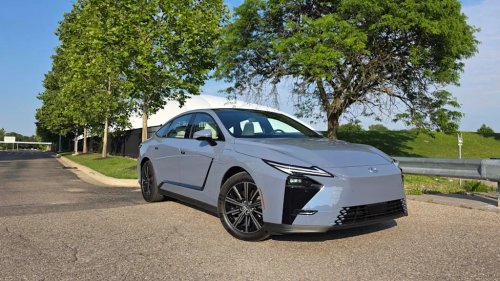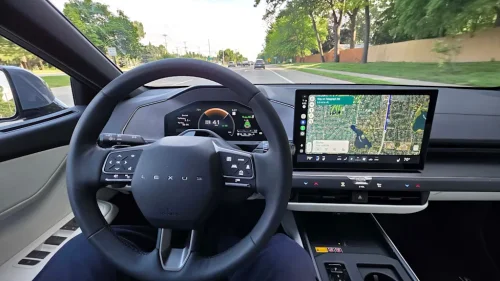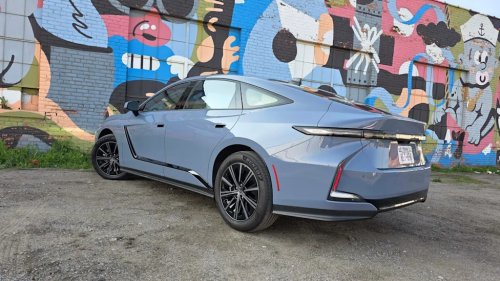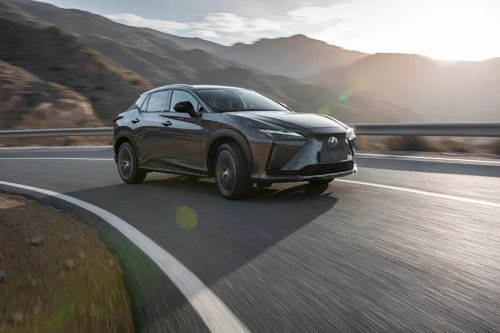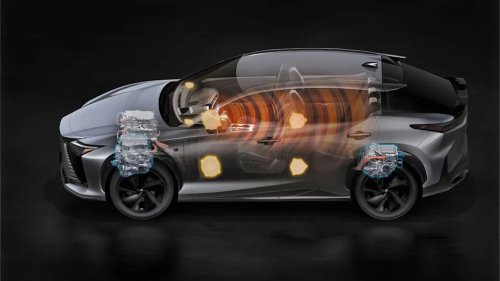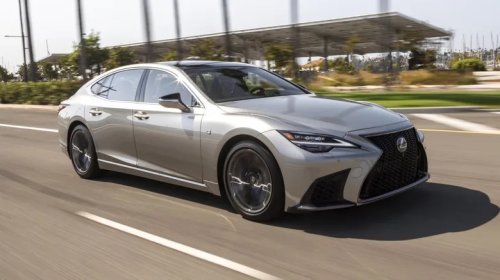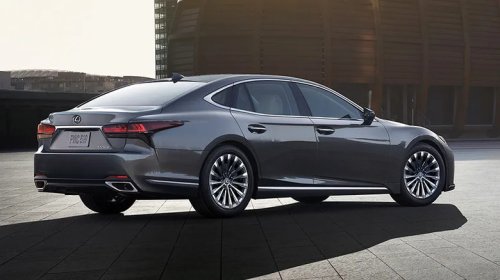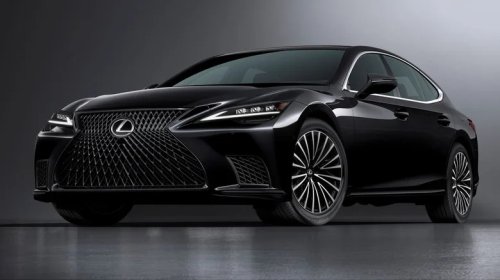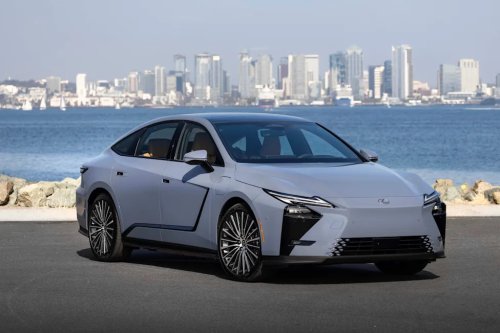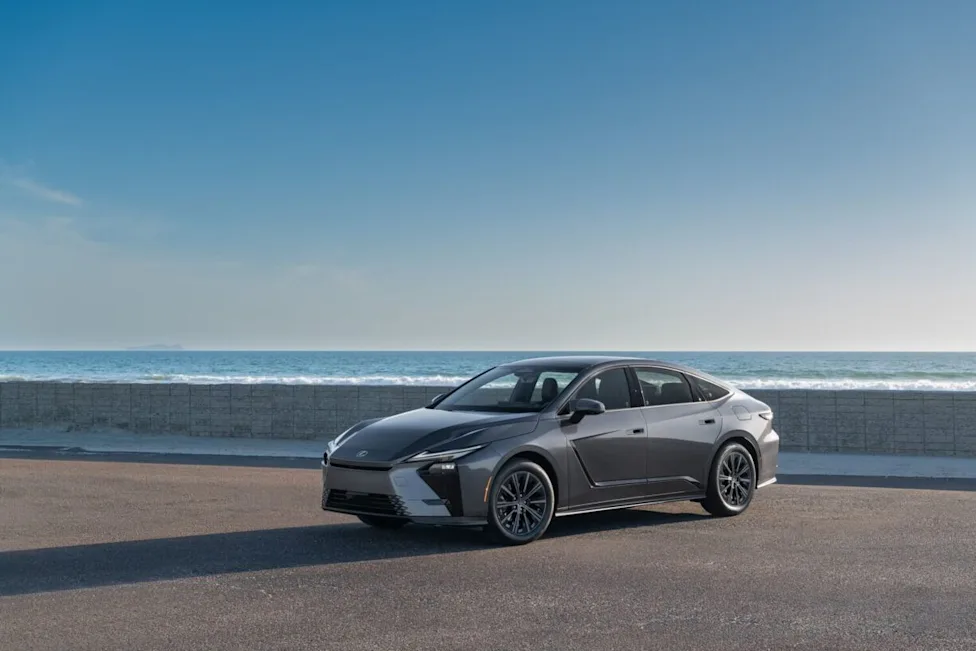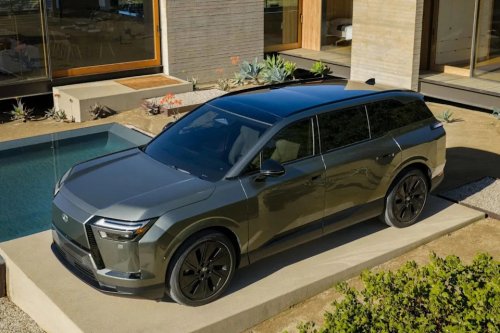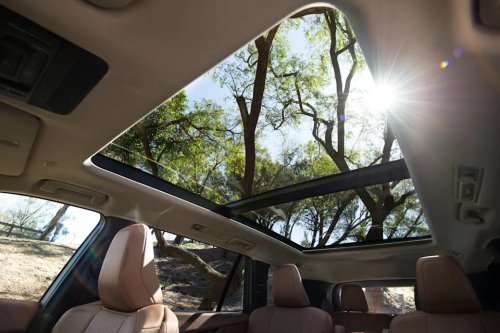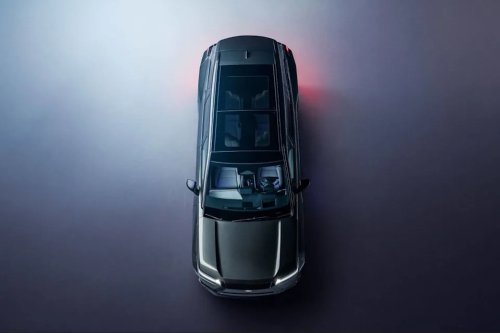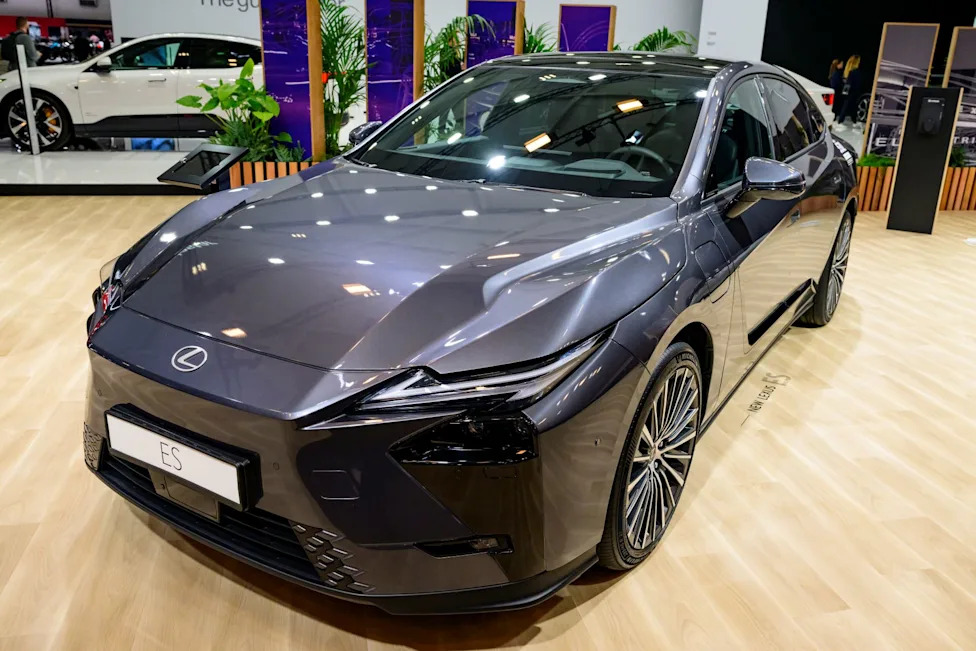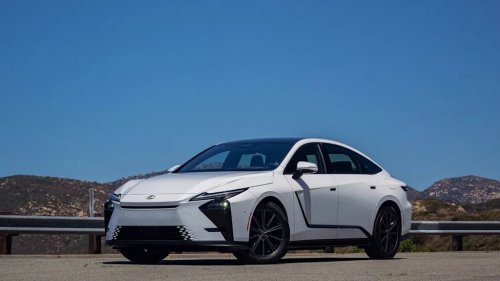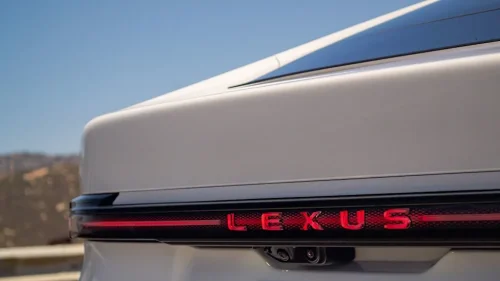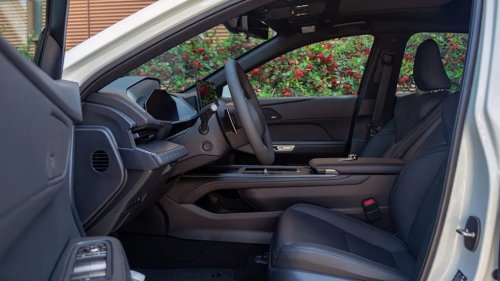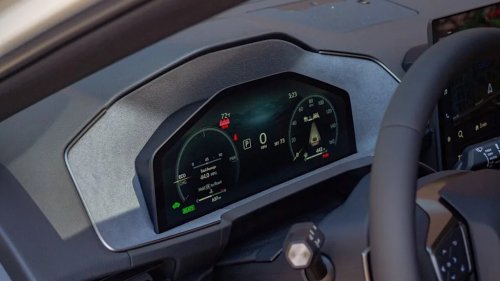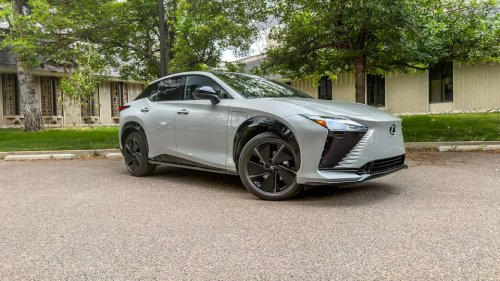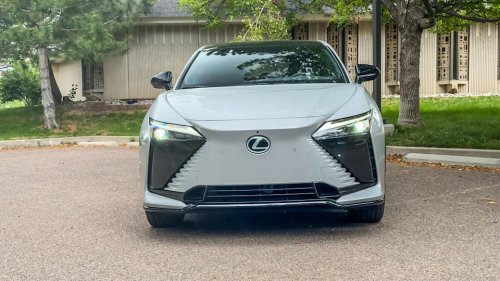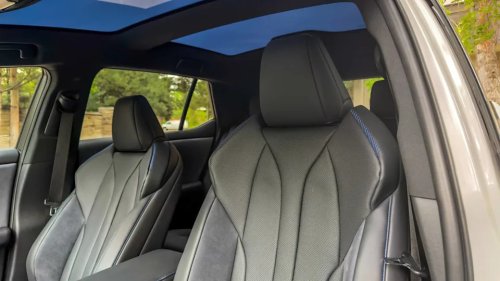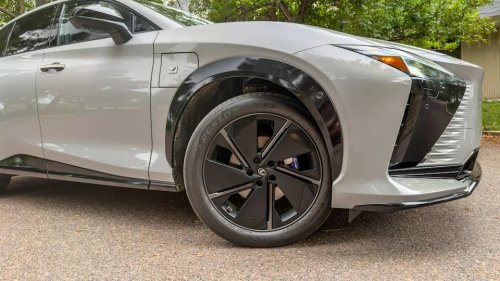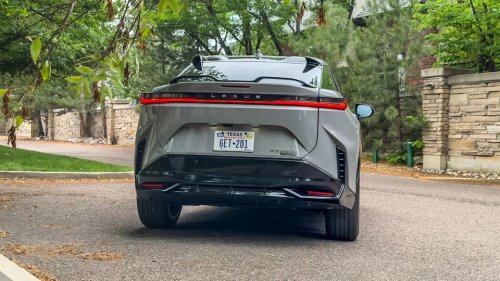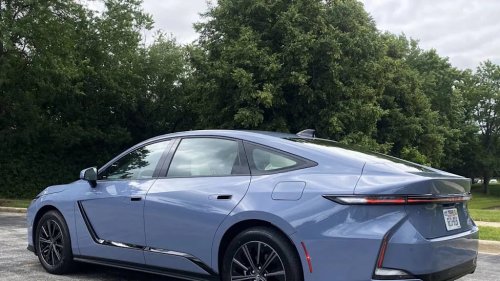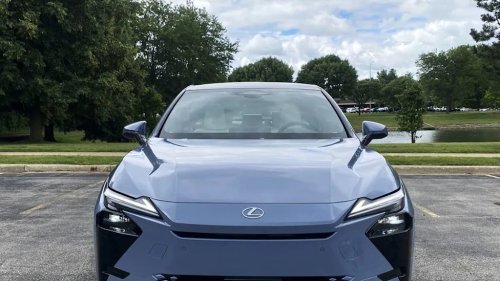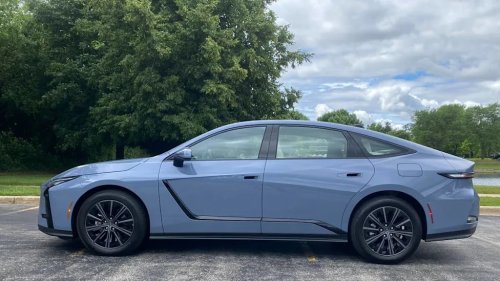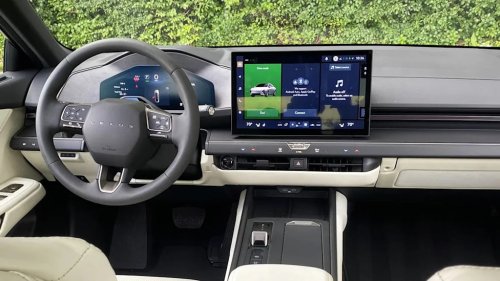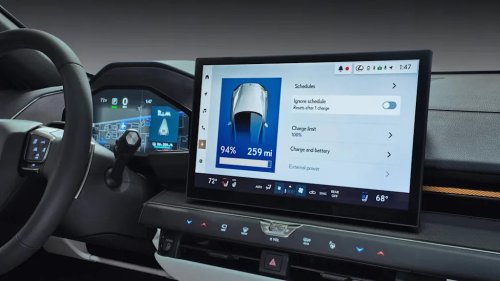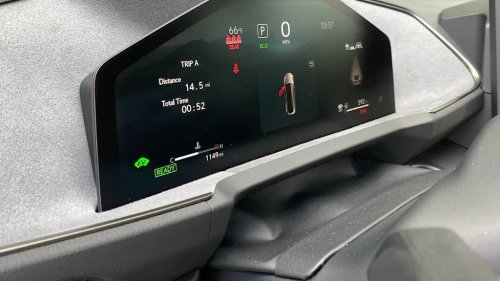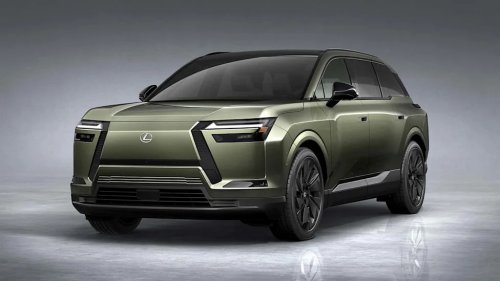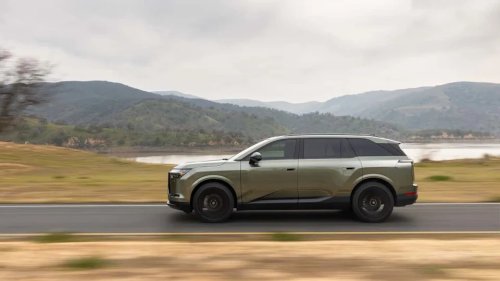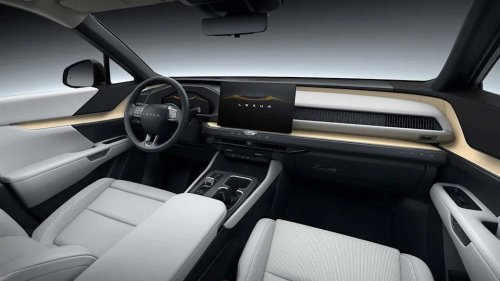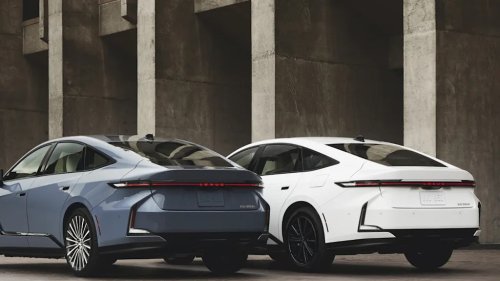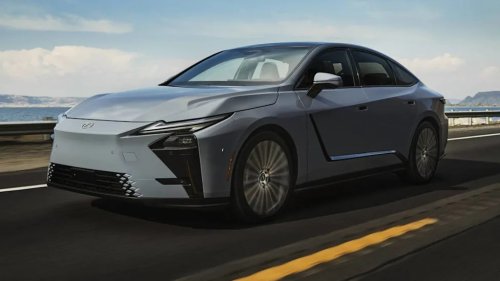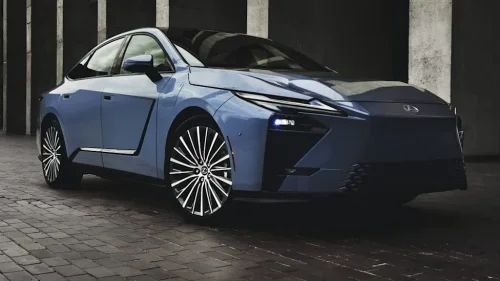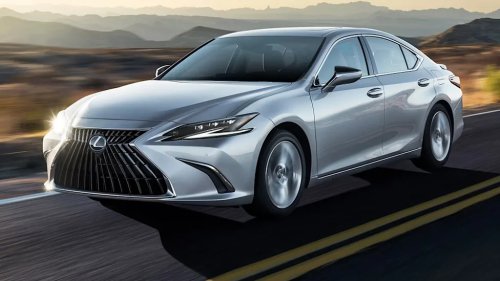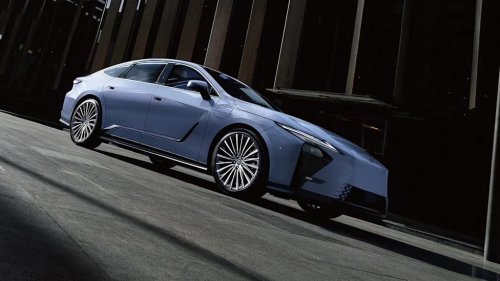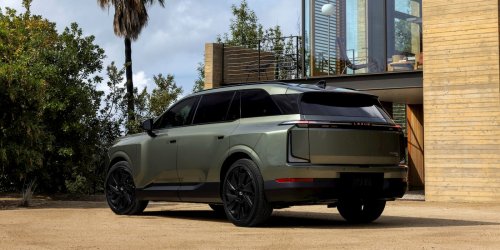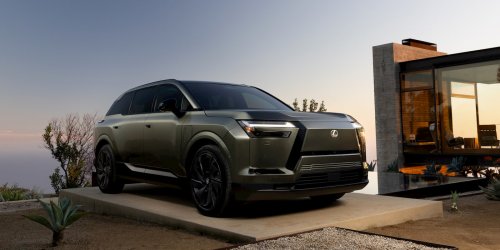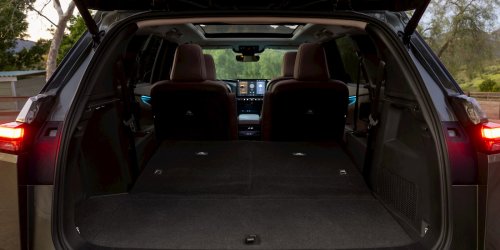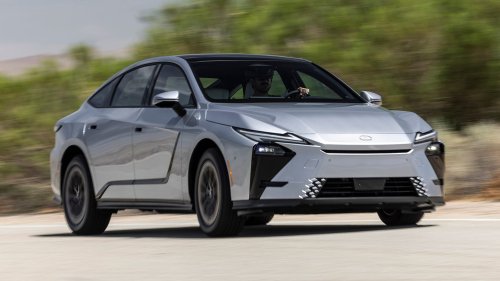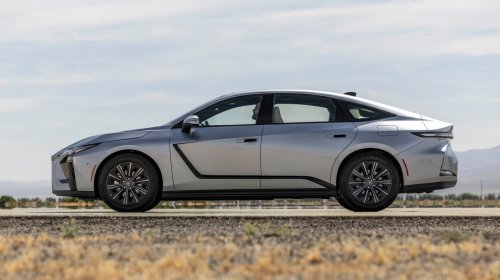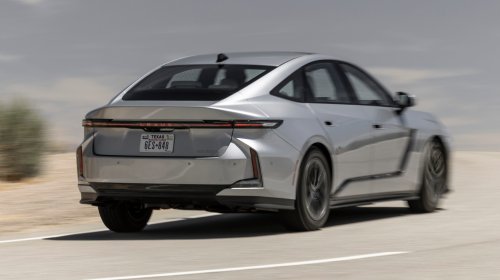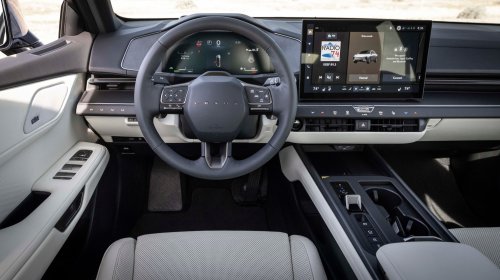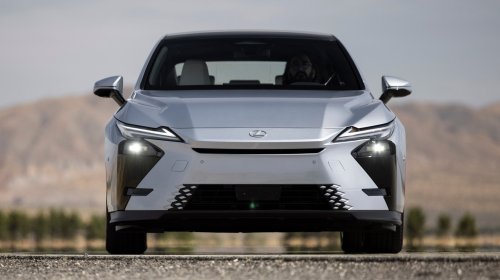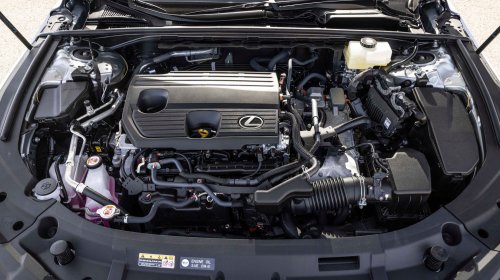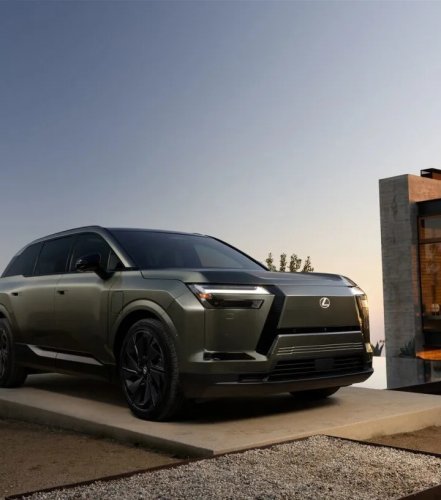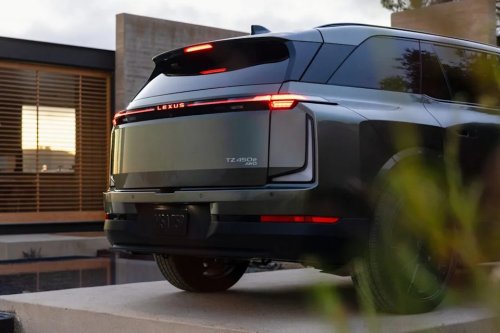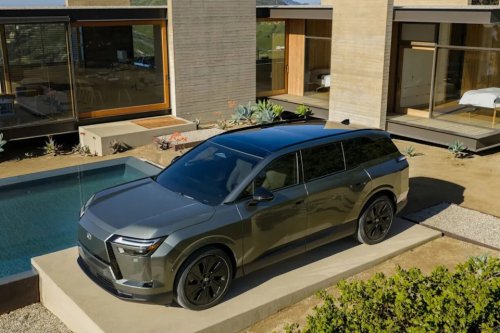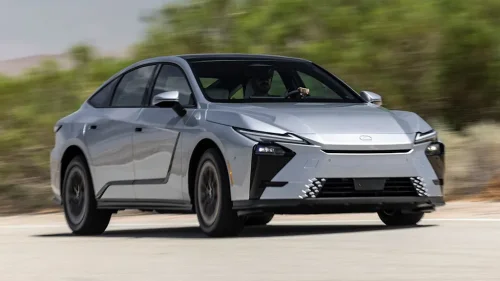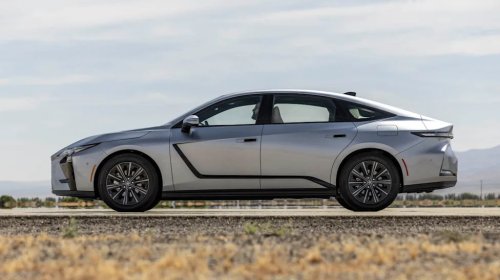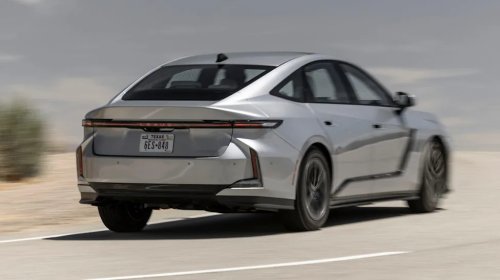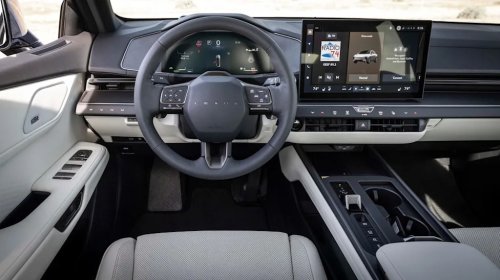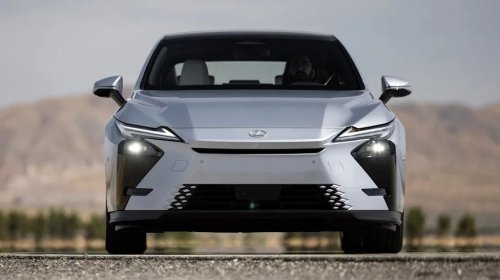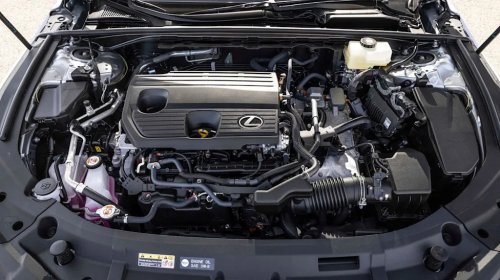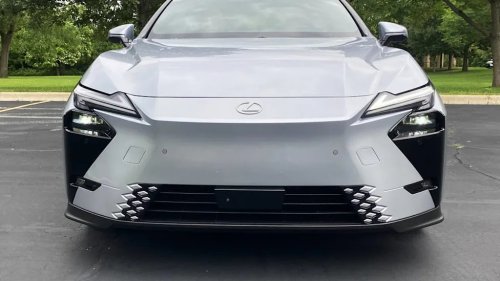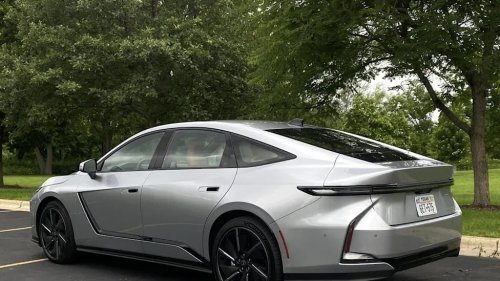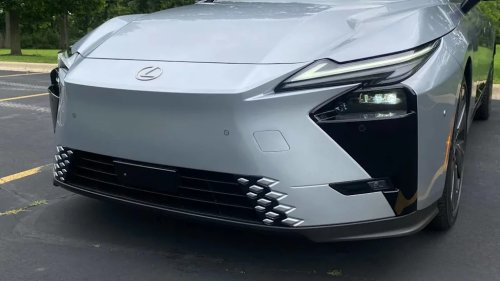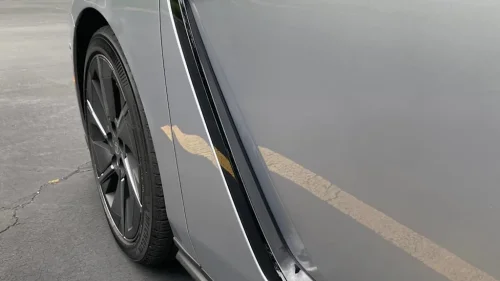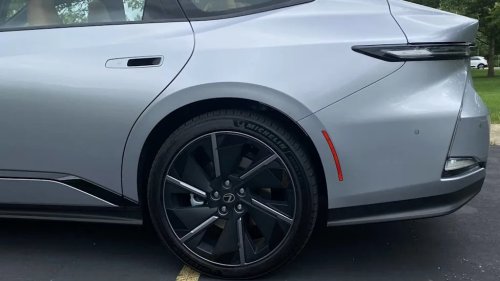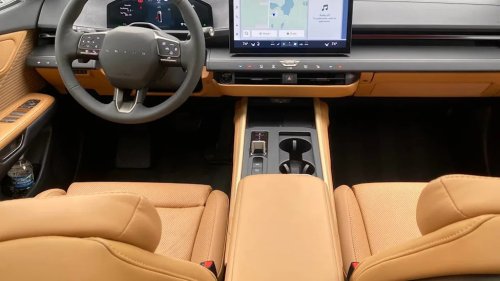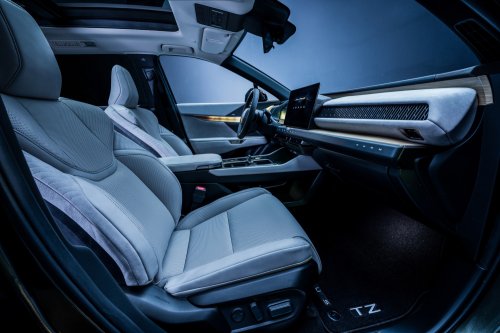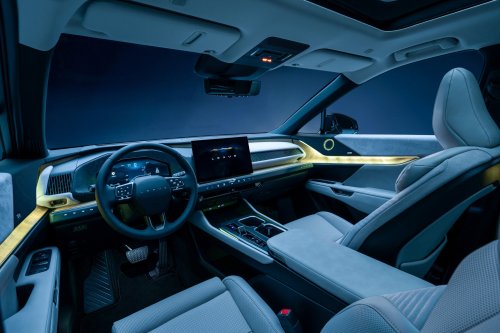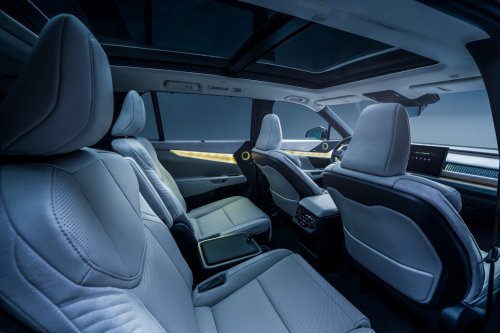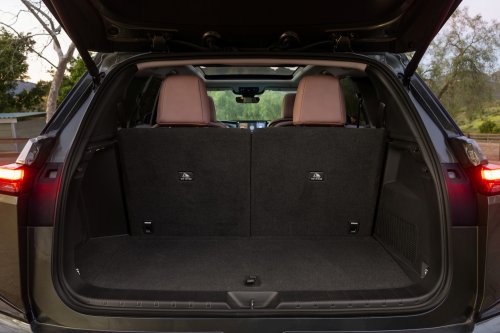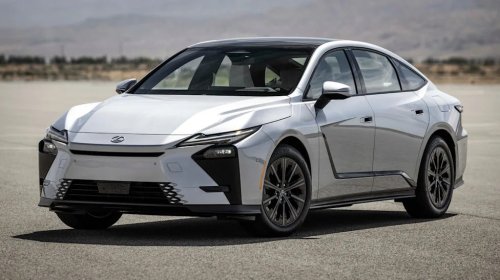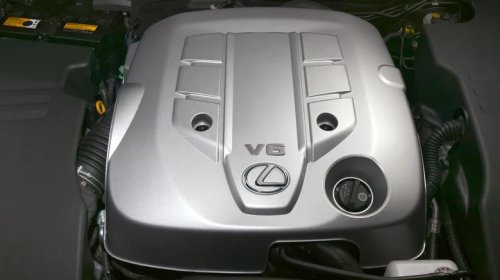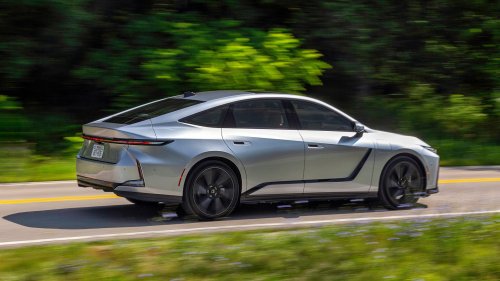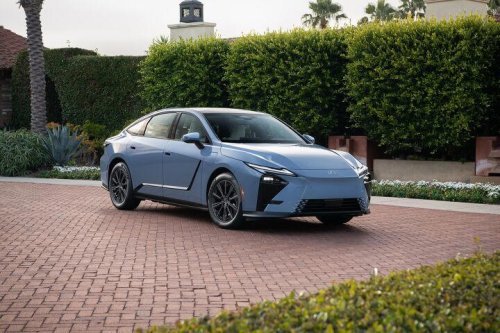
































Image: Kyle Patrick Image: Kyle Patrick LA JOLLA, California-With the latest generation of ES, Lexus is taking big swings again. Sedans are where the brand started, including the groundbreaking LS, which quietly rolled off into the sunset last year. Now the 2026 ES is tasked with covering more ground, being the big, comfy cruiser counter to the compact, sportier IS. Instead of just offering a hybrid powertrain, the ES will arrive with two all-electric setups. And just like that, this is the first Lexus EV to share an existing nameplate, a move we've already seen a few times at BMW. It's a bold play, and Lexus invited us to sunny California to sample every permutation of the new model to see if it remains relevant in an increasingly SUV-centric world. 2026 Lexus ES First Drive Review: All the Details 2026 Lexus ES First Drive Review: All the Details View Gallery 55 photos Quick Take Lexus' longest-running sedan gets more of everything for its eighth generation: Length, luxury, and ‘lectrification. On first impression it succeeds precisely because it refuses to follow the rest of the crowd, remaining resolutely comfort-focused without any plays to sportiness. What's New for 2026? Image: Kyle Patrick Image: Kyle Patrick You wouldn't know it from those dramatic looks-more on them in a minute-but just about everything, except the platform. Underneath is the familiar TNGA foundation from the last ES. More specifically, it's the TNGA-K setup for the hybrid model, and e-TNGA underpins the battery-electric models; the latter is the same platform that underpins the Lexus RZ and TZ. Not to be outdone, the interior design team has crafted a distinctly different cabin with a big step up in tech, as the ES debuts a new generation of Lexus infotainment. Image: Lexus Image: Lexus On site are four distinct powertrains, two each for BEV and HEV: front- and all-wheel drive. The ES 350h can now be had with electric on-demand all-wheel drive similar to other Lexus and Toyota models. Meanwhile, the ES 350e is a front-drive, single-motor electric setup, while the 500e adds a second motor acting on the rear axle. Exterior Style: Image: Lexus Image: Lexus The new ES looks big. It is: length increases over half a foot to 202.4 inches (5,140 millimeters), eclipsing the just-revealed three-row TZ. Every other dimension is up too, including width (now 75.6 in / 1,920 mm) and especially height (61.4 in / 1,560 mm). This is one of the tallest sedans on sale today, and from directly head-on it presents as an SUV. Only from that angle, mind you. In profile the new ES has presence. It's much more avant garde than what's come before, and while that may scare off some existing owners of shall we say advanced years, it could very well bring in new buyers. Besides, spec it in a dark color and the more daring aspects of the design blend in, like the contrasting Z-shaped trim piece. It does a good job masking the visual height of the car anyway. Or lean into the drama and pick the new bluey-gray Wavelength or Lexus-classic Copper Crest. The only real design change between BEV and HEV is a slim grille opening on the latter. Image: Kyle Patrick Image: Kyle Patrick Around back is a full-width taillight replete with ‘LEXUS' wordmark, while L-shaped turn signals nestle into the bumper edges. The roofline extends very nearly to the end of the car, with Lexus employing a black trim piece to suggest a taller rear window. Rolling stock consists of 19-inch wheels as stock, with 21s optional. Powertrain and Fuel Economy: Image: Kyle Patrick Image: Kyle Patrick I start the day in the ES 500e. For those up on their Toyota EVs this is a familiar setup: two motors produce 338 horsepower, with 65 percent of it routed through the front wheels. It is easily the quickest the ES has ever been, flattening the hills around La Jolla with its punchy responses and linear acceleration. Switching into the single-motor ES 350e doesn't disappoint. This offers a more typical ES experience: by Lexus' own measure, it will saunter to 60 mph (97 km/h) in 7.4 seconds, just a tenth slower than the front-drive hybrid. If anything, it's probably quicker to half that speed, and it's smoother and quieter doing it. Both electric models feature multiple levels of regenerative braking, though it all tails off around 6 mph (10 km/h), so drivers will still have to use the left pedal. Image: Lexus Image: Lexus Lexus uses the same, smaller-than-typical 74.7-kilowatt-hour battery pack for both BEV models. The ES 500e is quoted for 276 miles (444 kilometers) of range on the smaller wheels or 272 mi (438 km) on the big boys. There's a bigger gap for the ES 350e: it will do 307 mi (494 km) on 19s and 292 mi (470 km) on the 21s. Meanwhile the hybrid front-driver posts 46 mpg combined, while the AWD model matches the outgoing (FWD) car's 44 mpg. Handling and Drivability: Image: Lexus Image: Lexus One of the previous ES' greatest strengths was its complete lack of sporty intentions. Yes, even with available F Sport models. Lexus has the IS for those wanting a more traditional sport sedan, allowing this embiggened ES to do what it does best: waft. Prioritizing comfort doesn't come at the expense of consistent, predictable handling. The ES has a quick 2.4 turns lock to lock so it still feels agile but not nervous, and while the steering is light it is consistent. There's little difference between the HEV and BEV when the road curves: while the curb weight balloons at least 600 pounds for the e-badged models, the added pounds are low down, so the ES remains resolutely stable. Body roll is acceptable. It won't excite, but this tall luxury sedan doesn't trip over its own feet either. Ride Quality and Comfort: 2026 Mitsubishi Outlander PHEV: All the Details Image: Kyle Patrick Image: Kyle Patrick Only available with the smaller wheels (for now), the hybrid ES is even quieter than the old one. Part of that is down to added sound deadening, sure, but the sixth generation of Lexus' hybrid setup contributes. A more powerful electric motor ensures more rest for the 2.5-liter inline-four, and when it does come on it isn't working as hard. Knowing EVs are generally quieter, the electric ES is naturally even more hush-hush in all situations. If Lexus is thinking of recreating a classic commercial, this is the car for it. Image: Kyle Patrick Image: Kyle Patrick A stretch in all directions makes for a positively capacious second row, with genuine stretch-out space. Taking advantage of the situation is a newly available Executive package, which includes reclining rear seats and an integrated ottoman. Even without this box ticked, the ES' seats are super comfortable yet supportive, and a higher hip point makes it easier to get in and out. This applies whether in a Premium trim and its NuLuxe seating, or the Luxury and its semi-aniline leather. Heated and ventilated front seats are standard across the board, a move somehow still rare at this price point in the luxury space. Interior Style and Quality: Image: Kyle Patrick Image: Kyle Patrick Yes, the ES' cabin sees a dramatic rethink too, though it's a more minimalist approach than the extrovert exterior. The dashboard is dominated by straight lines, with a heavily recessed central section for literal and visual depth. It's a clean and serene look, with interesting textures providing a more contemporary feel. The all-black option downplays this while the white seating adds more contrast, but it's the Palomino that brings an inviting warmth-especially with the very cool alternating bamboo trim option. There are embedded controls within the lower dashboard, handling defroster and temperature settings. It's a classy look, framing a nicely knurled volume roller. A petite shifter sits beside the cupholders, with a sizeable storage cubby set behind them but not much underneath. A terry-like soft-touch material backs the stadium-like area behind the hexagonal instrument cluster; it feels good, but it's the one spot people are probably least likely to actually touch. Tech and Safety: Image: Kyle Patrick Image: Kyle Patrick Helping to remove any day-to-day friction is Lexus' new infotainment system. If you've spent any time with the latest Toyota RAV4 it will be familiar: a clean, simple main screen provides the most-used starting points plus an always-there menu on the left. Tailoring the tiles is easy-peasy, and there's a drop-down quick access menu for even more common features. The screen is large and easy to read with speedy response times. Lexus touts EV route planning for the ES 350e and 500e, though they require an active Connected Services subscription. A standard, built-in dashcam recorder is an incredibly valuable tool, especially as it includes vehicle parameters. Meanwhile, ES 350e Luxury buyers who spec the Executive Package will be gifting their rear-seat passengers not only heated and ventilated seats, but massage functionality. Image: Lexus Image: Lexus No matter the trim, the 2026 ES arrives with Lexus Safety System+ 4.0, including a whole gaggle of driver assists acronyms, including a full-range adaptive cruise control with a new Eco-Run setting. Lexus says extra attention was paid to ensure these systems function with more natural, human responses than before. Value, Dollars, and Sense: Image: Lexus Image: Lexus Keeping pricing reasonable while shrinking the available models from 17 to 8, the 2026 Lexus ES lineup starts at $48,895 including destination. That isn't the hybrid, either: it's actually the ES 350e that anchors the lineup, as the ES 350h Premium kicks off at $51,195, or a little over two grand above where the ‘25 hybrid lineup began. For a better-equipped, more comfortable car, that's a good deal. A Premium+ trim exists for the hybrid as well, while AWD adds an additional $1,400 to the bottom line. Moving from ES 350e to 500e is a $3,000 surcharge; the upgrade to the swanky Luxury trim is a comparatively hefty $8,400 on either model. You might think the smaller Canadian market would have even fewer choices, but you'd be wrong. Even ditching the front-drive hybrid, Canada has no fewer than a dozen ‘26 ES trims, split across ES 350h (three), ES 350e (five), and ES 500e (four). The hybrid starts from $62,105 CAD (including destination) and runs to $68,765 CAD; the electric models kick off at $64,730 CAD and cap out around $80,000 for either a top ES 500e or the ES 350e with Executive Package. Final Thoughts: 2026 Lexus ES First Drive Image: Kyle Patrick Image: Kyle Patrick Objectively, the 2026 Lexus ES is a better luxury car than the model that came before. It's more spacious, smoother to drive and be driven in, and even more comfortable-especially with that Executive Package. Unlike just about any other car in its price range, the new ES oozes tranquility and calm, allowing it to carve out its own niche in the luxury landscape. It won't be for everyone, especially with its most daring design in decades, but those who value silky composure will find a lot to love. PROS CONS Super smooth Busy looks Super spacious BEV undercuts HEV Specifications: ES 350h Engine: 2.5L I4 Hybrid Outputs: 244 hp Drivetrain: FWD/e-AWD Transmission: e-CVT US Fuel Economy (mpg): 48/44/46 (FWD), 47/42/44 (AWD) CAN Fuel Economy (L/100 km): N/A Starting Price (USD): $51,195 (inc. dest.) As-Tested Price (USD): $58,170 (inc. dest.) Starting Price (CAD): $62,105 (inc. dest.) As-Tested Price (CAD): $69,415 (inc. dest.) Specifications: ES 350e and 500e Motor: 1x (350e) or 2x (500e) Outputs: 221/338 hp Drivetrain: FWD/AWD Transmission: 1AT US Fuel Economy (MPGe): 121–127 (350e), 112–114 (500e) CAN Fuel Economy (Le/100 km): N/A Range: 292–307 mi (350e), 272–276 mi (500e) Starting Price (USD): $48,895 (inc. dest.) As-Tested Price (USD): $63,110 (inc. dest.) Starting Price (CAD): $64,730 (inc. dest.) As-Tested Price (CAD): See text These Are America's Top 10 Most Stolen Cars-Is Yours On The List?