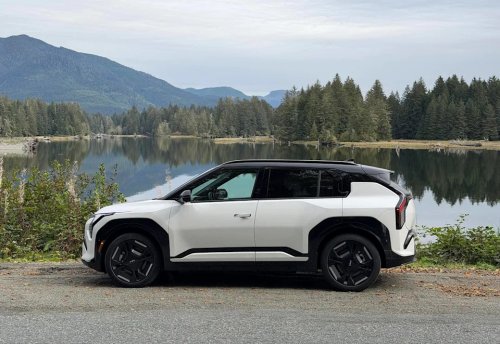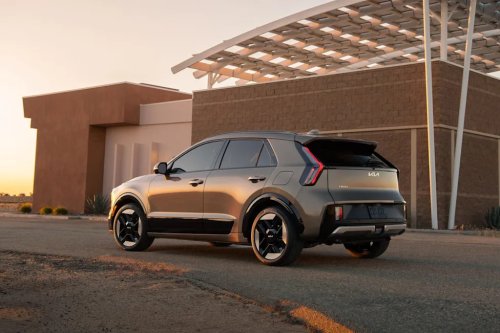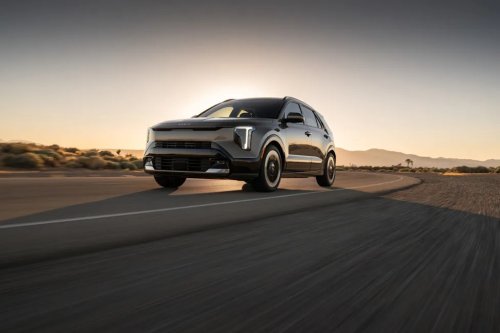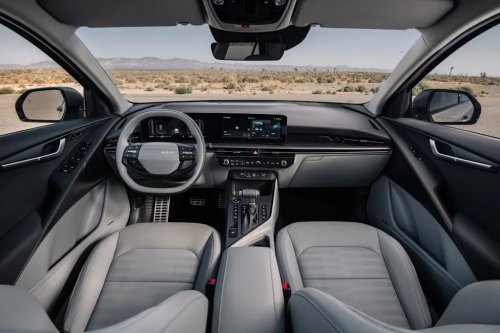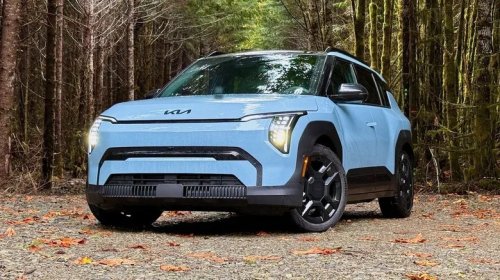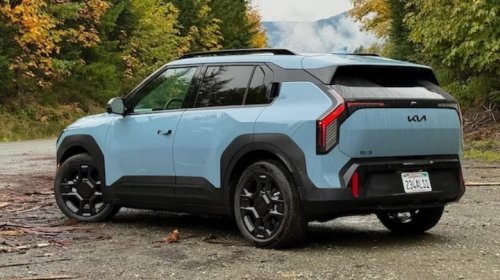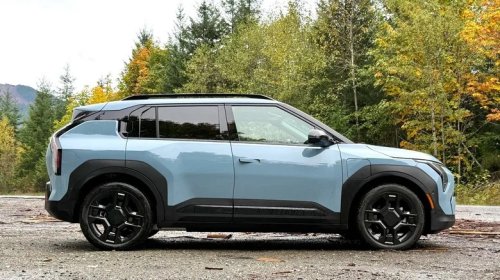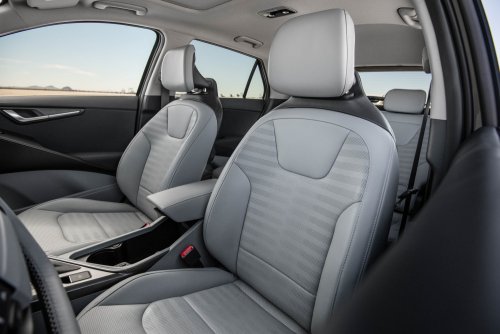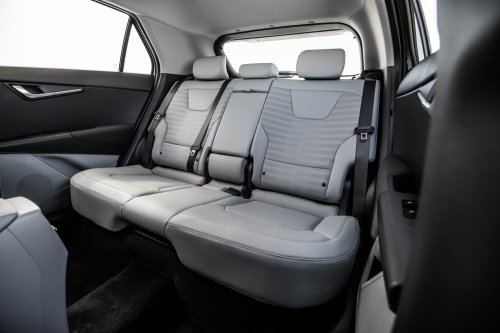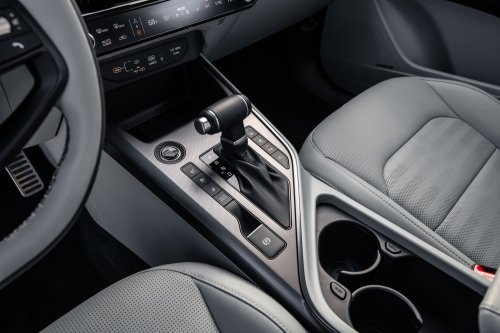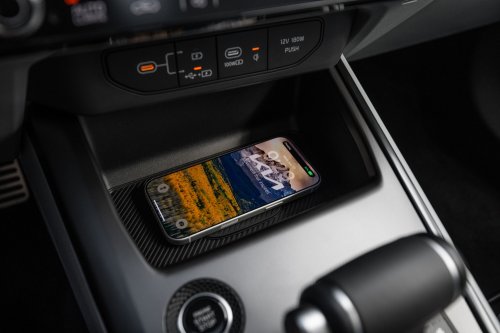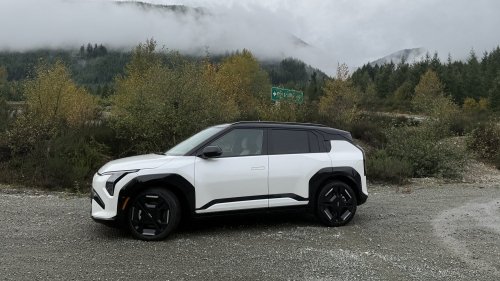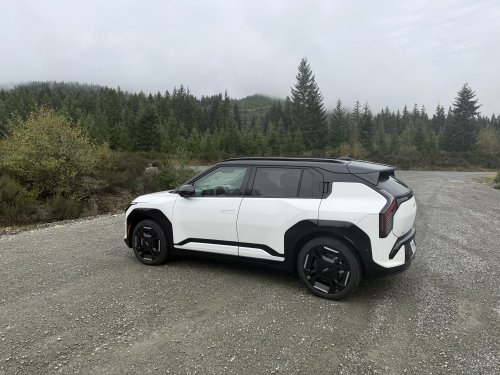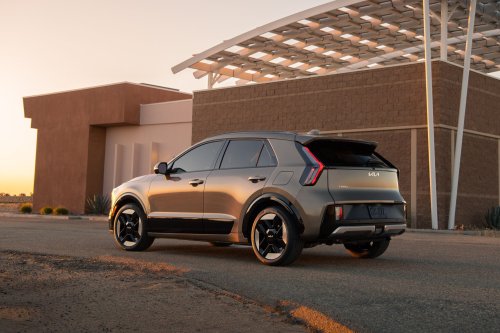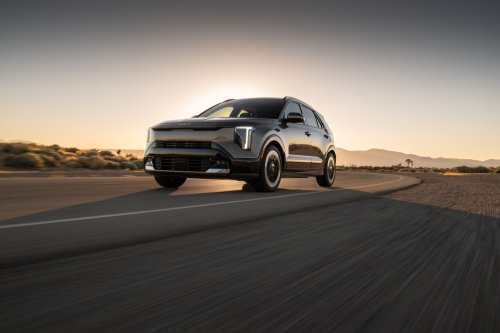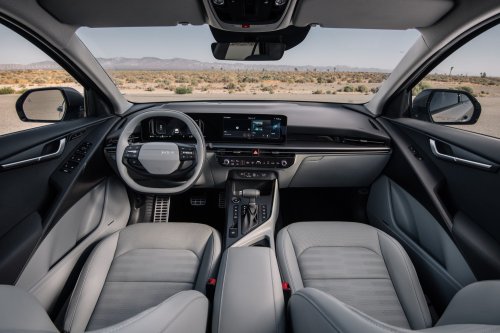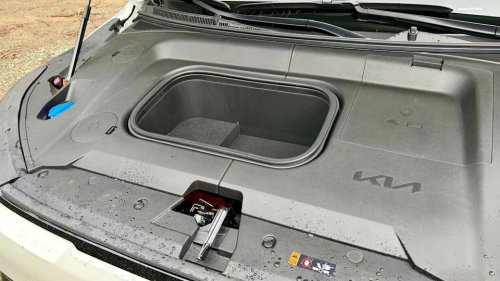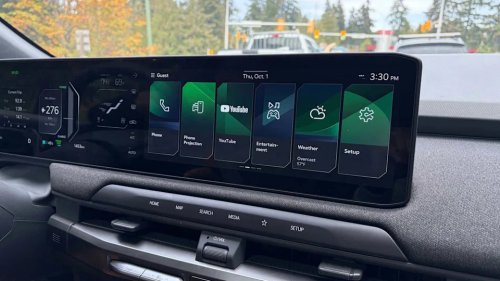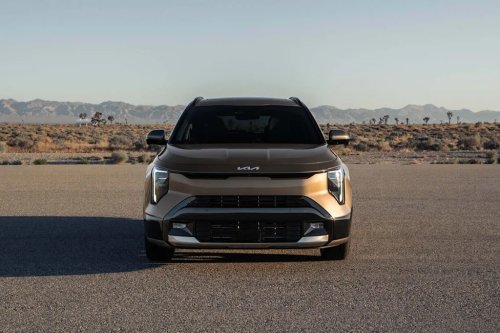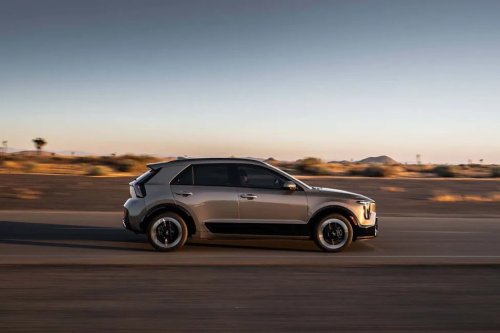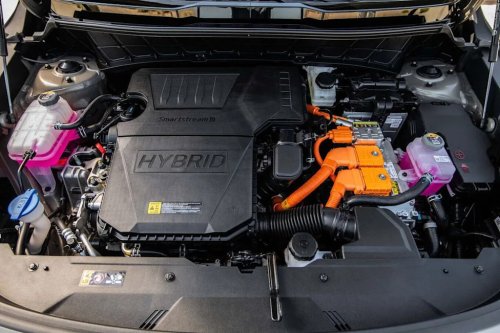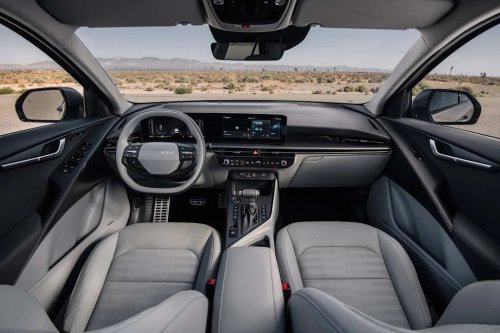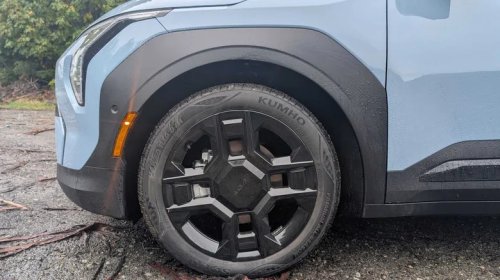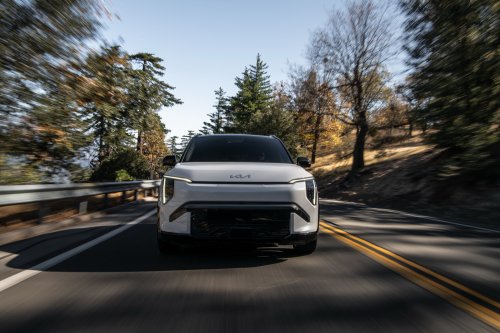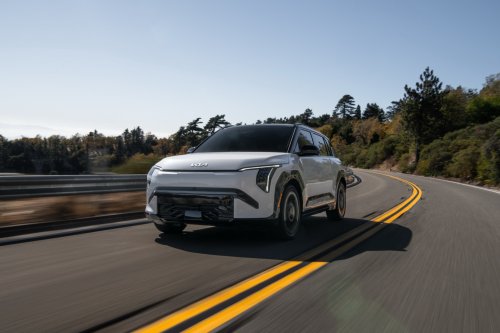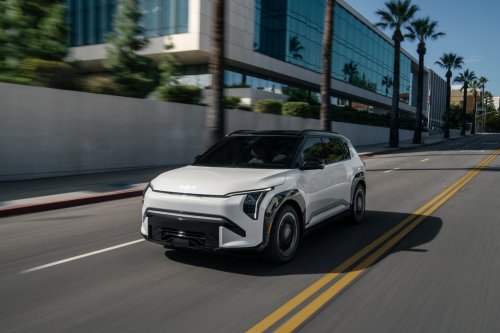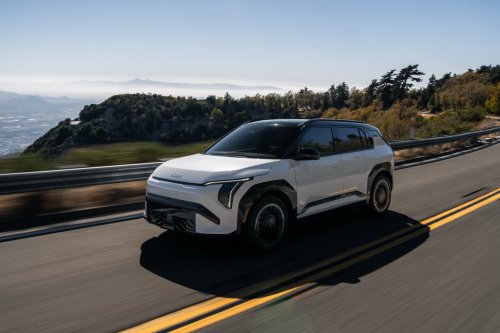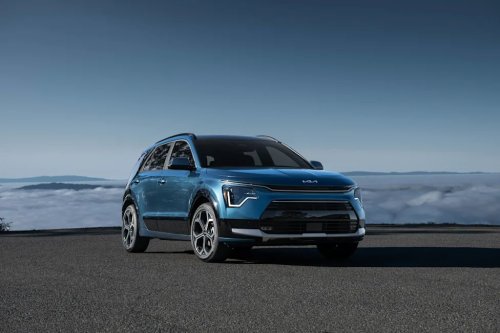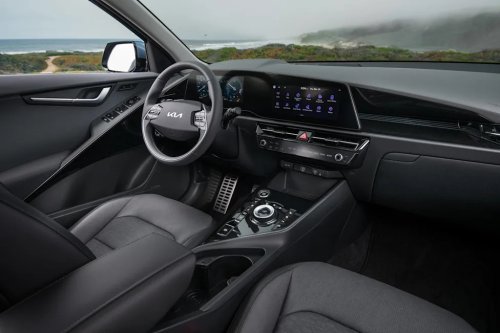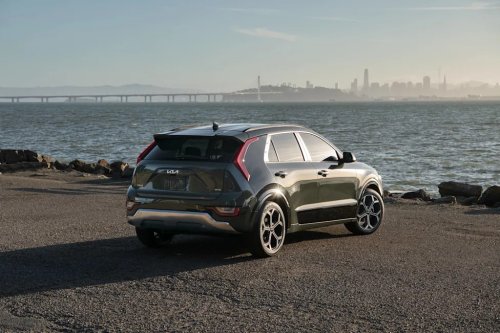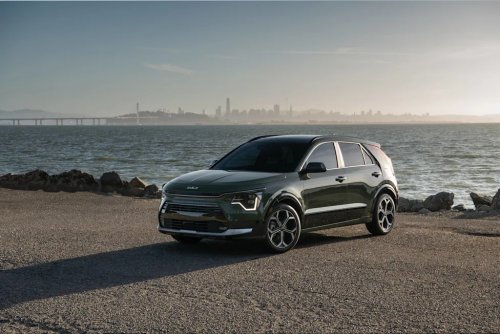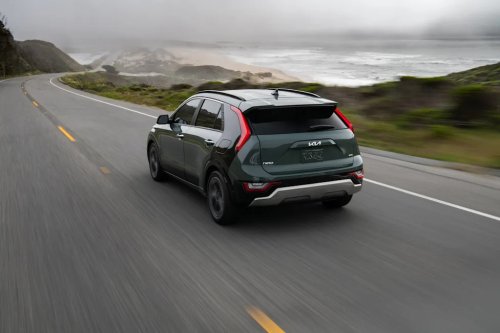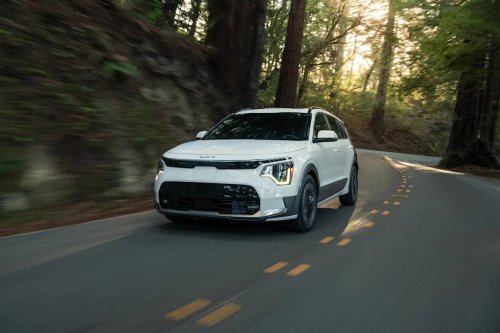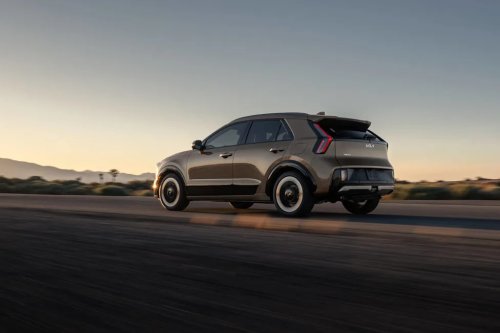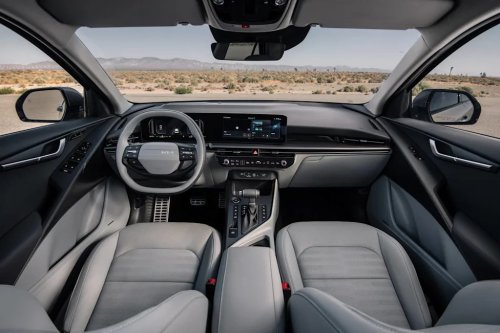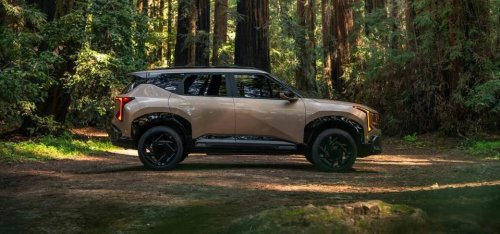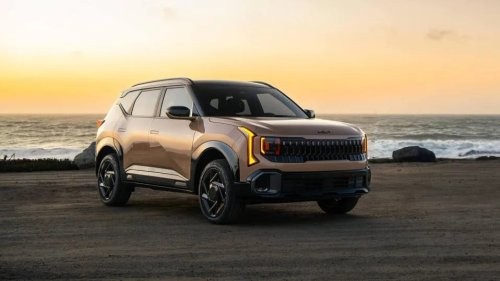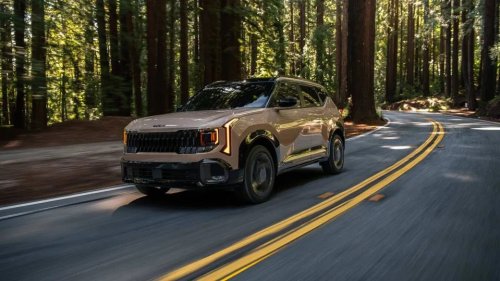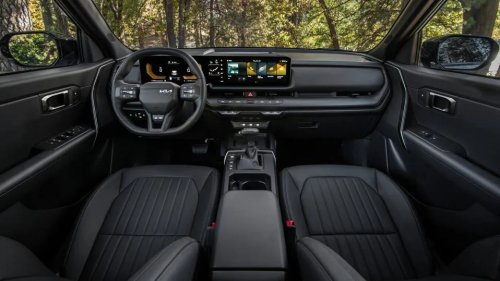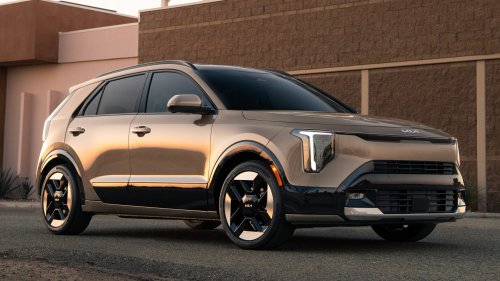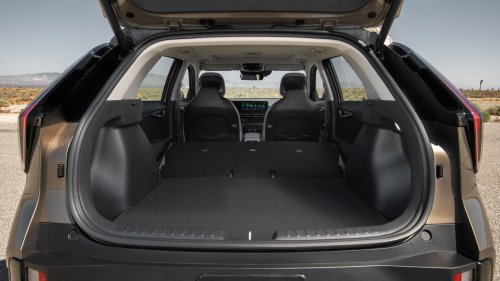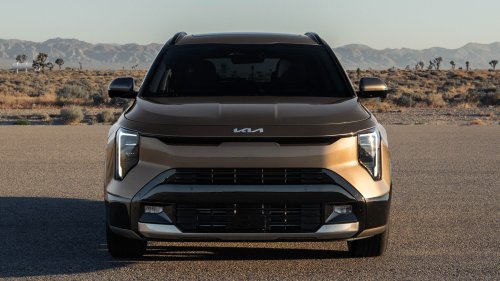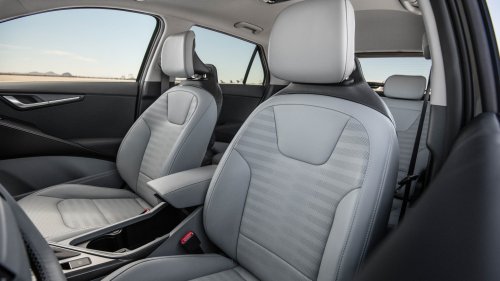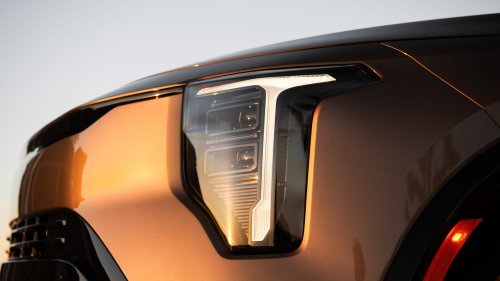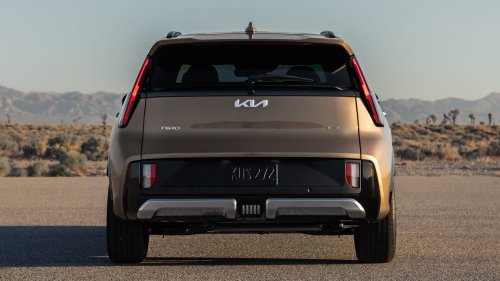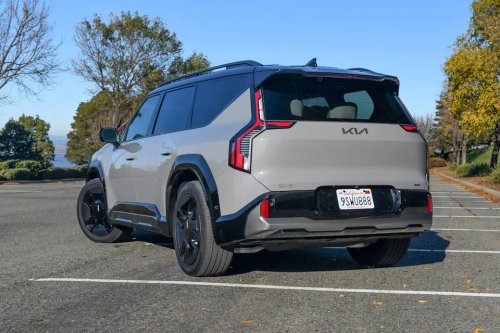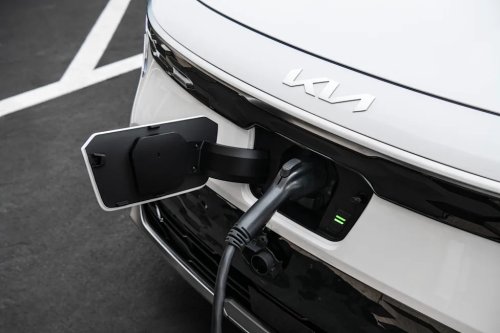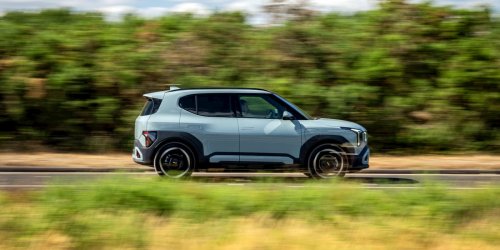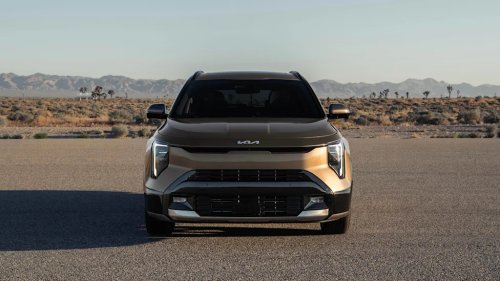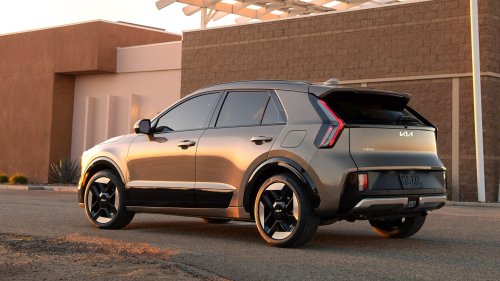
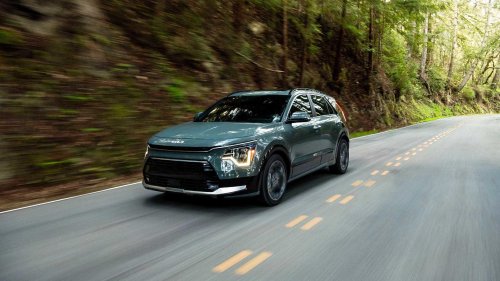
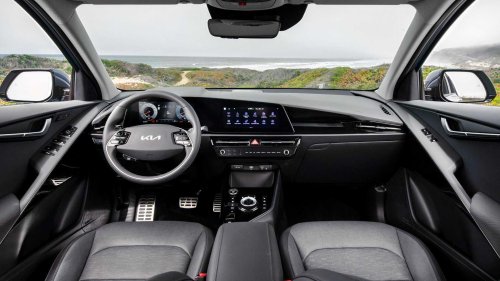
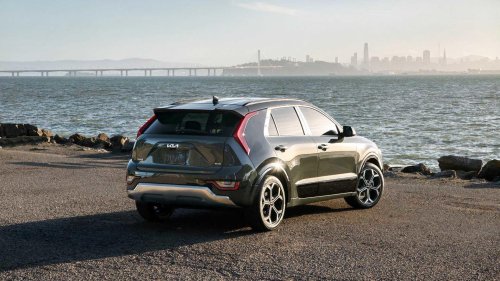
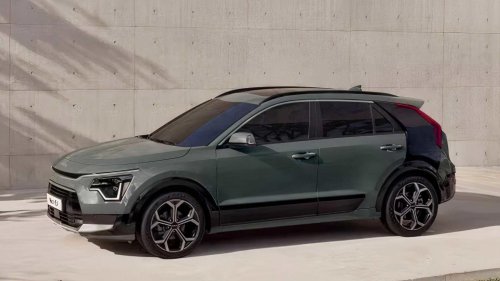
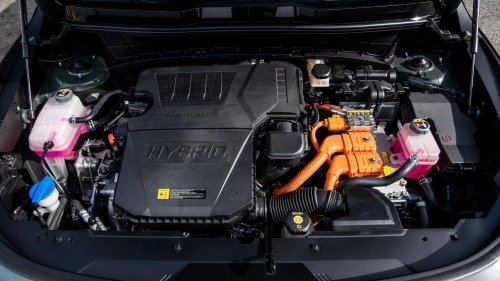
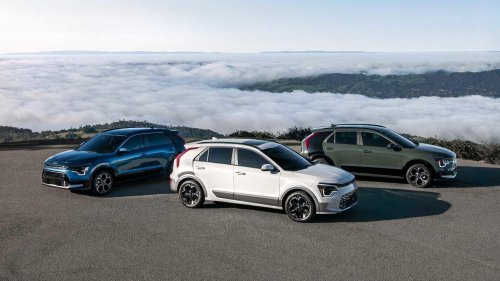
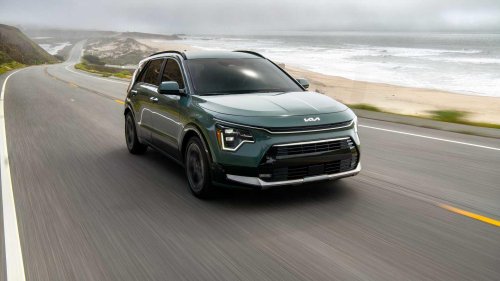



















Not everyone who cares about efficiency instantly opts for an electric car or plug-in hybrid. There is a considerable number of people who don't want to switch to electric propulsion but still care about achieving an impressive range and not spending too much time refueling. Manufacturers are aware of this, hence introducing a host of four-cylinder hybrid options over the past decade instead of six-cylinder engines. There are benefits to each approach, but there is no doubt that the more modern, smaller engines are often far more economical.Cars like the Toyota RAV4 and Lexus UX 300h are two fierce rivals in this competition and perhaps the vehicles that most people would expect to dominate a fuel economy list. Despite their excellent reputation, there is a certain SUV that has been dominating this space recently that can be purchased plug-free and still exceeds the frugality of a renowned RAV4. The Challenge Of Making A Seriously Economical SUV Mitsubishi City cars, compact vehicles, and even certain sedans have had excellent options for a very long time for those who prioritize saving money on fuel. SUVs present a different kind of challenge in this respect, as many of their fundamental characteristics are counterproductive in fuel-saving measures.Nicole Wakelin/TopSpeed The first killer of fuel economy is curb weight. SUVs are larger, often boxier, and require reinforced frames to keep them robust. It takes significantly more energy to move a potential 5,000 pounds compared to a much more manageable 3,000-pound compact car. With a requirement for more power and torque, it's common for MPG figures to plummet. More Reasons Why SUVs Struggle To Achieve Impressive Fuel Economy A typical SUV has a drag coefficient of 0.30 to 0.35, meaning they face huge aerodynamic challenges AWD systems require more gas, as there is a higher demand for heat and friction Larger engines are often required, which are less fuel-efficient SUVs have a larger expectation for luxury, which increases the weight further The Kia Niro Is A Masterclass In Economy KiaThe 2026 Kia Niro fixes this dilemma by committing to efficiency as the driving purpose of the vehicle. No ego or status comes with a Niro, but it has managed to break through the ceiling of SUV economy by redefining the basics of what an SUV is. Kia was so confident in its frugal credentials that it discontinued the Niro EV to make way for the Kia "EV" line – a more premium line of electric vehicles. That left the Niro as a standard hybrid: no plugs, just simple efficiency perfected.Kia The powertrain and transmission are two of the main factors in achieving such impressive fuel economy. With a 1.6-liter engine, a compression ratio of 14:1, and high-pressure fuel injection, the Niro makes use of every drop of fuel. The dual-clutch transmission also assists with this goal. By avoiding a commonplace CVT, which loses energy to heat, the gearbox in the Niro allows for an efficient transfer of power through physical gears. This makes it a perfect starting point to target the consumer who doesn't want to drain their wallet into rising fuel costs too often, but who cares about internal combustion. The 2026 Niro Beats Its Rivals Considerably In Economy Front 3/4 view of a 2026 Toyota RAV4 Limited parked in front of garageThere are serious rivals in the criteria of fuel economy in the small SUV segment. The Honda CR-V hybrid offers practical efficiency, which embodies the philosophy of excellent reliability, AWD possibilities, and a broad consumer interest. The RAV4 offers a similar approach: an all-road approach to a smaller SUV in 2026 that is bound to please almost anyone. With hybrid powertrain development having a 30-year history in Toyota's arsenal, the RAV4 is a compelling package that applies a jack-of-all-trades approach.The 2026 Kia Niro's fuel economy is truly astonishing. With its closest rivals achieving around nine to 13 mpg less, Kia is far beyond the competition. This is achieved by being nearly 700 pounds lighter than the RAV4, being specifically FWD, and having an exceptional drag coefficient of just 0.282. For comparison, the RAV4's is 0.320, and the CR-V's body is even less aerodynamic at 0.330. Kia's Dedication To Efficiency Has Limited Its Purist Appeal Kia By optimizing every element of the Niro for fuel economy, there is no doubt that it has also lost some of its SUV purist appeal. The design might be more aerodynamic, but this isn't always a positive thing when it comes to status and looks. The sleeker appearance of the Niro might look considered and modern, but the boxier high-riding nature of a vehicle in this segment often adds to its desirability. It's more traditional and gives a more robust impression, which the Kia somewhat lacks. It also lacks AWD, meaning it's almost without any off-roading capability. FWD is expected for a compact, but in an SUV, it is a deal-breaker for a portion of consumers.Kia It is also lacking in towing capacity. A 2026 RAV4 can comfortably pull up to 2,500 pounds in some trims, but the Niro tops out at 1,300 pounds, making it hugely limited compared to its heavier-duty rivals. Luckily, the Niro beats the competition so much in efficiency, because its argument as a serious SUV severely crumbles against its rivals. Performance And Statistics Kia There is no way around it – the performance stats of the 2026 Niro are bound to turn a considerable consumer base away. The competition hovers around the 200-horsepower baseline, with the RAV4 producing 236 horsepower. While this figure doesn't make the vehicle fast, it also makes it extremely competent in everyday driving. The Kia Niro is far lighter, so it doesn't necessarily require the same amount of horsepower – but it does have a lot less.Because of the lower weight, the crisp dual-clutch gearbox, and a hybrid punch, the Niro has more usable power than the horsepower figure might suggest. It's not fast and not even moderately quick. But it's fast enough to make calculated maneuvers on the highway, and 8.9 seconds to 60 mph is competitive against typical cars that can achieve 53 MPG. Should You Buy One? Kia The Kia Niro isn't for everyone. What it represents instead is the perfect car for a specific type of consumer and a very competent vehicle outside its SUV segment. After three years of ownership, expect a residual value of 64 percent. This isn't bad at all and is helped by Kia's 10-year warranty and cheaper starting price of $27,000. The real reason you'd buy one is that it combines a more SUV-like stance compared to a compact car, but it also offers incredible economy at 53 MPG combined.Kia For people who don't care about efficiency and who value true luxury, a large engine, and a more rugged SUV nature, this is the exact opposite of what they will want. The Niro doesn't try to disguise itself as that, though – it's simply a great value car which will become an even better value the more miles you rack up.