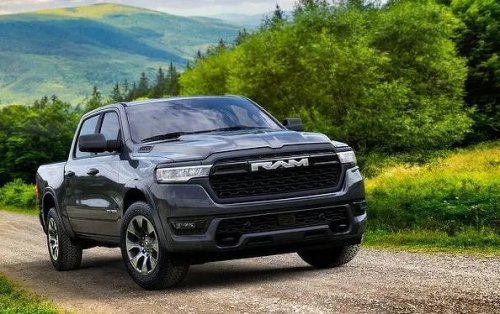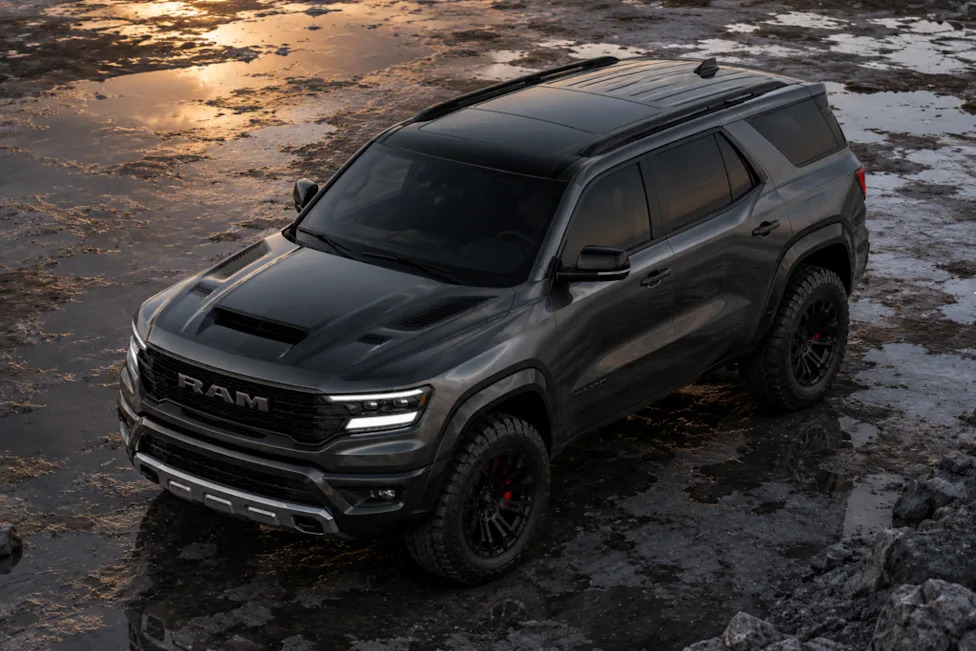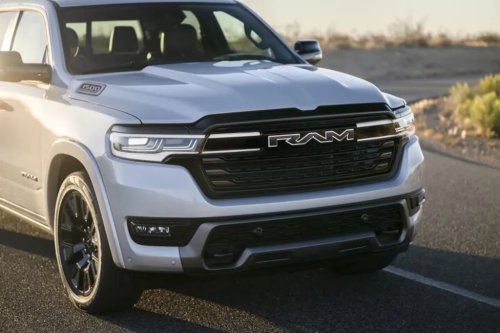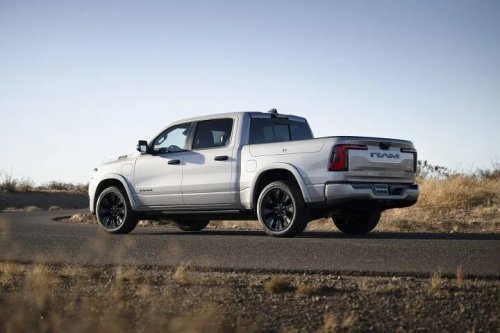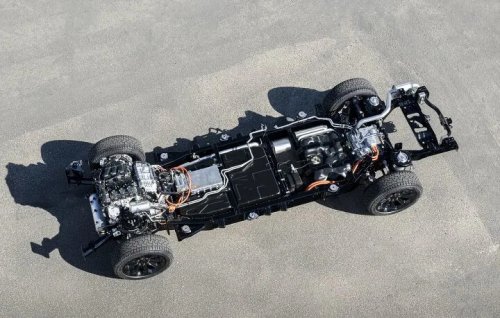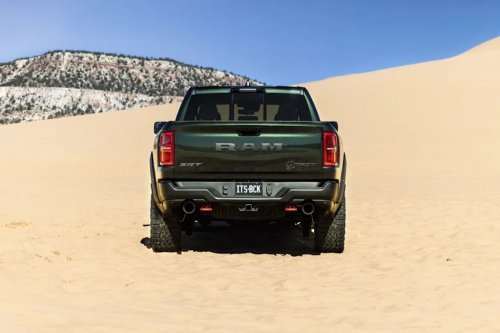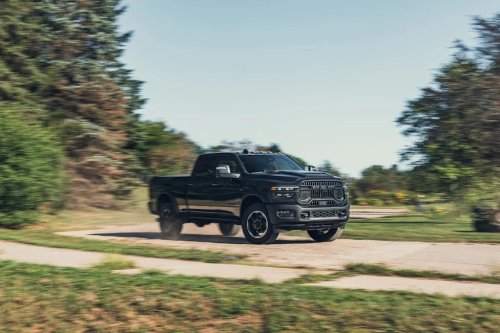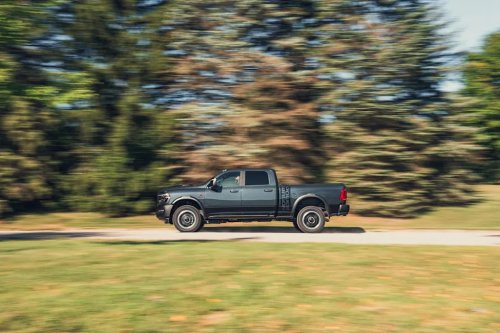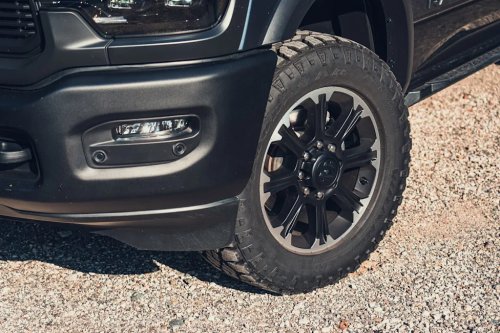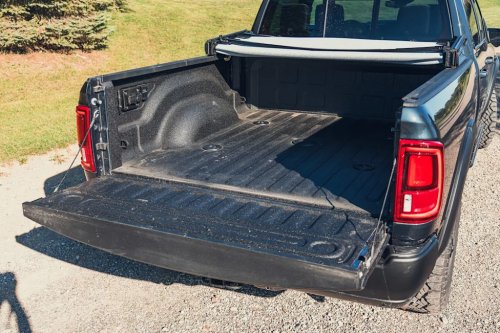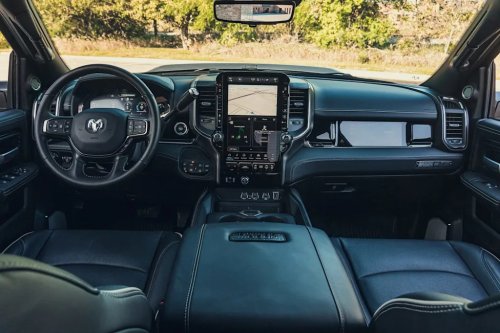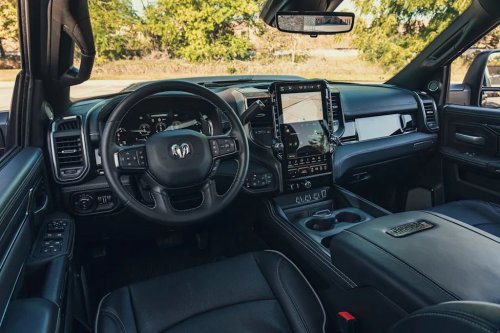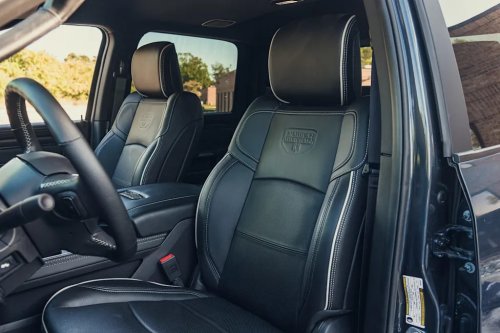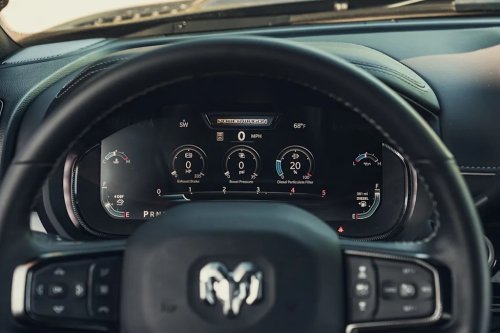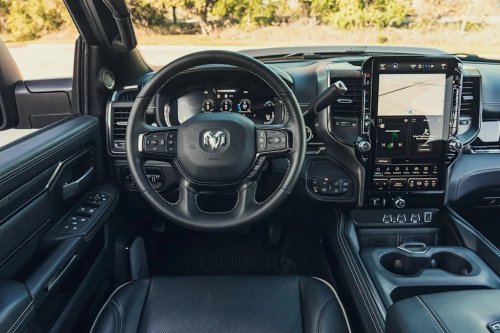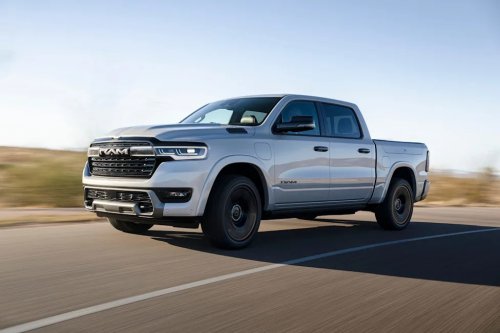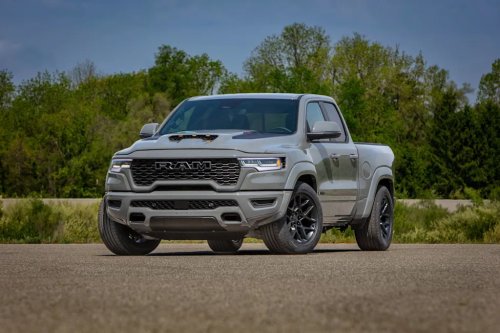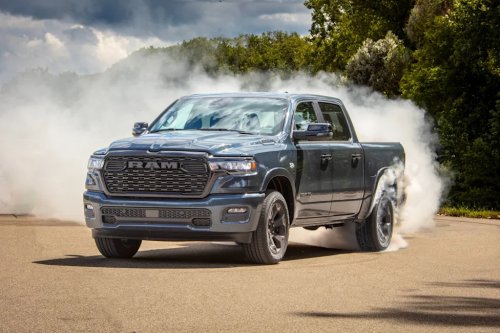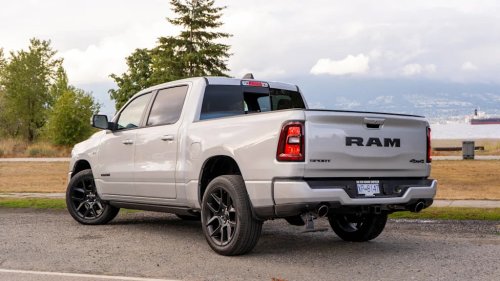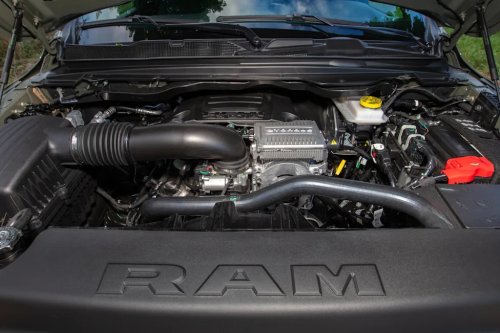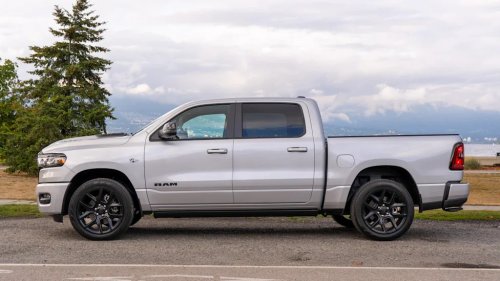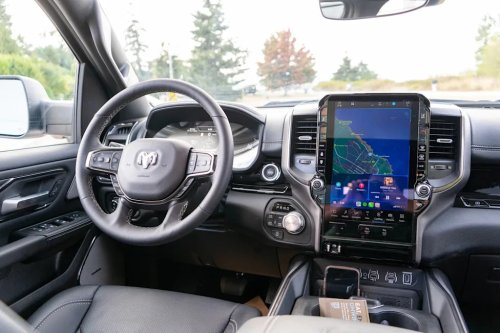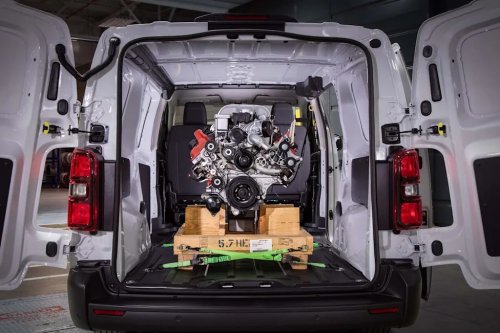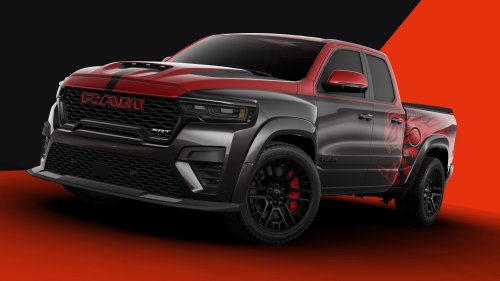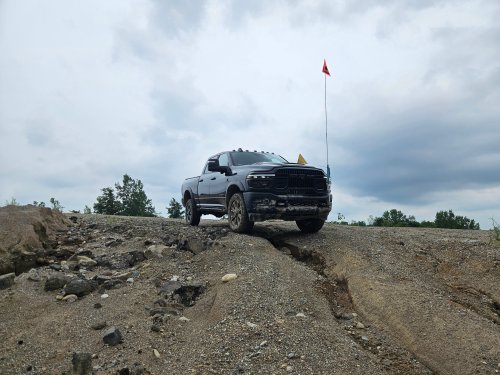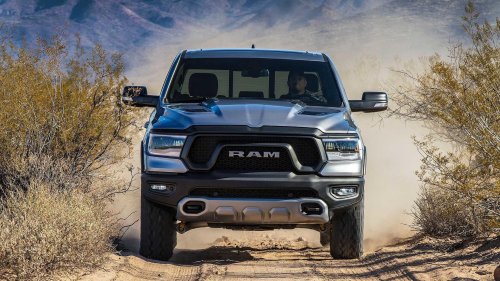
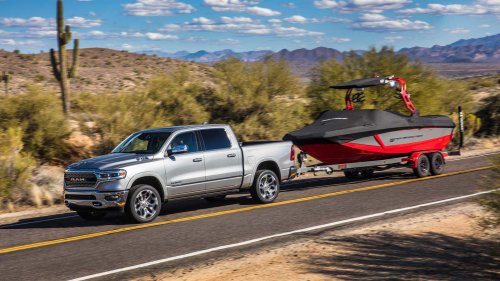
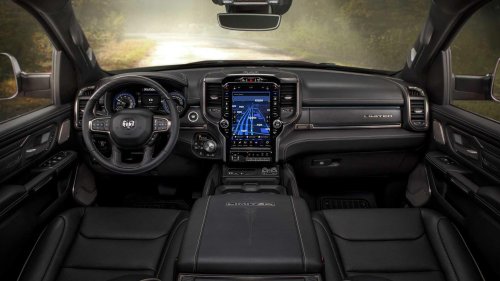
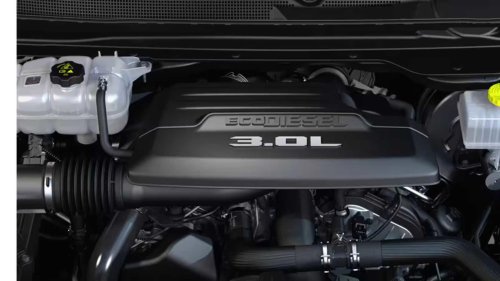

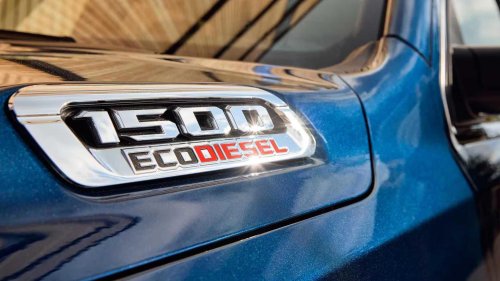
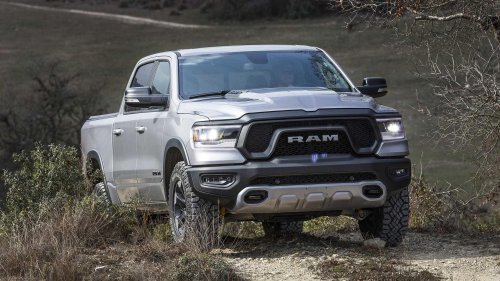
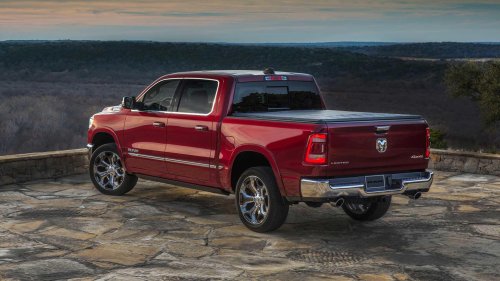
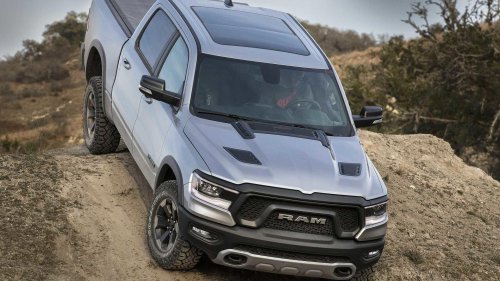



















The 2020 Ram 1500 EcoDiesel arrived as Ford and GM swept in to offer torque‑rich, fuel‑efficient alternatives to their gas V6 and V8 staples. Ford had just rolled out its PowerStroke V6, GM's straight-six Duramax diesel engine was on the scene, and Ram answered with the most ambitious EcoDiesel yet: a third‑generation engine designed to deliver more power, more refinement, and fewer headaches than its predecessor.By the numbers, the appeal was straightforward: Ram's EcoDiesel promised big torque and fuel economy numbers, as well as the highest diesel towing capacity in the half-ton universe. Still, the landscape was quickly shifting, hybrids were gaining momentum, and both Ford and Ram would exit the scene within a few years, leaving GM as the lone survivor to this day. Below, we'll dive into how the 2020 Ram 1500 EcoDiesel stacks up against its gas and diesel-powered rivals on economy and towing, what you'll pay for one today, and what to know before you buy. A New-Generation EcoDiesel Arrived For 2020 RamThe year was 2018. Ford had just launched their PowerStroke turbodiesel V6 into the F-150 lineup. A year later, for 2019, GM would join the half-ton diesel scene with its Duramax turbodiesel straight-six engine for the first time, powering the Silverado and Sierra, and (later), the brand's full-sized SUVs. Dodge responded to the competition in 2020, launching a new, third-generation EcoDiesel engine, which would be used in the Ram 1500 and Jeep Gladiator models.RamThe third-gen 2020 Stellantis EcoDiesel engine introduced a raft of changes and tweaks to the previous powerplant to improve performance and efficiency, while addressing earlier reliability issues experienced by some owners. This was the first year of EcoDiesel availability in the popular Ram 1500 Rebel, and a best-in-class rating of 480 lb-ft of torque was a key highlight, as well as horsepower output increased by eight percent versus the previous engine.Other important news? The 2020 Ram 1500 with EcoDiesel engine was the half-ton diesel towing champ, with a 12,560-lb rating. Elsewhere, the value proposition was a familiar one: the diesel engine got drivers the highest torque output and highest MPGs of the mainstream Ram 1500 lineup, as well as its second-highest towing capacity.Ram The new-for-2020 EcoDiesel engine ran a new turbocharger system, redesigned cylinder heads, a new EGR system, a higher compression ratio, redesigned pistons and pins, and a compacted graphite iron engine block, incidentally similar to that found in Ford's 2.7-liter EcoBoost V6, as well as their HD pickup engines.Dodge A year later, in 2021, Ford's PowerStroke diesel offering would bite the dust, clearing room for the incoming PowerBoost hybrid V6 that would arrive very soon. Two years later, Stellantis killed off their latest EcoDiesel engine after its fourth model year, in 2023. This left GM as the sole diesel-powered half-ton offering in the scene, a feat they celebrated by updating the straight-six Duramax engine to its second generation with more power, torque, and durability. Your Other Diesel Engine Options And What They Could Tow FordIt wasn't an enormous advantage, but the Ram 1500 Ecodiesel's maximum towing capacity of 12,560 lbs beat the F-150 PowerStroke by 460 lbs, and the Silverado Duramax of the same year by 3,060 lbs.Remember, the Ford diesel option was being phased out in 2021, and while the Silverado achieved slightly better mileage and horsepower figures than a comparable Ram EcoDiesel, choosing the GM trucks meant a major hit to towing capacity compared to the Ram. Shoppers after a half-ton with diesel power and the strongest available towing figures pretty much had a single choice: the Mopar. The EcoDiesel vs Hemi Debate DodgeIf you're not dead set on a Ram 1500 EcoDiesel, then a model with the Hemi V8 and E-Torque mild hybrid system might just make a compelling alternative. The E-Torque system provides a boost to smoothness and response at low revs, helping match one of the benefits of choosing diesel power. It's also got a slightly higher towing capacity than a comparable model with EcoDiesel power, by a few hundred pounds.The Hemi is thirstier. According to EPA data, a two-wheel drive EcoDiesel Ram 1500 has an annual fuel bill of $2,150, while a two-wheel drive model with Hemi V8 drinks $2,750 worth of gas annually. That's $600 more per year to feed the Hemi, or about $50 more per month at the pumps for the average driver. Your results will vary. For many shoppers, the relatively small gap in towing capacity and fuel costs between the two engines makes the far more proven and familiar Hemi V8 a near no-brainer, especially for those planning to keep their truck long-term and do their own servicing. The Hemi has a far less complex emissions system without extra hardware and a Diesel Exhaust Fluid (DEF) system that can increase long-term maintenance costs. What You'll Pay Today, And What To Know Before You Buy RamThere are various reasons behind the end of all but one of the market's half-ton diesel options, which are important for shoppers to understand. In the early and mid 2020s, advances in turbocharged gas engines and the proliferation of hybrid tech were rapidly giving shoppers access to more torque and MPGs than ever. Diesel take rates were low, regulatory pressures were tightening, and diesel engines remained an expensive upgrade that got harder and harder for shoppers to justify.Forum user WXMan from Ram1500Diesel.com helps potential first-time EcoDiesel shoppers sort out their decision with some sage advice. His thoughts are worth hearing, but take them with a grain of salt; again, your results may vary."When a guy says he wants to gain fuel economy, what he's really saying is that he wants to save money. You'll never save money with a modern diesel engine in a pickup truck. Won't happen. $5,000 upfront cost for the engine option, fuel that's more expensive in most of the country, oil changes that are 4–5 times more money, fuel filter changes every 16,000 miles, DEF fill-ups every ~8,000 miles, etc, etc."In the end, you'll never save money. In fact, when I did all the math, what I came up with is that the EcoDiesel will cost the average driver $1,000 annually to have in the driveway." – WXman, Ram1500Diesel.comThe Ram 1500 is one of the most reliable trucks in the USA. On Carcomplaints.com, the past decade of available data shows a combined 676 owner complaints. During that same period, it's likely that Ram sold about five million pickups. Repairpal.com lists a few dozen complaints during the same period. Translation? Over 99.9 percent of Ram 1500 owners haven't reported issues on these major reporting platforms. If you're curious, here's a list of Ram 1500 recalls by model year.Ram On RamForum.com, informal, opt-in surveys among owners generally mention few, if any, serious issues with the latest-generation EcoDiesel engine. Still, having a pre-purchase inspection carried out before you buy, with particular attention to the High Pressure Fuel Pump (HPFP) and EGR cooler can prevent possible headaches. Some owners have also reported oil leaks from the rear main seal; most haven't.If you're still set to pull the trigger, here's what you can expect to pay. The lowest-mileage Ram 1500 models on the market today with third-generation EcoDiesel power (2020 and newer) can be found from $35,000–$40,000, typically with less than 10,000 miles on their odometers for a lower-end unit, but up to 20,000 miles for a more well-equipped trim grade like the Laramie or Limited.Ram On the other end of the scale, the highest-mileage units tend to hover around 180,000 to 200,000 miles, and come with asking prices between $17,000 and $20,000. In the mid-to-high $20s, you'll find units with around 50,000 or 60,000 miles of use, though well-equipped and higher-grade models can add another 20,000 miles to the odometer at this price point.Warranty coverage is five years and 100,000 miles, meaning that second-hand shoppers can still find in-warranty units, and possibly extend coverage with added-cost warranty add-on packages. Your selling dealer has the scoop.