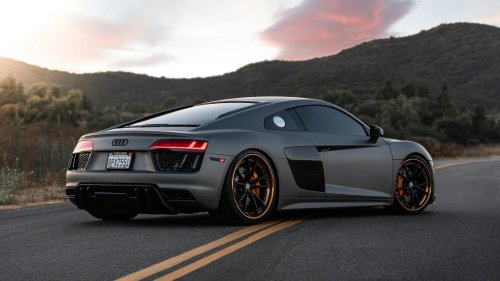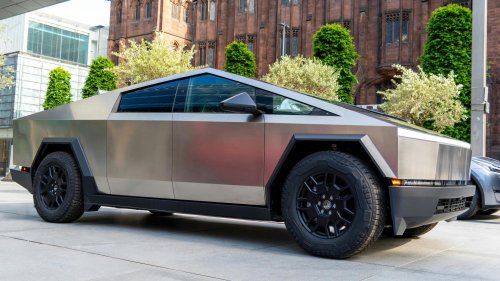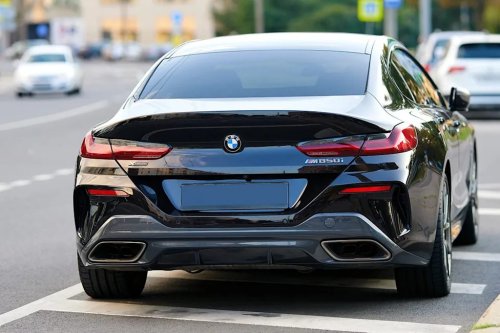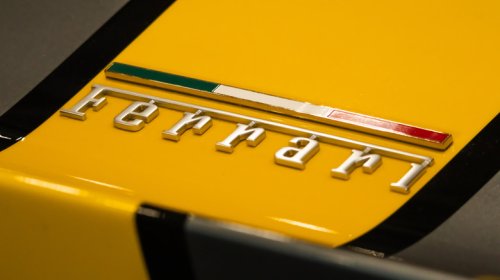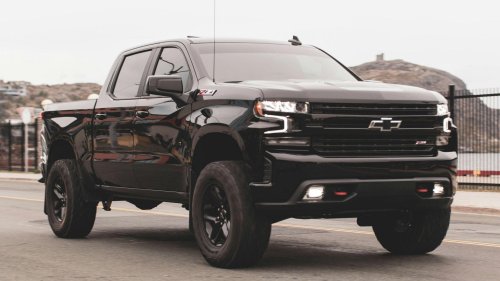


































More Than Just A BadgeHave you ever noticed how a simple badge on a car can instantly convey a world of meaning? These emblems are powerful symbols, each reflecting a brand's identity, values, and vision. Behind every logo lies careful design and ambition that make it instantly recognizable. If you want to discover the histories and significance of these iconic car emblems, then you've come to the right place! Let's dive in. 1. Mercedes-Benz Three-Pointed StarUnchanged for over a century, the Mercedes-Benz three-pointed star is a masterclass in branding. First appearing in 1909, it stands for mobility over land, sea, and air. This emblem of German engineering excellence adorns both luxury and commercial vehicles worldwide.2. Toyota Overlapping EllipsesToyota's logo was introduced in 1989 to unify its global brand, expressing the deep trust between the company and its customers. As one of the top-selling car brands globally, the logo is synonymous with innovation and reliability worldwide.3. Audi Four RingsThose four interlocking rings on an Audi aren't just for show; they represent the 1932 merger of four German automakers. Such a symbol of unity and progress now defines a global luxury brand sold in over 100 countries worldwide.4. Chevrolet BowtieWould you believe the Chevrolet bowtie was inspired by a wallpaper design? Dating back to 1913, this simple yet effective logo has become an icon of American muscle and innovation. It’s widely recognized across North and South America.5. Rolls-Royce Double RFor the ultimate statement in timeless elegance, look no further than the Rolls-Royce double R. Retained since the early 1900s, it symbolizes unparalleled luxury and artistry, setting the benchmark for elite vehicles on a truly global scale.6. BMW RoundelWhile many think it's a spinning propeller, BMW's iconic roundel is actually inspired by Bavarian flag colors. A consistent mark of the brand established in 1917, it reflects its aviation heritage and is now a global leader in premium vehicles.7. Tesla T EmblemThe Tesla "T" hides clever engineering inside its simple design by representing an electric motor's cross-section since 2003. This futuristic badge has grown into a global sign of EV innovation that drivers recognize in over thirty countries. The minimalist approach perfectly matches the brand's forward-thinking philosophy.8. Honda H EmblemFrom the 1960s onwards, Honda’s “H” logo has signified quality. It conveys reliability and innovation, while also capturing the brand's name and simplicity. As a top global automaker, its logo is not just on cars but also on bikes and power equipment.9. Hyundai Slanted HThat slanted “H” on a Hyundai is more than a letter; it's a handshake symbolizing trust between the company and its customers. Introduced in the '90s for global branding, it represents forward motion for one of the world's top carmakers.10. Lamborghini Charging BullWhat does a charging bull have to do with cars? For Lamborghini, it reflects the founder's zodiac sign, Taurus. Since 1963, this symbol of power and prestige has adorned elite sports cars, making it a global luxury icon.11. Ferrari Prancing HorseAn emblem of Italian excellence, the Ferrari prancing horse was inspired by a WWI pilot's personal crest. First appearing in 1947, the logo is now synonymous with luxury and speed and is instantly recognized by performance enthusiasts.12. Porsche CrestA beautiful combination of the Stuttgart coat of arms and Württemberg elements, this detailed crest made its debut in 1952. It reflects the rich heritage and performance that have made Porsche a top global sports car brand.13. Ford Blue OvalFirst introduced in 1927, Ford's Blue Oval has remained largely unchanged for decades, becoming a true icon of America's automotive legacy. Representing durability and mass-market appeal, vehicles sporting this famous logo are sold today in over 100 countries.14. Mazda Winged MWhile Mazda is respected for design and driving dynamics, its logo further reflects a commitment to creativity. The brand's winged “M” logo was introduced in 1997, and it symbolizes flight. Reflecting the brand's evolution, it now stands as a representation of stylish design and the joy of dynamic driving.15. Renault DiamondRenault's distinctive diamond emblem has been in use since 1925 and has been refined over the decades to reflect French design and innovation. This hallmark of precision and modernity marks a global automotive player seen across Europe, South America, and parts of Africa.16. Volkswagen VW MonogramGermany's "people's car" concept lives on through the VW monogram that dates back to 1937. The interlocked letters capture affordability and quality in one simple design that spans continents today. Europe's largest automaker built this recognizable mark from humble beginnings into worldwide automotive success.17. Subaru Six StarsHave you ever wondered about Subaru's six stars? They represent the Pleiades star cluster and symbolize the unity of six companies. Introduced in 1953, the logo is globally known for its all-wheel-drive vehicles, prominent throughout North America and Asia.18. Citroën Double ChevronCitroën's double chevron was inspired by a gear teeth design, a nod to the company's engineering roots. First seen in 1919, it now showcases French innovation for a major European automaker with a strong presence in Asia and Africa.19. Jaguar Leaping CatBritish luxury found its perfect mascot when Jaguar introduced the Leaping Cat back in 1945. This graceful feline captures speed and elegance in one flowing design that car enthusiasts instantly recognize. The powerful cat has become synonymous with performance across Europe and North America for decades.20. Mitsubishi Three DiamondsJapanese heritage shines through Mitsubishi's three-diamond design that actually predates cars by reaching back to the 1870s. These geometric shapes appear on everything from vehicles to electronics while representing reliability and integrity. The ancient family crest has evolved into a modern corporate identity across multiple industries.