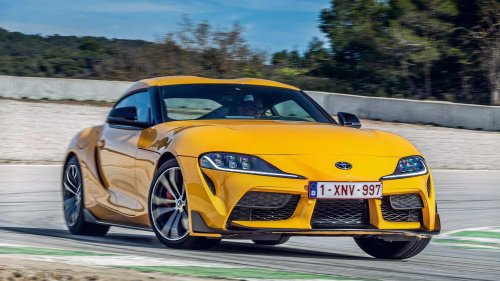
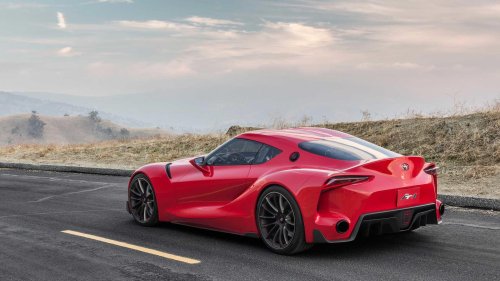
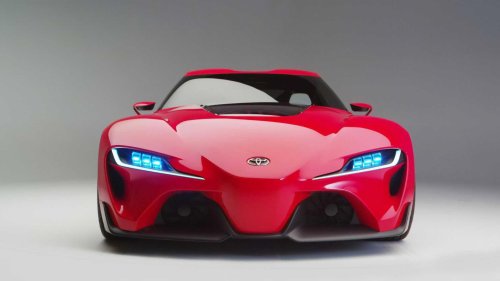
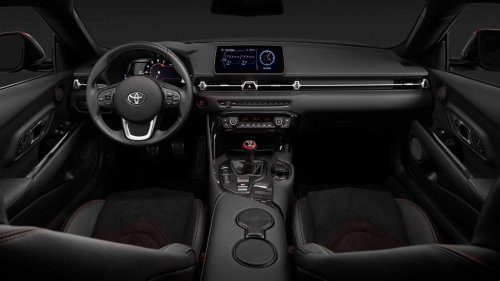
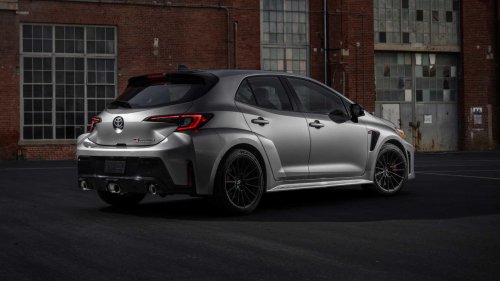
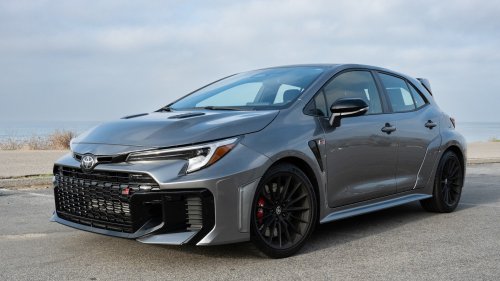
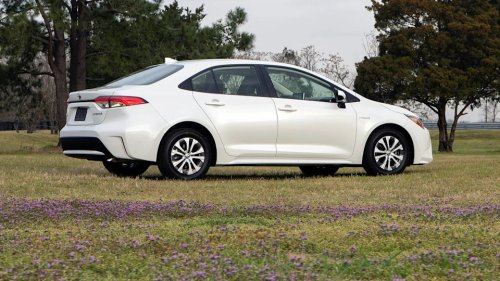
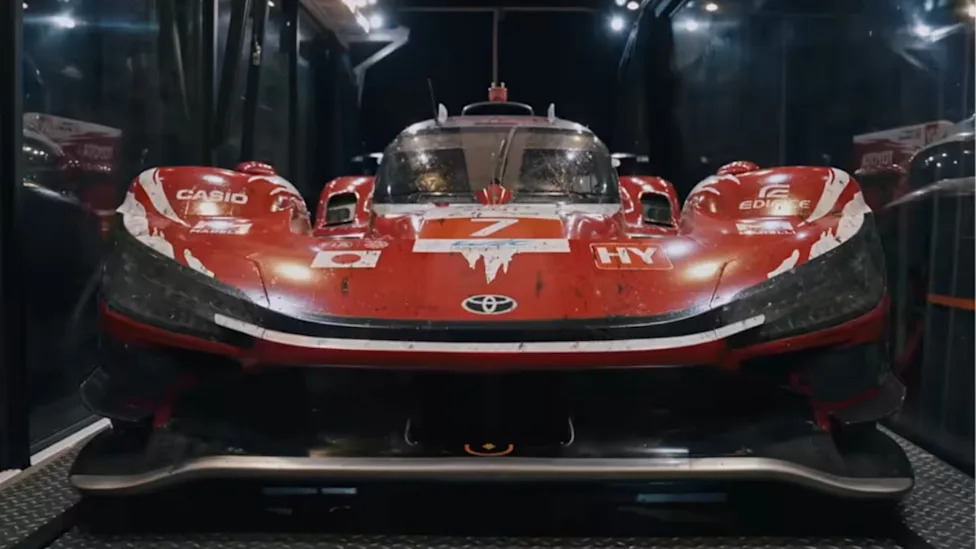
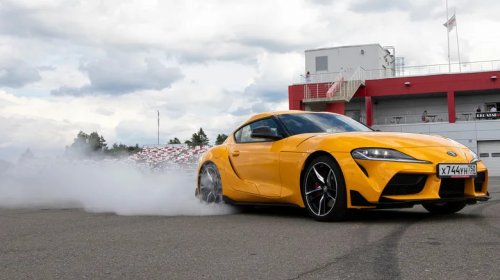
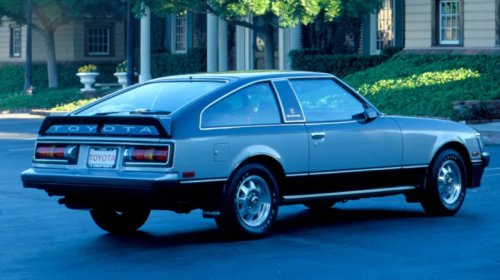
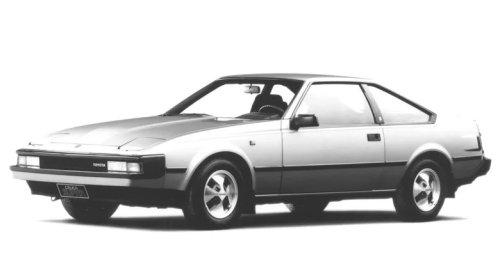
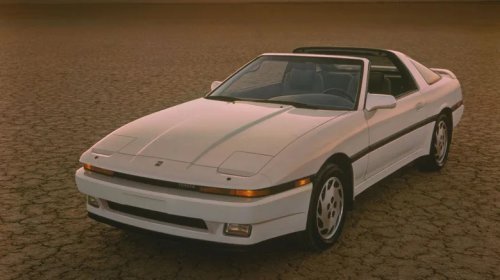
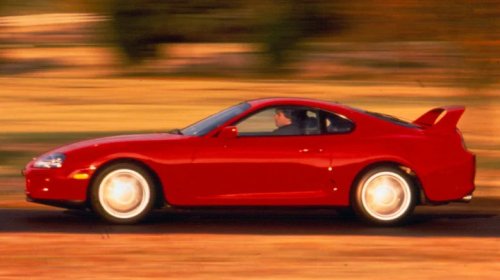
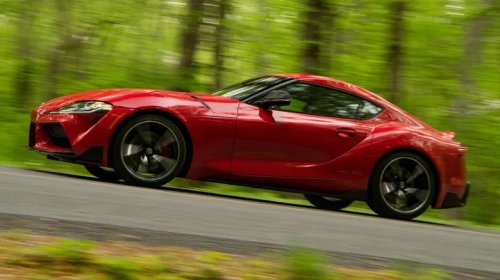
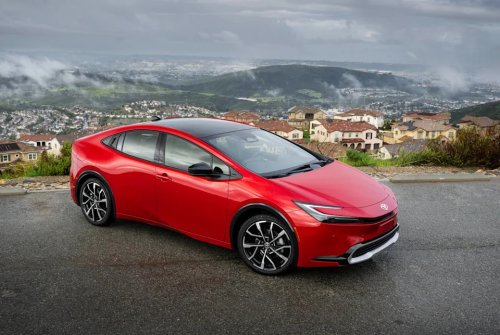
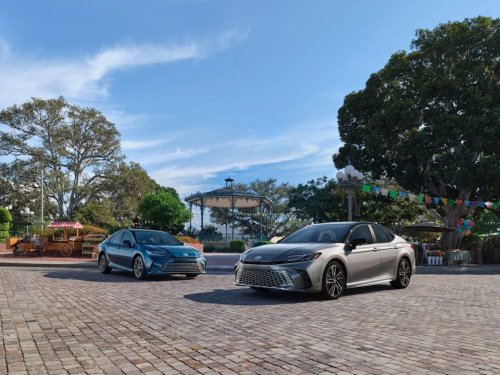
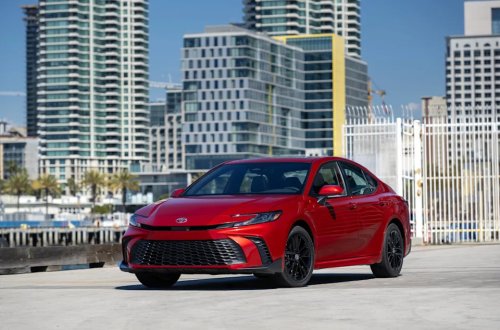
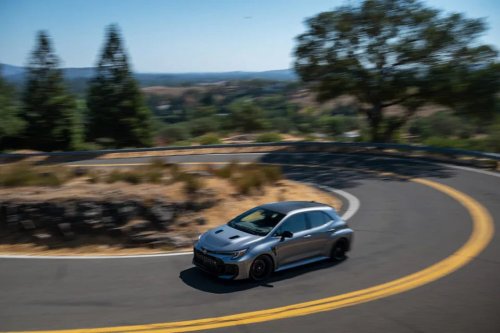
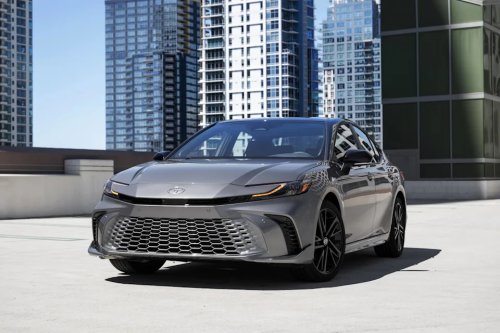
Imagine for a moment that car manufacturers were children in school somewhere, with Toyota being that unruly kid who would often get into trouble by doing things that they shouldn't. The young Toyota would beat up all the other automotive kids in the playground with icons like the 2000 GT, AE86, MR2, and Supra before one day coming back from the principal's office with a chastened, new approach.Now, Toyota would spend the first decade of the 21st century in a quiet corner of the playground, churning out Camrys and crossovers that may have been brilliantly sensible but were also almost completely forgettable. And suddenly Toyota, despite its heft, was no longer the bully after all. But thankfully, this storyline would take an exciting turn when a new character appeared to steer Toyota in a different direction. The company's new boss, Akio Toyoda, declared that there would be no more boring cars, and around 12 years ago, we caught the first glimpse of what would become the Supra.The 86 technically came first, and was proof that Toyota could do fun, but the modern Supra was the car that proved that the brand could really play in the same segment as Porsche. Toyota Finally Snapped And Built A Real Sports Car Once More ToyotaToyota was undoubtedly one of the world's largest automakers as the new century unfolded, scoring huge sales hits with its Camry, Corolla, RAV4, and Prius. It had a reputation for safety and reliability that other brands could only envy, but from an enthusiast's point of view, it was still rather grey. All those cars may have been successful from a spreadsheet point of view without creating much risk for the company, but enthusiasts pined over vehicles like the Supra, which never had any real successor. The Supra turned into a legend through video games and movies, but Toyota stubbornly refused to notice, offering hybrid and family sedans whether you liked them or not. Yet somewhere deep inside the business, Toyota designers and engineers knew that there was no real spark within the company and that something had to change.Akio Toyoda is a genuine car nut who races as much as possible, using his Morizo nickname when he does so, and turning in laps at places like Fuji Speedway and the Nürburgring. He didn’t like hearing about Toyota's boring lineup, and he started to shift the leadership team away from the concept of reliable and sensible and more towards the production of something that was actually worth driving. He issued his now famous internal decree that there would be no more boring cars. And this created enough political space for one very big and symbolic movement. Toyota would come up with a proper halo sports car and show that it hadn't forgotten how to have fun after all. Toyoda's Decree Changed Toyota's Priorities Toyota Even though Toyoda-san made headlines with his new slogan, it would nevertheless be a lot harder to change any product planning mechanisms in what was one of the world's largest companies. After all, for years Toyota was wedded to the idea of low-risk and high-volume vehicles and this meant crossovers, sedans or hybrids that were always safe, predictable, and conservative. While sports cars may be fun, they do tend to be low-volume and potentially high-cost headaches. They're quite expensive to design and create, and their buyers are very picky, which leads to zero leeway from the press if you happen to make a mistake.Still, Toyoda was more than just a corporate figurehead and knew what he was talking about. He was driving proper cars himself and knew exactly what to look for and didn't need to default to safe and committee-approved styling. And slowly but surely, priorities at Toyota started to change. Now, the developers were talking about vehicle dynamics within the overall equation as well as steering feel, response, and driver engagement. Designers started to pay attention to a new sports car icon to confirm that Toyoda was being deadly serious when he claimed that there would be no more boring cars. They began to work on a modern rear-wheel drive coupe that could stand on the same stage as the old Supra and carry the mantle going forward. The FT-1 Concept That Lit The Fuse ToyotaCalty Design Research landed one of the biggest assignments of the day when it was charged with building the ultimate expression of a Toyota coupe. The team looked closely at the previous 2000 GT, Supra, Celica, and MR2 and came up with a car that had a long hood, a cab-backward shape, and something that screamed rear-drive, enthusiastic performance. The name FT-1 suggests a “future” Toyota, with the number one hinting at it being the ultimate version and the car that would now lead Toyota into performance battle. Toyota called this vehicle a spiritual pace car for “Toyota Global Design” when it first appeared at the 2014 North American International Auto Show in Detroit. And as it sat in the middle of milder sedans and crossovers, it looked distinctly out of place, with that huge nose, wider air intakes, muscular fenders, and driver-focused cockpit.Many thought that the cockpit itself looked like something from the world of Gran Turismo, and perhaps that connection was closer than they thought. Designers seemed to collaborate with their counterparts in the game environment and may have used digital renditions to help them test proportions and stance. Video and in-game clips helped to sell the car internally, meaning that executives could virtually drive an FT-1 to feel its emotional pitch. And when Akio Toyoda gave the new concept a green light, Toyota actually had a full-scale car to go alongside its “no more boring cars” ideology. From Wild Show Car To Real-World Supra Toyota Dreaming up a concept is one thing but producing a real sports car in its wake is another. Don't forget that you have to pass crash tests and meet really stringent global emissions rules while making the car as practical as possible for actual humans and their luggage. And oh yes, you also have to make sure that you don't lose too much money on such a niche product. With these challenges in mind, Toyota decided to hedge some of its bets by partnering with BMW. The two brands would agree to co-develop a rear drive sports car architecture that would lead to a new Toyota Coupe as well as a BMW Z4. BMW would supply the engines in the form of turbocharged inline fours and sixes and a lot of the base hardware while both companies would then adapt the platform to their own body styles and get ready for the marketplace. Both companies turned to Magna Steyr in Graz, Austria for production, a specialist outlet that has a reputation for building high quality, low volume models for multiple brands.When the A90 generation Supra finally landed for the 2019 model year, it had a BMW-sourced turbo engine and an eight-speed automatic transmission. Toyota Gazoo Racing had tuned everything up so that this new GR Supra felt like a sharp rear-wheel-drive driver's car. While some purists weren't happy with that BMW motor, the new vehicle generally received plenty of plaudits from the media community.The production Supra had many of the FT-1's fingerprints on it, including the double-bubble roof, long hood, hunched rear quarters, and cab-backward stance. It may not have been quite as wild as the show car from Detroit, but it certainly wasn't the usual and expected generic coupe either. Toyota also managed to outsell BMW when comparing the Supra to its Z4 platform mate. The overall success justified the experiment within Toyota, paving the way for talk of a future Supra that might be an in-house creation instead. Toyota's Real Sports Car Unlocked The Greatness Toyota Toyota's new Supra became a real-world brand halo and proved that Toyoda was not all bark and no bite. Yes, Toyota was still selling mountains of crossovers and hybrids to keep the lights well and truly on, but the Supra presented a clear and physical benchmark to prove that management were also happy with fun and not just focused on fuel economy charts.Since that day, the Gazoo Racing sub-brand has grown into a renowned performance arm and is coming up with some wild and rally-inspired hatchbacks like the GR Yaris and GR Corolla. These cars represent big power and all-wheel drive and the type of unhinged personality that would never have passed Toyota committees in the olden days. The GR86 also gives younger buyers some rear drive and affordable fun as an entry-level sports car beneath the Supra. And even some of the more mainstream models have become far less anonymous and sharper, with bolder and sportier styling and better driving dynamics.Enthusiasts like Akio Toyoda didn't believe that Toyota should be known only for producing the perfect appliance. His edict led to the FT-1, which gave the company a target to aim at, and the BMW-based Supra, which helped the company make the numbers work in the short term. Now, the growing GR family shows that the gamble was worth it. And if Toyota does produce its next-generation Supra completely in house, it'll show that its sports car comeback was never a one-off nostalgia play.