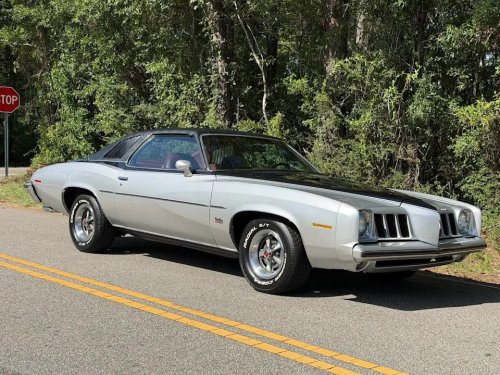
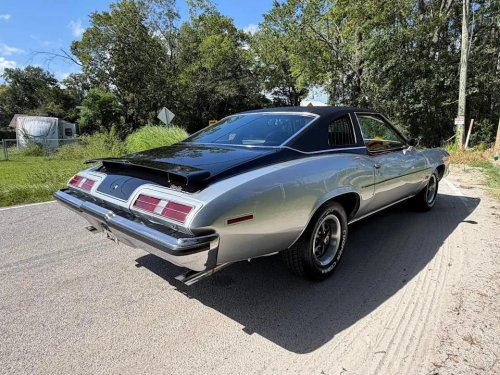
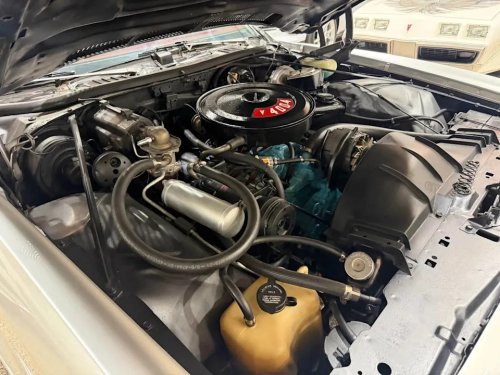
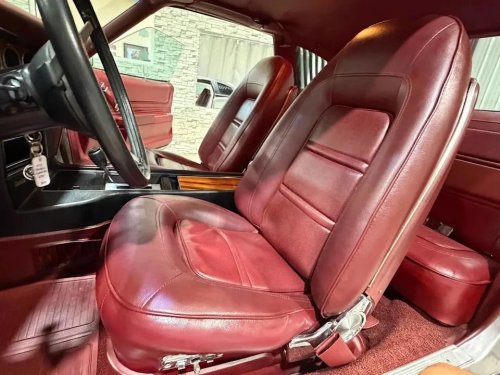
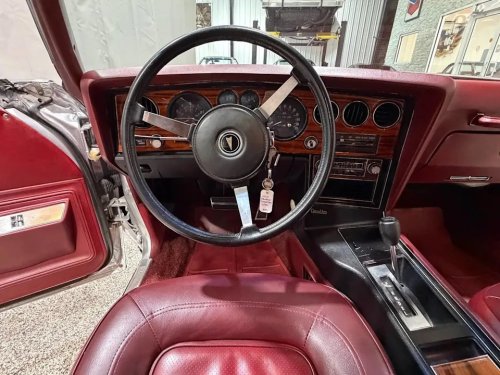
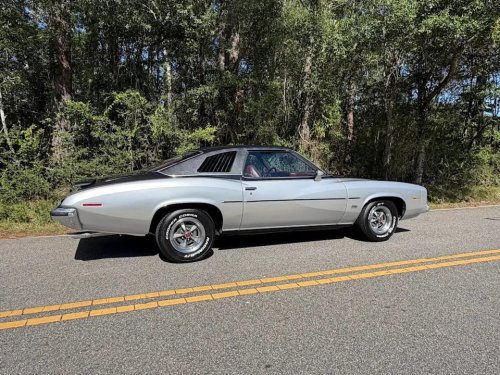
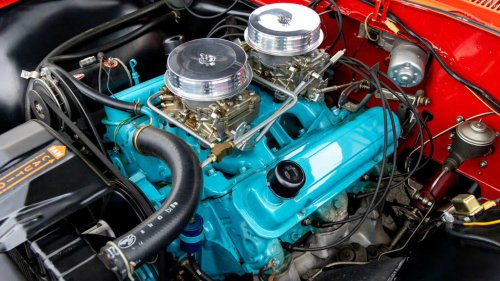
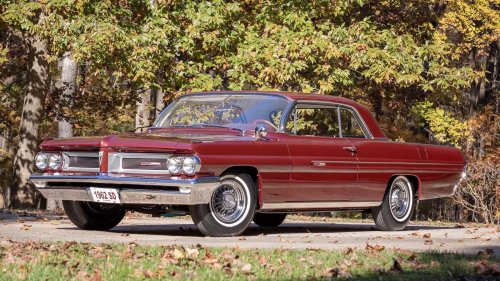
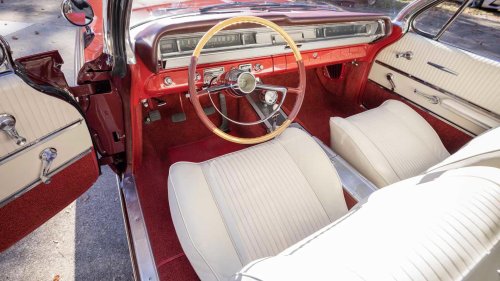
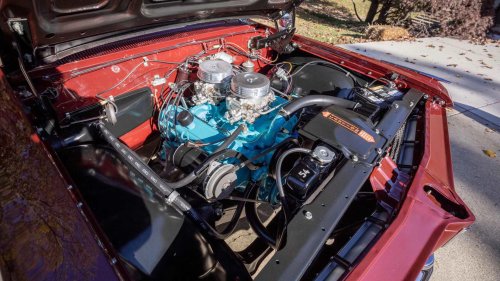
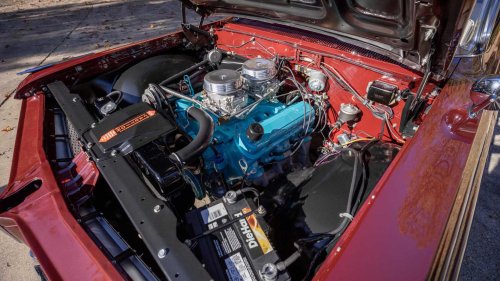
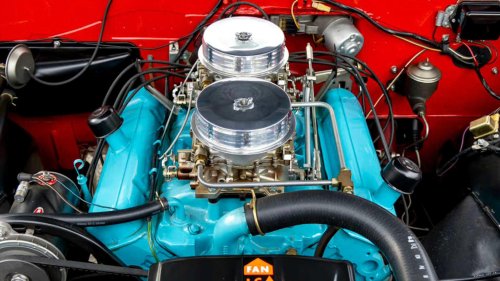
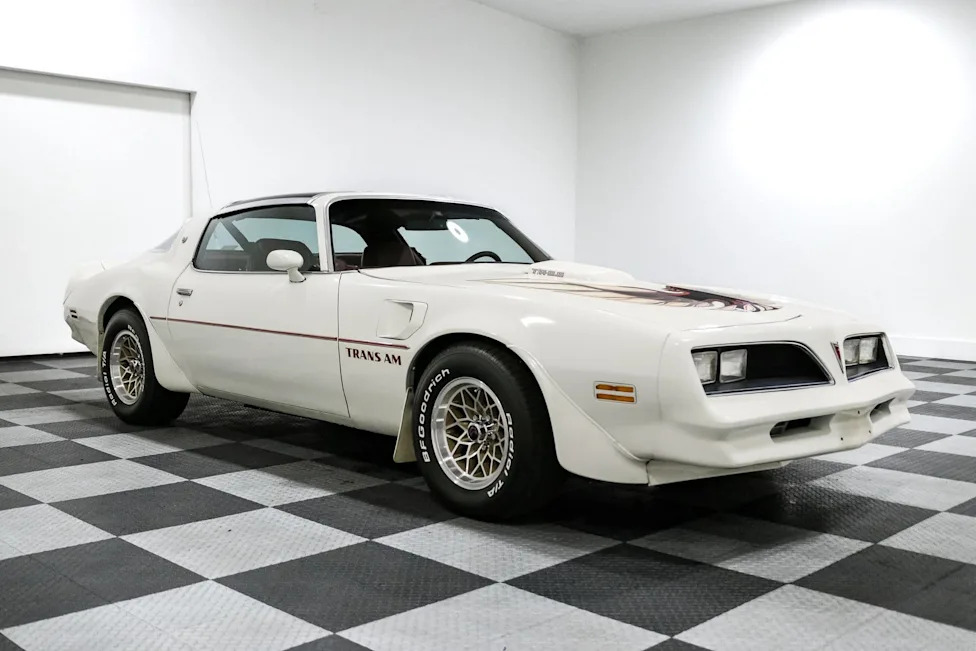
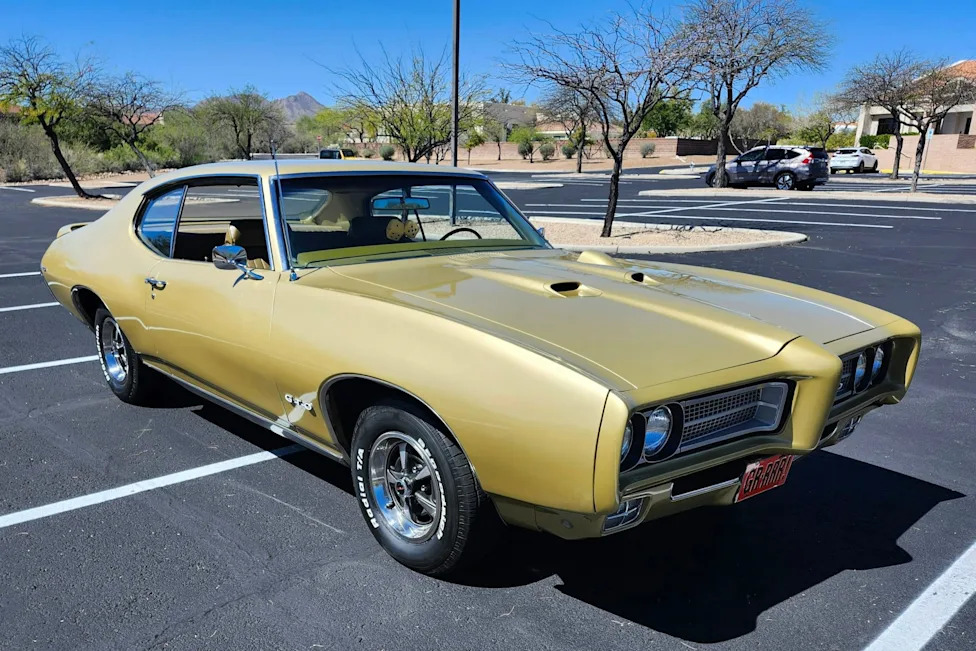
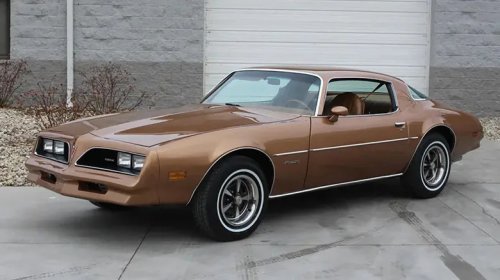
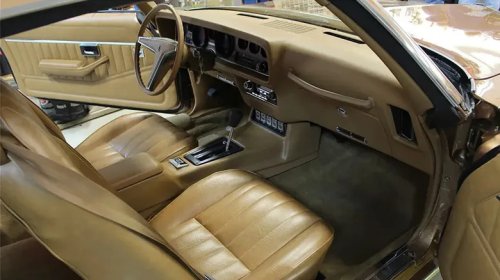
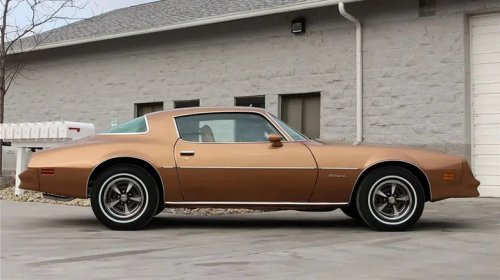
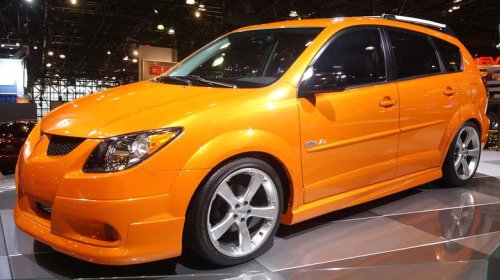
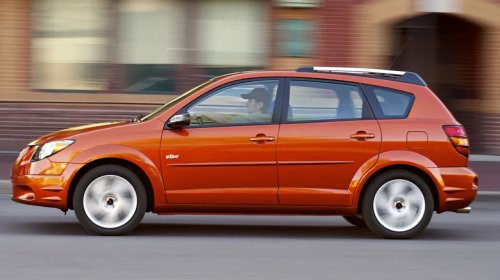
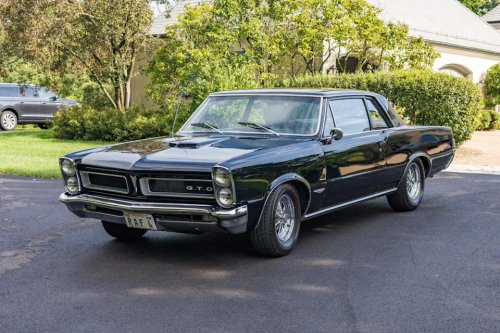
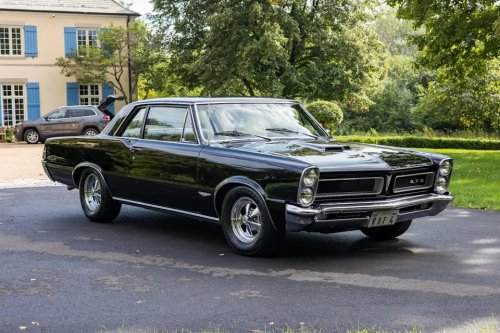
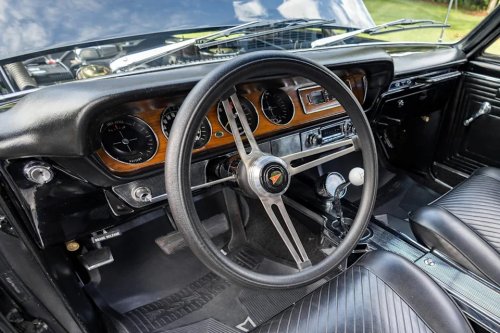
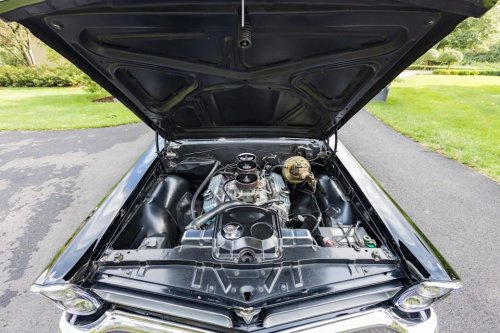
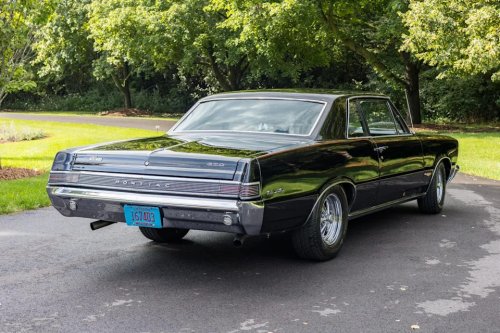
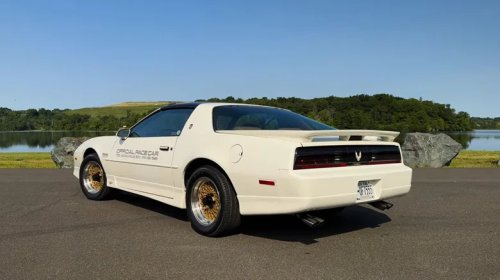
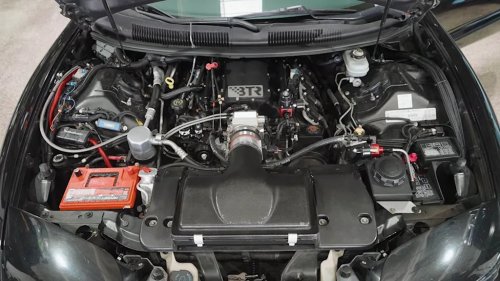
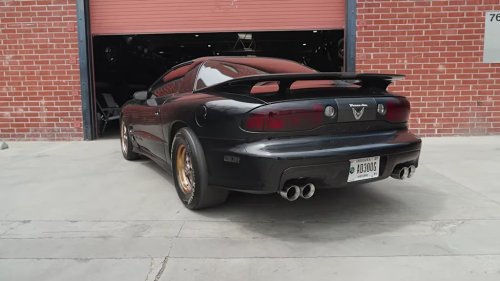
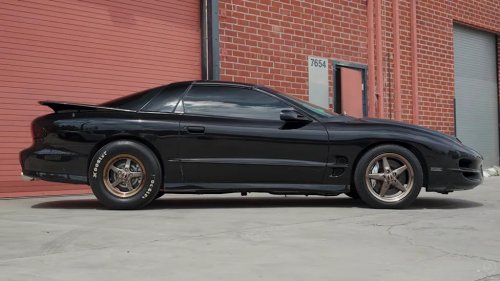
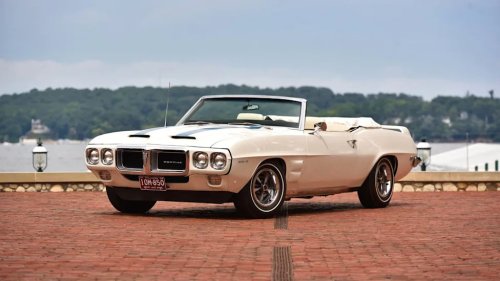
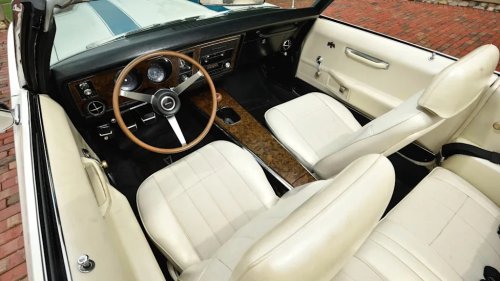
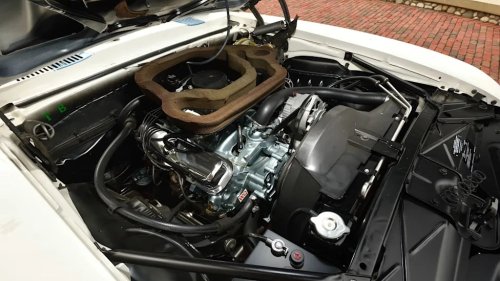
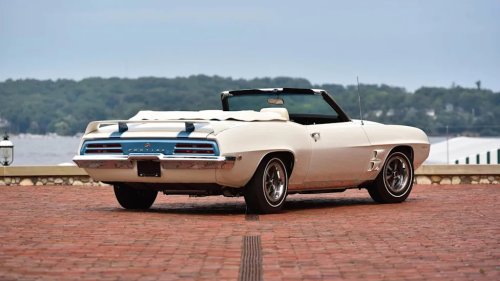
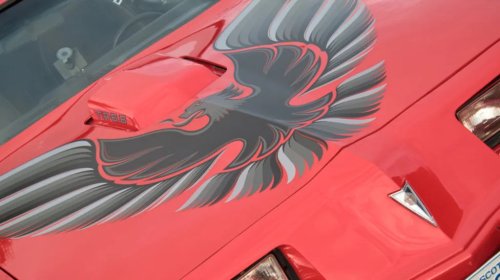
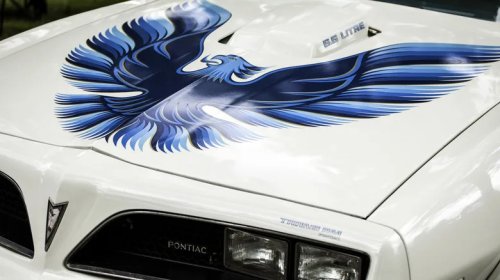
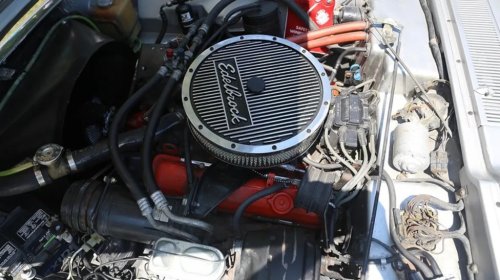
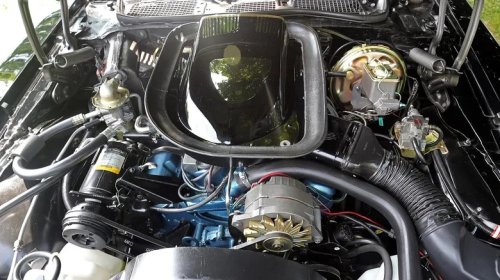
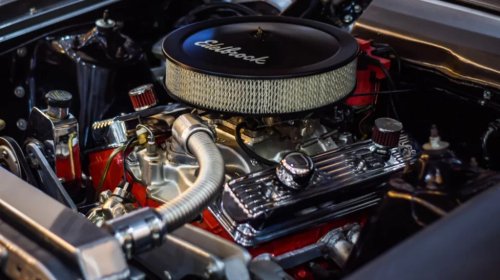
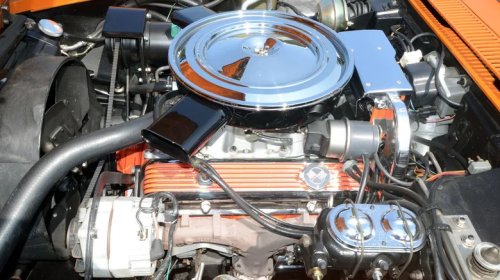
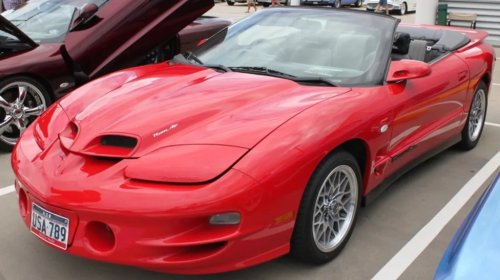
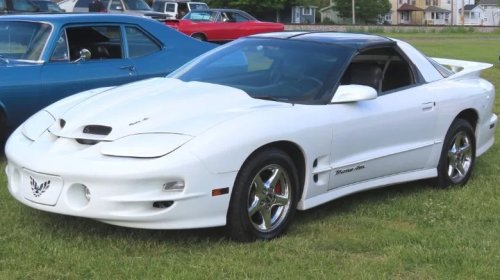
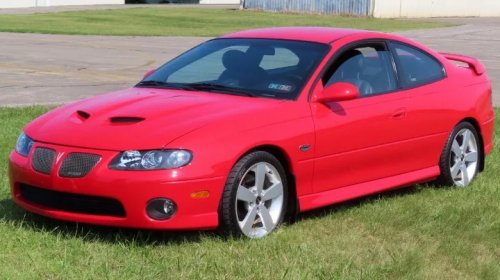
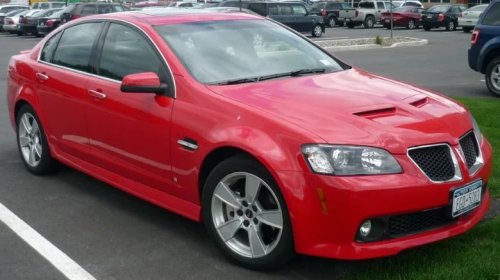
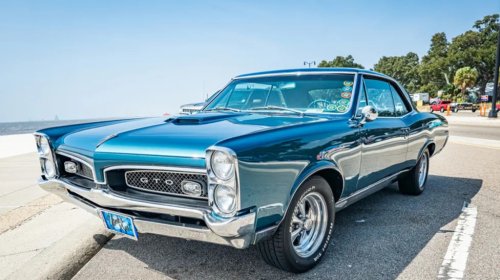
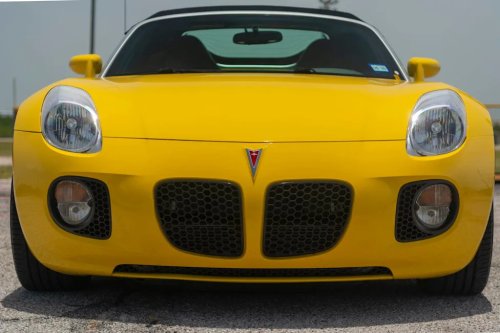
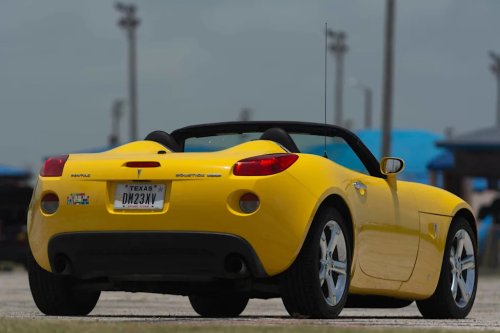
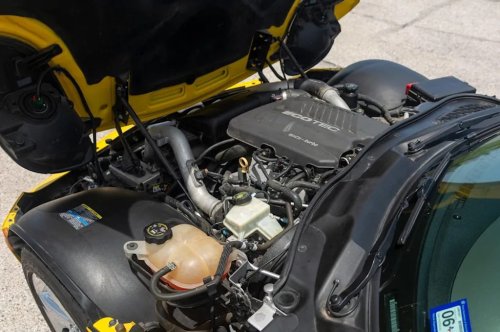
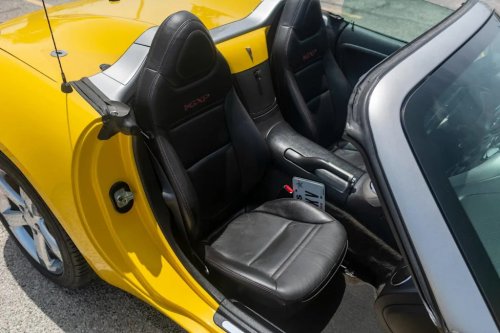
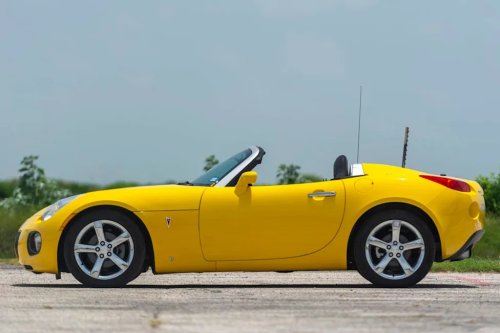
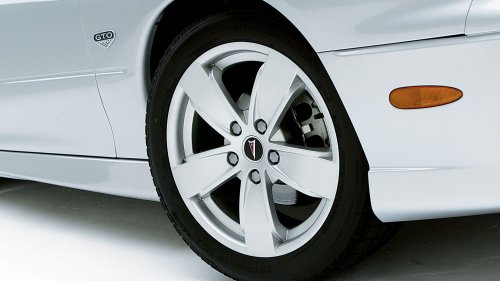
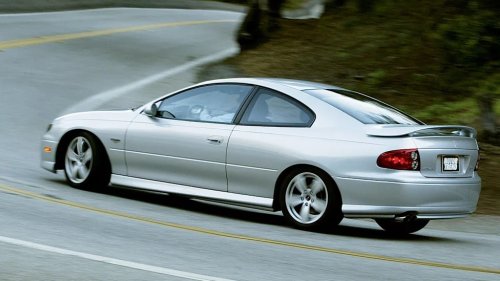
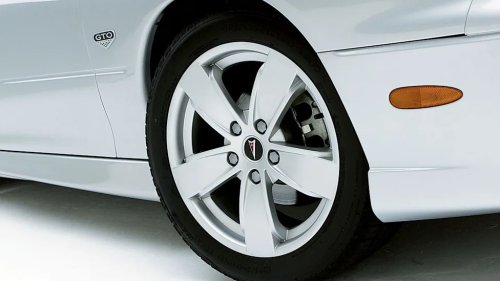
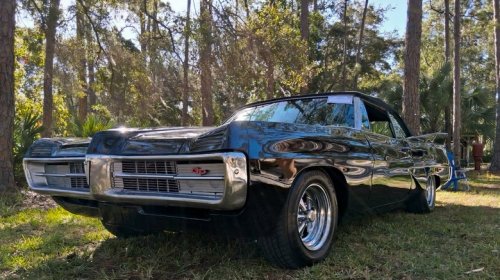
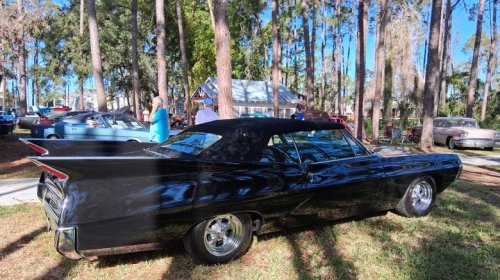
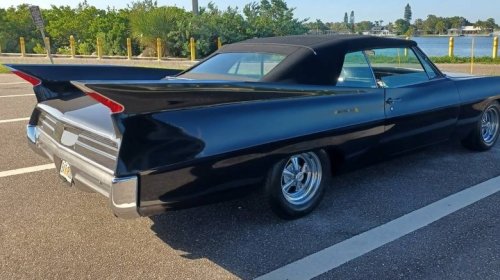
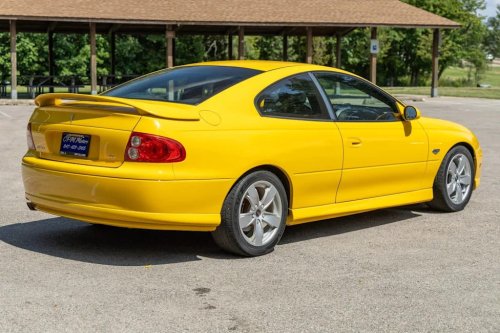
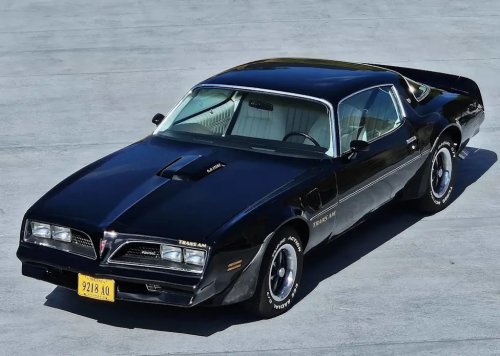
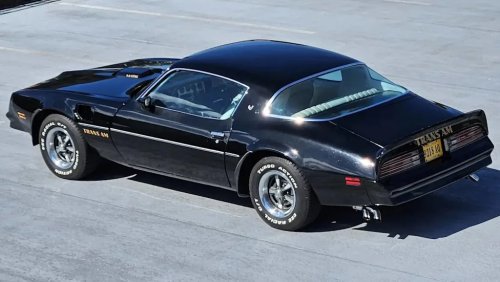
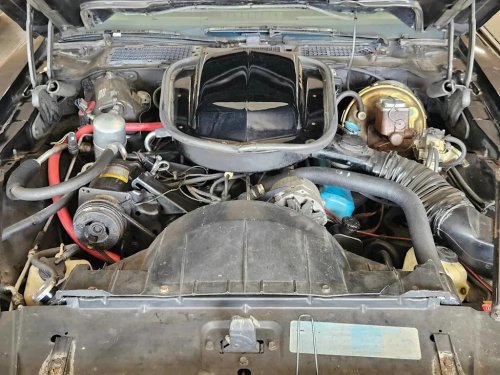
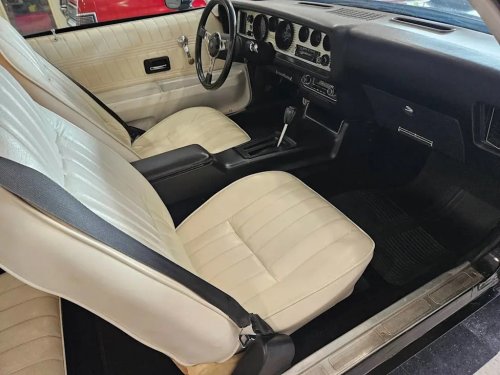
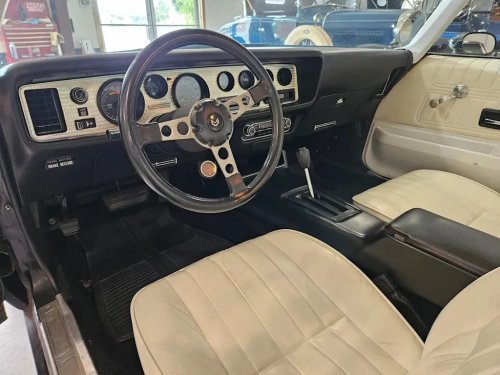
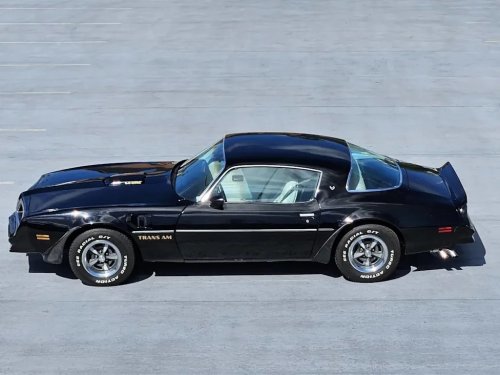
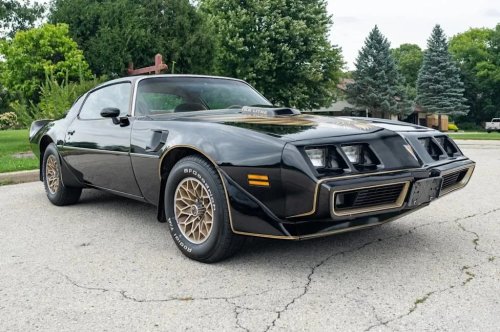
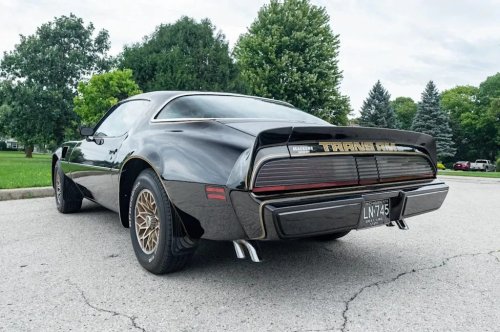
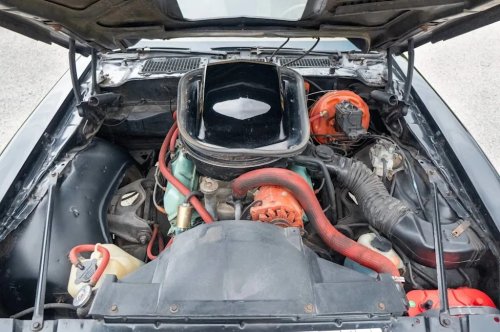
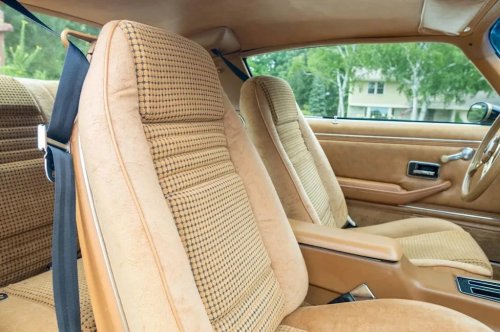
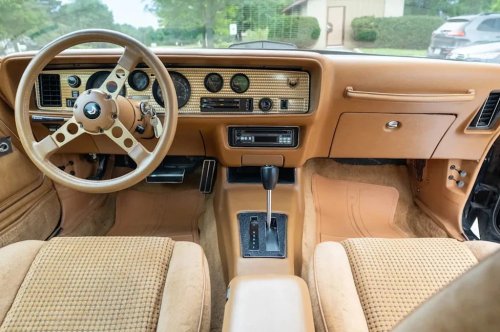
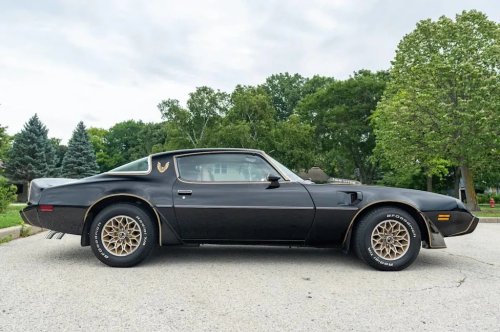
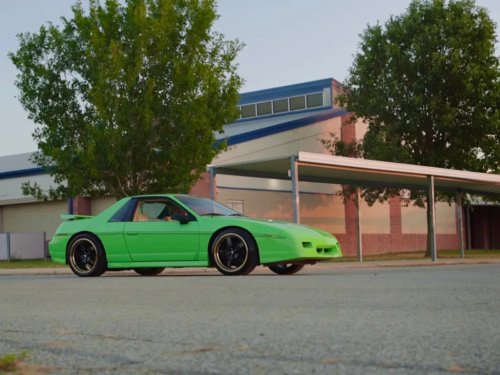
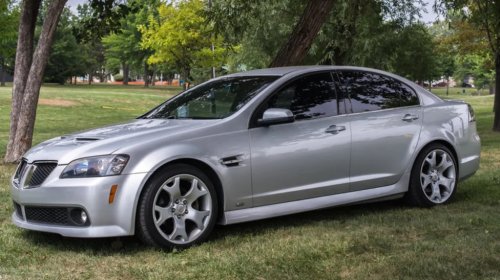
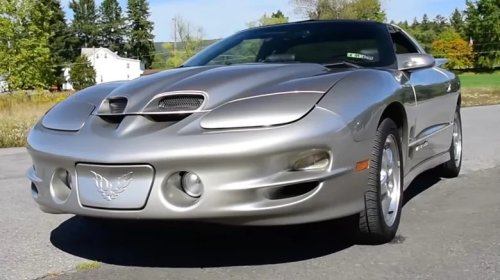
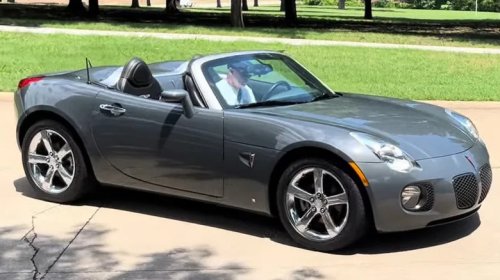
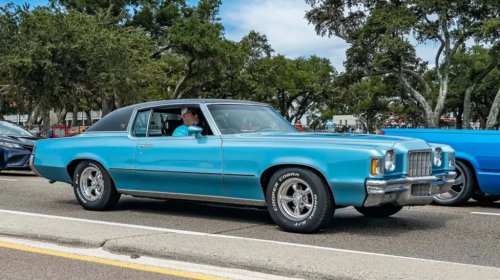
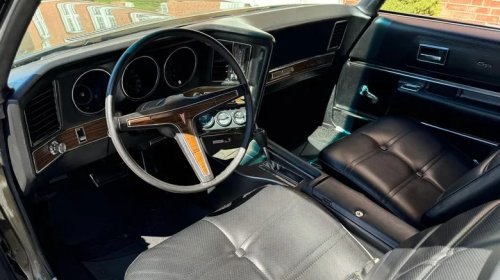
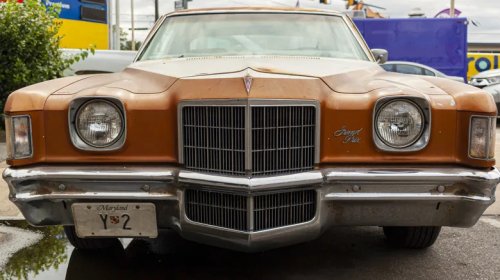
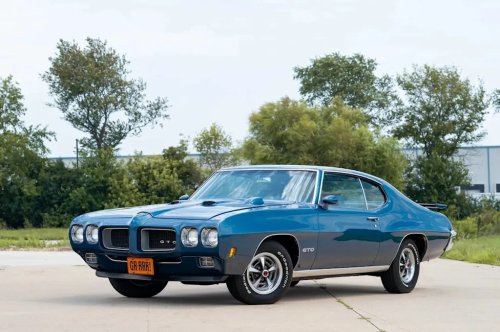
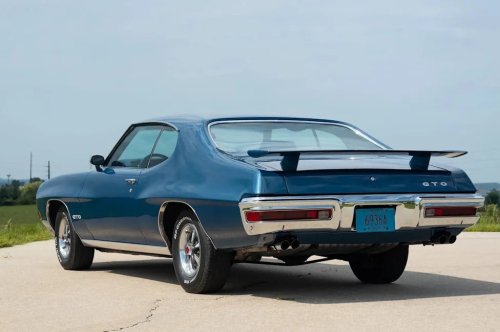
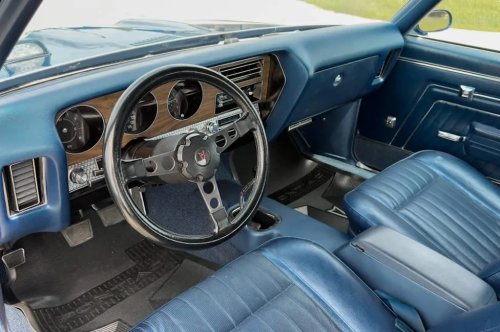
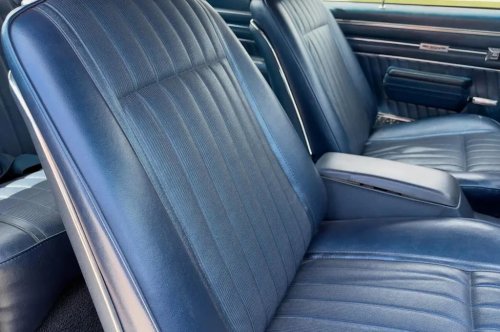
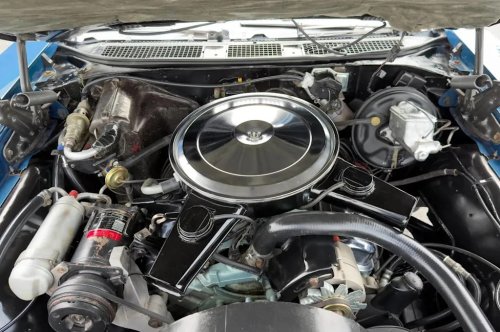
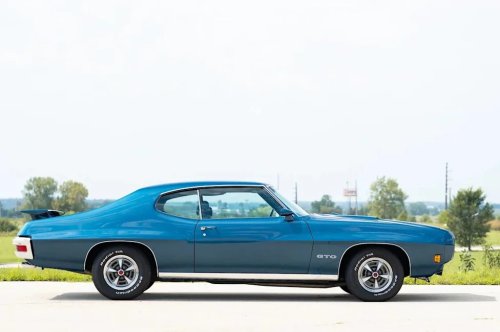
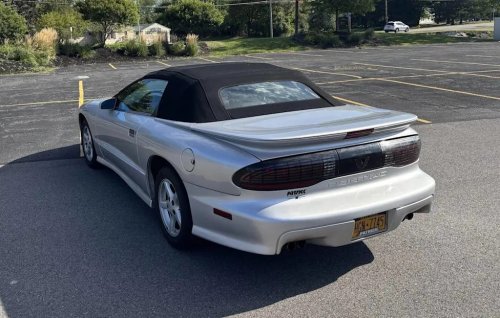
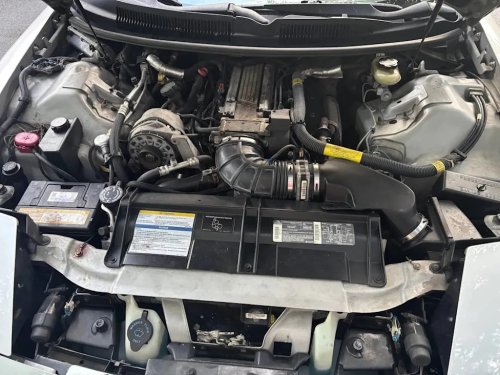
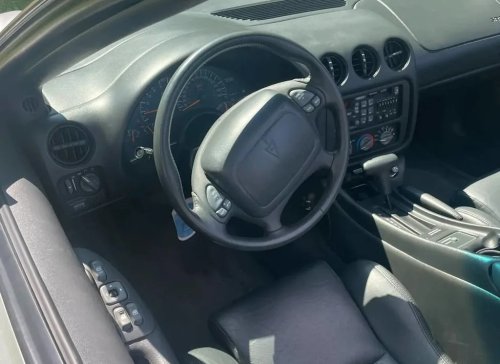
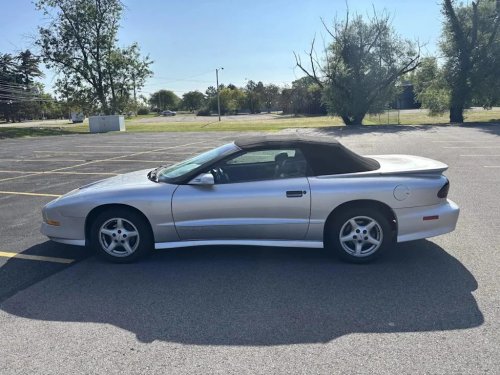
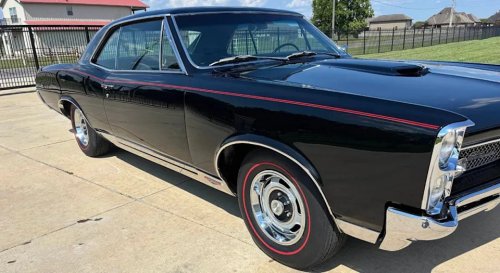
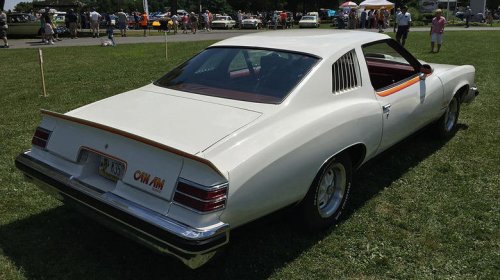
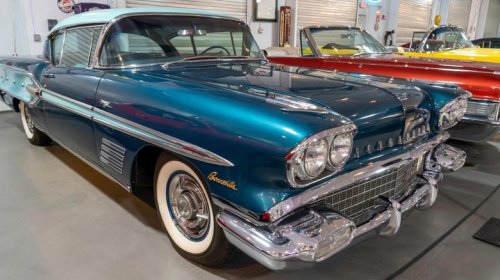
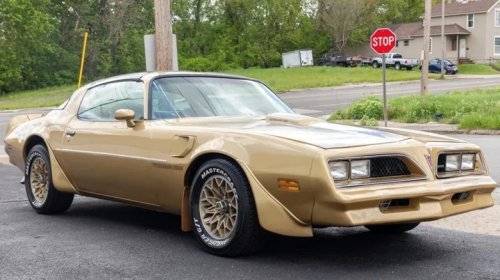
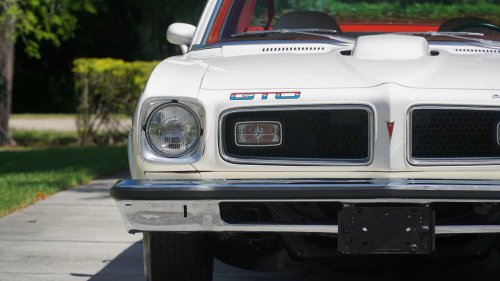
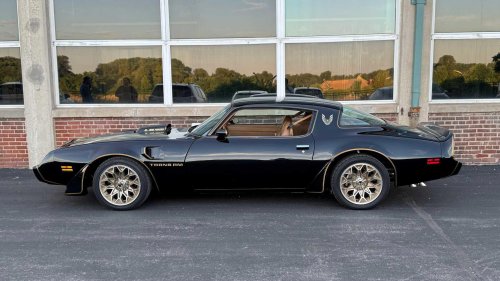
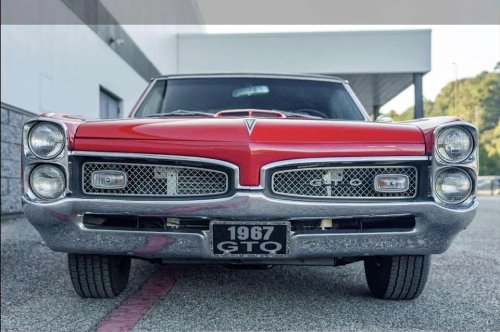
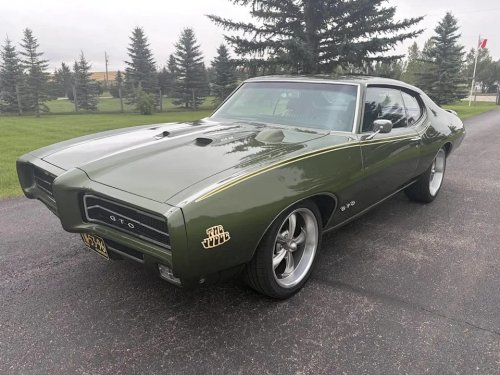
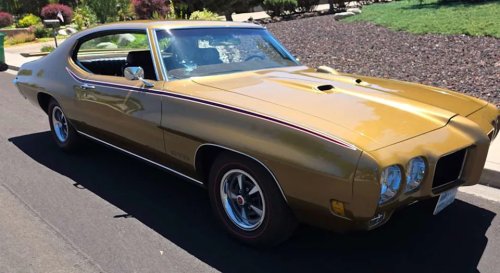
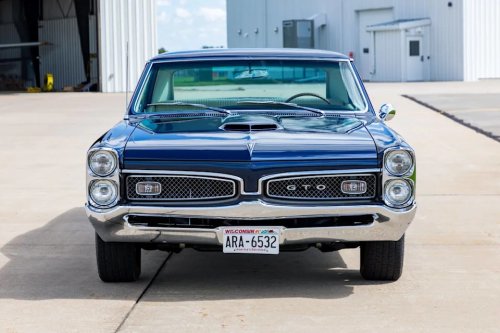
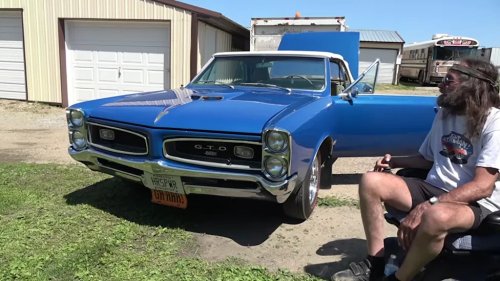
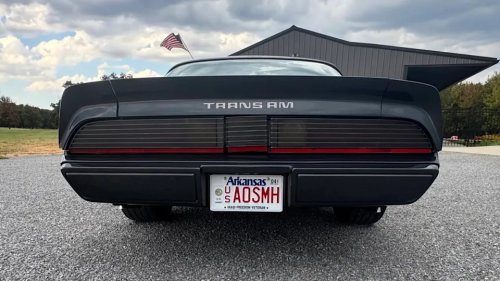
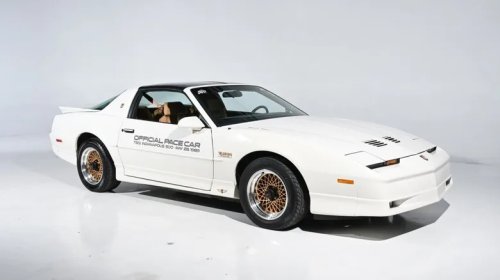
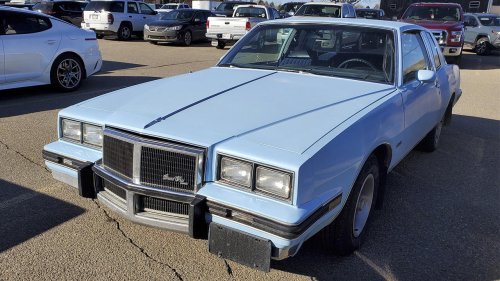
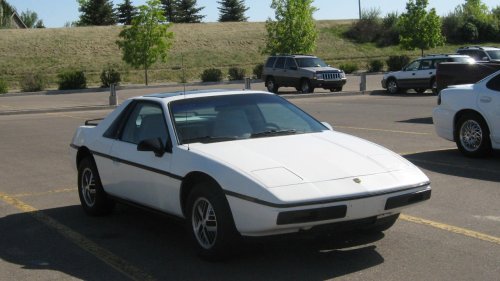
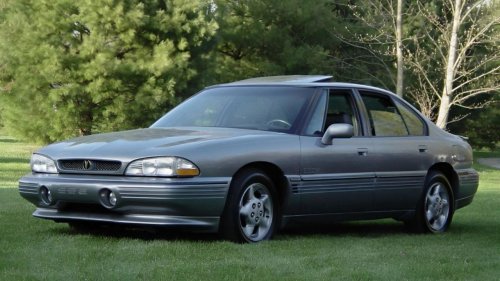
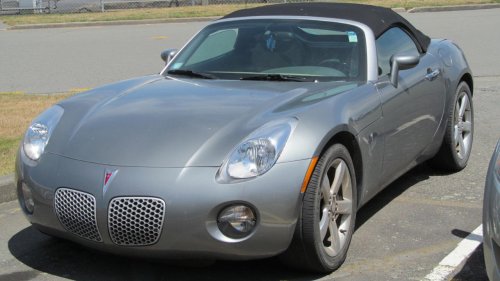
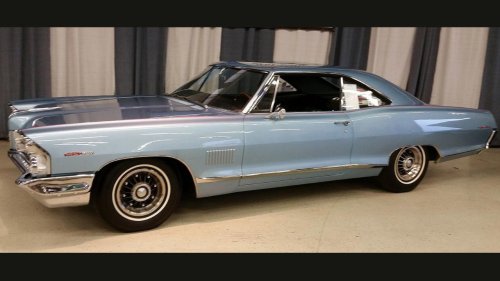
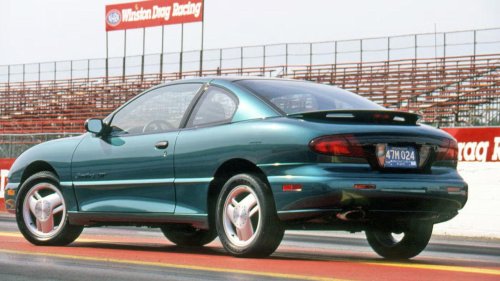
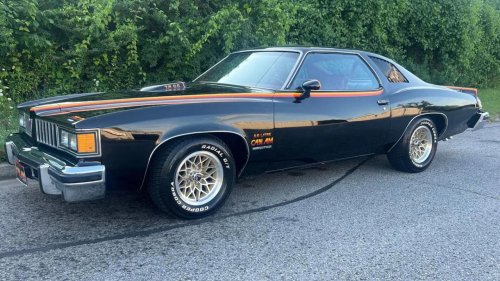
Few American brands reflected changing automotive trends as clearly as Pontiac. From the birth of the muscle car to the rise of personal luxury coupes and sporty compact machines, Pontiac consistently built vehicles that embodied the tastes and priorities of their time. These models not only found success in their respective decades but also became lasting symbols of the eras that produced them.Pontiac GTOThe Pontiac GTO perfectly captured the horsepower wars of the 1960s. By combining a midsize body with a powerful V8, it helped launch the muscle car movement and changed the performance landscape. Mechanics appreciated its durable drivetrains and straightforward engineering. The GTO reflected an era when buyers wanted affordable speed, bold styling, and a rebellious image that challenged traditional automotive expectations.Pontiac Firebird Trans AmThe Pontiac Firebird Trans Am became a defining symbol of late-1970s American performance. Even as emissions regulations reduced horsepower, its aggressive styling, shaker hood, and V8 power kept enthusiasm alive. Mechanics respected its robust mechanical components and aftermarket support. The Trans Am captured a decade that valued personality and visual impact just as much as outright speed.Pontiac Grand PrixThe Pontiac Grand Prix embodied the personal luxury trend that became enormously popular during the 1970s. Its long hood, plush interior, and available V8 engines appealed to buyers seeking comfort with a sporty image. Mechanics appreciated its proven mechanicals and smooth cruising manners. The Grand Prix perfectly reflected a time when style, comfort, and individuality were becoming major purchasing priorities.Pontiac FieroThe Pontiac Fiero represented the experimental spirit of the 1980s. Its mid-engine layout, futuristic styling, and compact dimensions gave Pontiac something unlike anything else in Detroit. Mechanics admired its innovative packaging and unique engineering approach. The Fiero captured a decade focused on technology, efficiency, and fresh ideas, making it one of Pontiac’s most distinctive creations.Pontiac Bonneville SSEiThe Pontiac Bonneville SSEi showcased the growing popularity of high-tech performance sedans during the 1990s. Featuring a supercharged V6, sporty styling, and modern amenities, it blended practicality with impressive acceleration. Mechanics respected the durability of its powertrain. The SSEi reflected an era when buyers increasingly wanted family-friendly vehicles capable of delivering genuine performance.Pontiac SolsticeThe Pontiac Solstice arrived during the 2000s sports-car revival and immediately attracted attention with its dramatic styling and rear-wheel-drive layout. It offered an engaging driving experience at an accessible price. Mechanics appreciated its straightforward engineering and solid platform. The Solstice perfectly captured a period when automakers rediscovered enthusiasm for lightweight, driver-focused roadsters.Pontiac Catalina 2+2The Pontiac Catalina 2+2 reflected the early 1960s belief that bigger could also be faster. Equipped with powerful V8 engines and performance upgrades, it brought muscle-car thinking to the full-size segment. Mechanics admired its rugged construction and durability. The Catalina 2+2 captured a time when American buyers embraced large, powerful cars without concern for fuel economy.Pontiac Sunfire GTThe Pontiac Sunfire GT represented the growing sport-compact movement of the 1990s. Its sporty appearance, affordable price, and youthful image appealed to a new generation of drivers. Mechanics appreciated its simple maintenance and dependable components. The Sunfire GT captured an era when compact cars were increasingly marketed as lifestyle vehicles rather than merely economical transportation.Pontiac Can AmThe Pontiac Can Am arrived during a transitional period when traditional muscle cars were fading. Its bold graphics, V8 power, and sporty character kept Pontiac’s performance image alive despite changing regulations. Mechanics respected its proven drivetrain and easy serviceability. The Can Am perfectly reflected the late-1970s effort to preserve excitement in an increasingly restrictive automotive environment.



















 +5 others