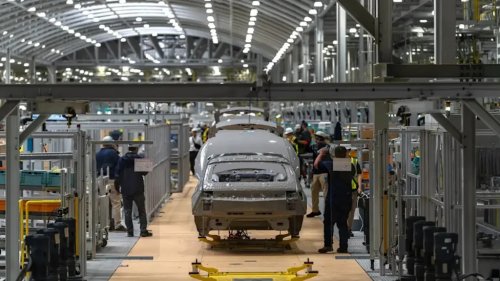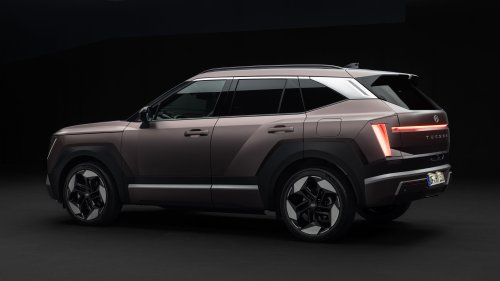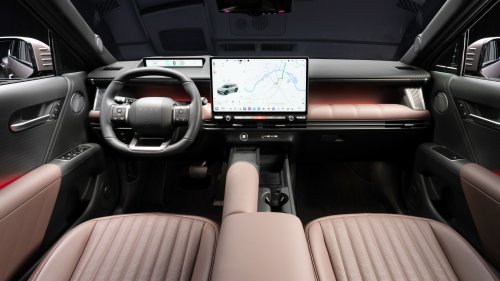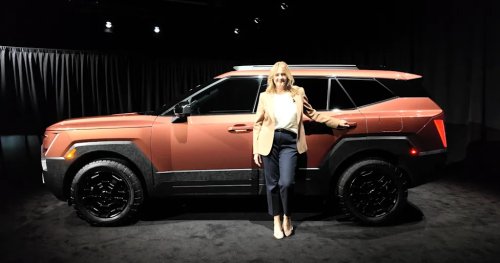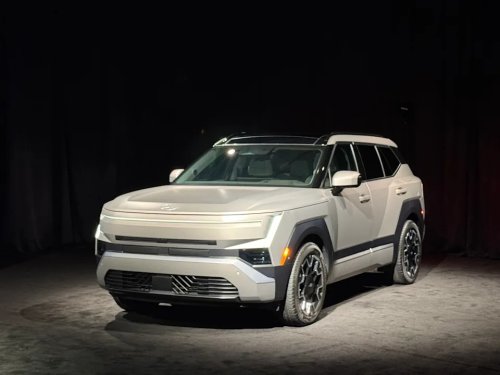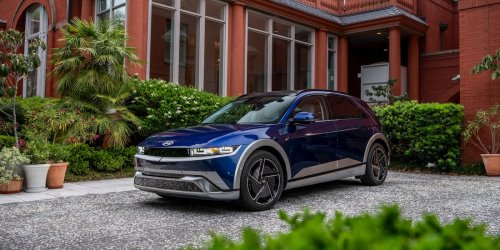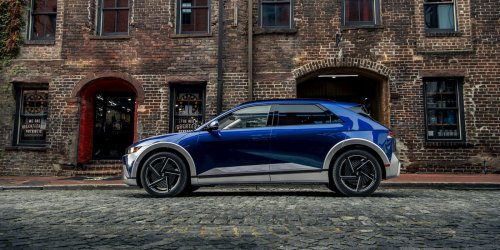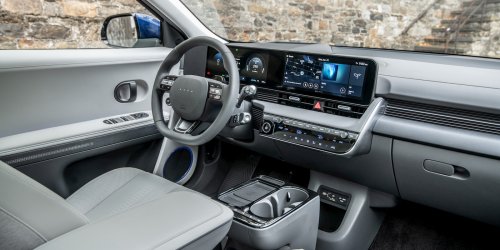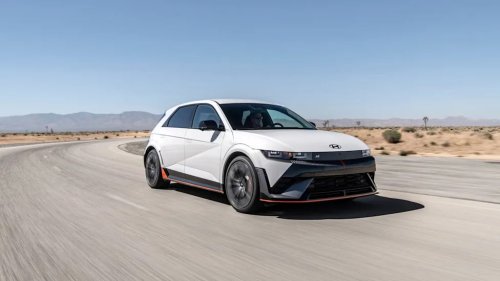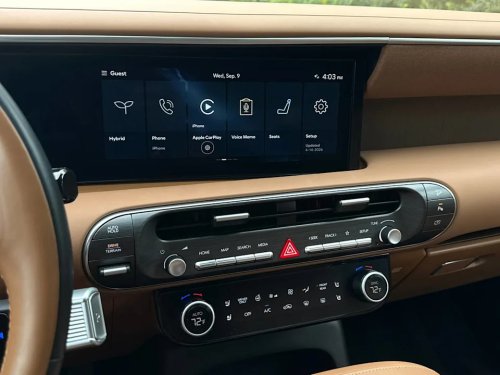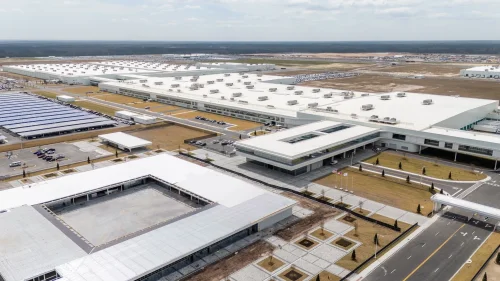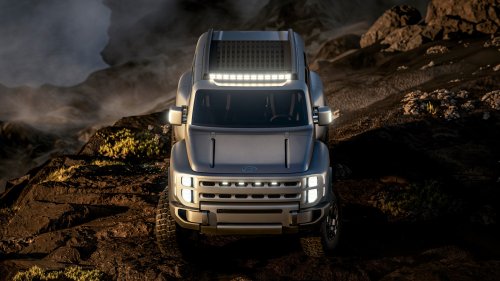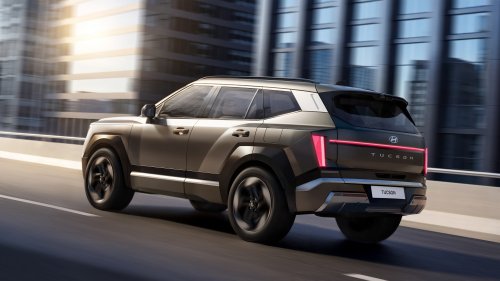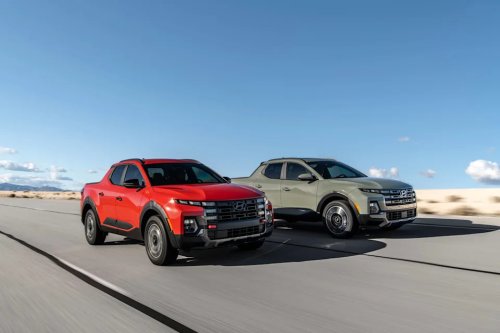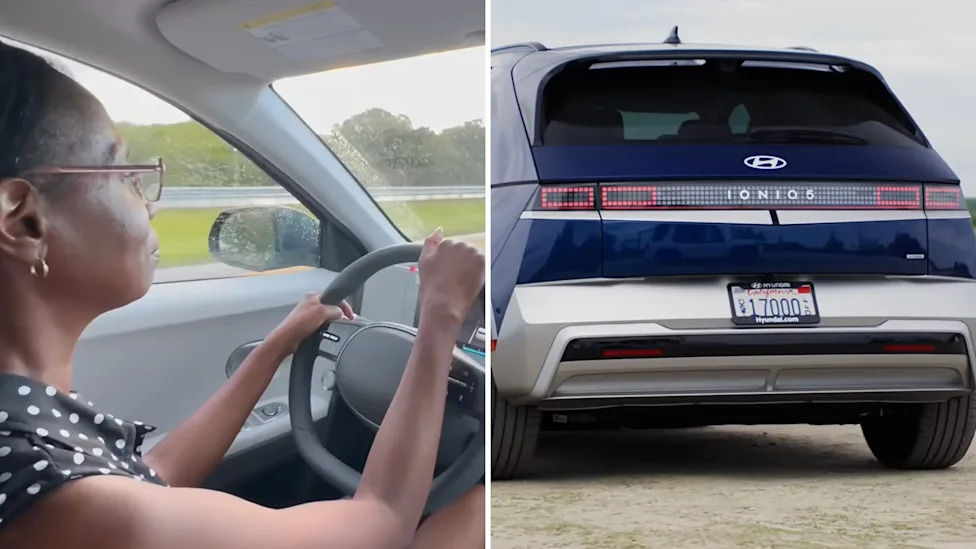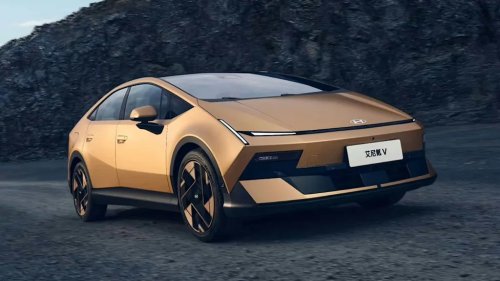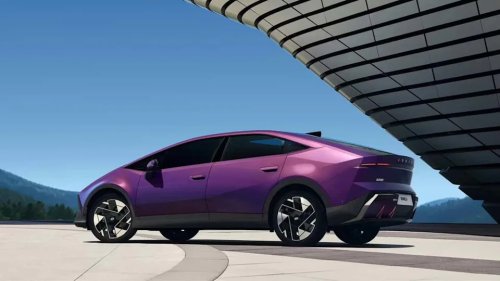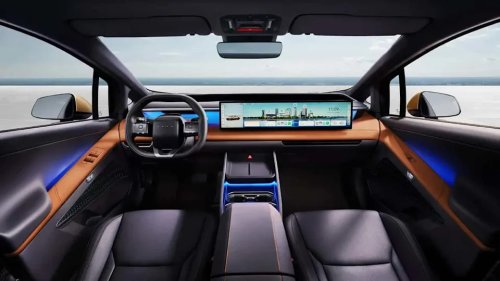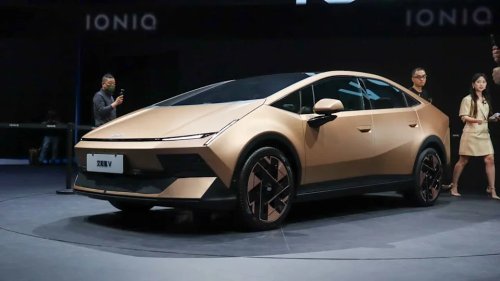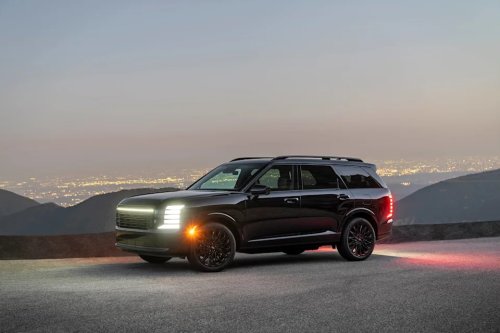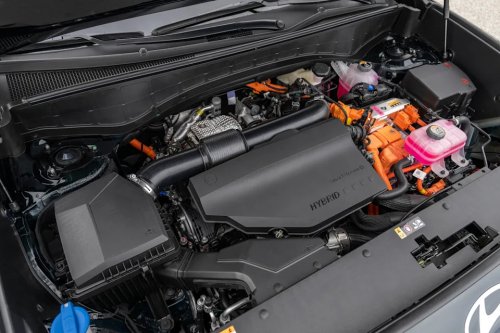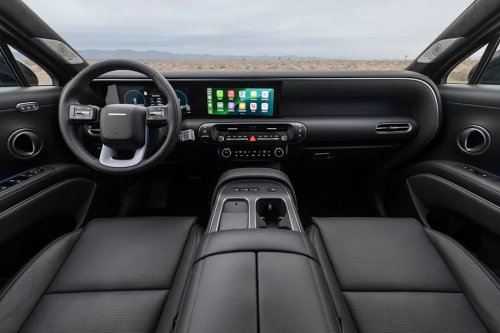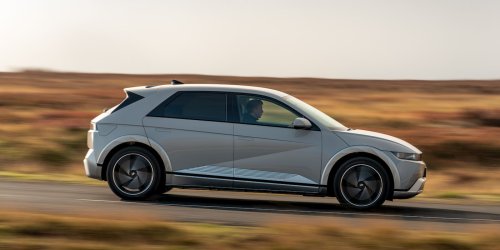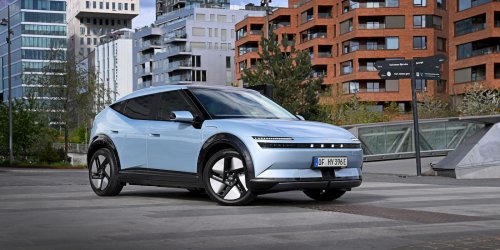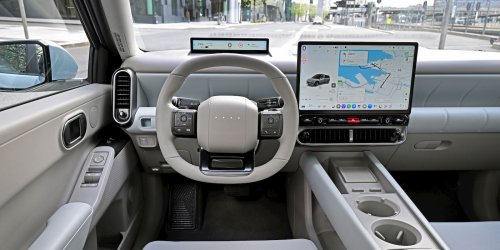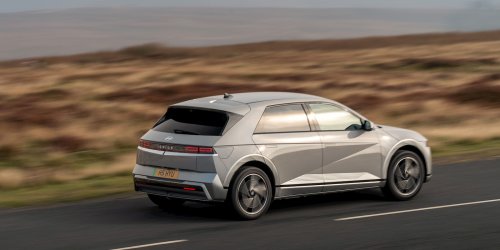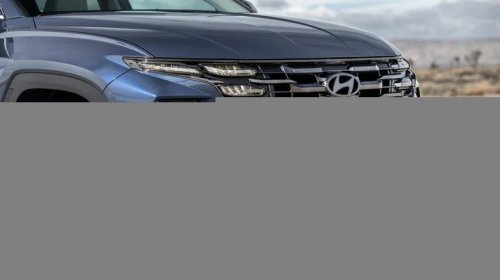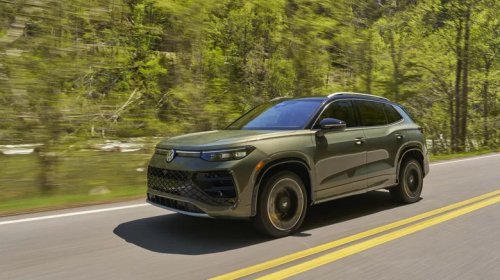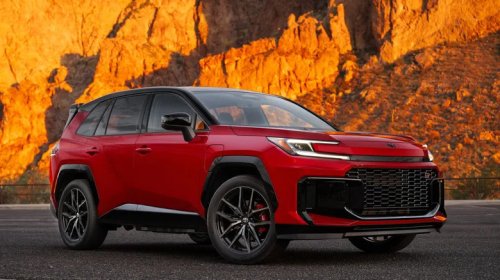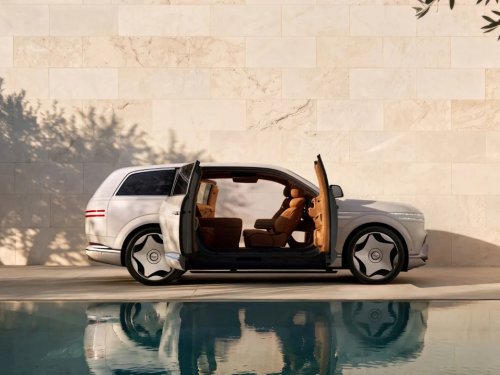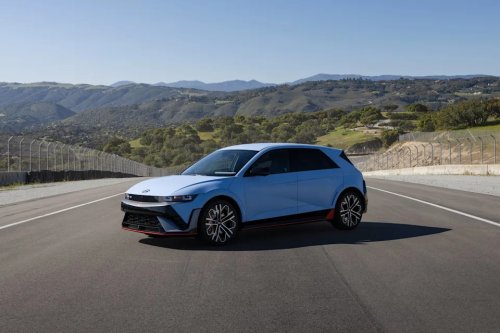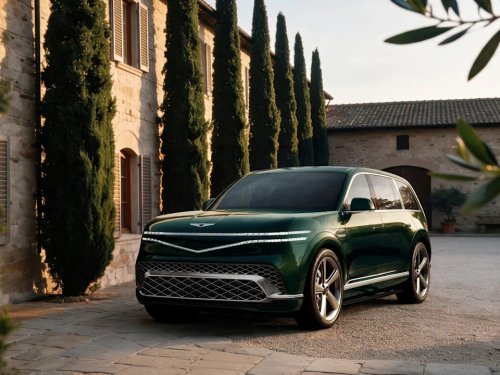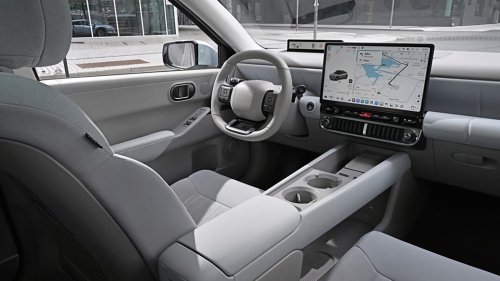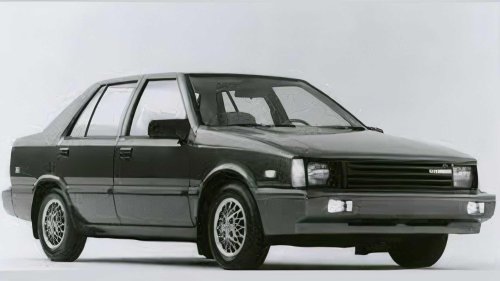
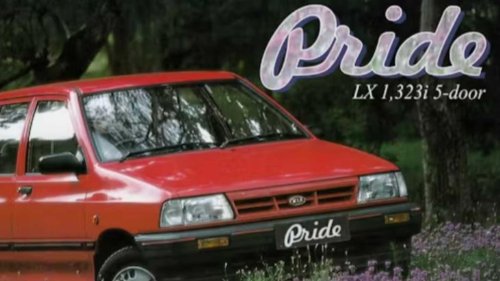
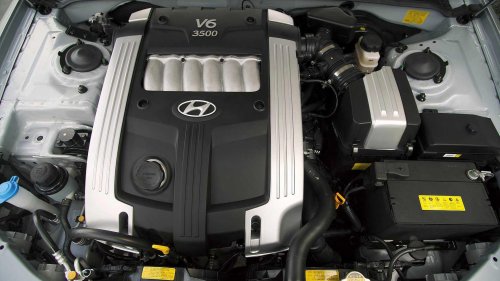
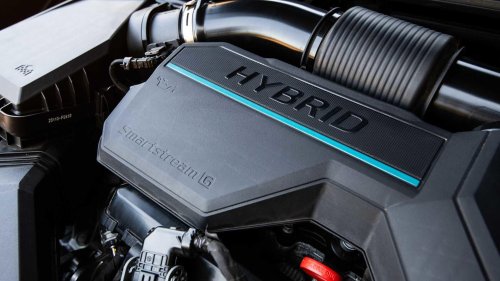
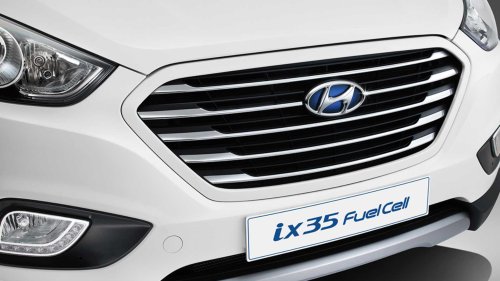
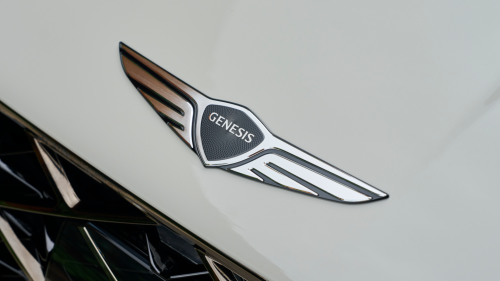
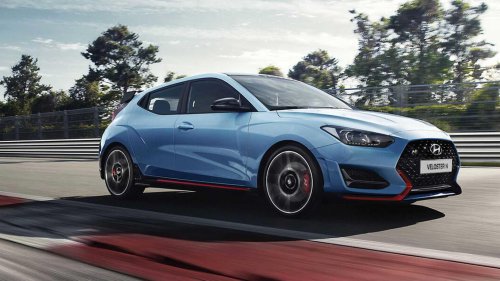
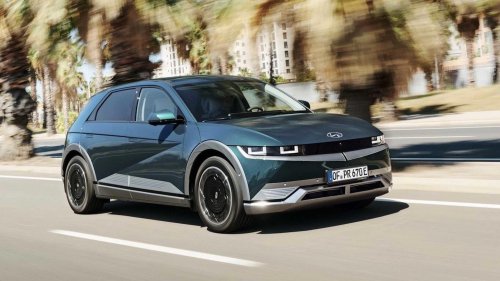
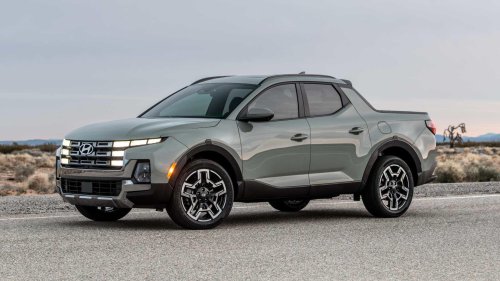
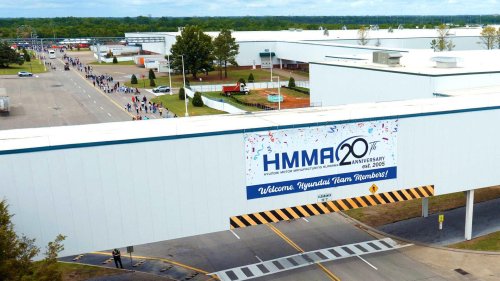



















In the modern automotive world, Hyundai is a brand with a solid reputation for quality, reliability, performance, and design. The journey the brand embarked on to get to where it is today has been a long and interesting one.Although the company has been around since the 40s, and has been building cars since the 60s, its presence in the US only dates back to the mid-80s; this year, Hyundai is celebrating 40 years in the States. During this time period, it has rapidly grown and evolved, going from being a budget brand to building performance vehicles, luxury vehicles, and sophisticated EVs. As the brand marks this important milestone, we are taking a look back at 10 of its best and most significant moments in the US.Items are listed in chronological order, from the oldest to the most recent. 1986: Hyundai's Debut In The US 1986 Hyundai Excel ad In 1986, two Korean automakers began to tentatively establish a presence on the US market. One was Kia (whose story would connect to Hyundai’s a few years later), the other was Hyundai.The company had existed since the late 1940s as an engineering and construction firm, and had begun to build licensed versions of foreign vehicles in the late 60s. In the 70s, however, Hyundai started to build its own cars, and within a decade it decided to expand overseas and tackle the US market. Among Hyundai’s early models sold in the States were the Excel (which earned itself a mention in Fortune magazine thanks to its affordability) and the Sonata, which is still produced today. Hyundai Takes Over Kia With A Unique Agreement Kia Pride In 1997, just over a decade after both Hyundai and Kia had set up shop in the US, Kia began to struggle. An economic crisis in Asia led Kia to declare bankruptcy; an acquisition bid from Ford failed, and Hyundai was able to obtain 51% of the company, keeping the Kia brand alive.The agreement established between Hyundai and Kia, however, was not exactly like a regular merger. Kia owned some subsidiaries of the Hyundai Motor Company, effectively establishing a “mutual ownership” arrangement. This setup offered a mutual advantage, ensuring that both brands were less vulnerable to economic shocks going forward. The Brand Launches Its Legendary Powertrain Warranty 2004-2005 Hyundai XG350 EngineWhen Hyundai arrived in the States, it quickly built a reputation for producing budget-friendly vehicles, however things like quality and reliability were not a part of its identity for a little longer. Early reliability issues negatively affected consumers’ perception of the brand; Hyundai had to implement drastic change.Major investment followed, leading to an improvement in the quality of the brand’s output. This was reflected in Hyundai vehicles’ warranty, which in 1992 included two years or 24,000 miles of free maintenance. A few years later, around the turn of the millennium, Hyundai introduced the famous powertrain warranty it is still known for today: 10 years or 100,000 miles. This strongly changed the public’s perception and built a strong association between Hyundai and long-term vehicle reliability. The Sonata Hybrid Becomes Hyundai's First Hybrid Sold In The US 2022 - 2025 Hyundai Tucson Hybrid 4th Gen (NX4) EngineThe Sonata Hybrid, launched for the 2011 model year, was not just the first hybrid version of the Sonata but also the first Hyundai hybrid vehicle to be sold on the US market. It was part of the Sonata’s sixth generation, which had arrived two years earlier in 2009.The Sonata Hybrid was powered by a 2.4-liter inline-four engine combined with a single electric motor, for a total output of 166 hp. This powertrain was also used in a Kia model from the same period, the 2011 Optima Hybrid.A hybrid version is still a part of the Sonata lineup today, although the model has evolved a lot over the past decade and a half, and is currently in its eighth generation. The ix35 Fuel Cell: The First Mass-Produced Hydrogen Fuel Cell Vehicle In The World ix35-fuel-cell-gallery-radiator-grille-white-originalIn 2013, Hyundai introduced a vehicle with a very important title: the first ever mass-produced model powered by hydrogen fuel cell technology. The ix35 Fuel Cell was based on the second-generation Tucson.Although a one-off hydrogen fuel cell vehicle based on the first-gen Tucson had already been built in 2005, it wasn’t until a few years later, when the model had already entered its second generation, that a mass-produced hydrogen vehicle hit the market. The ix35 name was used for the second-gen Tucson in most markets outside of North America and South Korea. The ix35 Fuel Cell remained in production for five years, eventually being discontinued in 2018. The Genesis Sub-Brand: Elevating Luxury Genesis hood badgeWhen Hyundai first introduced the Genesis name in 2003, with the “Concept Genesis”, it was not associated with a separate brand, but rather with a future model. That model arrived on the market in 2008, planting the seed for what would become Hyundai’s luxury division.In 2015, Hyundai decided to launch Genesis as a standalone luxury sub-brand. The original Hyundai Genesis model was absorbed by the new brand and renamed the G80; it remained in production until 2020. In 2024, Genesis unveiled its performance-oriented Magma program, along with a motorsport team called Genesis Magma Racing. The Veloster N: The First Hyundai N Model Sold In The States 2019-2022 Hyundai Veloster N Performance Blue Front Angled View Track DrivingHyundai’s high-performance N division was established in 2012, with a name that references two separate aspects of the brand’s identity. One is the Namyang district in South Korea, where this unique sub-brand was created. The other is the Nürburgring, where its vehicles are tested.Although the first vehicle created under the N division was the i30 N, this was never sold in the States. The first N model to land on US shores was the second, the Veloster N. Launched in 2019, this hot hatch was powered by a 2.0-liter turbocharged inline-four engine, which produced 275 hp. It came with features such as an electronic limited-slip differential and electronically controlled suspension. However, it did not last very long on the market, eventually being discontinued in 2022 (a year after the Veloster’s non-N variant). The Ioniq 5: Kick-Starting The Ioniq Sub-Brand 2022 Hyundai Ioniq 5 front, three-quarterThe Ioniq brand is a division of Hyundai that covers the company’s electric vehicle lineup. Although it was established as a separate division in 2020, the Ioniq name had previously been used for a concept car and a model launched in 2016.The first model to be produced under the new brand was the Ioniq 5, a compact crossover introduced in 2021. The Ioniq 5 did not just help launch the new Ioniq brand, it was also the first Hyundai model to be built on the new E-GMP (Electric Global Modular Platform).Two years later, in 2023, a high-performance version of the model called the Ioniq 5 N was introduced, connecting Hyundai’s all-electric Ioniq division and its performance-oriented N division. The Ioniq 5 N produces 601 hp, while the non-N version produces between 168 and 321 hp depending on the variant. Hyundai's First Pickup Truck: The Santa Cruz 2026 Hyundai Santa Cruz LimitedThe Santa Cruz, the first pickup truck produced by Hyundai, was introduced in concept form in 2015. However, it didn’t arrive on the market until the 2022 model year. The model has a unibody design and was based on the Tucson crossover, with which it shares some styling elements.Power comes from a 2.5-liter inline-four engine, available in naturally aspirated or turbocharged form. The engine is paired with an eight-speed automatic transmission, which sends power to the front wheels as standard (although all-wheel-drive is available as an option). In 2025, the model received a facelift that included new lighting, a new front fascia and grille, new wheel designs, a revamped interior, and an upgraded infotainment system. The Most Recent Development: A Major Investment In US Operations Hyundai Alabama FactoryHyundai’s connection to the US has gradually expanded over the past 40 years, and the latest chapter of the company’s history is further strengthening that connection thanks to increased investment in US-based operations. Hyundai’s CEO, Jose Munoz, revealed plans for the brand’s expansion in the US at the 2026 New York Auto Show.Hyundai currently has two major manufacturing facilities in the States (one in Alabama, and the other in Georgia). Over the next two years, Hyundai will invest more in its US operations than it has in the previous four decades, introducing thousands of new jobs. The goal is for 80% of Hyundai vehicles sold in the US to be built in the US.Sources: Hyundai