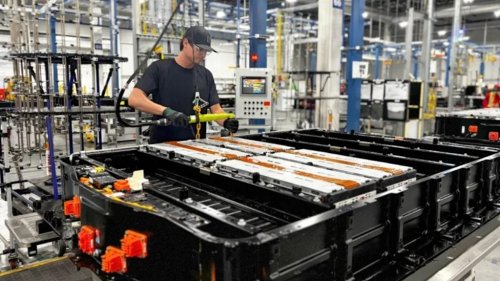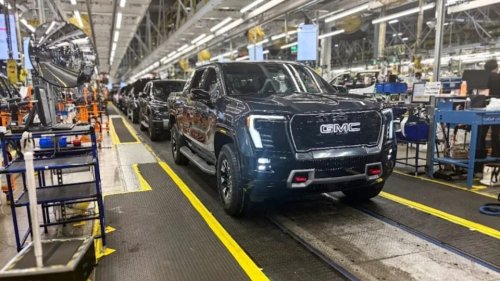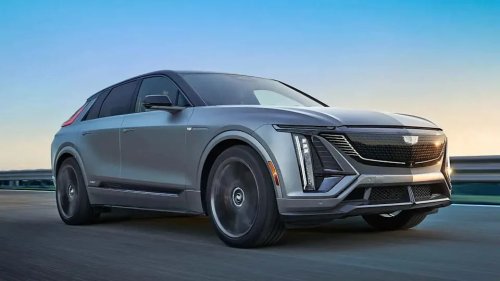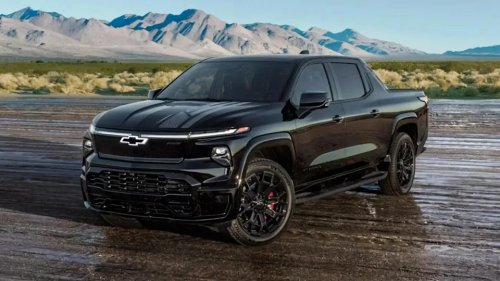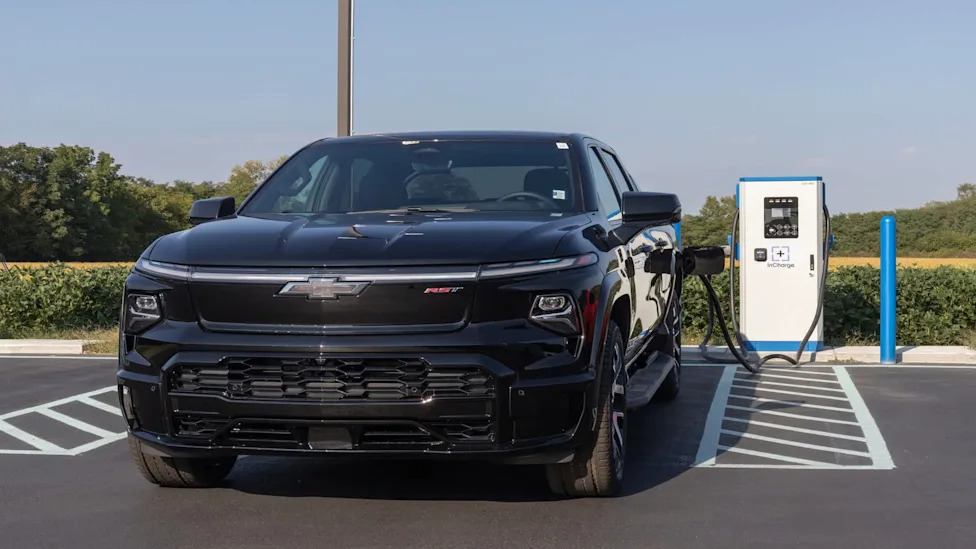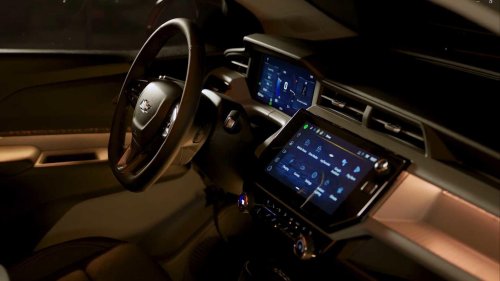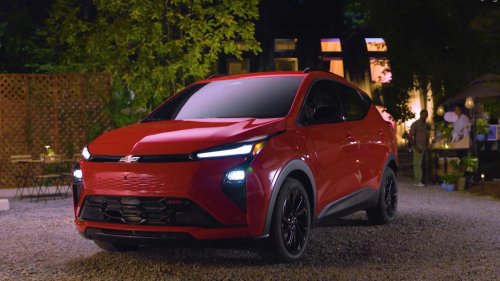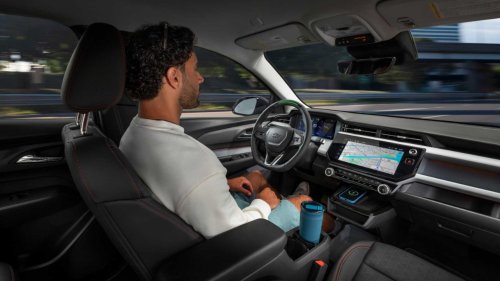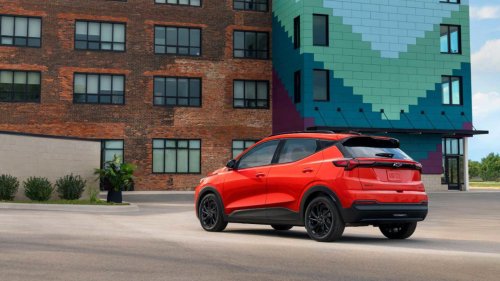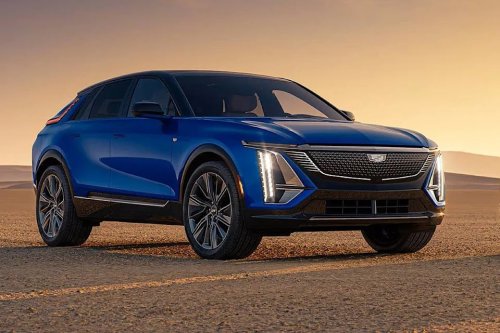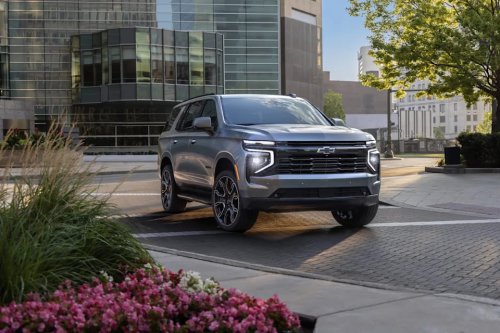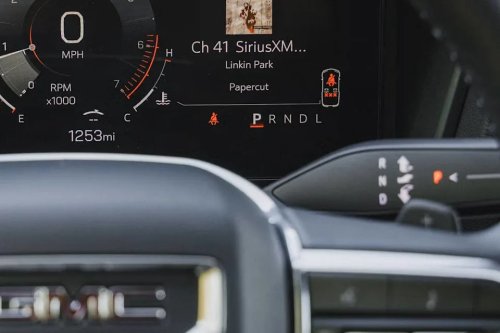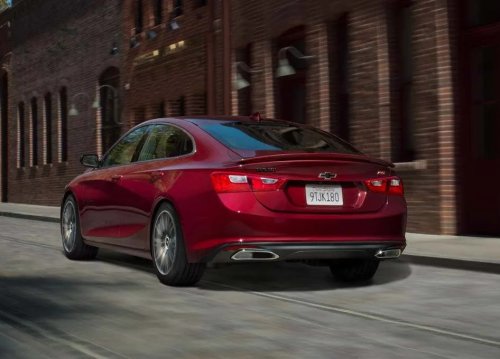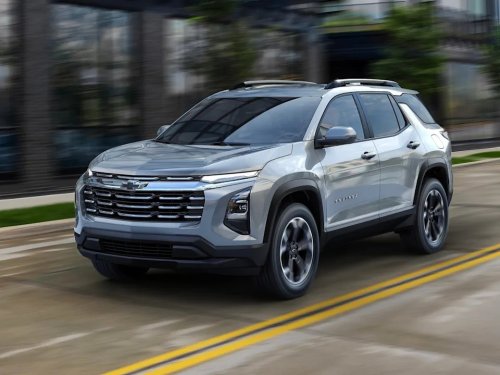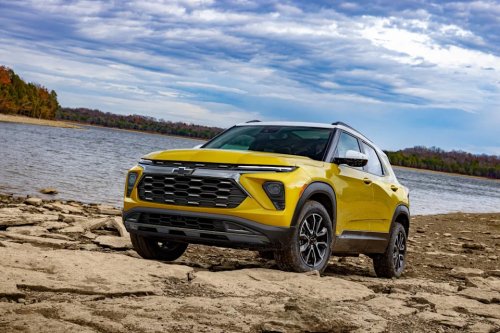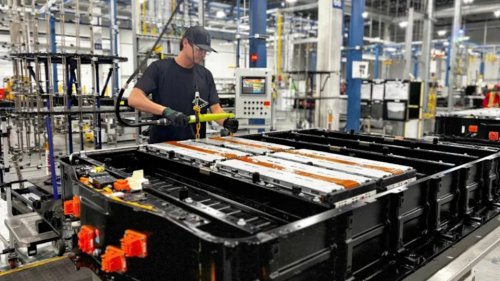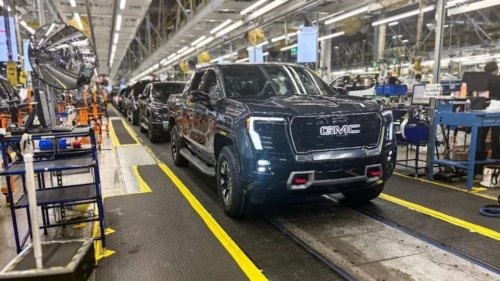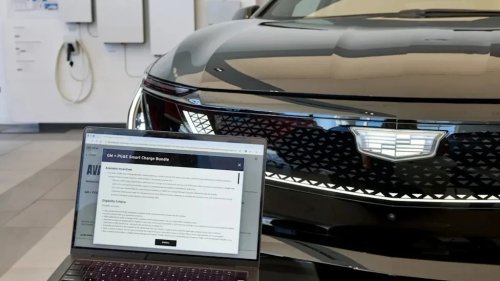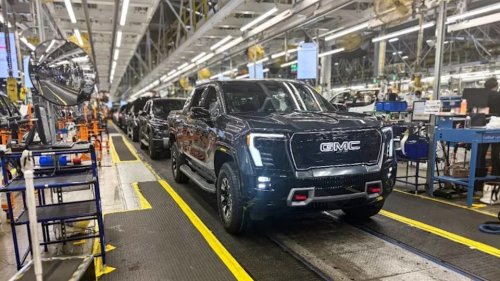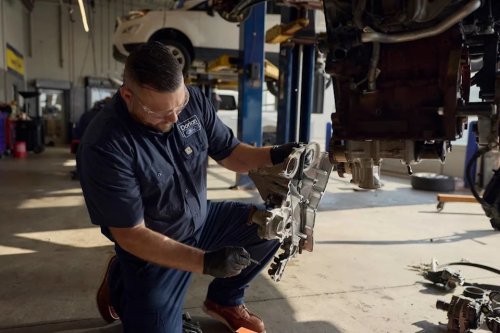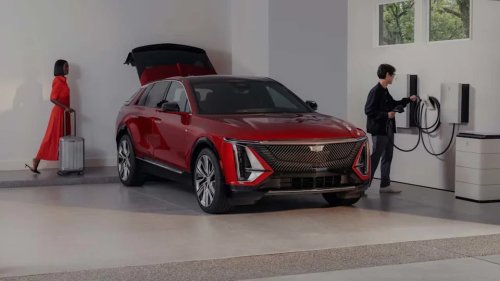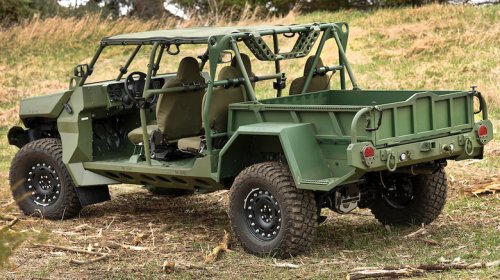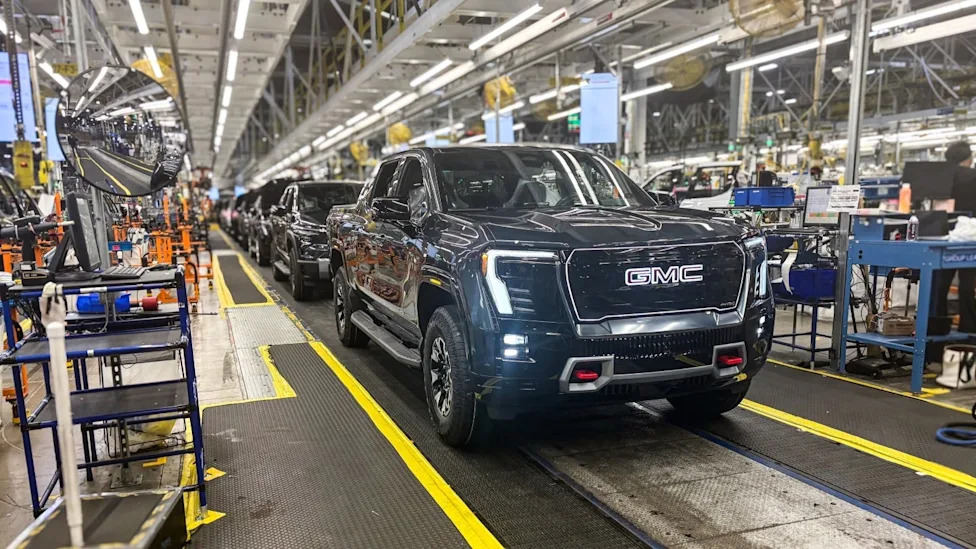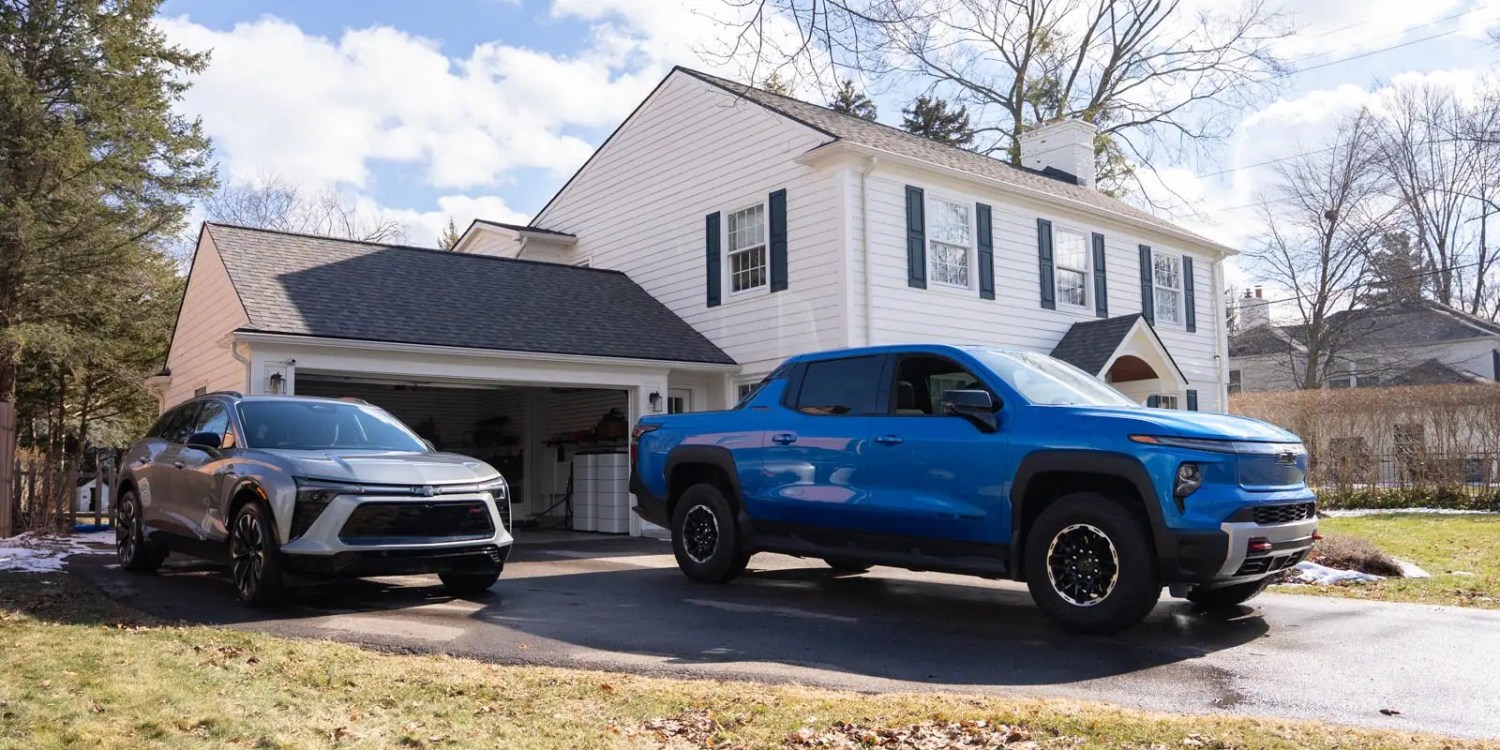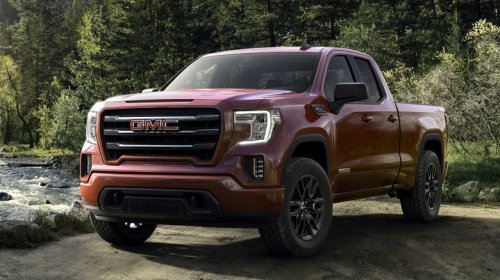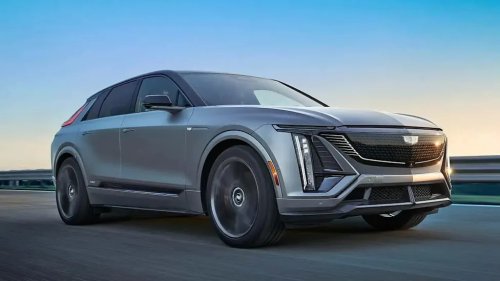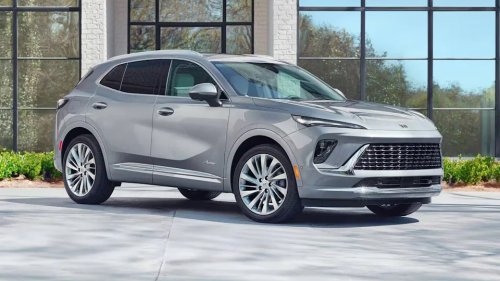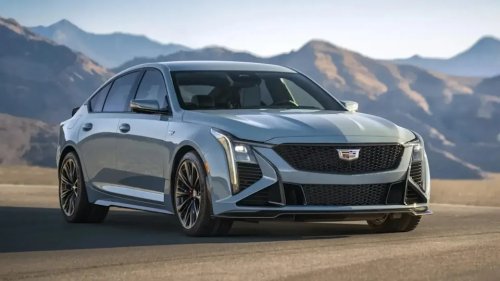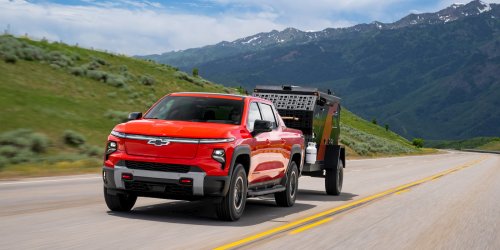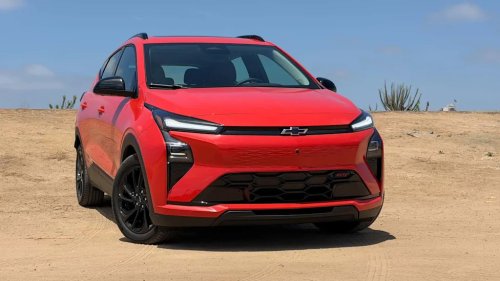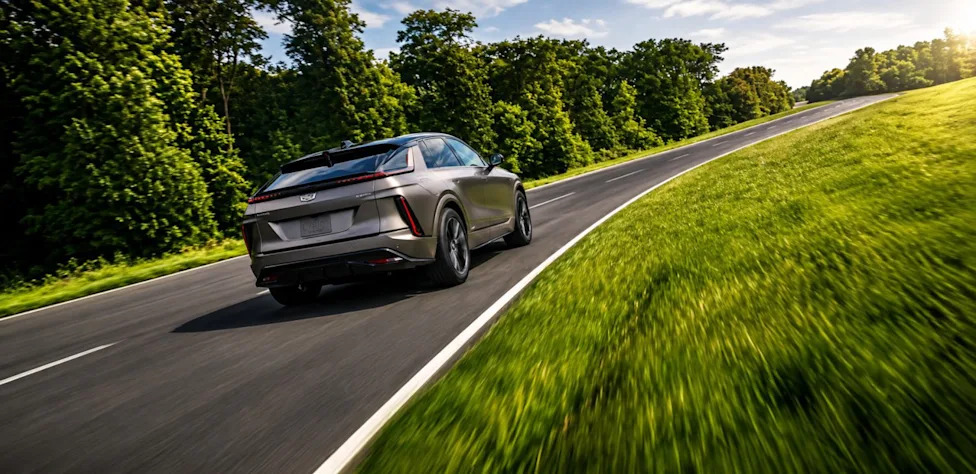



















Image: CadillacThe brake pedal goes hard as a brick mid-stop, a "Brake System Failure" warning flashes, and the car responds like it didn't get the memo. That's the scenario NHTSA's Office of Defects Investigation is now taking seriously enough to escalate to Engineering Analysis — the highest regulatory tier before a recall decision — covering more than 1.1 million GM vehicles across a dozen nameplates and two partnered brands, a scale of risk that echoes concerns raised when a driverless Tesla robotaxi smashed through traffic barriers.What's Actually BreakingThe eBoost spindle fracture affects far more than one model — and the failure mode is disputed.GM's eBoost is an electro-hydraulic brake-by-wire module. An internal spindle can fracture during an ABS event.GM's position: ABS, traction control, and stability control hold until the vehicle stops fully, then go offline. Drivers are reporting something more abrupt.ODI documents 745 combined incidents — 227 consumer complaints, 531 GM-submitted reports. Twenty-two crashes, six injuries, no fatalities, according to Engineering Analysis EA26006.Affected vehicles span 2023–2026 model years: Cadillac Lyriq, Celestiq, Optiq; Chevrolet Colorado, Blazer EV, Equinox EV, Traverse; Buick Enclave, Envision; GMC Canyon, Acadia; and the Cruise Origin robotaxi. Also included: the 2024–2026 Honda Prologue and Acura ZDX, which GM manufactures for Honda.No recall exists. GM introduced a material change at assembly plants in May 2023 and deployed a software update — neither carried a formal safety recall designation.AdvertisementAdvertisementGM's stated failsafe sounds reasonable on paper. In practice, NHTSA complaint data tells a different story — some drivers report immediate loss of braking and steering assist, not a graceful degradation but a sudden one. That gap is exactly what the Engineering Analysis is designed to close: does real-world failure match design intent, or not?"Failure of eBoost system causing loss of braking and steering assist functions." — NHTSA Office of Defects Investigation, Engineering Analysis EA26006Software-defined vehicles depend on the same hardware reliability as any safety-critical system. A patch cannot substitute for a part that was never designed to fracture — a lesson also learned from unreliable European car engines that failed at scale. GM has leaned on over-the-air updates to address issues across its new-generation lineup, but regulators are now asking whether a software update is an appropriate remedy for a mechanical failure inside a safety-critical module.Where This Goes NextOwners of affected vehicles are waiting on a federal verdict with real consequences.AdvertisementAdvertisementIf your Equinox EV, Colorado, or Lyriq sits inside that 1.1 million, you're waiting on a decision that could mean a full recall, a targeted service campaign, or another form of regulatory action entirely. For owners also weighing the broader economics of their vehicles, understanding gas vs electric total cost of ownership adds important context to platform reliability concerns. ODI's Engineering Analysis is the final formal step before regulators act. Nothing is decided yet. Track updates directly through NHTSA's safety issues search tool.The broader implication cuts deeper than GM alone. When braking becomes a software architecture problem, the standards for redundancy, fault detection, and fail-safe behavior need to match the stakes. Six injuries and 22 crashes have already made the cost of getting this wrong concrete — and a decision is coming.From the coolest cars to the must-have gadgets, GadgetReview's daily newsletter keeps you in the know. Subscribe - it's fun, fast, and free.