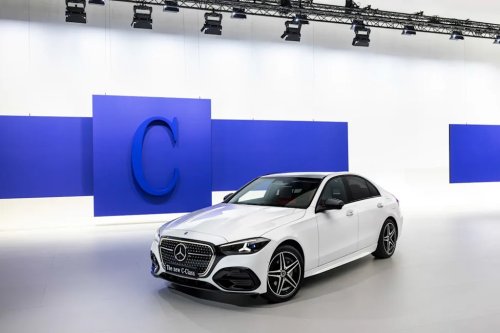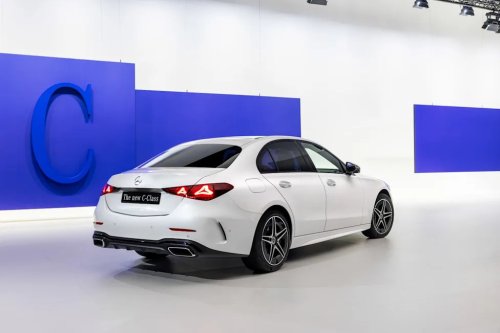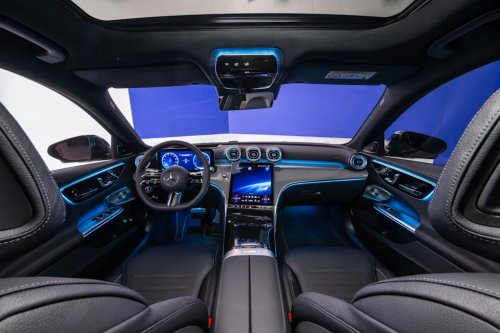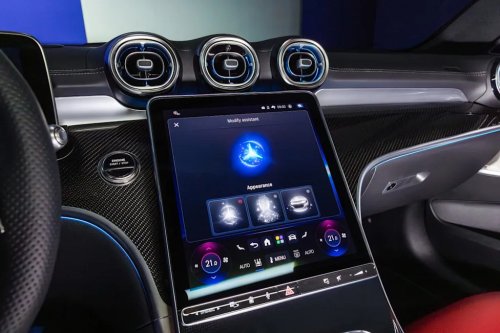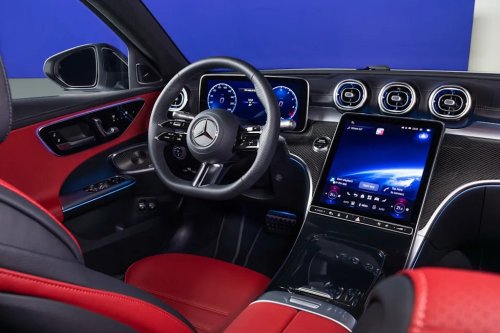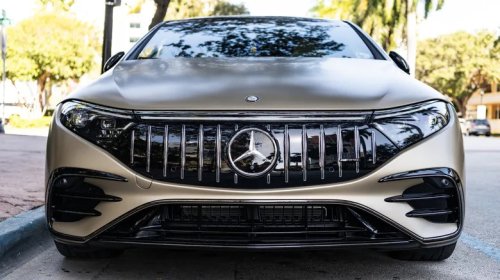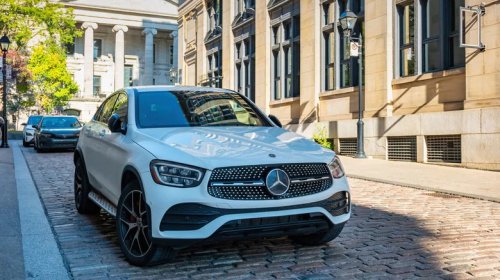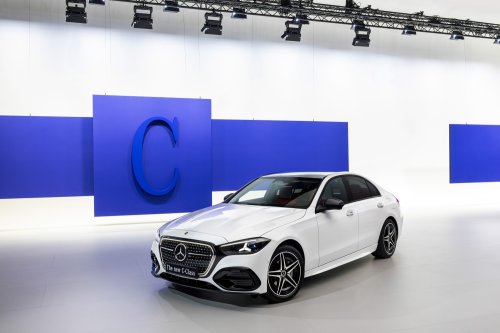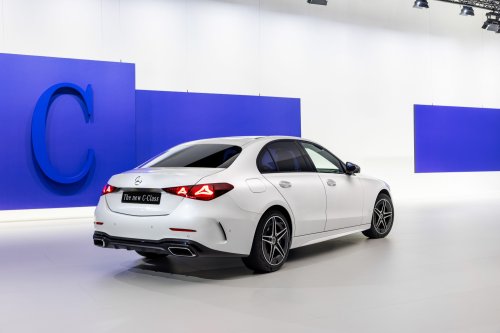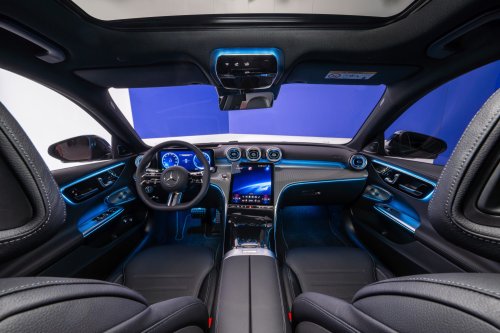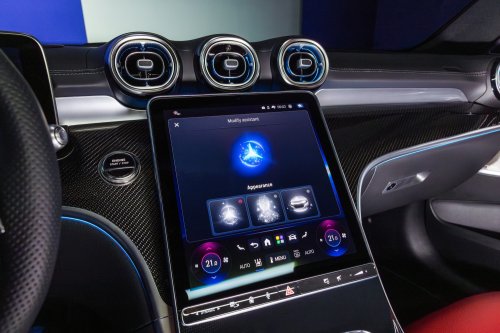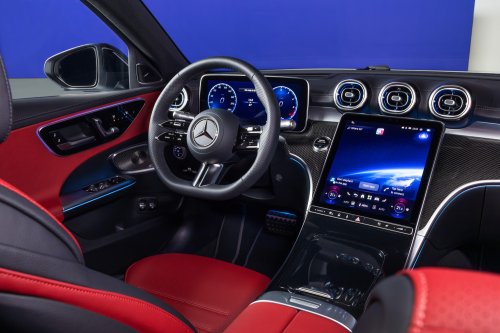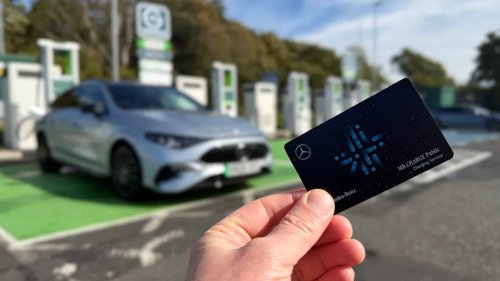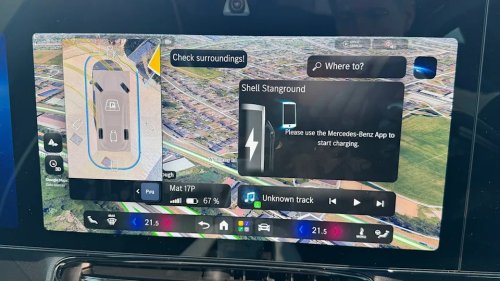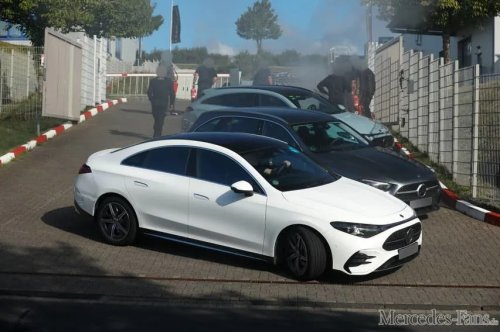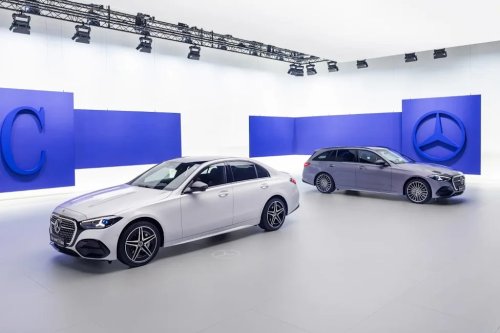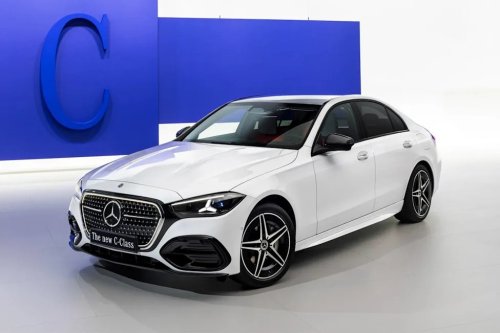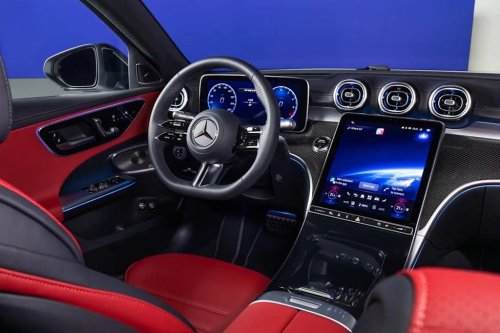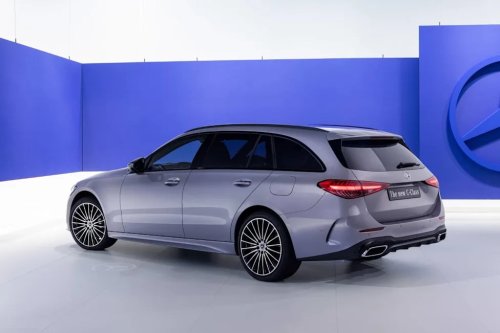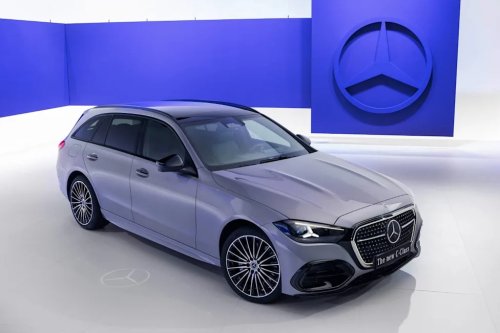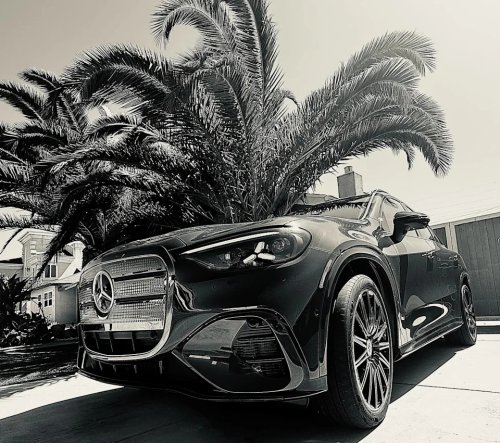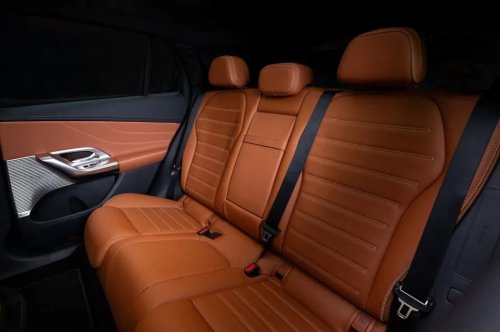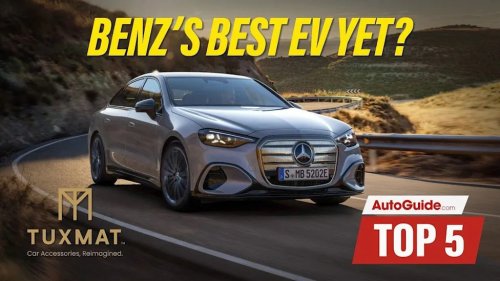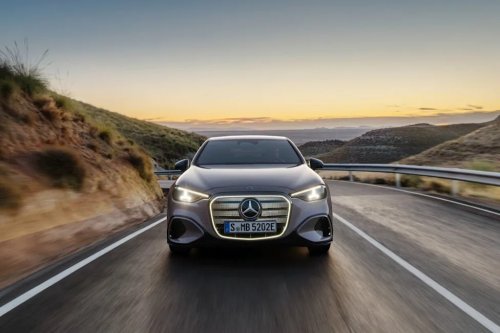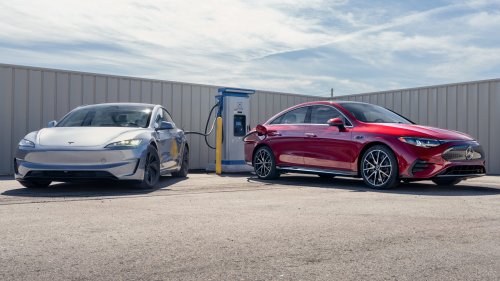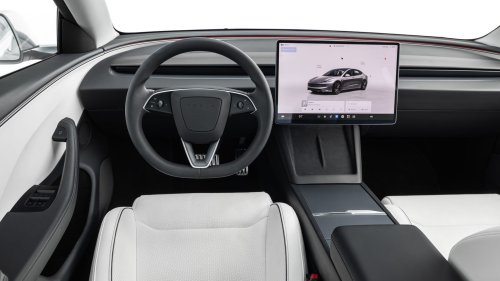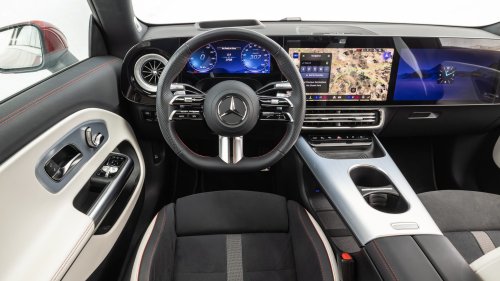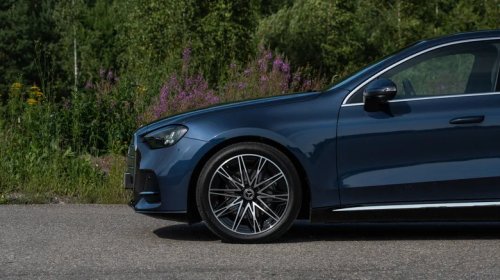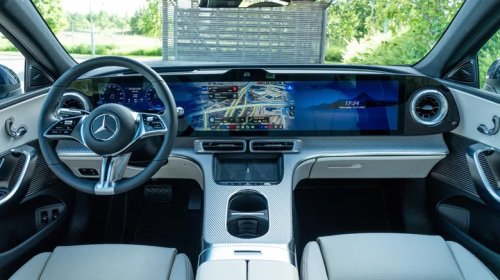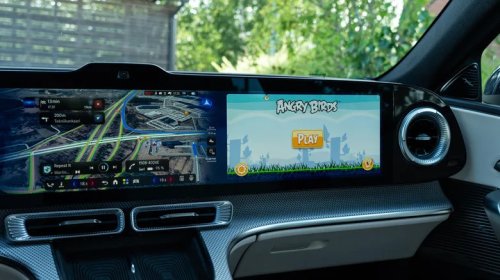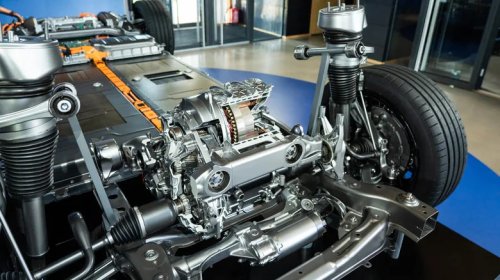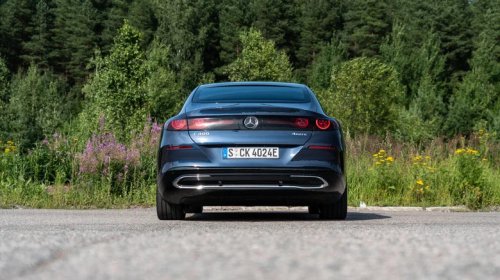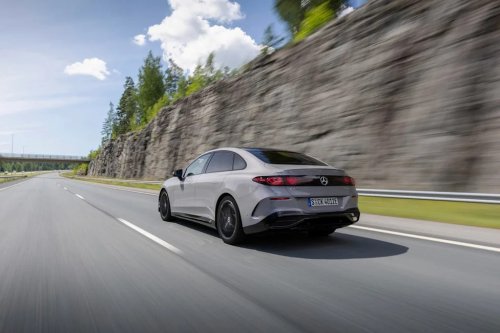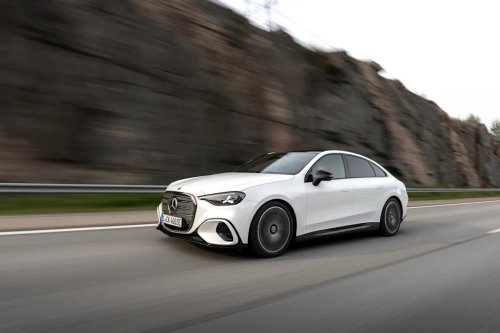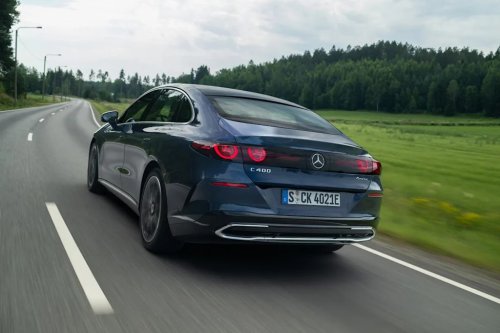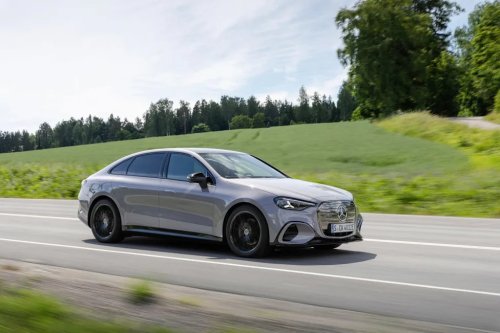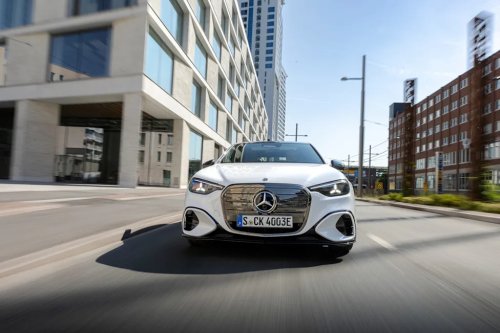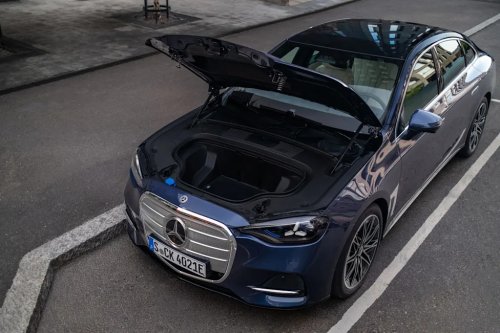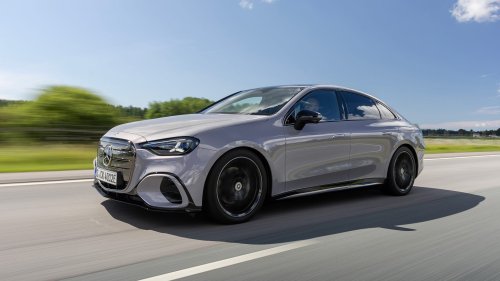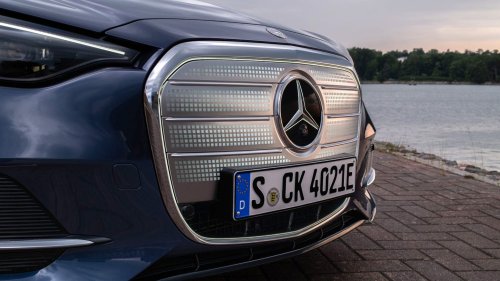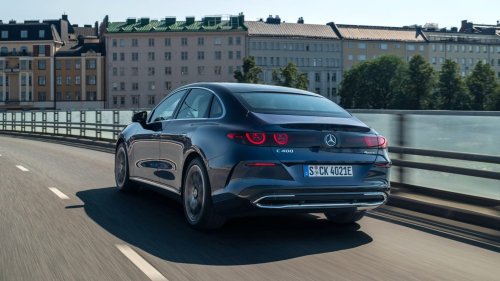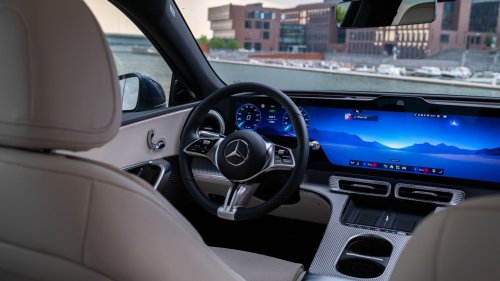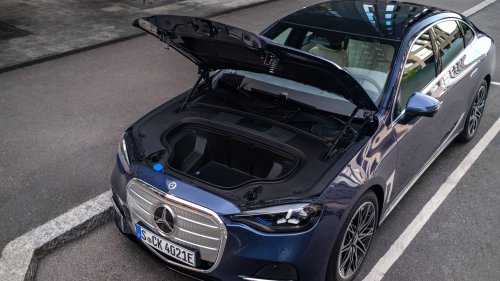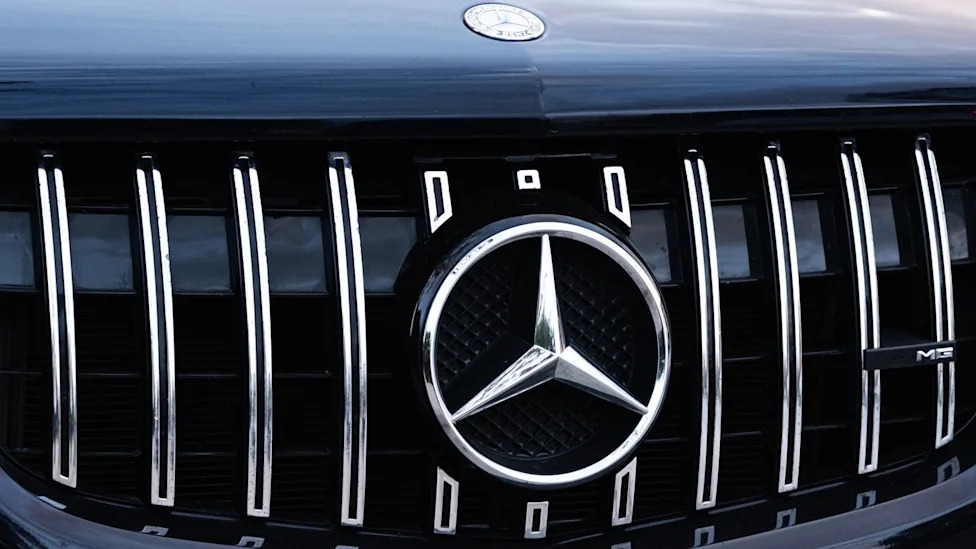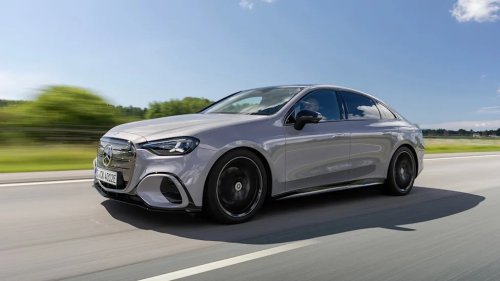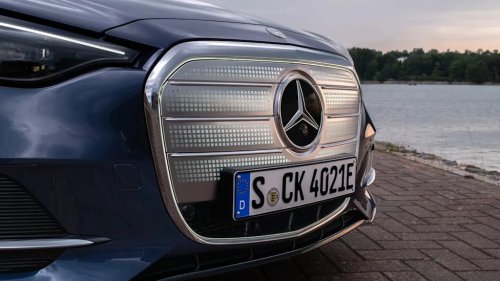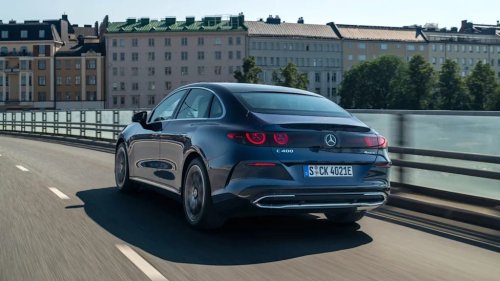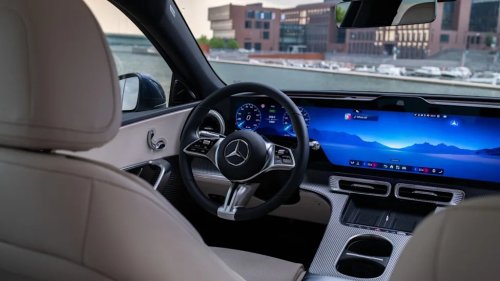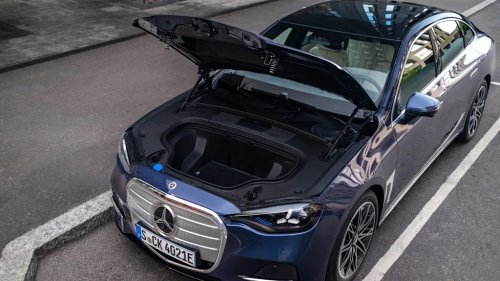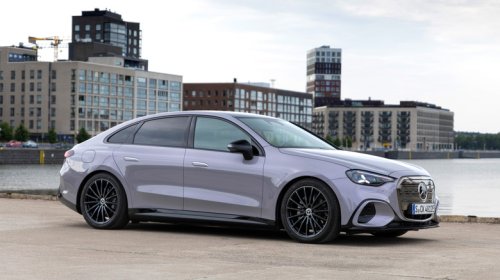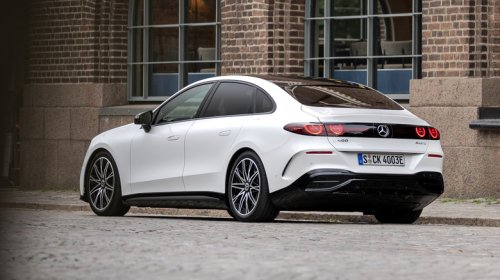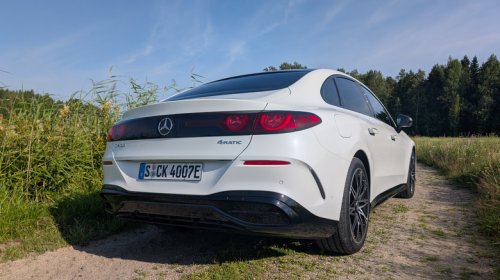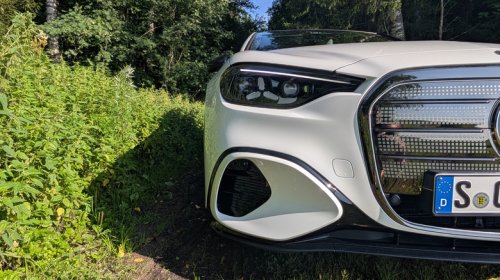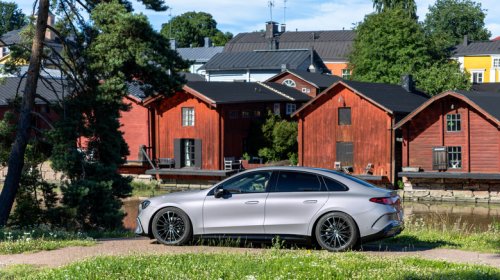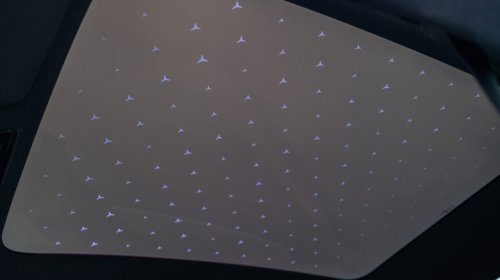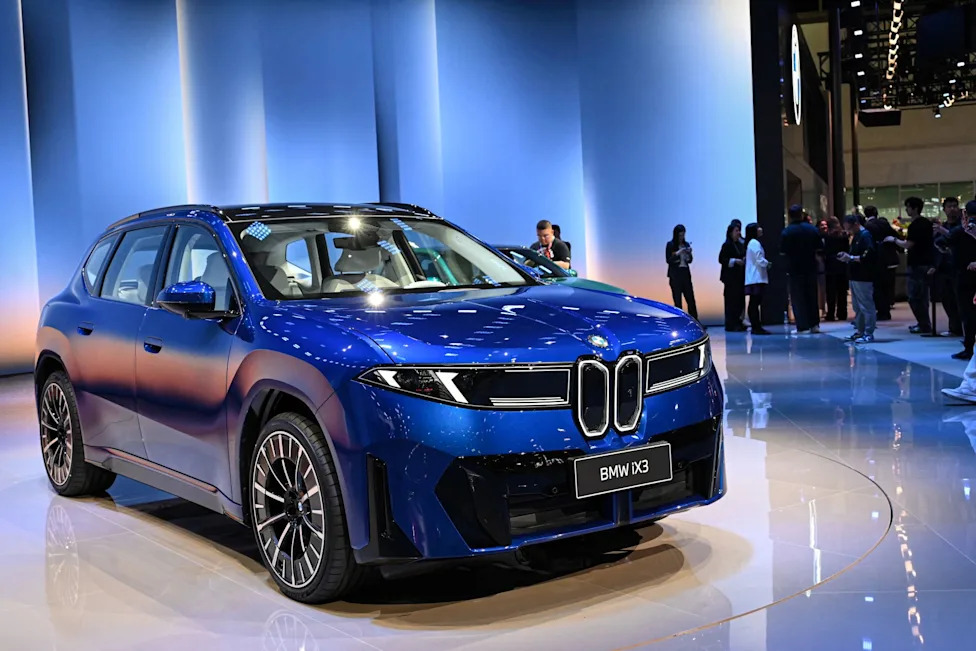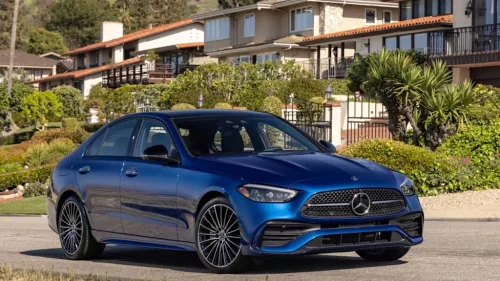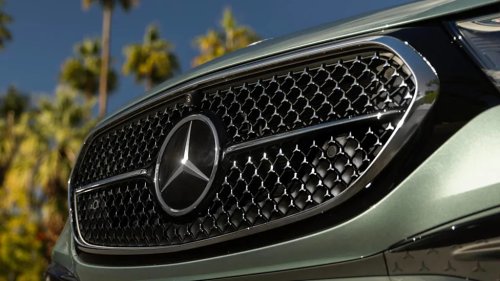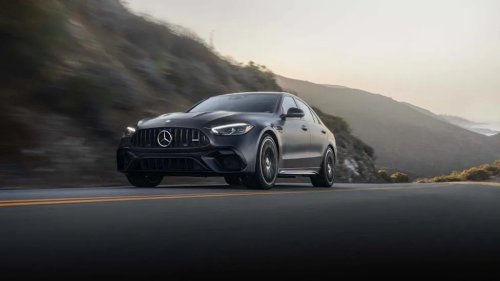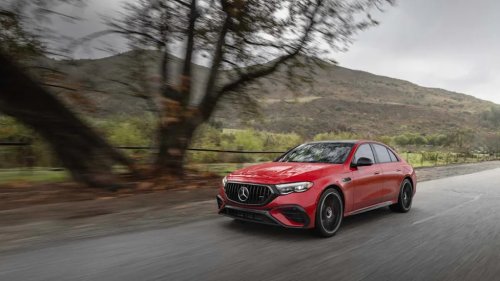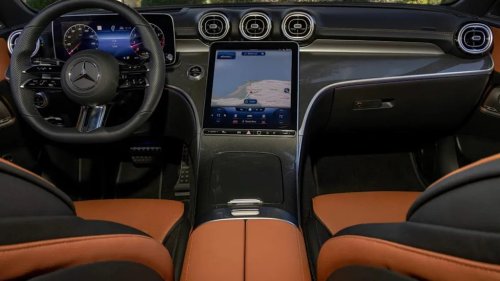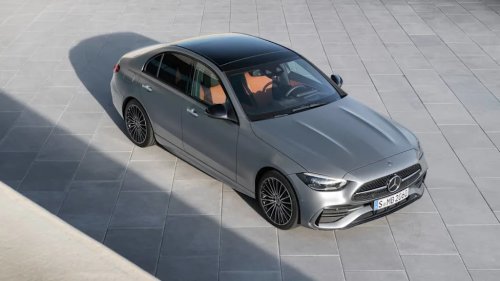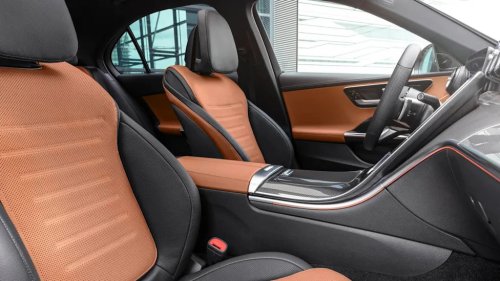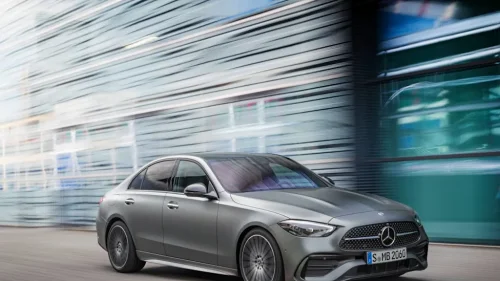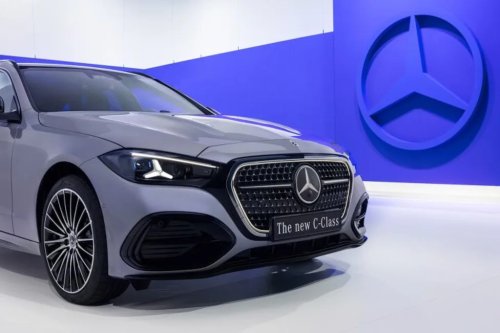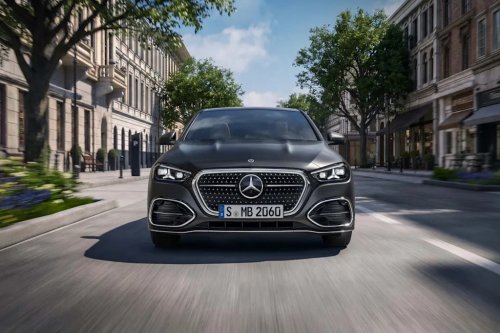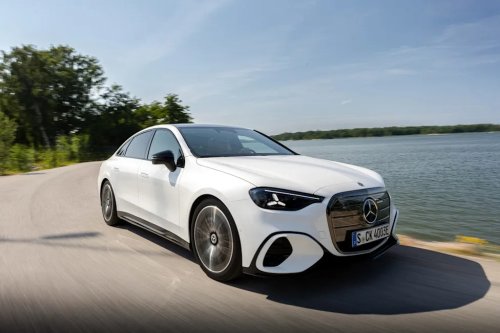
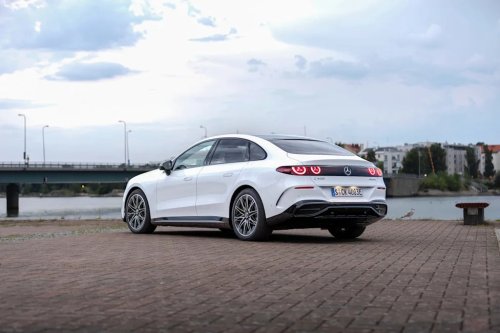
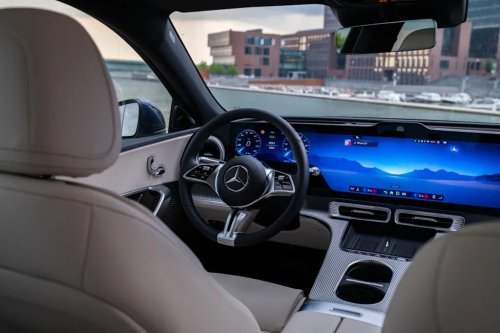
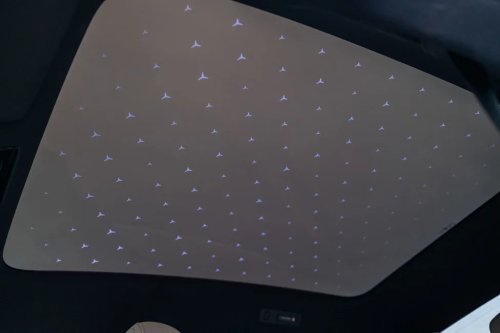
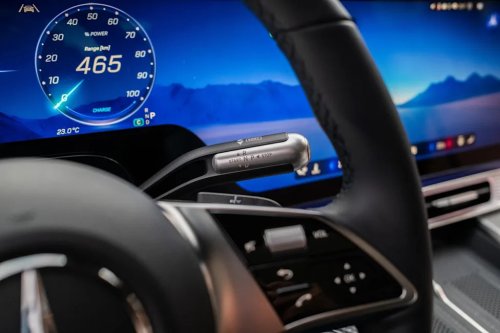
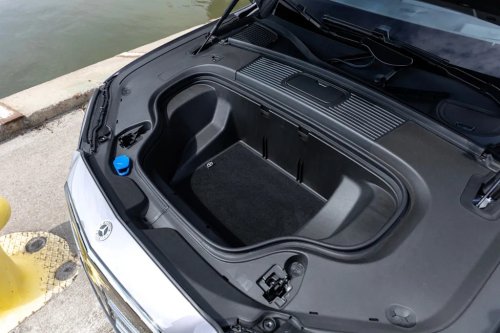
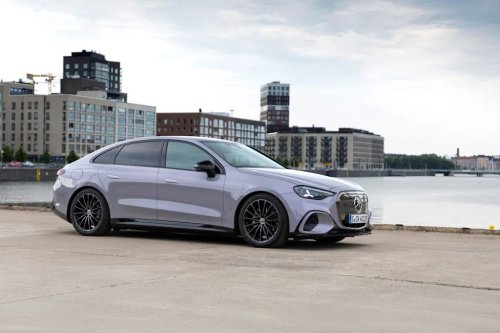



















2027 Mercedes-Benz C400 EV Drive: EQ Who?Mercedes-BenzSome will be the same, some will be different. That seems to be the Mercedes-Benz philosophy about EVs and their gas-powered namesakes. The brand's EQS and EQE electric sedans made a point of being different—unfortunately, not endearingly so. The more recent CLA electric, on the other hand, walks hand in hand with its gas-engine sibling. The new C-class EV treads a middle ground: It rides on a dedicated EV architecture separate from that of the regular C-class, but it eschews the weirdness of its EQ predecessors. The result is much easier to embrace.This car utilizes the platform of the new GLC EV, and its 116.6-inch wheelbase almost matches that of the GLC. That stretch between the axles is about four inches greater than the regular C-class sedan's, and the electric C is just over five inches longer overall. The new EV's architecture and exterior design are unrelated to its conventionally powered sibling, and while the styling is not as out-there as Mercedes's EQ-branded electric models, neither is it as stately and traditional as the regular C-class. The front is conventional-looking with a prominent grille (as seen on the GLC), and the relatively long hood is unlike the EQ models. As you move rearward, however, the body shape begins to edge toward some of that EQ form language, with a rising, rounded shoulder line, a fastback roofline, and a bobbed tail.Mercedes-BenzInside, the C-class continues Benz's march toward the all-screen dashboard. The Benz design, though, is not as jarringly unconventional as the new BMW i3's. The layout mirrors that of the GLC EV and extends from air vent to air vent, incorporating a digital gauge cluster and a central touchscreen; the optional Superscreen adds a 14.0-inch front-passenger display, with the next-level Hyperscreen giving you a single background image across the three displays. There are nine images to choose from, and they each have complementary ambient lighting. Despite all the available real estate, the touch points to operate the climate controls that reside in a band at the base of the central screen are small; but on a positive note, you can drag your most-used apps into that lower band, too, so they're more readily accessible. The optional large head-up display could be considered yet another screen, and its floating indicators assist in navigation. An interior-facing camera enables in-car Microsoft Teams meeting functionality; once you shift into gear, you lose the visual of the other participants, although they can still see you.Mercedes-BenzOutside of the screens, the C-class interior is fittingly upscale—in contrast to the stark minimalism seen at Tesla and its imitators. Our sample car had plenty of brushed-metal accents, interesting contrast stitching, and matte-finished wood; another car we sat in had rich-looking patterned-metal trim. A fully vegan interior also can be had.AdvertisementAdvertisementBenz's latest steering-wheel design reduces the number of annoying four-way touchpads to just one, which you use to operate the display in front of the driver. Audio volume and cruise-control set speed are now physical controls. Sitting behind the wheel, the driver's seat feels wide and concave, and a more upright windshield and a lower cowl mean that the view out is far better than in the larger EQE or EQS. A glass roof is standard, though the electrically adjustable opacity (in nine separate sections) is optional, as are illuminated stars in the glass. Even when fully opaque, it doesn't completely block out the sun, and there's no physical sunshade.Mercedes-BenzUnderneath the center console is a large open storage area. The rear seat is comfortably shaped and has adequate headroom and decent legroom, but very little foot room under the front seats—a common issue with EVs due to their underfloor batteries. The trunk is a generous 17 cubic feet, and unlike the EQ models, there's also a frunk—accessed by pressing on the badge at the leading edge of the hood.The C-class EV debuts as the dual-motor, all-wheel-drive C400 4Matic; a single-motor C300 is set to follow. The 800-volt architecture enables ultra-speedy recharging at up to 330 kilowatts (should you be so lucky as to find a 350-kW charging station), and there's a standard NACS port. The C400 features a front-axle disconnect, and a two-speed rear gearbox further aids efficiency, as well as acceleration. The 94-kWh battery provides the C400 with a claimed range of up to 474 miles on the European WLTP cycle, which should translate to about 400 miles per EPA methodology. That looks good next to the Tesla Model 3, whose current EPA numbers for the all-wheel-drive models run from 309 to 346 miles, but may pale next to crosstown rival BMW's i3, which has a 112-kWh pack that's expected to bring EPA estimates as high as 440 miles (although that's also unofficial).Mercedes-BenzSlide into the C400, and there's no start button; you just flick the little column stalk into gear and go. The dual-motor drivetrain is good for 483 horsepower, same as in the GLC, and 590 pound-feet of torque. That horsepower number just eclipses the BMW i3's 463 horses, and it makes the dual-motor EQE's 315 ponies look positively puny. Mercedes claims a 3.9-second time for the 60-mph dash, which trounces the 5.3-second time we got with the dual-motor EQE350 4Matic. The C400 sure felt quick on our test drive outside of Helsinki, Finland, where punching the right pedal sent us rocketing past most traffic almost immediately—however, paranoia due to seemingly omnipresent speed cameras had us backing off almost as quickly.AdvertisementAdvertisementOf course, how quickly the car slows in response to lifting the accelerator is adjustable via the steering-wheel paddles. There are four levels, ranging from barely slowing to one-pedal driving; included among those is an "intelligent" regen, which varies the rate depending on info from the nav system and the surrounding traffic, and its unpredictability made it our least favorite. When pressing the brake pedal, the action is somewhat springy, but unlike the early EQ cars, there's no weirdness in the modulation.Mercedes-BenzThe C-class cars we drove had the optional Agility & Comfort package, which brings air springs, adaptive dampers, and rear-axle steering. The steering is quite quick off-center, more so in Sport mode than in the default Comfort. Like the new S-class, the C400 has Car-to-X capability, meaning it will send reports of speed bumps to the cloud, to be beamed down to likewise-equipped Benz models, which then adjust the suspension accordingly. Finding actual bumps out in the wild was not so easy on our drive route in Finland, so we'll reserve judgment on the ride quality until we experience the car on our crumbling infrastructure at home. Mercedes chassis engineers claim the C-class has 20 percent greater damping of body motions than the GLC EV and 11 percent less body roll, and a few quick spins on a short road course showed the C400 to have surprising agility, given the generally relaxed ride. Aiding the cause, Sport mode lowers the ride height by 0.6 inch, firms up the suspension, and makes for more pronounced rear-axle steering.Mercedes-BenzPricing remains a big question mark. Mercedes hasn't yet given any indication, although the car doesn't hit U.S. showrooms until the first half of 2027. By then, maybe the EV market in the U.S. will have stabilized. Maybe. More approachable than its predecessor EVs, and with a richer interior than many competitors, the C-class EV should be well positioned, whatever the macro trends.➡️ Skip the lot. Let Car and Driver help you find your next car.Shop New Cars Shop Used CarsYou Might Also LikeGift Guide: Best Ride-On Electric Cars for KidsFuture Cars Worth Waiting For: 2025–2029