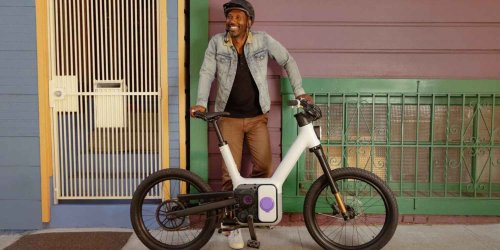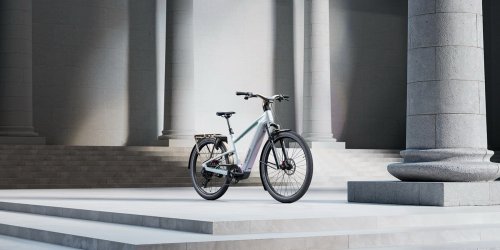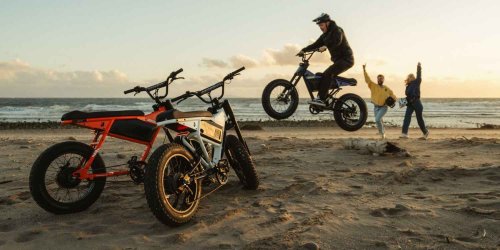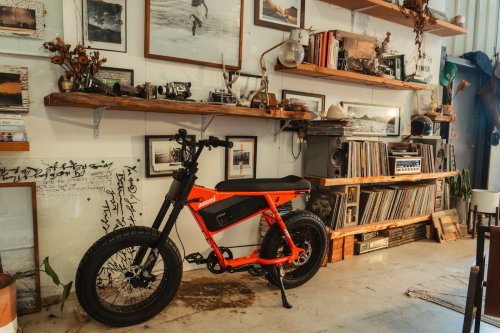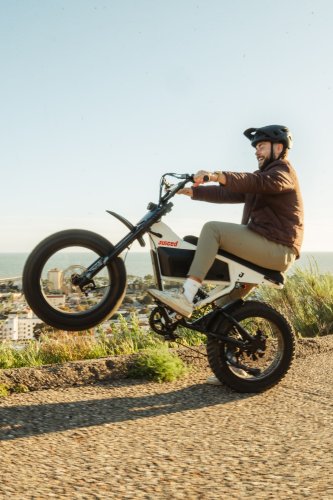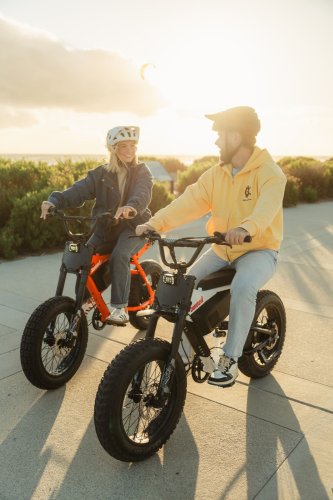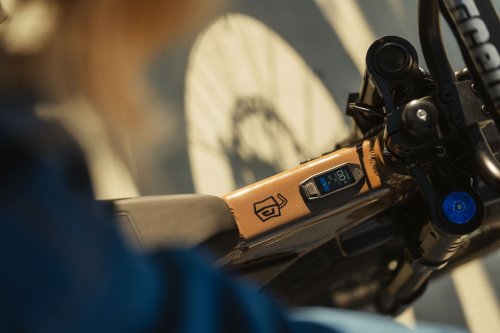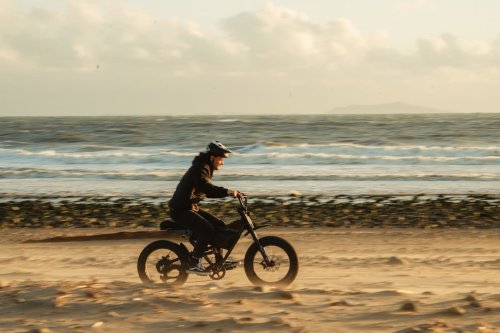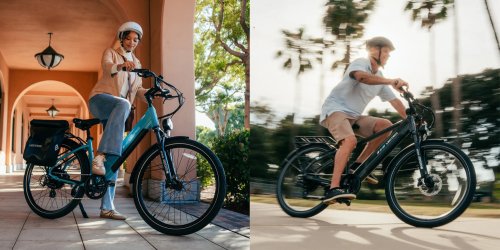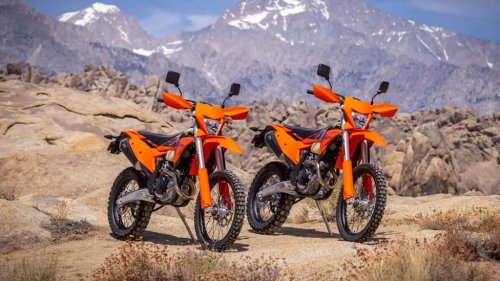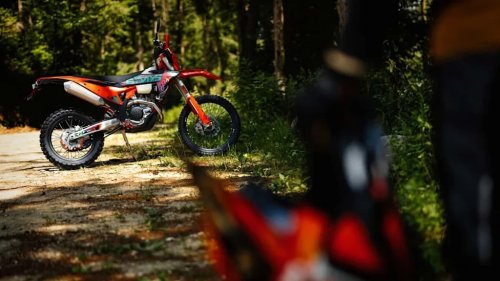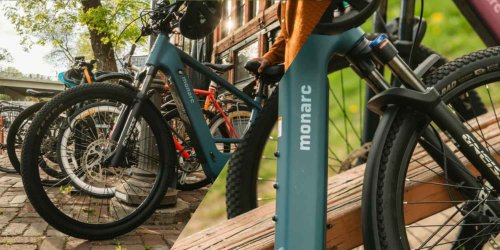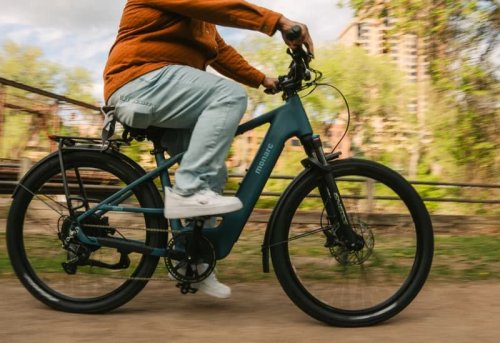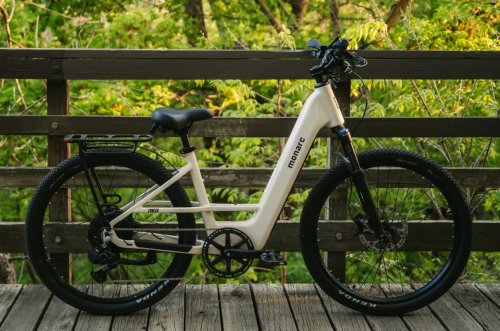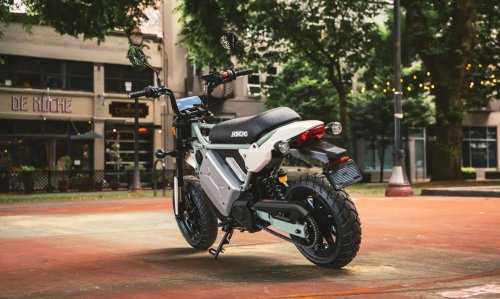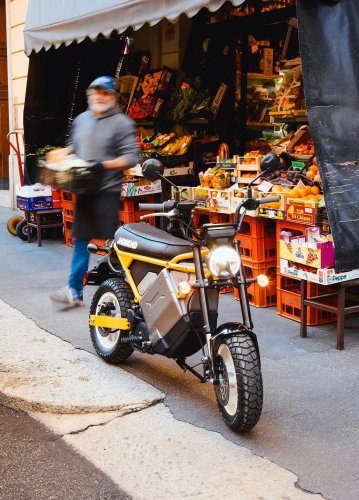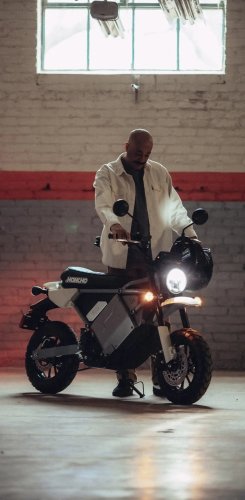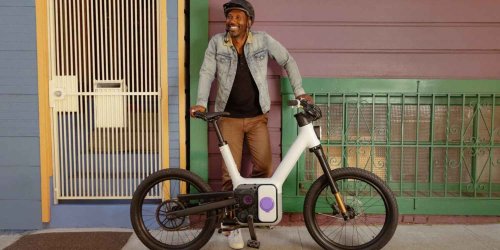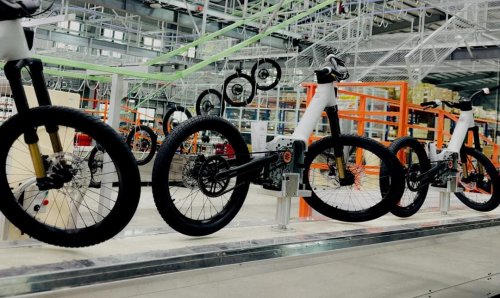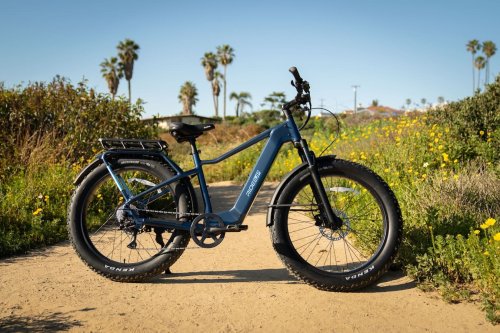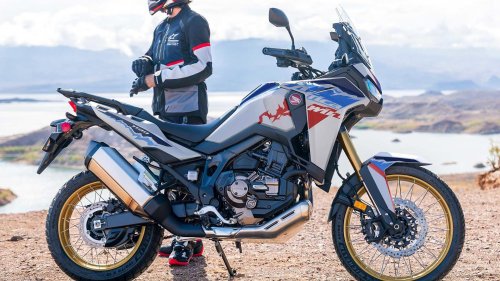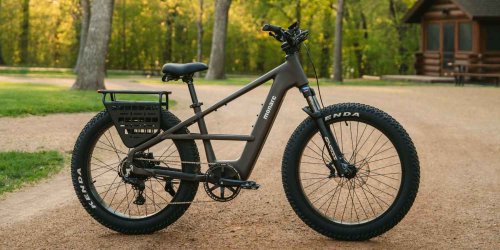
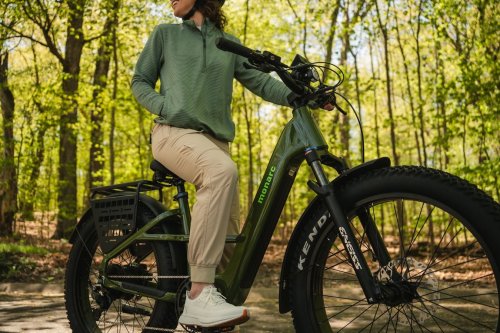
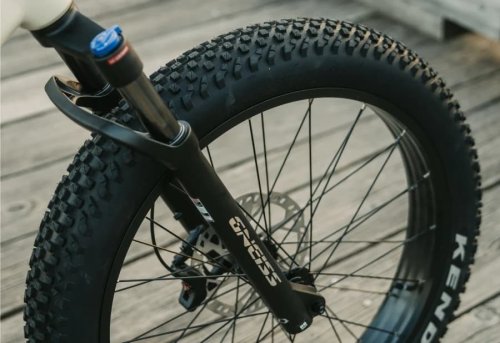
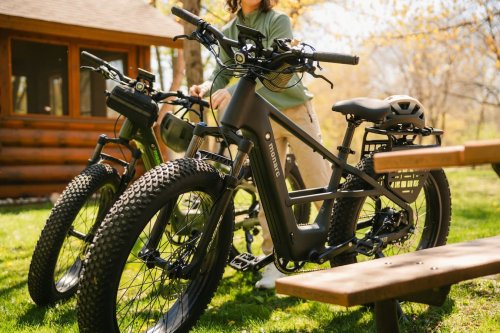



















If you’ve spotted one of Monarc’s new e-bikes, there’s a good chance one of your first thoughts was, “Wait… did they install the fork backwards?” The answer is no, it’s not really on backward – despite how it may look. Monarc just uses what’s known as a reverse-arch suspension fork, a design that’s uncommon in the cycling world but one that offers several engineering advantages. Instead of placing the fork brace in front of the fork wheel like most suspension forks, Monarc’s in-house designed Gneiss fork moves that arch to the rear, allowing it to be shorter and stiffer. It’s an eye-catcher on the company’s flagship Monarc Marker off-road e-bike, but it has a very specific purpose. Advertisement - scroll for more content While it might look unusual, the concept isn’t new. Reverse-arch forks have appeared before in mountain biking and motorcycle suspension, where engineers have long appreciated the potential benefits. They were originally patented by Manitou, appearing for years on those high-end mountain bikes. But when the patent expired a few years ago, others were able to incorporate the design. Monarc is the latest yet, bringing a more refined and better-performing fork design to e-bikes in a way that has never been this accessible. According to Monarc, relocating the arch allows the fork to be lighter while also increasing stiffness and strength. Greater fore-aft rigidity can help the front wheel track more precisely through rough terrain, improving steering accuracy and reducing unwanted flex under braking or hard impacts. The company says it achieved those gains while still providing 80 mm of suspension travel for trail riding. There’s also a practical advantage. By moving the arch rearward, mud, sticks, and trail debris have less opportunity to become trapped between the tire and fork brace. It’s a small detail, but one off-road riders will appreciate. It’s a rarity in the e-bike industry, but refreshing to see companies experimenting with genuine engineering rather than simply changing colors or frame shapes. Monarc says it developed the Gneiss fork entirely in-house, giving its engineers the freedom to rethink one of the most recognizable components on an e-bike. So no, Monarc didn’t accidentally install the forks backward. They just chose a different solution to the same engineering challenge – and one that happens to turn a few heads along the way. Stay up to date with the latest content by subscribing to Electrek on Google News. You’re reading Electrek— experts who break news about Tesla, electric vehicles, and green energy, day after day. Be sure to check out our homepage for all the latest news, and follow Electrek on Twitter, Facebook, and LinkedIn to stay in the loop. Don’t know where to start? Check out our YouTube channel for the latest reviews.