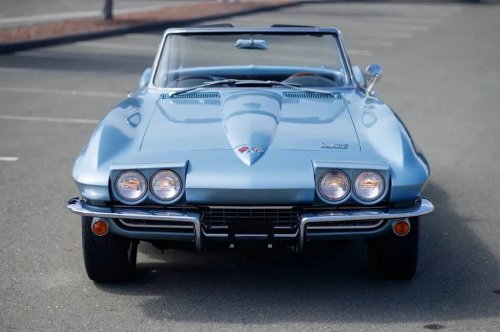
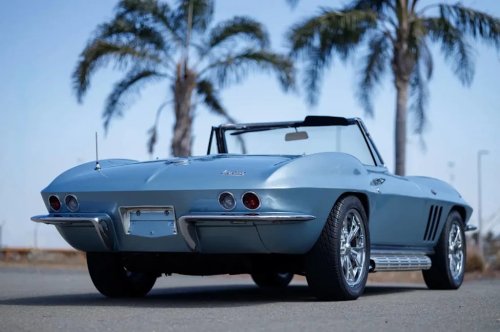
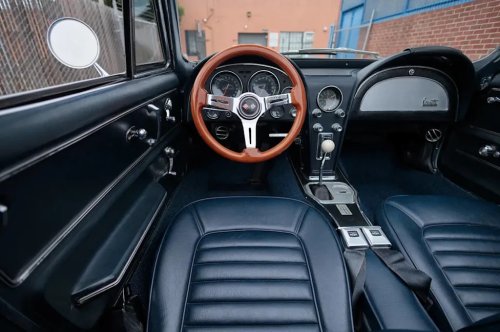
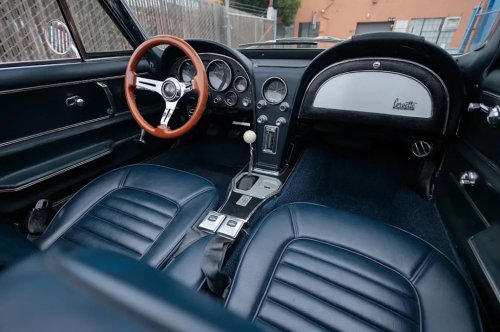
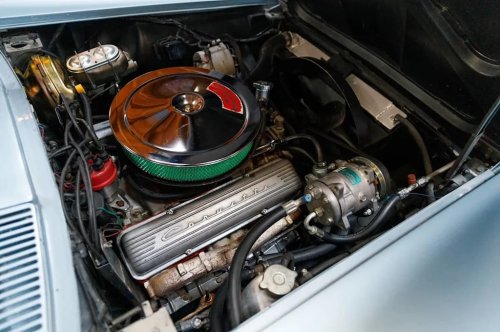
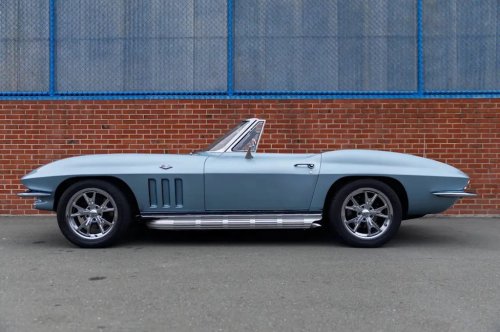
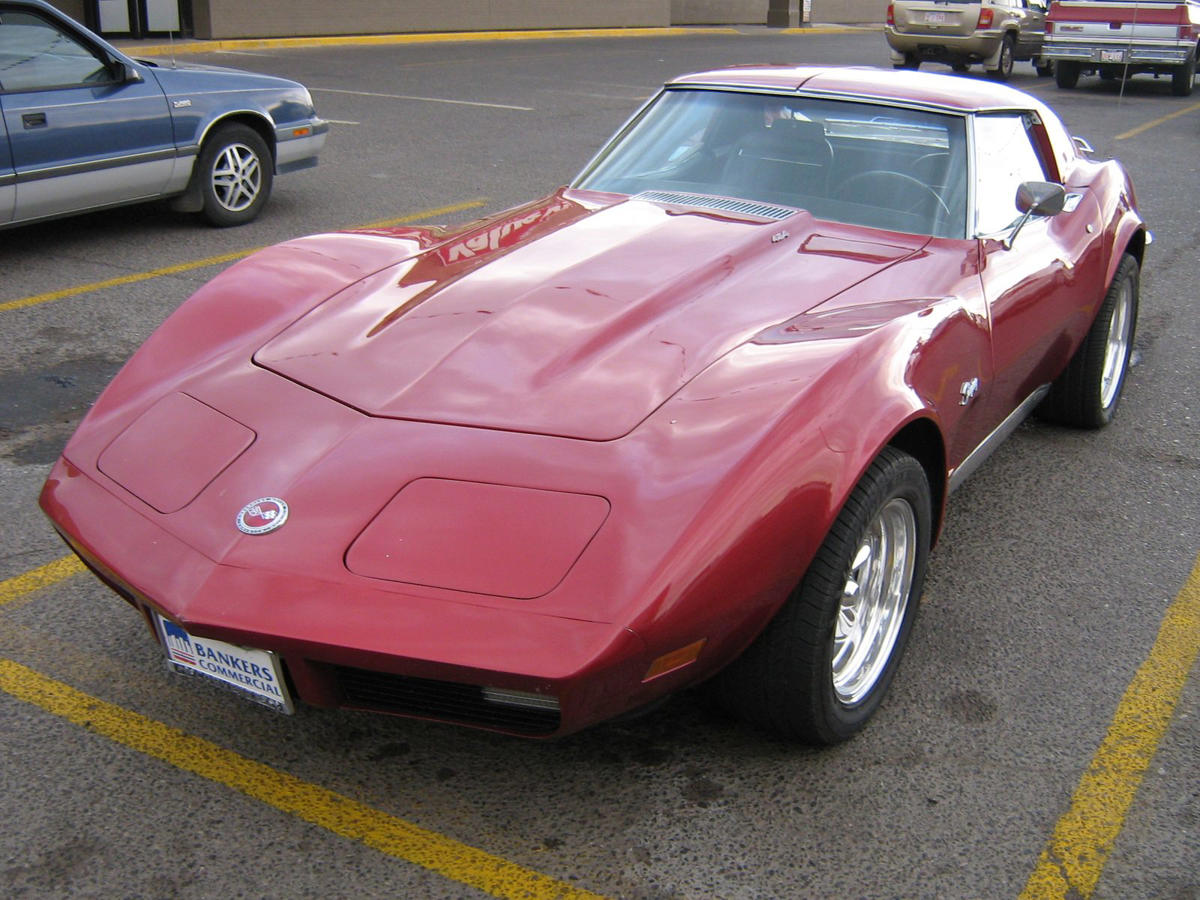
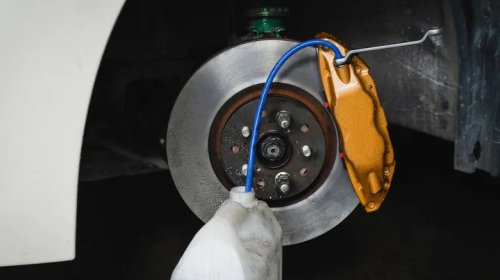
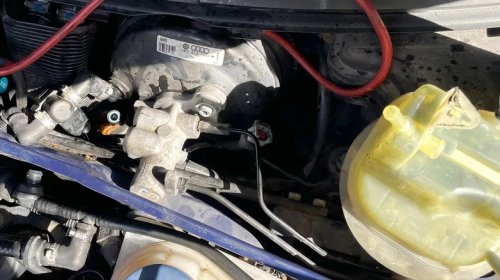
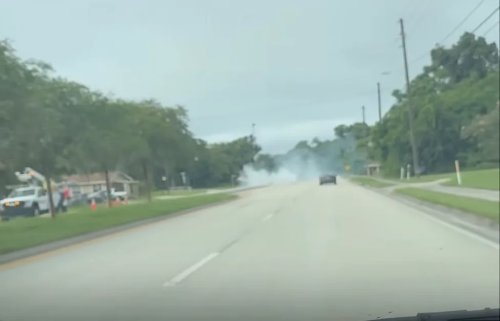
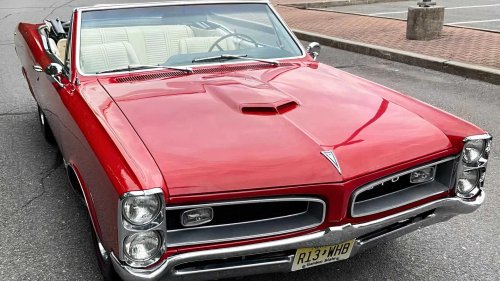
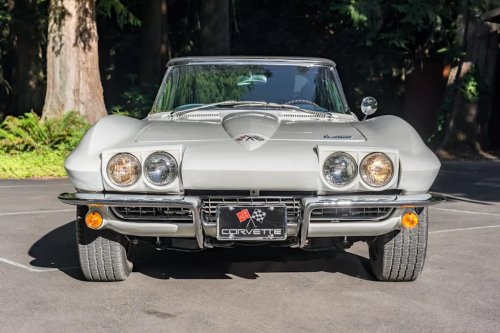
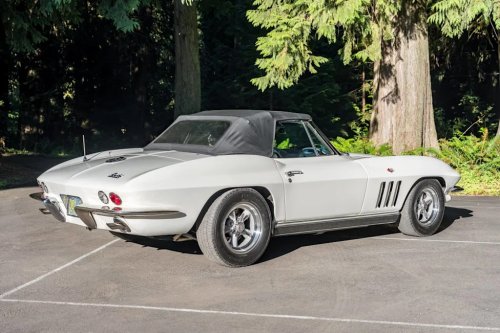
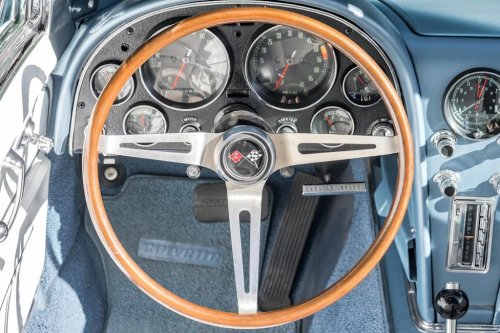
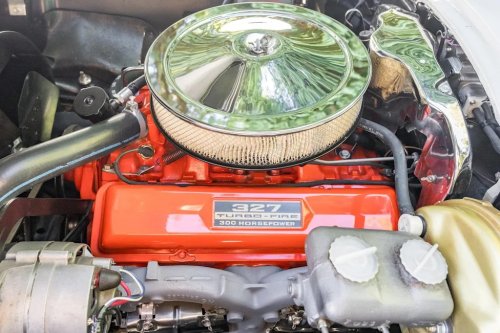
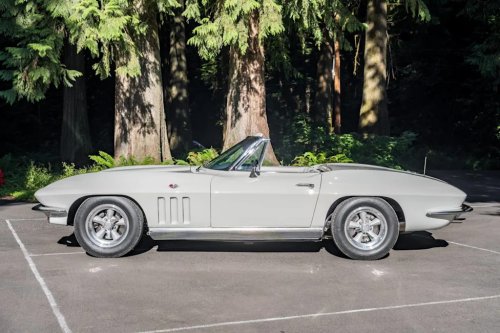
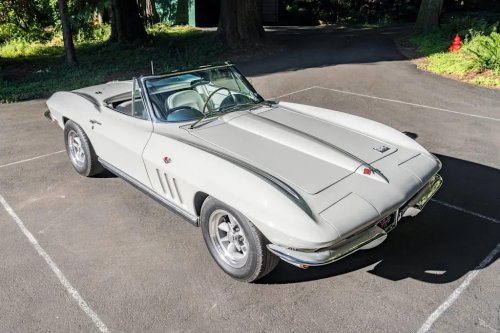
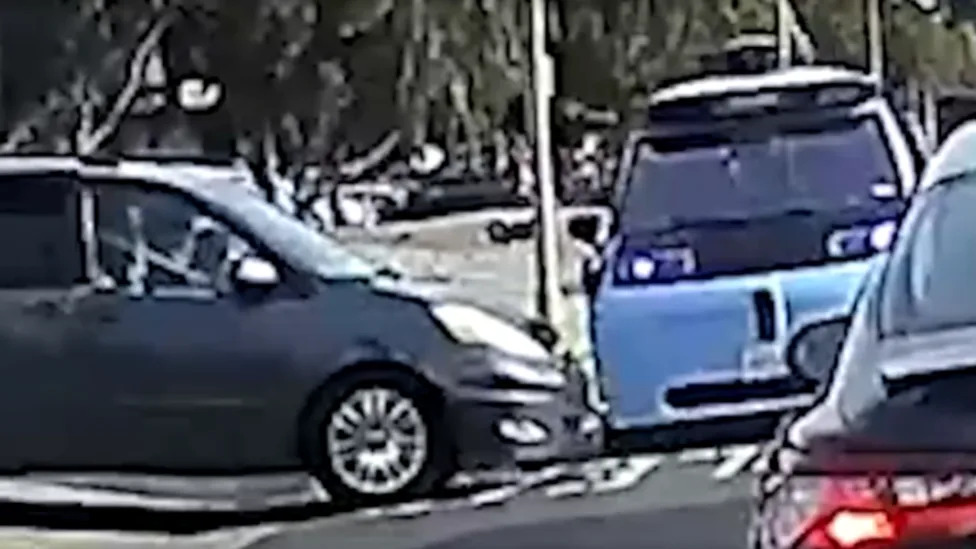
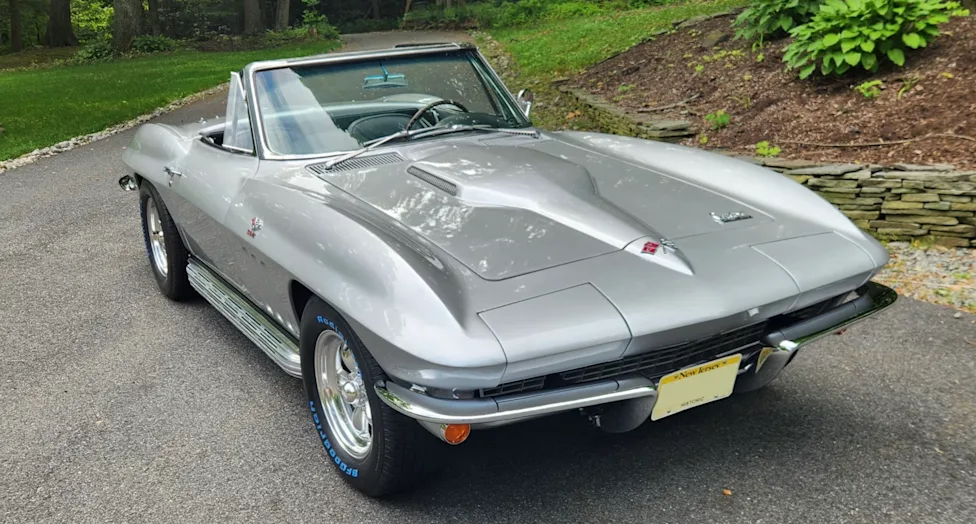
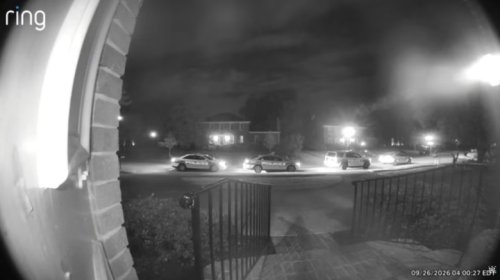
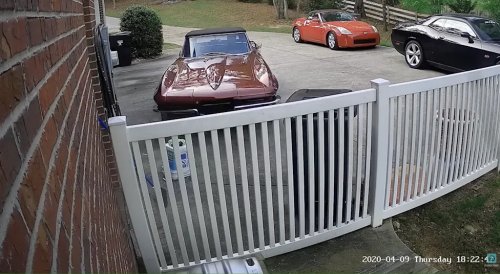
Why a Stored 1966 Corvette Lost Its Brakes and Hit a HouseThe Auto WireEve NowellFri, September 11, 2026 at 2:10 PM UTCAdd us on GoogleWhy a Stored 1966 Corvette Lost Its Brakes and Hit a HouseEvery classic-car owner has a spring wake-up routine: battery tender off, fuel topped up, a hopeful twist of the key. The step people skip is confirming the car can stop before asking it to go. A Georgia Corvette owner found that out in the most expensive classroom there is, which was his own driveway.The clip's ViralHog listing dates the incident to April 10, 2020, in Fayetteville, Georgia. The owner's description sets the scene. It was the first time his 1966 Corvette had left its basement garage in six months. He reversed it up a steep driveway with his daughter's boyfriend watching, lit up the rear tires, and headed for the upper garage. When he went for the brakes, the pedal sank to the floor. He pulled the parking brake and got nothing. YouTubeThat left him about a second to choose among three bad targets: the cars parked along the left side of the driveway, the fence with a lake behind it, or the house. He chose the house.The Burnout Didn't Kill the Brakes, It Raised the StakesThe tire-spinning is what makes the clip easy to mock, but hydraulic brakes don't care about tire smoke. What the showboating did was add speed on a grade and skip the one test that matters. A slow roll on level ground with a firm stab at the pedal would have revealed the problem. A pedal that drops to the floor at walking pace in the garage is an inconvenience. The same pedal at the top of a hill is a crash that has already started.Why a Sleeping Corvette Wakes Up Without BrakesThe irony is that this generation was Chevrolet's braking breakthrough. Four-wheel discs became standard for 1965, and the design kept the pads lightly in contact with the rotors at all times for instant response. That was brilliant engineering in 1965. Sixty years later, it is also a system full of cast-iron caliper bores sitting in fluid that slowly absorbs water. RM Sotheby'sRelated ArticlesDallas Turned Its Garbage Trucks Into A Surveillance Fleet, And The Real Trick Was Doing It For Almost NothingEvery New Car Was Supposed To Stop Drunk Drivers By Now. Nobody Told The Cars.AdvertisementAdvertisementBrake fluid's appetite for moisture is not folklore. Federal law builds it into the test. Under FMVSS No. 116, fresh DOT 3 fluid must not boil below 401°F, but after lab humidification the floor drops to 284°F. The standard also requires every container to warn that water contamination "may result in brake failure or costly repairs," and to tell buyers to keep the container sealed against moisture. Water in the fluid means rust in the bores. Rust in the bores means seals that weep fluid or let air in, and a pedal with nothing behind it. eCFReCFRThe aftermarket tells you how common this is. Suppliers now sell replacement calipers for 1965–1982 Corvettes with stainless-steel-sleeved bores and O-ring seals, each pressure-tested before it ships. Nobody builds a product line around a problem that doesn't exist. Top Flight AutomotiveTo be fair, the owner hasn't publicly posted a teardown, so nobody outside that garage knows exactly which part failed. Everything past this point is informed diagnosis, not a verdict.Built in the Gap Before the Feds Stepped InA 1966 Corvette sits squarely in a regulatory transition. A 1978 NHTSA evaluation report says FMVSS 105 took effect January 1, 1968, and required split brake systems and warning lights on all new cars. It adds that about half of 1966 U.S.-built cars already had split systems, and virtually all 1967 models did.AdvertisementAdvertisementSo depending on how a given '66 left the factory and what has been swapped since, it could have a single-circuit master cylinder or a dual unit. In a single-circuit system, one leak at any corner drains braking everywhere. A pedal that goes all the way down with no slowing at all is the signature of a system that lost pressure everywhere at once.The parking brake failure fits the same pattern. That same NHTSA report notes the 1968 standard required parking brakes to hold a loaded car on a 30 percent grade, and that manufacturers modified and upsized parking brake systems to comply. It also lists a dash warning light for pressure loss, low fluid, or an applied parking brake. A '66 was built to none of that. Its parking brake is also its own separate hardware. Corvette specialists sell dedicated shoe sets and hardware kits just for the 1965–1982 parking brake. On a garage queen, those shoes and cables are often the most neglected parts on the car. Corvette CentralThe report also makes a point that ages well: it cautioned that brake failures on older cars are often driven by neglect and age, such as failed cylinder seals and deteriorating flexible lines. That was written about cars a few years old. This one was 54 when it hit the house.Grading the Split-Second CallOf the three options, the house was the least-worst choice, and it wasn't close. Parked cars mean more damaged metal and possibly other people's claims. The lake is the real nightmare. Submersion in a 1960s car means wiring, gauges, interior, frame rust, and water soaking into the body, not to mention a driver trapped in a sinking car. A brick wall he owns, hit at driveway speed, is a known quantity.AdvertisementAdvertisementThe damage still stings. The C2 wears a fiberglass body, and fiberglass doesn't dent back into shape the way steel does. Proper repair usually means cutting out damaged sections, bonding in new material, and then trying to blend paint on a six-decade-old finish. This was one of 27,720 Corvettes built for 1966, the year Chevrolet introduced the 427 V8. That makes it collectible rather than rare, and collectors care who did the glass work. General MotorsWho Pays for Hitting Your Own HouseExpect two claims and two deductibles. Collision coverage is what pays for damage to your car when you're at fault or hit an object. The house is a different policy. As Progressive explains it, your auto policy generally won't pay when you damage your own property, while standard homeowners policies usually list vehicle damage as a covered peril, subject to your homeowners deductible. njProgressiveIf the Corvette is on a collector policy, the valuation method matters. State Farm, for example, insures antique and classic cars on an agreed-value basis. That becomes important if repair estimates creep toward the car's value. State FarmGeorgia owners also have unusual leverage on diminished value. A federal court filing summarizes the state Supreme Court's 2001 Mabry decision as upholding a class-wide injunction requiring State Farm to assess diminished value on first-party claims. Policy language has evolved since, so read yours. Either way, a classic whose crash is permanently online has an accident history no buyer will miss. Auction houses flag damage history loudly. One Barrett-Jackson docket for a 1966 convertible carried a rebuilt-title warning in all capital letters. GovInfo Barrett-JacksonNobody Is Checking This for YouFayette County falls inside Georgia's emissions testing area, but vehicles 25 model years or older are exempt. Even for newer cars, that program is an emissions test, not a brake inspection. For a 1966 Corvette in Georgia, the only inspector is the owner. Clean Air ForceThe Wake-Up Routine That Would Have Saved the FenderBefore a stored classic moves, check the reservoir level and the fluid color. Dark or murky fluid is overdue. With the engine off, push the pedal and hold steady pressure. It should be firm and stay put. A slow sink points to fluid bypassing a seal.Related ArticlesThe Chinese Car Ban Bill Also Outlaws Airbags Nobody NoticedVolkswagen's Old Beetle Factory Is About to Build Iron Dome Parts. The Real Story Is Why It Had To.AdvertisementAdvertisementThen roll a few feet on flat ground and brake hard before going anywhere near a slope. Set and release the parking brake to confirm it actually holds. Flush the fluid on a calendar schedule, not by mileage, since moisture gets in whether the car moves or not.If the calipers have never been sleeved, budget for it. Restorers clearly treat the hydraulics as consumables. One freshly restored 1966 427 convertible crossed the block listing a new master cylinder alongside its four-wheel discs. Barrett-JacksonJoin our Newsletter, follow our Instagram page, and connect with us on Facebook.



















 +10 others