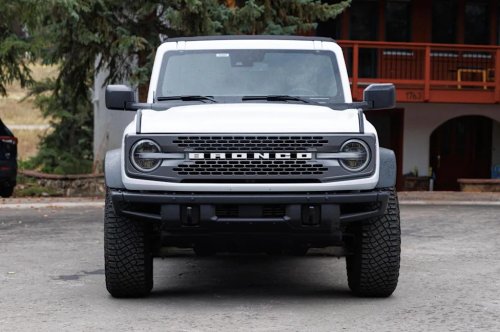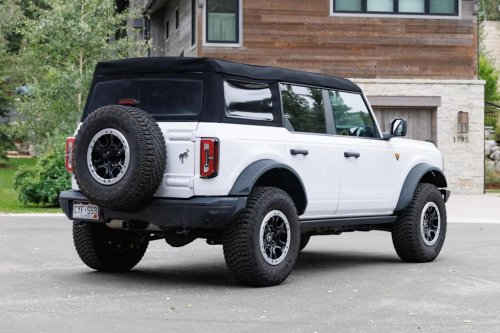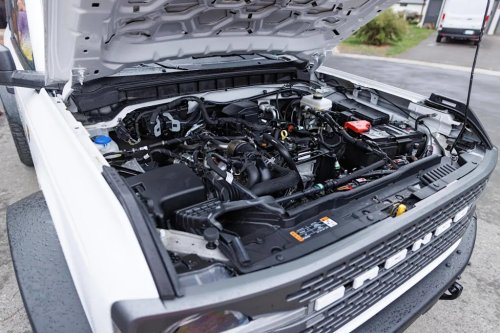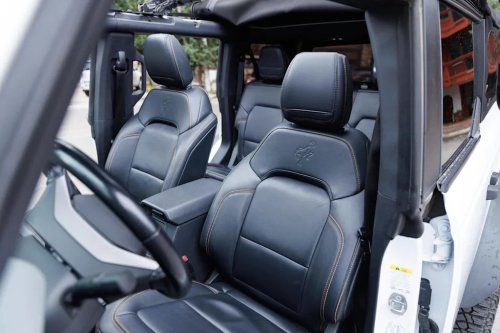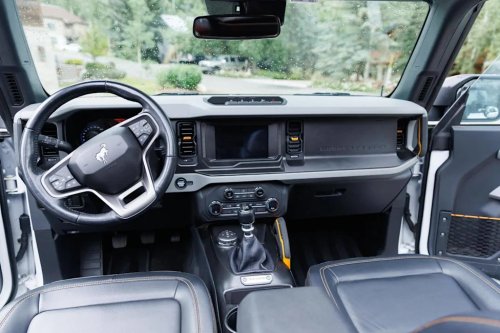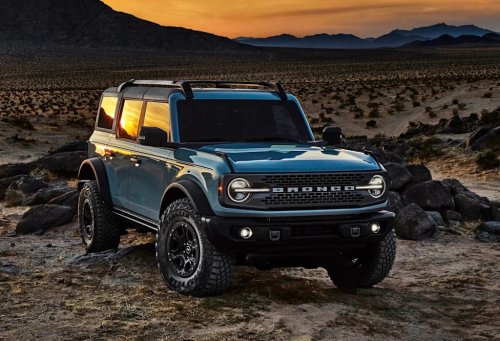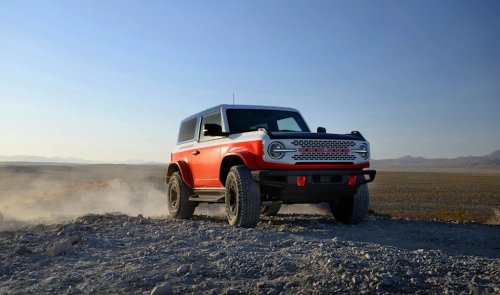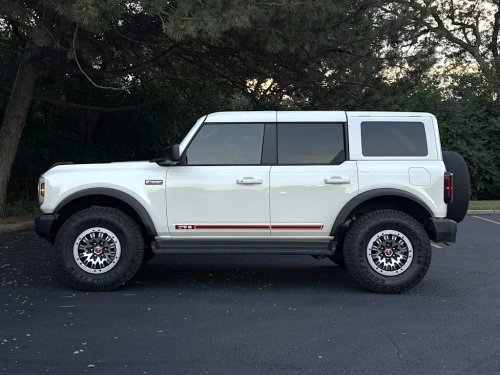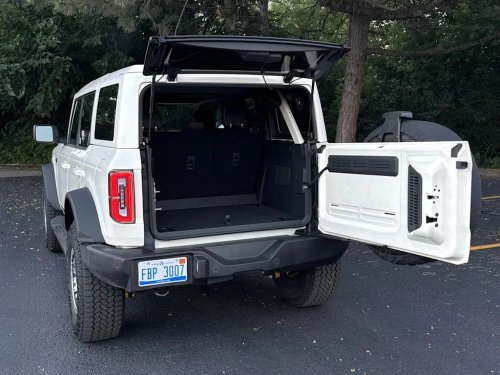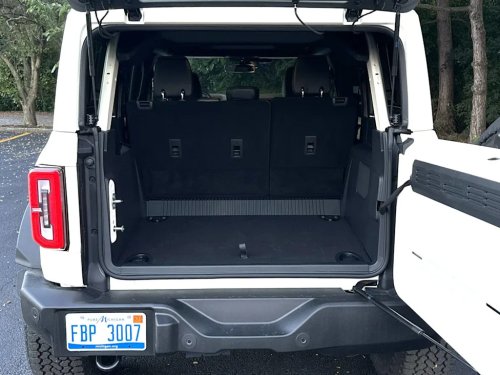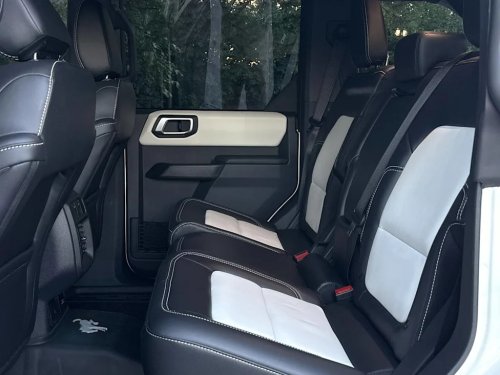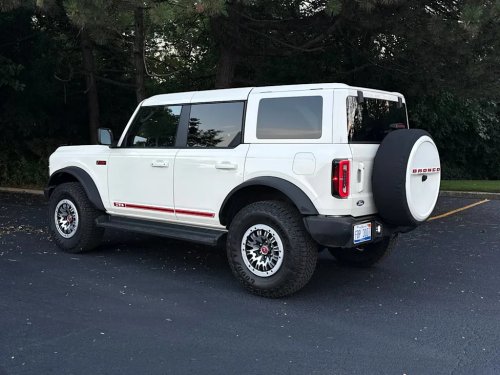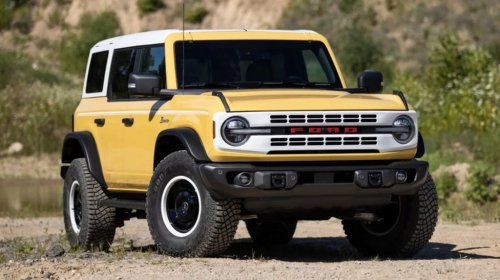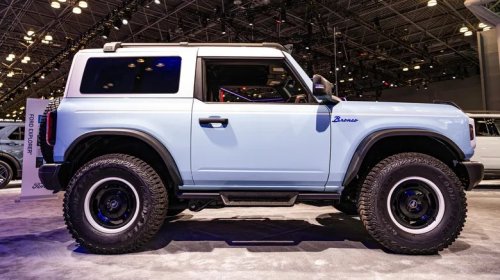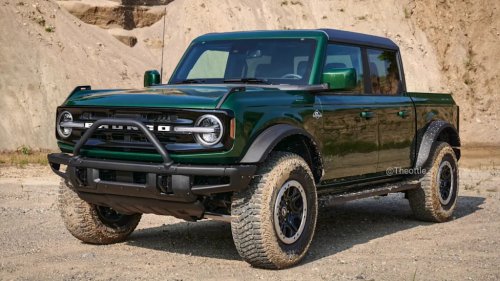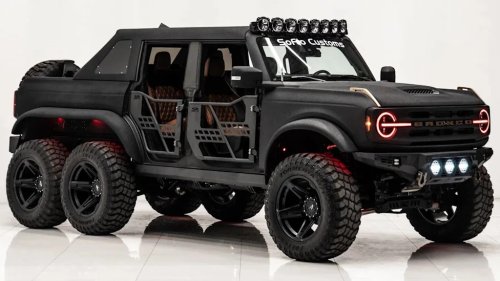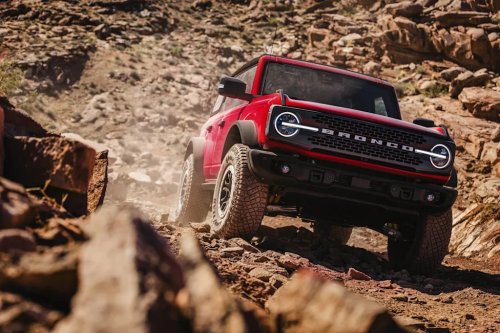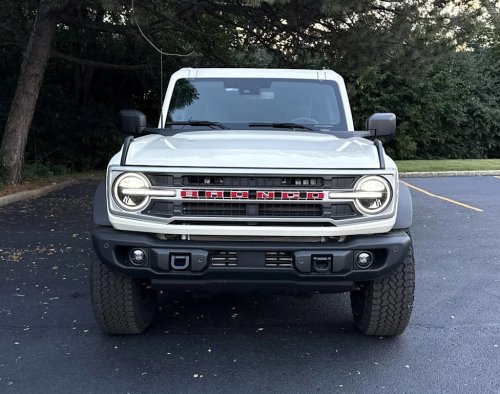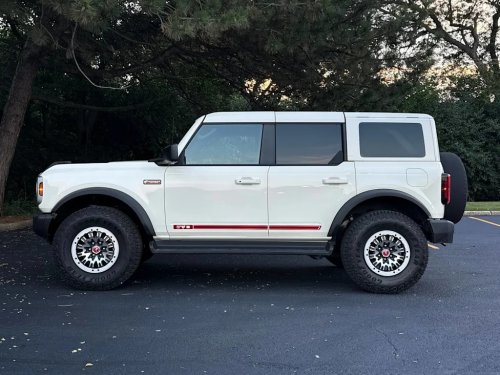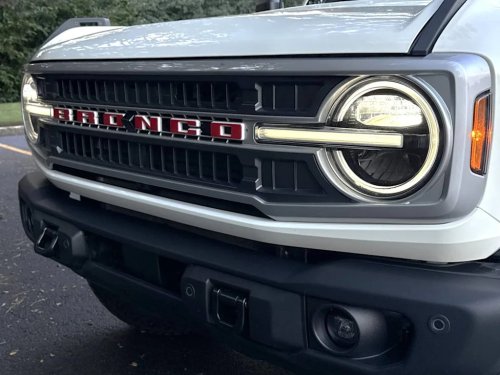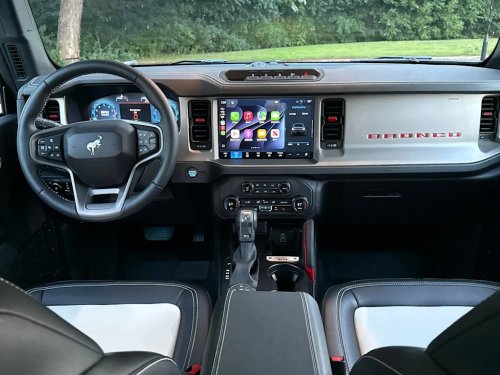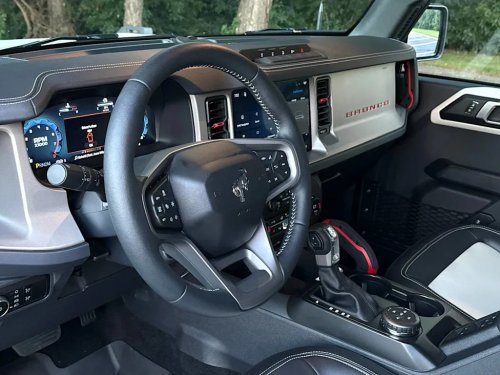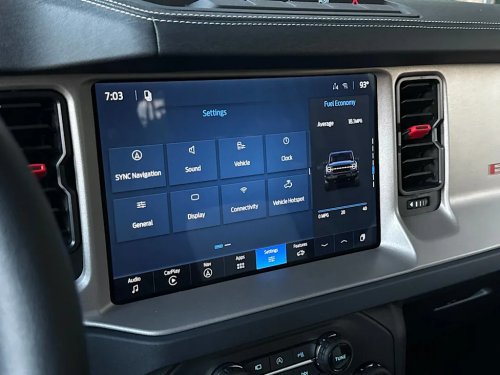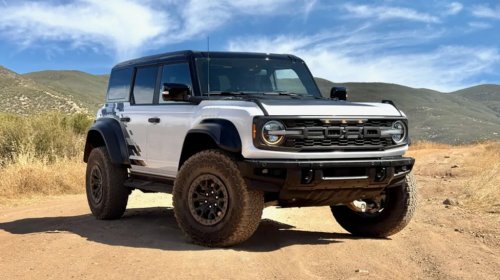
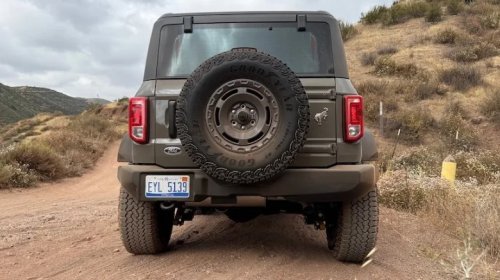
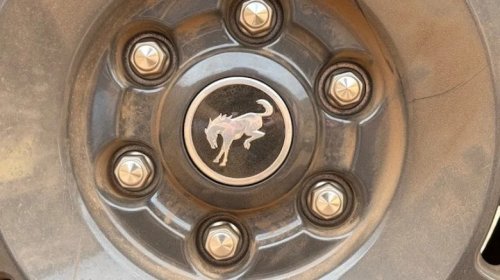
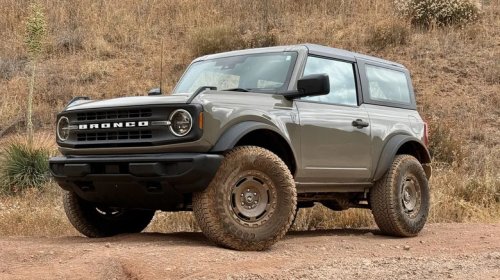
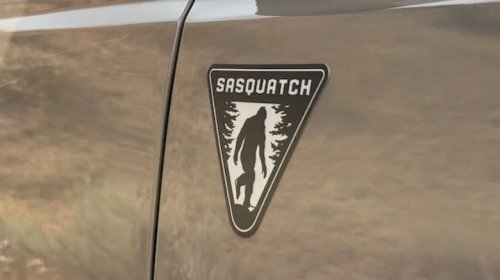
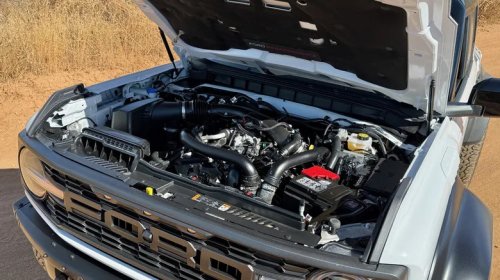
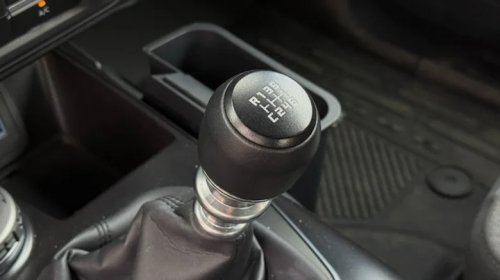
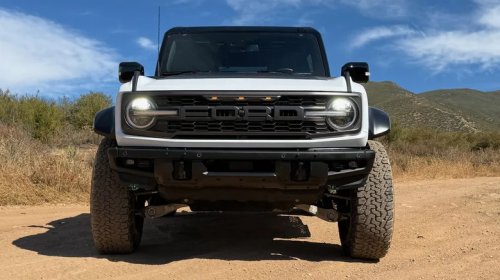
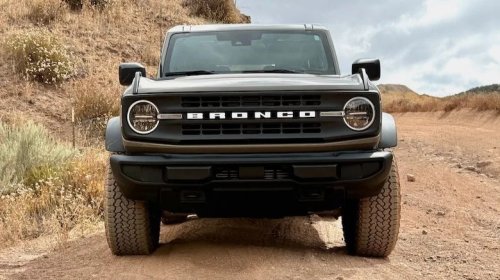
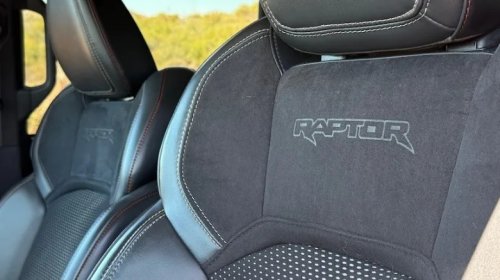
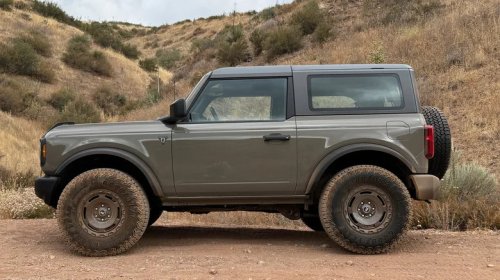
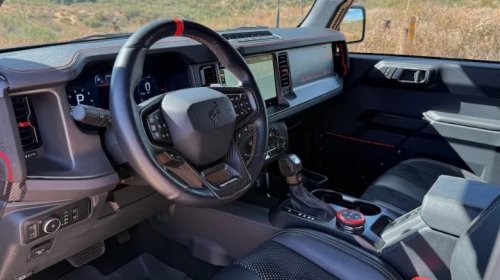
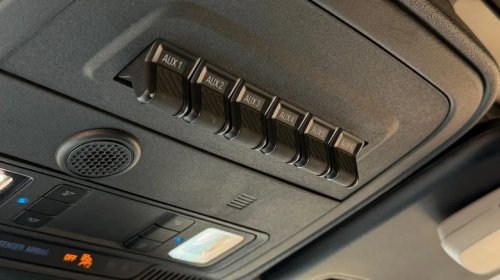


















Travis Langness/SlashGearEven when you drive cars for a living, it's not often you get the chance to test two different versions of the same vehicle back to back. That wasn't even on my mind when I asked the folks at Ford if they had a Bronco in their fleet that I could test.I'd driven high-performance versions of the Bronco before, but never the base manual-transmission model, so that's what I was looking for. As luck would have it, Ford had a base two-door Bronco with a manual that was available for me to test. The company's reps offered a bonus to go along with it, though: its most expensive and most capable Bronco, the Raptor.Travis Langness/SlashGearThe base Bronco was pretty optioned up, specifically with the off-road-ready Sasquatch package, but having these two versions of the same SUV one week after another gave me a great chance to see what they both offered. Were there benefits to going with the entry-level model? Or is the top-of-the-line version the only Bronco worth getting?Travis Langness/SlashGearI drove both the Sasquatch and the Raptor extensively, both on and off-road, and I came away from the experience with a new appreciation for just how much variety there is in the Bronco lineup. More than just a big difference in price, these two versions of the retro-minded SUV show just how customizable modern off-roaders are and just how capable they can be in every scenario. They both have flaws, but those flaws are outweighed by their strengths.AdvertisementAdvertisementRead more: 5 Notable Differences Between American And European CarsThere are big pricing differencesTravis Langness/SlashGearIn its most basic form, the Bronco is about half the price of the Bronco Raptor. In the two-door layout, the Bronco has an MSRP of $42,790 (including a $1,995 destination fee), and it comes with decent equipment for the money. You get four-wheel drive, cruise control, excellent-looking 16-inch steel wheels, a big 12-inch center touchscreen, and wireless smartphone connectivity. The Sasquatch package adds $8,460 to the price of the base Bronco. It comes with Bilstein shocks, fender flares, matte black 17-inch alloy wheels, a different final drive ratio, and locking front and rear axles. This all gives it much more off-road capability, along with a much more aggressive look. Throw in the Marsh Gray paint that my test vehicle came with and some rubber floor mats, and you get an MSRP of $51,905.Travis Langness/SlashGearThe Raptor starts much higher than the Bronco Sasquatch's price. The base Raptor (with a much more powerful engine that we'll touch on in a minute) comes standard with four doors, a lot more tech, and an impressive list of off-road hardware. The starting price for a Bronco Raptor is $81,990, and that includes Fox Live Valve dampers, massive 37-inch all-terrain tires, Rigid fog lights, steel bash plates, adaptive cruise control, and a 360-degree camera (which can operate at speed in Baja mode). There are few vehicles available today that come as off-road-ready as the Bronco Raptor, but once optioned out with extras like the sound-deadening headliner, special side graphics, and leather/suede seats, it can easily crest $100,000.The Raptor is more expensive, but way more powerfulTravis Langness/SlashGearWith such a big price difference, you'd expect there to be a big difference in power across the Bronco range, and there is. Base versions of the Bronco get a powertrain that can best be described as adequate. It's a turbocharged 2.3-liter four-cylinder engine that makes 300 hp. That's not a small amount of power, but it does feel a bit inadequate when paired with the Sasquatch's big tires. You'll need to squeeze the Sasquatch for most of those horses when you're going for a pass on the highway. AdvertisementAdvertisementIf the base Bronco I drove had a simple set of regular wheels and tires, I suspect its four-cylinder powertrain would feel much less stressed. Either way, it comes standard with a 7-speed manual transmission, which is easy to shift, and it comes with a crawl gear specifically for low-speed off-roading. The optional engine for the Bronco is a turbocharged 2.7-liter V6 that makes 330 hp. It's definitely a bit more robust and more suited to the Bronco's big dimensions.Travis Langness/SlashGearWhile the 330-hp V6 is an improvement, the Raptor is in a different league entirely. It has a turbocharged 3.0-liter V6 that makes 418 hp, which makes the Bronco much more impressive in a straight line. Nail the throttle, and you'll likely be surprised at just how swiftly the big bruiser moves. The Raptor does have a rough and unrefined rumble at idle, though, so between these two extremes, I'd probably pick the mid-level V6 for the best experience.Living with both BroncosTravis Langness/SlashGearSpending time with these two versions of the Bronco, driving them daily and off-roading them, was an interesting exercise. They were similar in a lot of the obvious ways (the interface, interior, and so on), but they were also different in lots of scenarios.Travis Langness/SlashGearThe base Bronco is a pretty wide SUV with the Sasquatch package. It was a tight squeeze in parking spots and felt oversized for city life, and if I were to own one, I'd probably go with a lower trim package just to feel less conspicuous in the city. The Raptor is even worse, feeling preposterously big for big cities like Los Angeles. Every parking spot I came across felt too tight, including the one in my garage at home. On the freeway, getting it between the lines was a struggle, too.Travis Langness/SlashGearAdvertisementAdvertisementThen there's highway comfort and off-road capability. I expected the more expensive and better-equipped Raptor to be better at both and, while it certainly was, it wasn't head-and-shoulders better than the Sasquatch. Both were competent road trippers, rock crawlers, and daily drivers. The Raptor's suspension wasn't necessary for the kind of adventures I go on, either; I like a bit of speed in the sand, but I don't spend a lot of my time at full throttle when I hit off-road trails. It was also much less efficient, with an EPA-rated 15 mpg combined compared to the base model's 19 mpg combined. Both numbers were about what I achieved in the real world, too.Which one would I pick?Travis Langness/SlashGearAt the end of two weeks with these two versions of the Bronco, I had some key takeaways. The Raptor was more whimsical, lively, and fun to drive. The extra power, the insane off-road capabilities, and the increased level of refinement on the interior all felt like upgrades that were worth the money. Oh, and the cool overhead auxiliary switches for extra powered equipment like winches or off-road lights? Those were just icing on the cake.Travis Langness/SlashGearThe base model was way cheaper, though. It got me through all the mild off-roading I'd usually do to reach a campsite or spend a day in nature, and it could go much further if I asked it to. It felt every bit as rugged as the Raptor, too, even if it was a bit underpowered.Travis Langness/SlashGearSo which one would I go with? Instead of either one of these extremes, I'd likely pick something right in the middle. The Sasquatch package is a great pick, in my opinion, but you don't have to pair it with the base Bronco. If it were my money, I'd go with something like the mid-level Badlands trim, option it with the 2.7-liter V6, and add the Sasquatch trim there. That would keep the MSRP closer to $60,000 and make for an excellent compromise.AdvertisementAdvertisementWant the latest in tech and auto trends? Subscribe to our free newsletter for the latest headlines, expert guides, and how-to tips, one email at a time. You can also add us as a preferred search source on Google.Read the original article on SlashGear.