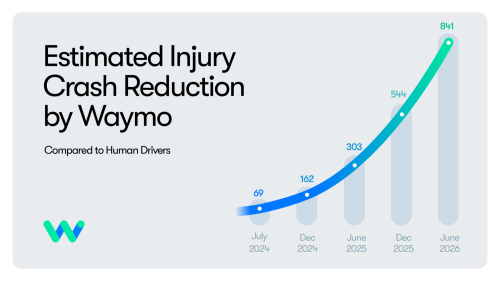
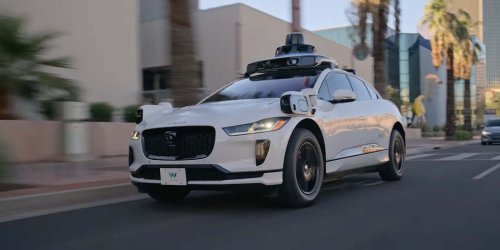
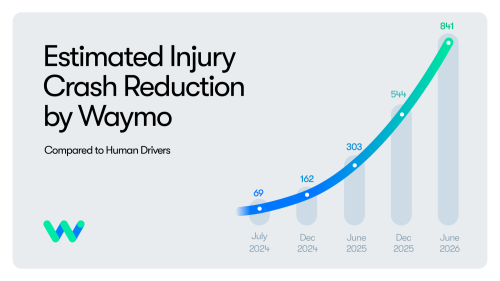
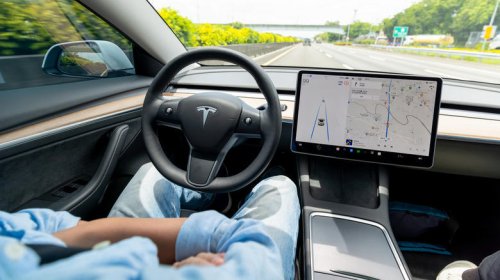
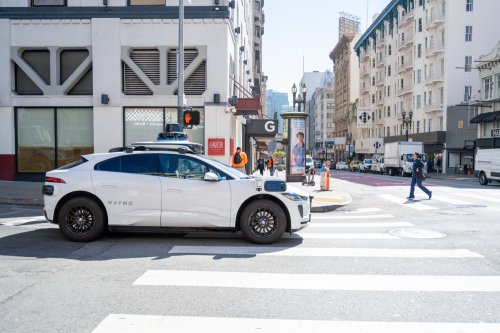
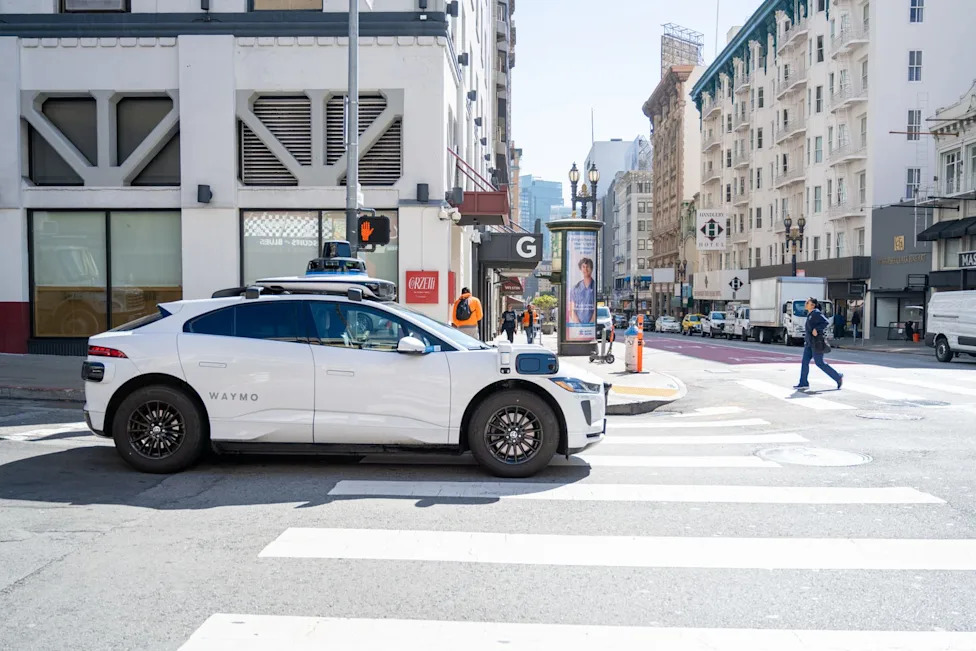
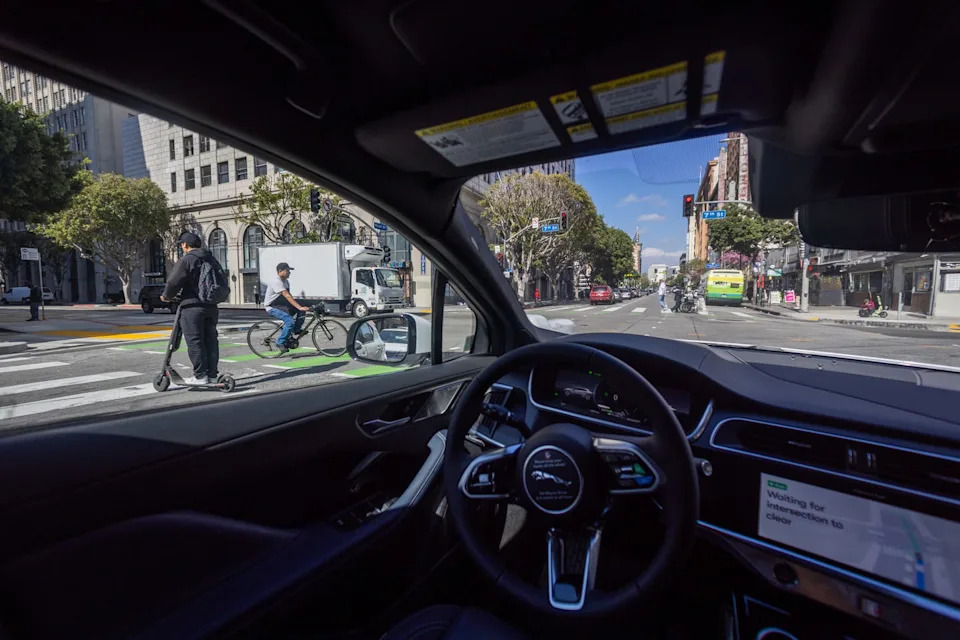
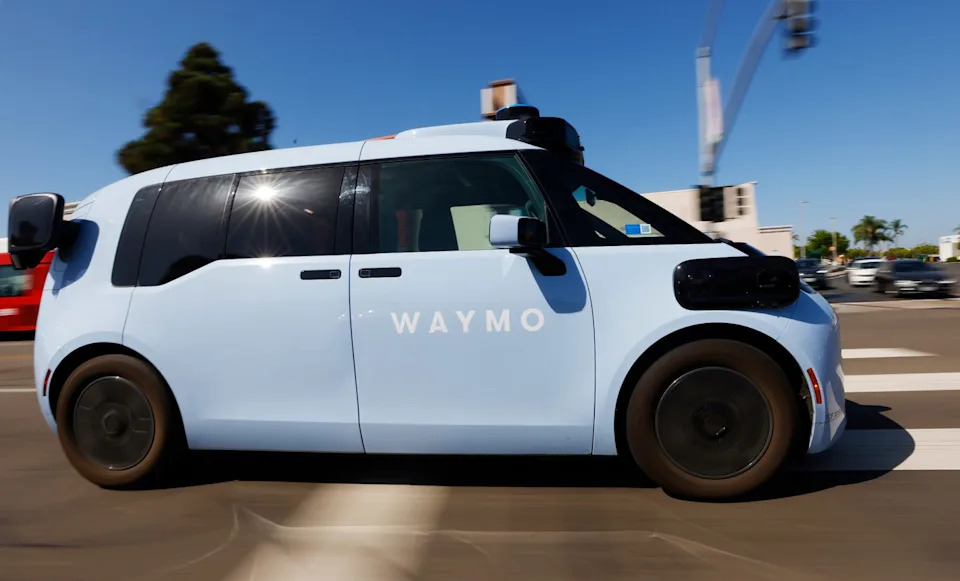
Waymo Says More Than 840 People Avoided Injury, Thanks to Its Self-Driving TechRoad & TrackEmmet WhiteThu, September 24, 2026 at 4:05 PM UTCAdd us on GoogleNew Waymo Data Claims Self-Driving Tech Is SaferSmith Collection/Gado - Getty ImagesWhile debate over how safe self-driving cars really are compared to humans is unlikely to end anytime soon, autonomous rideshare operator Waymo has a new milestone to point to: according to the company, its vehicles are 20 times safer than flesh-and-blood drivers, and have saved more than 800 people from injury over 270 million miles driven through June 2026.A new report from the California-based startup analyzed safety data from Atlanta, Austin, Los Angeles, Phoenix, and San Francisco, and identified hundreds of examples where Waymo allegedly outperformed human drivers. All told, Waymo claims that the self-driving vehicles avoided 841 injury-causing crashes where human drivers would have erred, and were involved in 95 percent fewer (or 20x less) serious-injury-or-worse crashes than humans."The safety impact is most profound where road users are most exposed. Whether it's riding in a bike lane alongside the vehicle, stepping into a crosswalk at dusk, or navigating dense traffic on a motorcycle, the Waymo Driver significantly reduces risk—cutting injury-causing crashes involving pedestrians by 93%, cyclists by 86%, and motorcyclists by 82%," the report reads.AdvertisementAdvertisementOther important data points include 82 percent fewer airbag deployments in any vehicle crashes, and 82 percent fewer injury-causing crashes. Waymo's data also claims that the autonomous vehicles overperformed in certain cities: compared to human crash data, Waymo vehicles had 8 percent fewer crashes resulting in airbag deployments in Atlanta, and 10 percent fewer crashes resulting in injury in San Francisco. Environmental data also indicates that Waymo vehicles account for significantly fewer intersection crashes than human drivers.Allen J. Schaben - Getty ImagesWaymo's methodology compares the Waymo Driver's Rider-Only (RO) crash rates to human crash benchmarks for surface streets; specifically, the company compares crash rates to human drivers over the same distance, to equalize opportunities for per-mile comparison.Even so, there are some notable differences, including the fact that AV and human data use different definitions of a crash. Autonomous operators like Waymo must report any physical contact that results in any property damage, while human crash data typically requires a certain level of damage to justify a police report. As a result, NHTSA estimates that 60 percent of property damage crashes and 32 percent of injury crashes aren't reported to authorities. Human crash data included in the report was pulled from state police reported crash records and Vehicle Miles Traveled (VMT) data in the areas Waymo currently operates."Aligning the Automated Driving System (ADS) and human crash data is one of the most important dimensions of doing a fair apples-to-apples comparison, and an important step to aligning data is coming up with a consistent definition for a 'crash.' Waymo's Safety Impact research uses past safety evaluation research as a starting point to pick crash outcomes that can be best identified in both ADS and human data sources. The most prevalent and reliable human crash data source are police report databases," the methodology explanation reads.The San Diego Union-Tribune - Getty ImagesThe Google-funded startup is claiming that its cars are safer than human drivers based on this data, but Waymo admits there is always room for improvement. Formally identifying an "absence of unreasonable risk" is part of the company's mission, and continually building confidence in its safety framework is a cycle. Additionally, Waymo emphasized that there is no one technology or policy initiative to combat the "traffic safety crisis."AdvertisementAdvertisementEven so, the Insurance Institute for Highway Safety praised the autonomous operator for its open-data policy. "By making detailed information about crashes and miles driven publicly accessible, Waymo's transparency will not only support independent research but foster public trust. We hope other companies developing and deploying automated driving systems follow suit," said IIHS chief research officer David Zuby.You Might Also LikeIf You Can Only Own One Car, Make It One of TheseThese Are the Most Popular Cars by State



















 +33 others