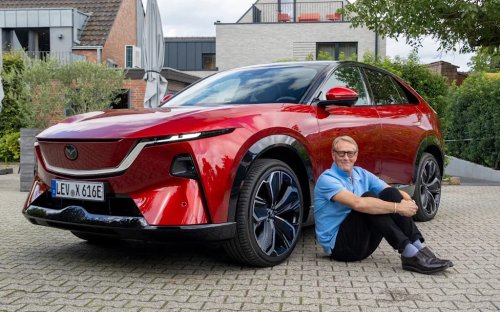
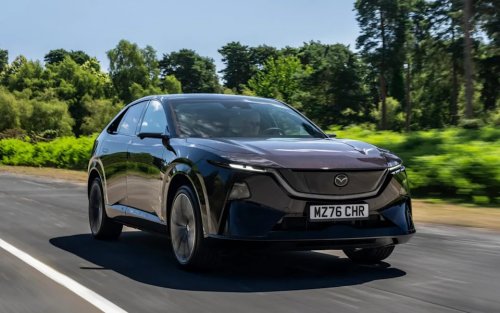
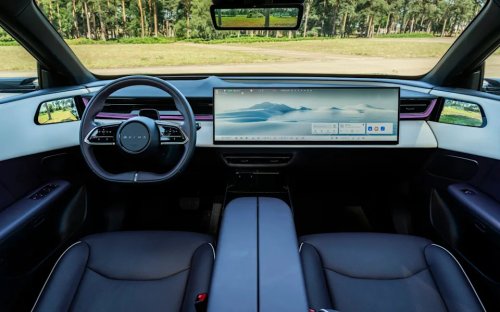
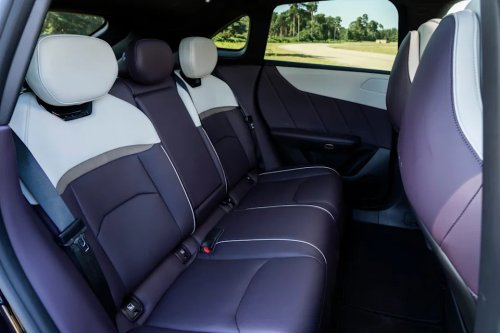
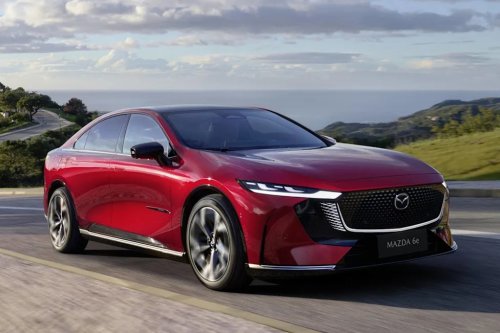
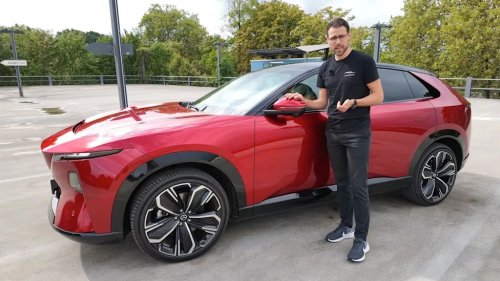
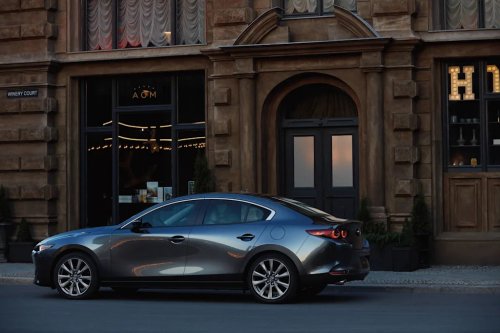
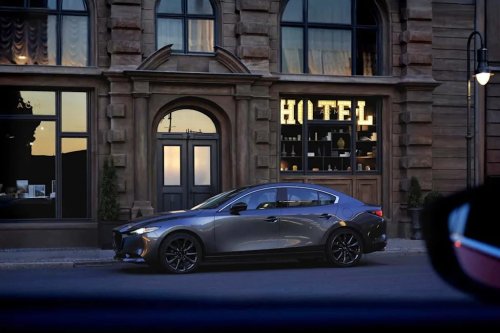
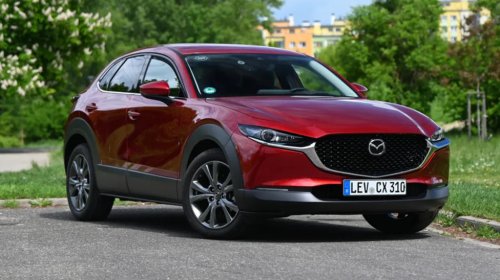
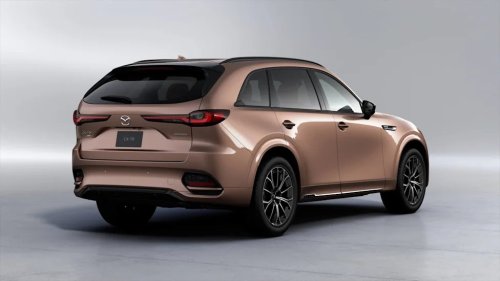
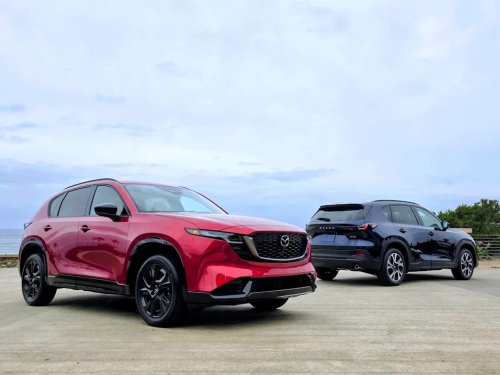
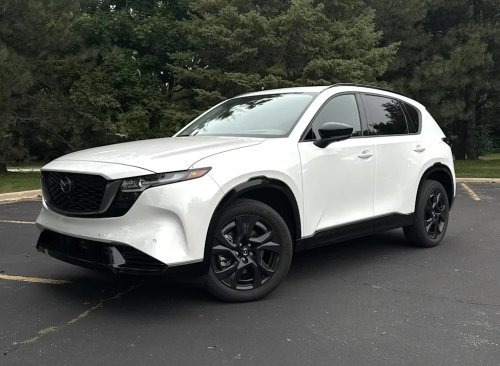
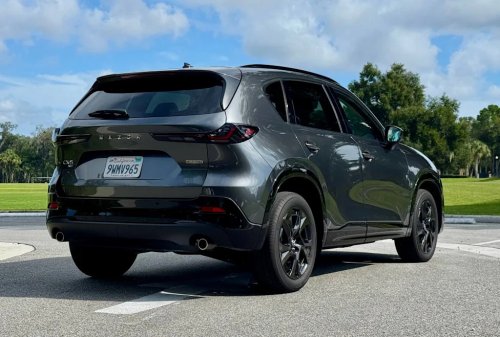
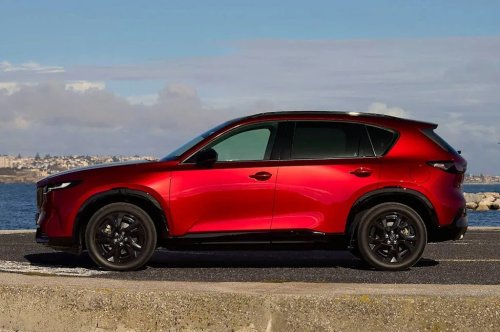
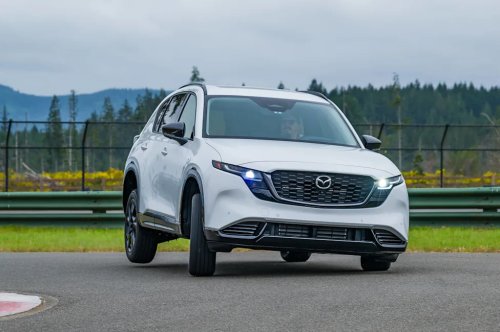
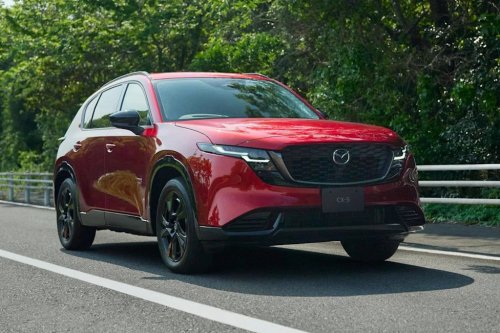
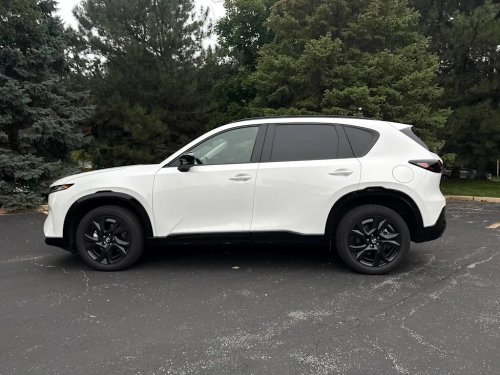
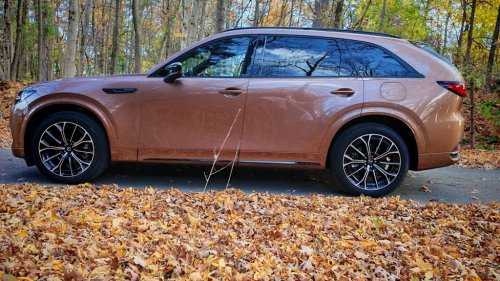
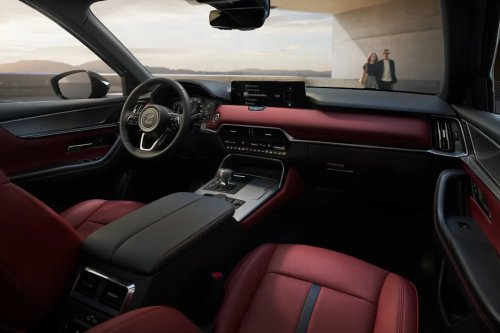
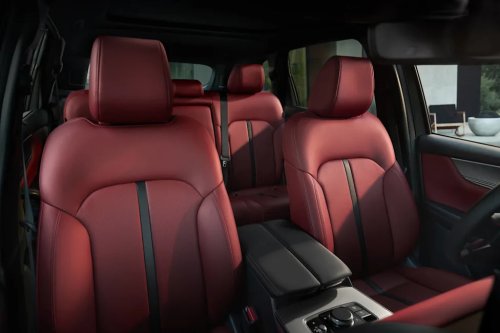
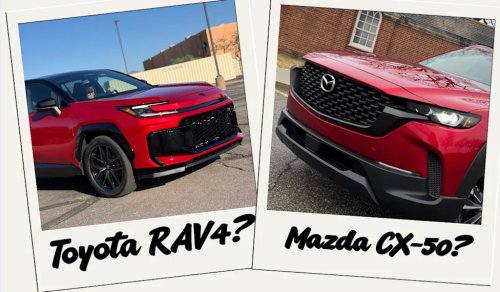
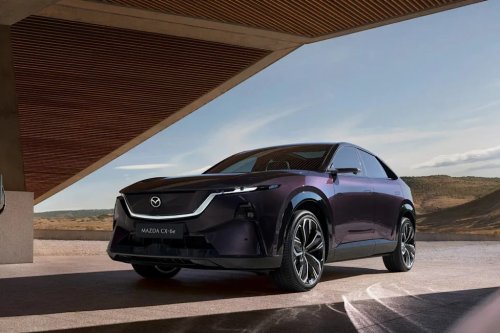
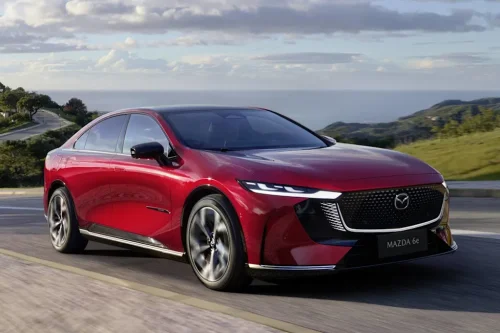
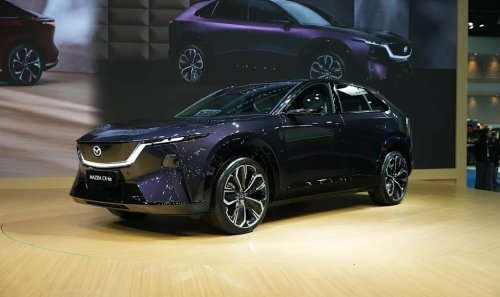
Autoblog and Yahoo may earn commission from links in this article.Just a ReactionMazda Australia's Boss, Vinesh Bhindi, went on record stating that high EV sales in recent months were caused by the conflict in the Middle East and the steep rise in fuel prices. One of the opinions out right now is that EVs, PHEVs, and HEVs serve as a nice hedge against a volatile oil market, but Bhindi seems to think otherwise, citing roadblocks to further growth in the EV sector.Electric vehicles have made an impact in Australia and in the rest of the world, with the Tesla Model Y taking first place as the best-selling car in the country and outselling the Ford Ranger by a good margin, but based on what Mazda's boss said, it won't last, and demand will soon normalize.MazdaStable Fuel Supply, Stable SalesSpeaking to Drive, Bhindi stated that he "thinks the last two months has shown the appetite [for EVs] grown, but I think that is because of the fuel supply issue as opposed to any structural change in the market."AdvertisementAdvertisement"It's already, in terms of fresh orders, has returned to pre-supply issue of the Middle East crisis, and it will grow slowly, but it will grow," Bhindi added.Another point of contention for Bhindi was that the infrastructure and framework for EVs to thrive aren't quite there yet, though the Australian Government did support the uptick in EV adoption with the Fringe Benefits Tax exemption (FBT).Bhindi also touted that the current sales figures in Australia are temporary and are a knee-jerk reaction. In May 2026, 19.9% of new vehicle sales were electric, the all-time high for the country, compared to the 16.4% the Aussie car industry achieved in April this year.MazdaOn Mazda's End...The Mazda 6e and Mazda CX-6e are coming soon to Australian Mazda dealerships. These are the brand's all-electric offerings, developed in partnership with Changan in China. You could say that Mazda's quick turnaround with its co-developed models was also a knee-jerk reaction to the rest of the industry.AdvertisementAdvertisementUp to a year or two ago, Mazda remained firm in its belief that a gasoline engine and a mild hybrid system are core traits that keep its fans loyal to the brand. Now that the market is demanding EVs, this train of thought doesn't seem too unlikely.Australia's monthly new car sales figure was dismissed by Bhindi, as he cautioned that the sales figures are not representative of true customer demand. He states: "I don't think what VFACTS is reflecting is reflective of the industry," but he says this just as Mazda Australia is about to launch the 2027 CX-5 with no form of electrification whatsoever."When the fuel crisis started, there was a rush to get battery EV, and there was no structural change, so you ask yourself why did that happen? Australian consumers felt that that was the time to make that decision, or wanted to secure themselves for mobility should the crisis get worse," Bhindi told the publication.(C) 2026 Doug Berger | DBPicsFuel Prices Dictate EV Sales?Finally, Bhindi closed off his interview by stating that "the fuel prices were ridiculously high, and they have come back off the peak and currently with the fuel excise discount, it is acceptable."AdvertisementAdvertisementPicking apart and navigating what he said, the Mazda boss implies that fuel prices returning to normal will directly correlate with EV sales. As the prices stabilize, so too will demand for electric cars. If Mazda's predictions prove true, we may see Australia's EV and ICE car split shrink and normalize in the coming months.However, one could argue that his view might not represent the rest of the world's sentiment. On the contrary, the Chinese market seems to favor EVs over ICEs, but recent developments show that some brands are investing heavily in ICEs as range extenders. While Bhindi's statements may not apply to markets like China, it might be the case for countries that prefer hybrids like the U.S.Earl Lee/AutoblogThis story was originally published by Autoblog on Jul 2, 2026, where it first appeared in the News section. Add Autoblog as a Preferred Source by clicking here.



















 +38 others