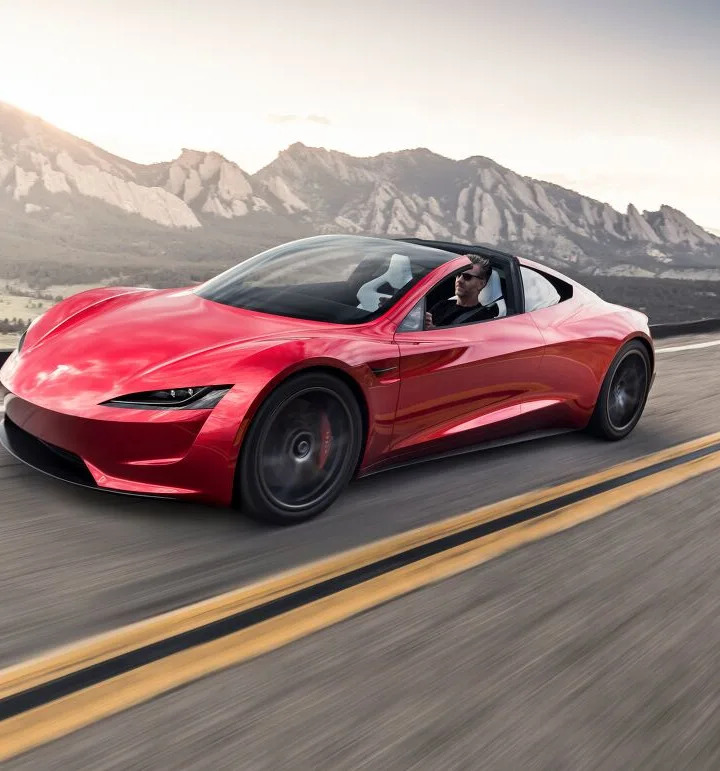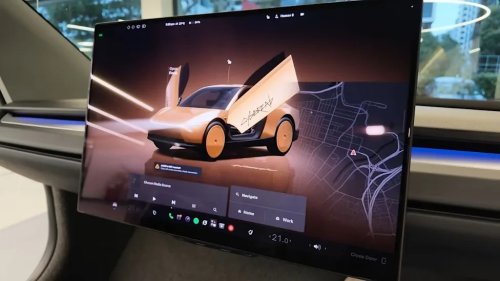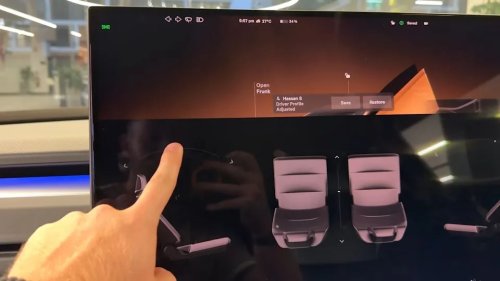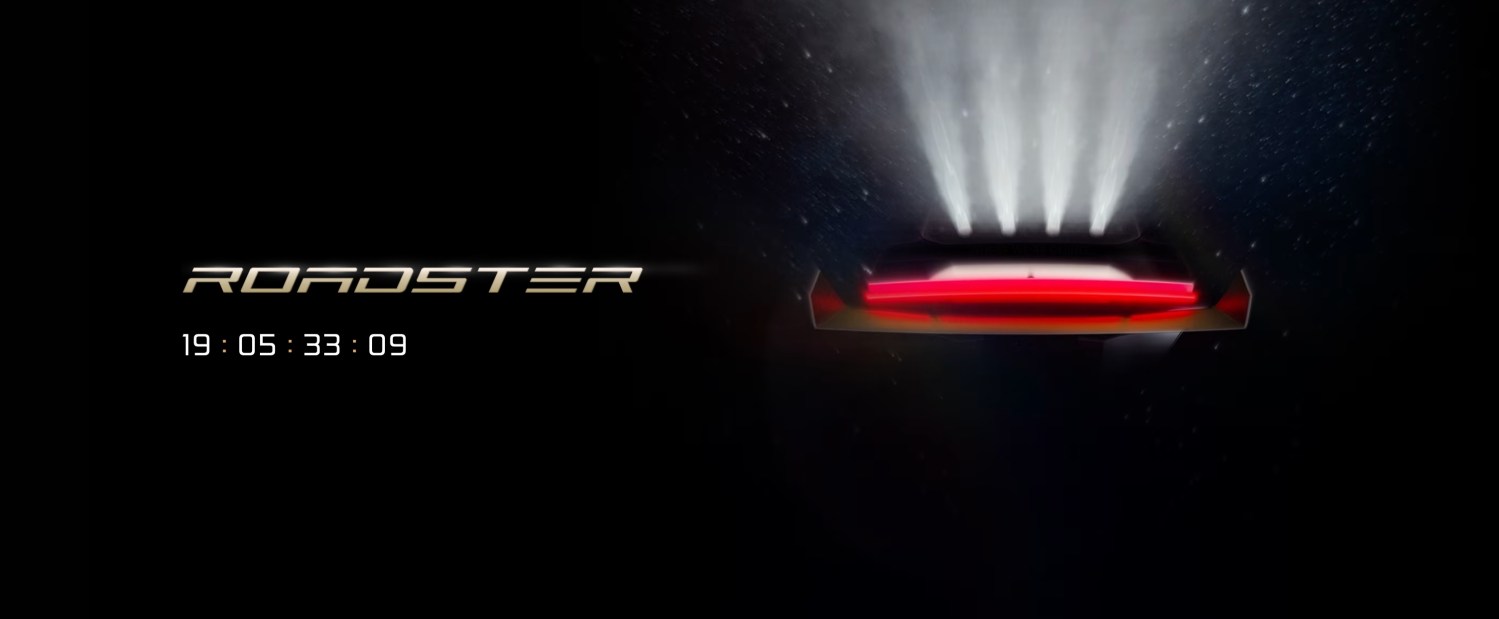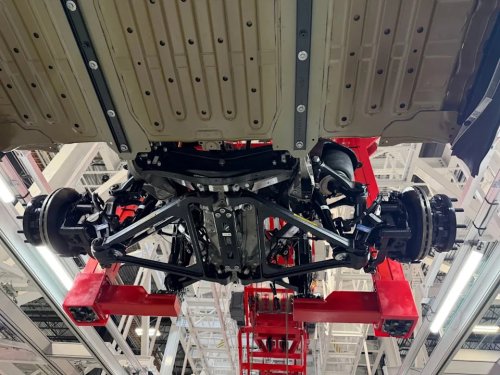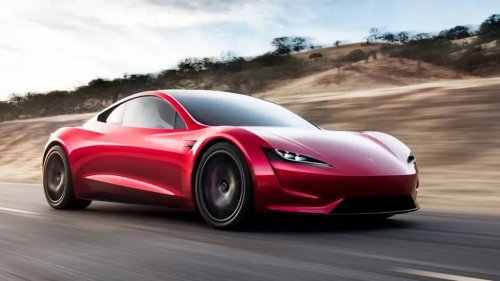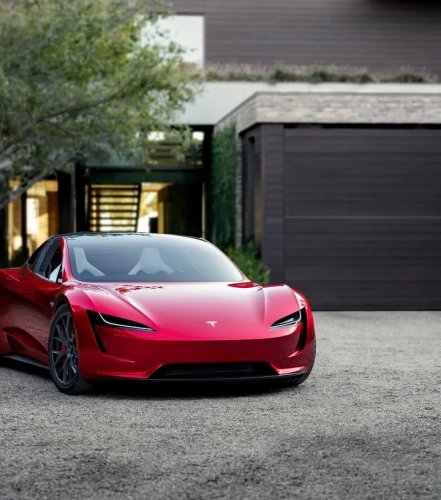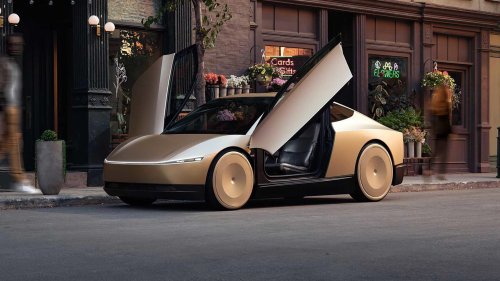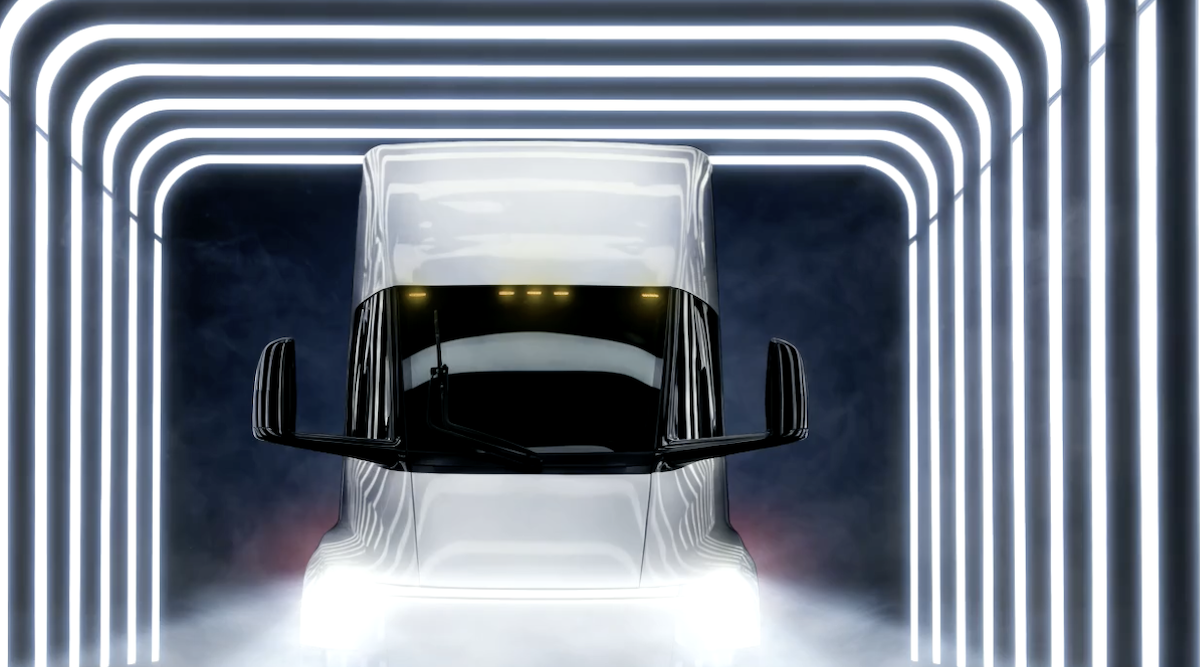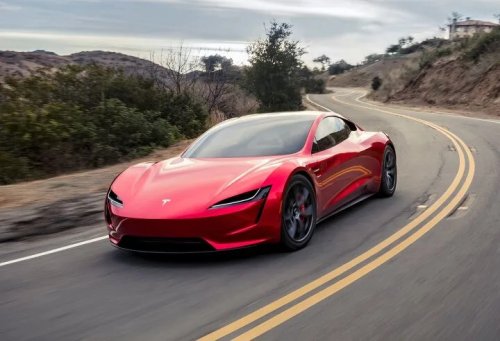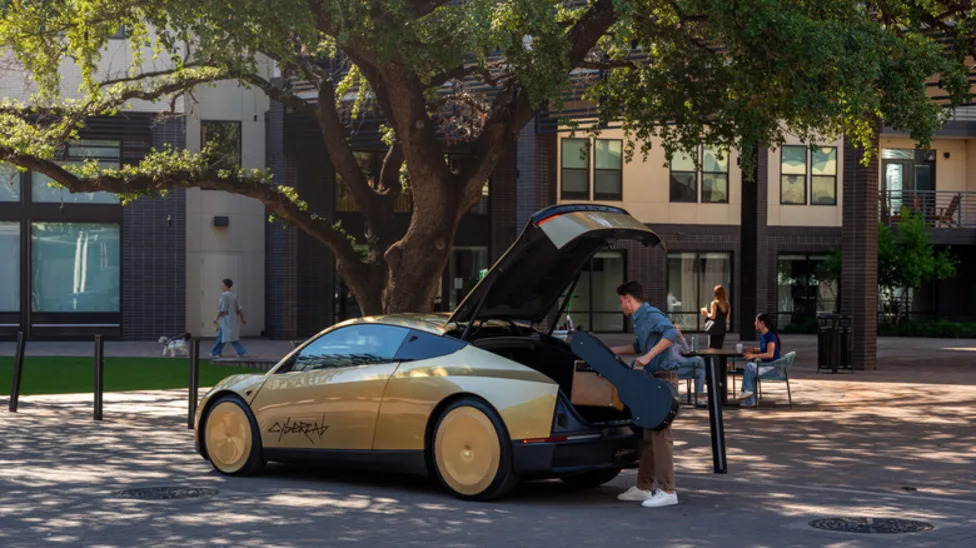
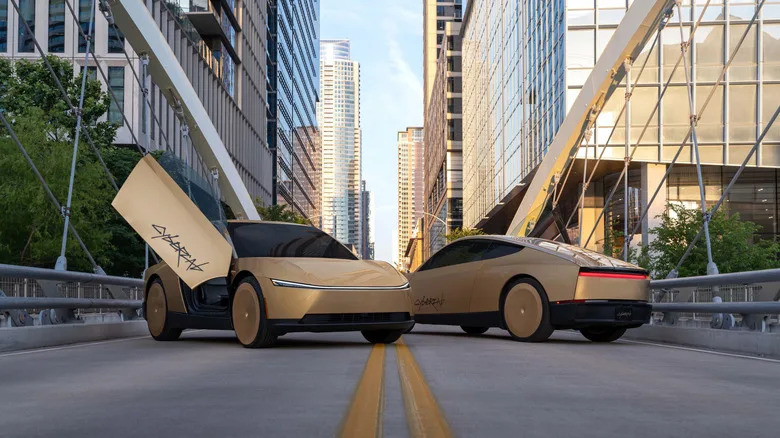
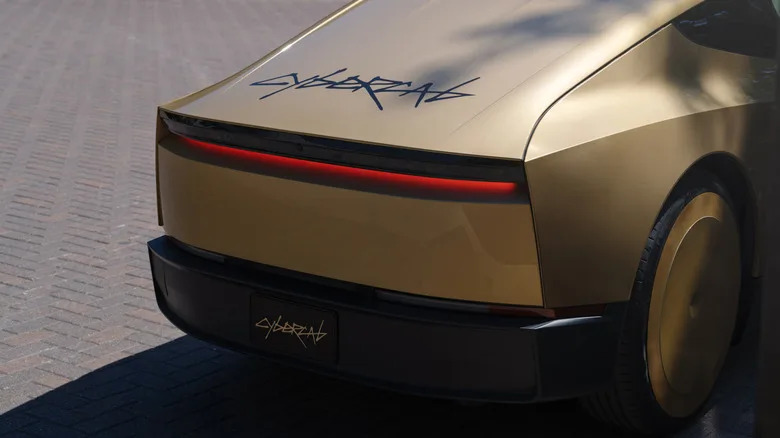


















TeslaTesla launched the Cybercab in Austin on Thursday, September 3, putting its first vehicle with no steering wheel or pedals in front of the public for the first time. The event was a modest affair, closer to an employee celebration with a short keynote than a full product unveiling. But the self-driving car is now part of the live Robotaxi service in Austin, which is what the company said would happen. It arrives as regulators look to relax rules written around brake pedal requirements and as Xpeng scales a rival robotaxi program in China.In October 2024, Tesla CEO Elon Musk said the Cybercab would probably reach production before 2027, at a price under $30,000. Tesla's record on dates is not good, and the second-generation Roadster has been pushed back at least eight times since its 2017 debut. The first Cybercab rolled off the line at Gigafactory Texas in February, but this is the first time it's been available for the public to use.Tesla is gauging interest through a contact form aimed at fleet purchasers, but an interest form is not the same as an order page. That being said, Tesla's compliance guide for the vehicle includes a quality control note that a Cybercab may show a few miles on the odometer at delivery. That makes it appear that Tesla is preparing to deliver vehicles to customers, and there are four months left in 2026, so the clock hasn't run out.AdvertisementAdvertisementPublic rides are Austin-only for now, which was the first city the Robotaxi service launched in. Tesla also removed safety monitors from some of its driverless Model Ys in Austin earlier this year. The Robotaxi service is now live across other locations, including Tampa, Orlando, Miami, Dallas, and Houston, though the Cybercab is not there yet.Read more: 9 Cool Gadgets Every Motorcycle Rider NeedsEverything we know about the Tesla CybercabTeslaAccording to Tesla's rider guide, the Cybercab is 55.4 inches tall and 69 inches wide, with 5.7 inches of ground clearance and a step-in height of 16.5 inches. Inside, there's 43.4 inches of legroom, 38.3 inches of headroom, and 50.1 inches of hip room for two passengers. The trunk holds 20.2 cubic feet (572 liters) and up to 220 pounds (100 kg), which Tesla says is the equivalent of two checked bags plus two carry-ons. It also has enough vertical clearance for an adult to stand in it while opened, and a release button inside in case someone ends up stuck in there.Unlike self-driving taxis from Waymo, Tesla's don't use LiDAR sensors. There are eight exterior cameras to power Tesla's vision-only Full Self-Driving (FSD) software, though it's unconfirmed which version of FSD the Cybercab runs. There's one camera above the front grille, one above the rear license plate, one in each door pillar, two near the top of the windshield, and one on each front fender. There's a ninth camera inside the cabin that checks between rides for mess and forgotten belongings, with a green indicator on the display showing when it's active.AdvertisementAdvertisementAbove the dome lights is an occupant-detection radar. It's how the vehicle detects empty seats, a rear- or forward-facing child seat, a booster, a child, or an adult, and enables or disables the front airbags accordingly. There are front, knee, seat-mounted side, inner seat-mounted side, and curtain airbags. Both doors have mechanical releases for emergencies or should the electrical system fail. In a crash, the car will automatically unlock the doors, turn on the hazards and cabin lights, disable the high-voltage battery, vent the windows, brake to a stop, and connect the car to Tesla Robotaxi Support automatically.What's going on underneath the CybercabTeslaThe Cybercab is built with an unboxed manufacturing process, using injection-molded body panels that don't require painting. Braking is done by wire, with individual actuators at each corner — so there's no brake fluid nor central master cylinder. Steering is by wire too, just like the Cybertruck. The battery uses 4,680 cells rated for 500,000 miles of DC fast charging. A battery pack label photographed at the event by Out of Spec notes the capacity as 255.2 volts by 146 amp-hours, or about 37.3 kWh. The car also debuts Tesla's Supermanifold V3 thermal system, which is 80% automated to produce and 38% more efficient to run than a typical automotive thermal system. Regulatory filings put the Cybercab's curb weight at 3,113 pounds with a 165 Wh per mile rating.There are no LATCH or ISOFIX child seat anchors, so child and booster seats have to be belted in. The seat backs recline independently, but the seats slide forward and backward together as one unit. There's also no seat heating or ventilation. These are all likely choices made to lower production costs and lifetime operating costs. The Cybercab does include a front light bar that changes color during pickup so the app can tell you which car is yours, USB-C charging for passengers, per-seat HVAC vent control, and the ability to log in to your media accounts to play music.Tesla has rolled out a purpose-built driverless car with no manual controls, carrying members of the public on public roads, starting in Austin. Whether you will be able to buy one for $30,000 before January remains to be seen.AdvertisementAdvertisementEnjoyed this article? Sign up to BGR's free newsletter and add us as a preferred search source or follow us on Google for the latest in tech and entertainment, plus tips and advice you'll actually use.Read the original article on BGR.