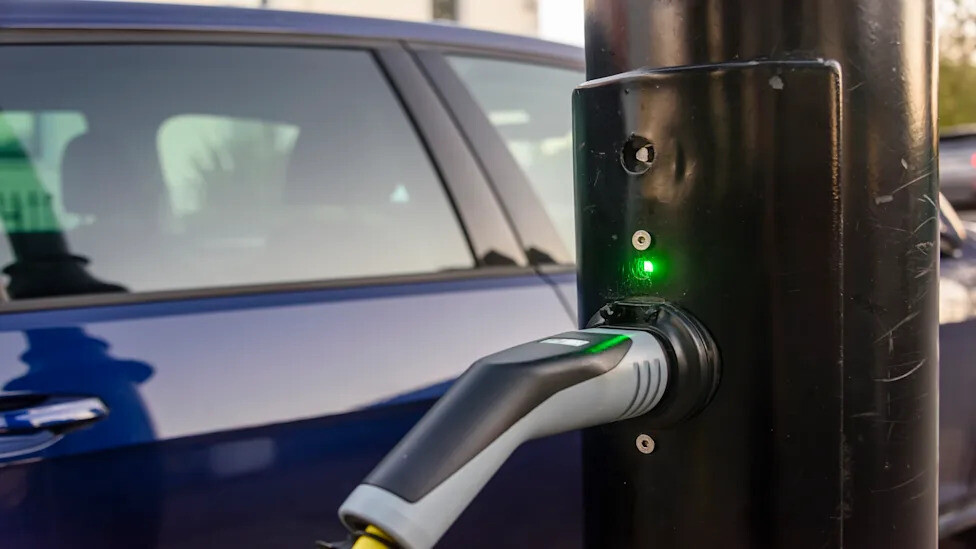
The charging points are intended for use by airport employees, operations staff, and visitors. They utilise Wallbox Pulsar Pro AC chargers, with the company’s Power Sharing technology distributing available electrical capacity across groups of charging points. This allows the site to make more efficient use of its grid connection rather than requiring every charger to draw its maximum power simultaneously. The network is also connected to Foresta’s charging infrastructure management platform, which supports centralised network management and payment processing.
EDP électrique coordinated the integration of the different systems and partners, with Foresta, electrical contractor EG Électrique and distributor Westburne also involved in the project. Wallbox has stated that the installation is designed for expansion as demand for EV charging grows; a further 48 charging points will be installed once a new building currently under construction at the airport is completed. However, the partners have not specified a completion date or disclosed the chargers’ individual power ratings.
“Transport hubs such as airports are an important part of the next phase of EV charging infrastructure, where scale, reliability and intelligent energy management become increasingly important,” said Ignasi Alastuey, Chief Business Officer at Wallbox. “Together with edp électrique and the broader project team, we are helping YHU build charging infrastructure that addresses current needs while providing the flexibility to continue expanding as EV adoption grows.”
In a similar project, Barcelona-based Wallbox has also supplied charging infrastructure for Munich Airport, where 275 charging points were installed in a car park in 2025. The site uses the company’s eM4 AC chargers with outputs of up to 22 kW, and is supported by rooftop solar installations with a combined capacity of 3 MW. The charging park forms part of the airport’s NetZero 2035 strategy.