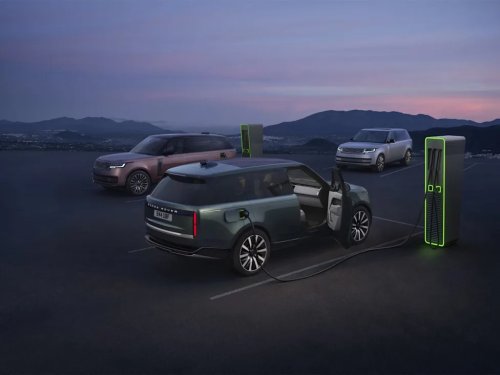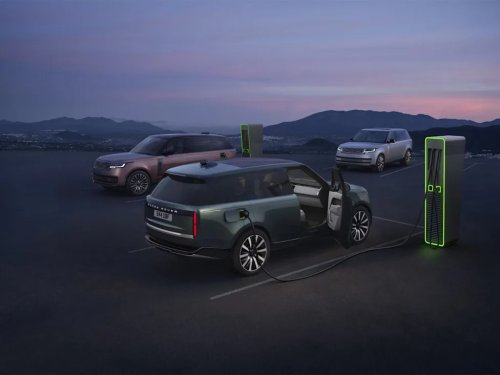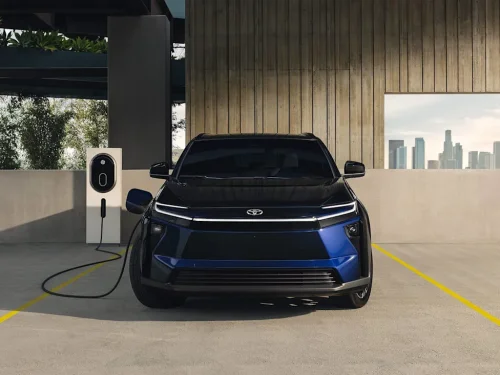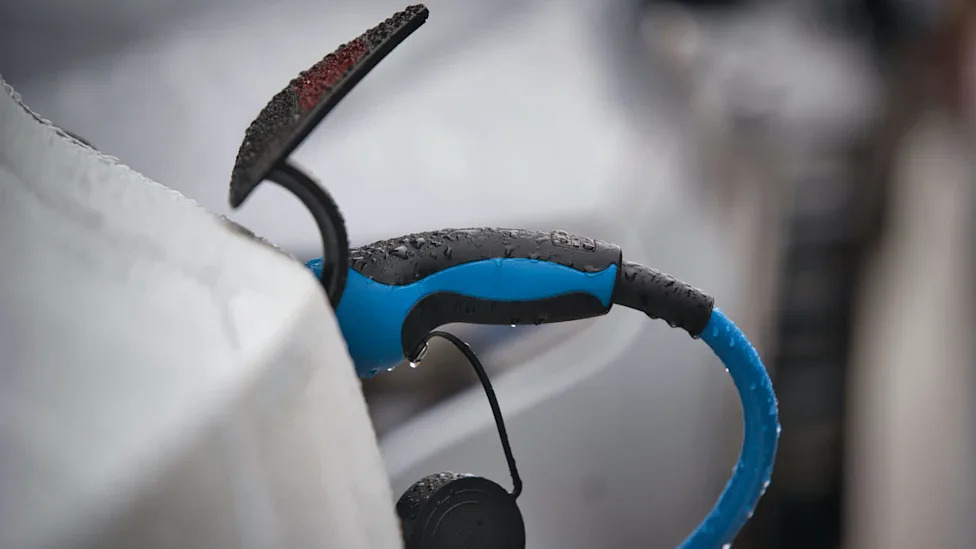



















Photo Credit: iStockStanding in the rain while holding a metal EV plug attached to a high-voltage cable might seem like a dangerous thing to do. However, EV plugs have been specially engineered to minimize any such safety risks. Each plug is designed to remain inactive until the car sends a digital signal to the charger that it is ready to accept the flow of electricity. Here's what to knowShayan_EV (@shayan_ev) described this process in a YouTube explainer.In the video, he explained why handling an EV charging cable in the rain is not as risky as it might sound. "When you pick up that plug, it isn't live," he said. "There's no power on the pins at all."The system accomplishes this by not running any power until the charger and the vehicle complete an electrical handshake that verifies the EV is connected and ready to accept power. While different regions have different standards, EVs and chargers around the world are equipped with similar safety protocols. In North America, the charging system keeps what is known as a "control pilot wire" at 12 volts when no vehicle is connected. Once the plug goes into the vehicle, the car pulls that signal down to 9 volts to indicate that it is present.The charger then sends a rapid pulse showing the available current, and the car drops the signal to 6 volts when it is ready. Only after that sequence does electricity start flowing, according to Shayan.He also detailed another protection layer: a charging-circuit-interrupting device that checks whether the current leaving the charger matches the current coming back. If some of that electricity leaks away, the device cuts power.In the comments, viewers expressed disbelief at the general public's lack of knowledge about EV charging. "Most people just think it's magic that makes the outlet work," one wrote. "Zero understanding of how it works."The issue may intrigue drivers considering buying an electric vehicle or installing a home charger. In practice, EVs can lower fuel costs, cut routine maintenance such as oil changes, and handle problems such as rain.More backgroundWhen it comes to water impacting EV chargers, rain is not a significant concern. However, physical damage and submersion could pose serious safety risks.If floodwater has submerged a station, plug, or port, it is best to avoid attempting to use the equipment.Similarly, when charging, EV drivers should check for physical damage including cracked connectors, crushed cables, or bad pins.If charging stops because of a fault, do not try to force it, as an automatic shutoff could mean something is not right. Moisture can cause a nuisance trip because the system is being cautious, and if that keeps happening at home, have an electrician inspect the charger."When in doubt, it stops," Shayan said. Charging an EV at home can cost less than using public chargers, though basic Level 1 charging tends to be slow. Qmerit provides free, instant installation estimates for faster Level 2 home charger installations.Where can I learn more?For drivers sorting out charging safety and setups, these stories fill in a few practical details.• At Allego stations, drivers can start charging without apps, cards, or buttons.• Homeowners have seen outlets melting when chargers used improper wiring and weak circuits.• A Level 2 setup can cut charging times dramatically compared with a wall outlet.• For many Tesla drivers, charging is so easy after the first attempt.• Researchers have built a revolutionary smart-charging system to shift demand away from peak hours.Get TCD's free newsletters for easy tips, smart advice, and a chance to earn $5,000 toward home upgrades. To see more stories like this one, change your Google preferences here.