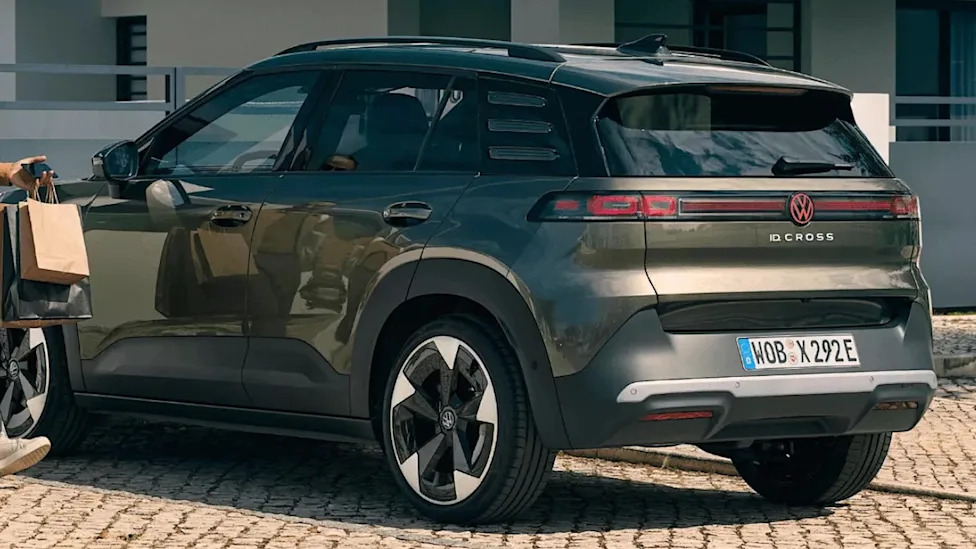
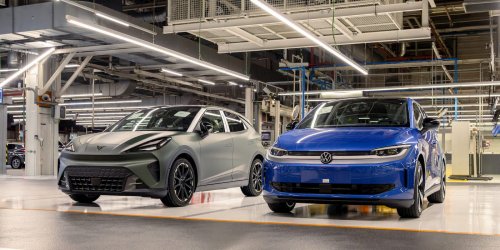
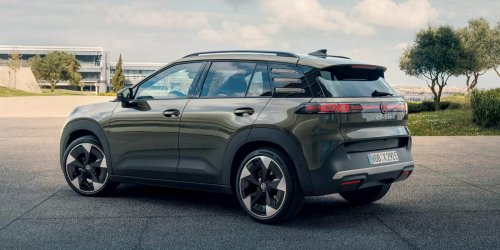
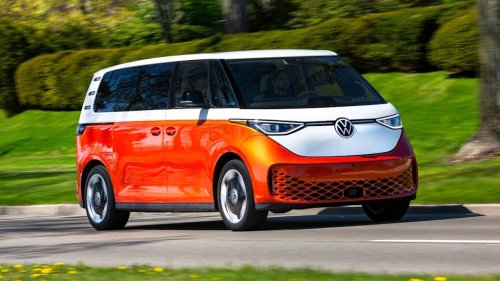
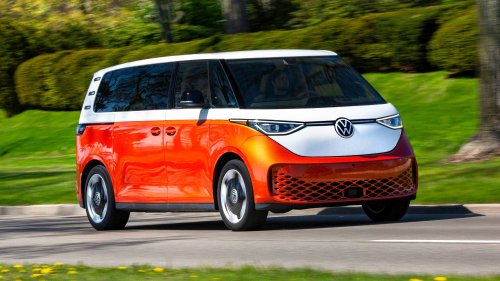
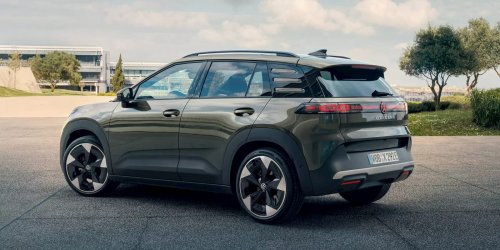
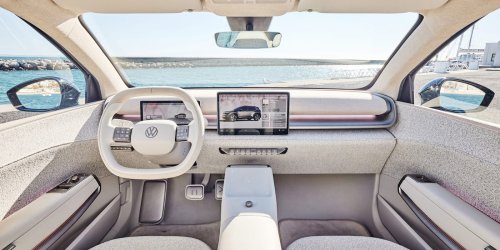
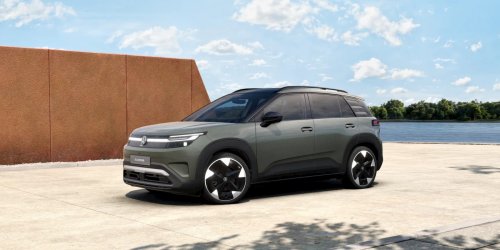
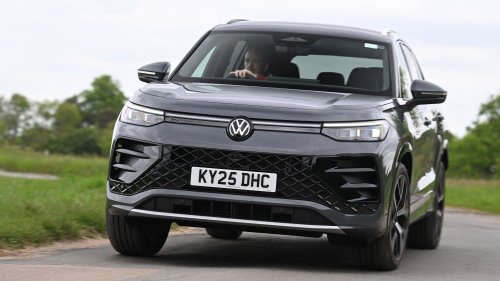
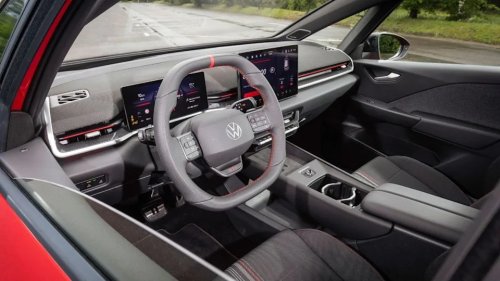
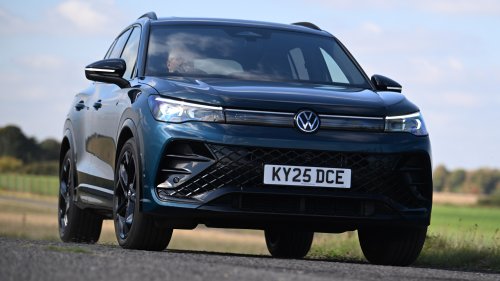
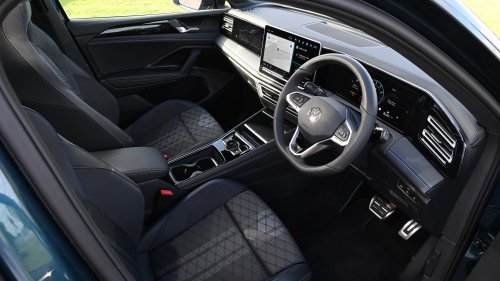
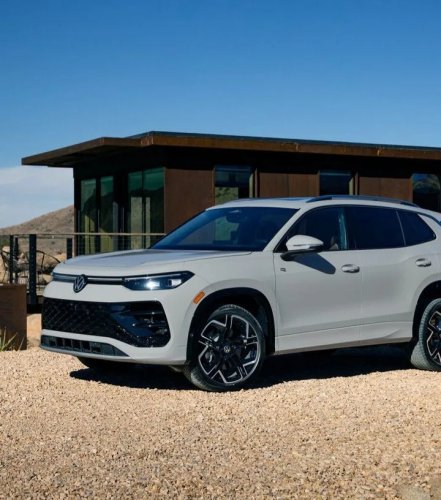
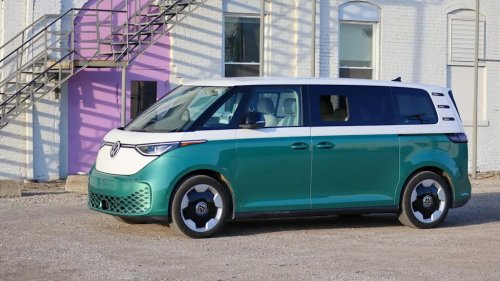
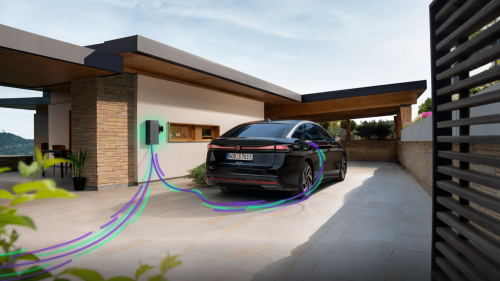
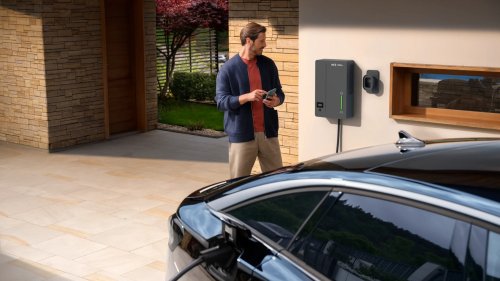
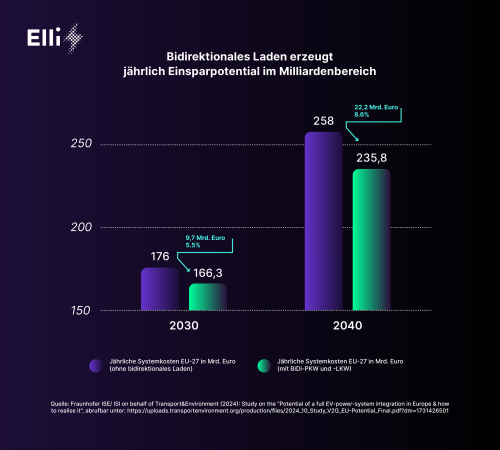
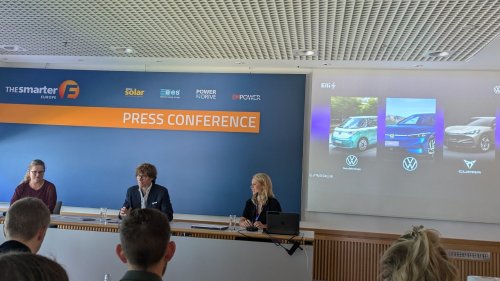
Last week, Volkswagen Group’s Elli launched its V2G service in Germany. Vehicle to Grid (V2G) means that an EV can charge off the grid and also feed energy back into the grid when needed. I had briefly mentioned the launch in key takeaways from InterSolar/Power2Drive, but it deserves a deeper exploration. The new service seems well thought through and developed. Not only did effort go into being user-friendly, but also in providing a direct benefit to customers. According to Elli CEO Giovanni Palazzo: We are observing a fundamental shift in the way we connect mobility and energy for the first time. On the car manufacturer side, for the first time in over 100 years, we are given something back to customers, which is an actual revenue proposition. And that revenue proposition is significant. Elli estimates that users could receive 720€ per year, which equates to roughly 15,500 km of driving. Those cost estimates are based on keeping the car plugged in 250 hours per month, which should be easily attainable for people who plug in at home or work. For commercial fleets that can leave vehicles plugged in for extended periods, the benefit could be even greater. Not only does the V2G service reduce total cost of ownership, but it also means that many European drivers with typically shorter commutes will be able to power their vehicles for free. At the press conference Volkswagen Group emphasized that they will offer a car to fit every customer, with energy innovation ensuring a smooth transition to electromobility and renewables. While the service is new, the announcement is the result of years of work, with the MEB platform cars being developed from the start to enable V2G bi-directional charging. The V2G service will be offered initially on the new ID. Tiguan, which has recently been seen in spy shots and will launch this year. The compact SUV/crossover is positioned at the sweet spot in the European market. Compared to some smaller models, the vehicle’s larger battery also provides more capacity for V2G usage. Vehicles with ID Software 6, which launches with the ID. Polo, will offer the capability across the board. In addition, vehicles with ID Software 3.5+ and battery capacity over 77 kWh will also be able to use the service. These vehicles were developed as part of a system coordinated with the grid. The product package includes an Elli BiDi (Bi-Directional) Charger, the Volkswagen Naturstrom V2G Flow tariff, and the Elli BiDi app that allows market access. The vehicle can be used at any time, and the app ensures the desired charge level is reached when the driver enters the car. Bi-directional charging happens within a 20-80% of battery capacity to protect the battery, and users can adjust their individual charging settings through the app or on the vehicle. Image credit: Elli However, this isn’t intended just for early adopters who are willing to constantly monitor electricity prices and personally manage their charging. It also works for the people who “don’t care about all this stuff.” Elli intends to make usage very easy for them. All they have to do is tell Elli when they intend to leave the house and what state of charge they want at that time. The system manages everything in the background without added complexity. However, for those who want to stay on top of exactly what is happening, their app provides detailed information. Elli wants to ensure the experience is easy for customers and that there is no risk. Due to the complexity of German regulations and the complexity of the German grid, between multiple TSOs and hundreds of DSOs, simplicity for the customer is no small task. Elli has been working on simplifying the experience for a while. Elli is launching its V2G service in Germany first, but it will roll out to England and France in 2027. The overall system is intended to be a one-stop shop, with the car, the charging and the V2G capability all working together. Elli is also working with The Mobility House to extend the reach of their V2G services. This is especially valuable for data aggregation, energy market integration and trading. Credit: Elli Balancing Grid Needs With Customer Needs On the day before the Elli press conference, I attended “Ready For Electrification: Preparing The Power Grid For EVs.” Petrouschka Werther, Director of the Dutch Ministry of Infrastructure and Water Management, explained how much of the grid demand associated with EV progress in the Netherlands could be solved by EVs themselves through vehicle-to-grid (V2G) and bi-directional charging. However, the key to the success of V2G comes from ensuring the cost/benefit to the customer reflects the needs of the grid. Elli echoed the need to combine the storage capability with customer benefit, as stated by Palazzo: The energy transition needs storage, and many of these are already in our customers’ garages. With Vehicle-to-Grid, we are making the electric car’s battery an active component of the energy system for the first time. Elli pools available battery capacities, connects them to the energy market, and transforms this into controllable flexibility in the form of a virtual power plant. This creates a networked energy ecosystem that combines customer and system benefits. Volkswagen has over a million MEB platform EVs on the road in Europe. That capacity can be aggregated into a virtual battery plant capable of trading energy at unprecedented volumes. By bundling together multiple vehicles, the benefit can be amplified. Elli calls it an MBN or Managed Battery Network. V2G can reduce annual European energy system costs up to €22 billion by 2040. In 2024 Germany curtailed 9.3 TWh hours of renewable electricity. That is roughly equivalent to the total annual electricity consumption of the nation of Estonia, and higher than the total electricity consumption of over 100 other countries. Enough energy being wasted to power 3 million EVs. Photo by Larry Evans Potential for Growth Being based in the US, with high electricity prices here in New York, I wondered if we might see the V2G service in the US. Up against the duck curve, I am sure many of our readers in California would also be interested. I asked Elli CEO Giovanni Palazzo, who is also the Chairman of Electrify America, if we might see the V2G service come stateside. He said that in most of the US, electricity prices are so low that the business case becomes more difficult. In addition, the density of VW EVs is lower in the US compared to Germany, and the service has yet to be expanded to partners like Ford, who also builds EVs on Volkswagen’s MEB platform. So, it may take a while for Elli’s V2G service to enter the US. Elli wants to first focus on getting Germany right but isn’t planning to stop there. However, power outages are more common in the US, making backup capability important. Another interesting question regarded V2G combined with home solar. While many customers could see substantial benefits, there were some regulatory issues that need to be figured out first before that can be incorporated into the service. Once the regulations are figured out, we could see an expansion of V2G applications with even greater benefits to many customers. While Elli mentioned having received outreach from several other OEMs, the service is currently sticking with VW AG brands in Germany. With 27% EV market share in Europe, that represents a lot of potential customers and a lot of potential capacity for the grid. It is enough scale to build a successful business. However, the service may open to other brands in the future, particularly those who partner with Volkswagen on EVs. Keeping the service to Volkswagen group vehicles to start also means greater control of the value chain. Customers have a “one-stop-shop” from the vehicle to the app to charging to payment. They can test and optimize through that greater control of the value chain. Because they know their cars, they also know what they are capable of delivering reliably. That helps to ensure that customers have a positive experience and makes it easier to respond to needs. Elli is focusing on educating sales channels on the proposition to customers, who will not only see the benefit of V2G, but also see greater benefits and lower total cost of ownership from purchasing their EVs. Elli is seeking ways to streamline, coordinate and simplify the experience. Beyond individual car buyers, they are also engaging fleet customers, who can offer significant scale. VW Elli. Image Credit Elli Automaker Evolution While Volkswagen Group has recently been in the news for rumored plans to shutter excess production capacity, their business is evolving. Taking a more holistic approach to energy and transportation can provide greater benefits to their customers. At the same time, it is benefiting the electrical grid and the environment. Not only is that more sustainable for the world around them, but it also creates a more sustainable business. Elli is clearly putting effort into getting it right, rather than just rushing to market. As the V2G business expands, the benefits expand. Every company evolves over time as customer needs and markets shift. With a shift to add services that provide value to their customers, Volkswagen Group’s business could evolve to look a bit different but increasingly sustainable moving forward.



















 +19 others