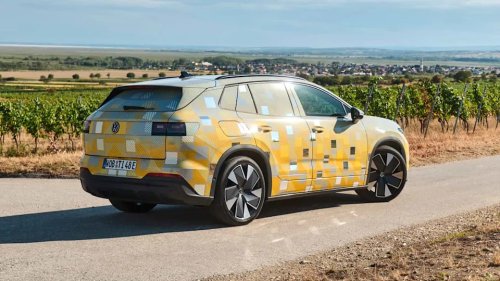
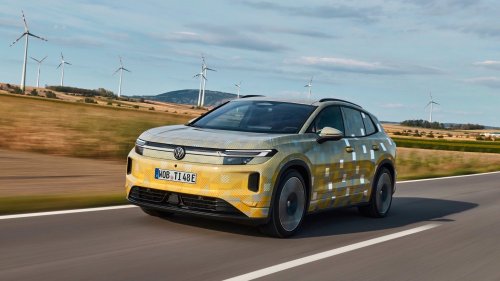
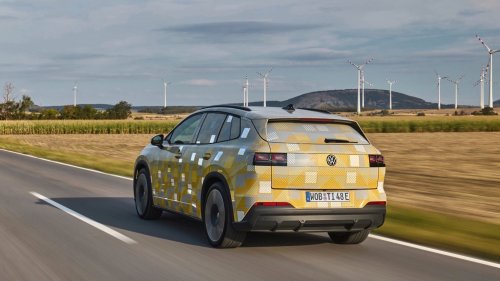
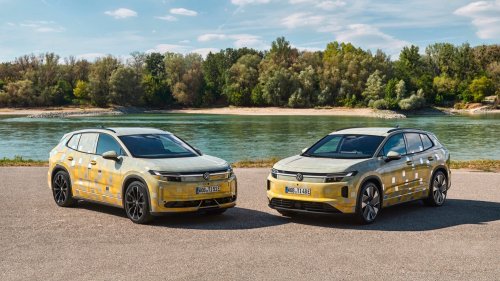
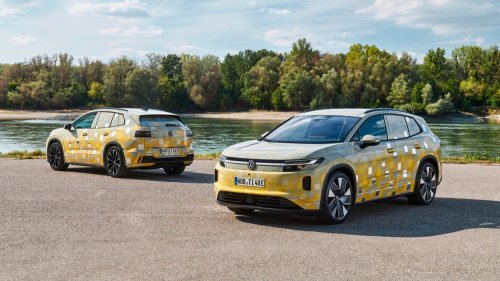
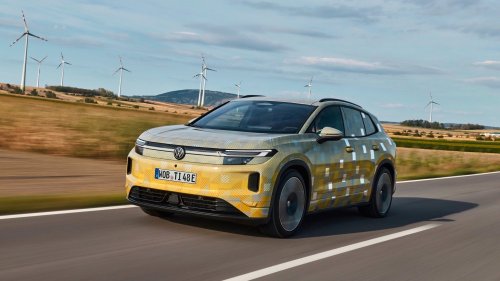
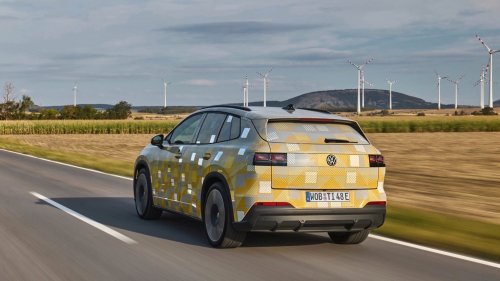
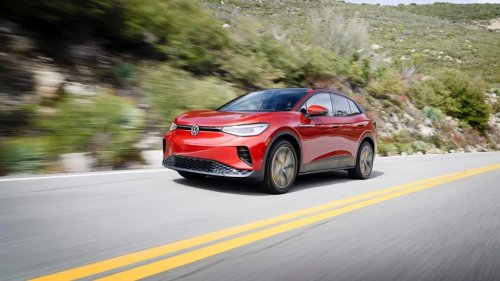
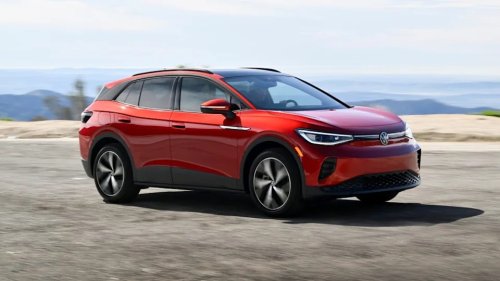
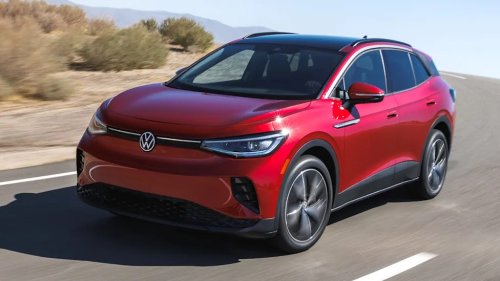
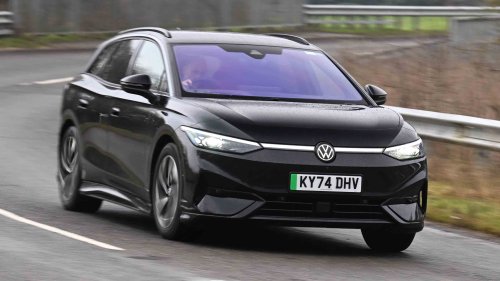
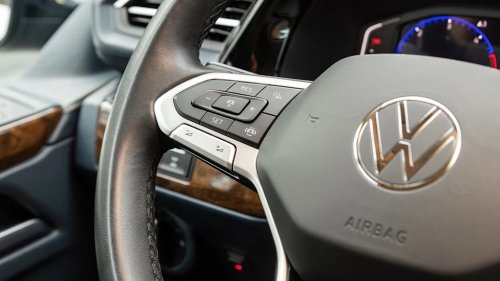
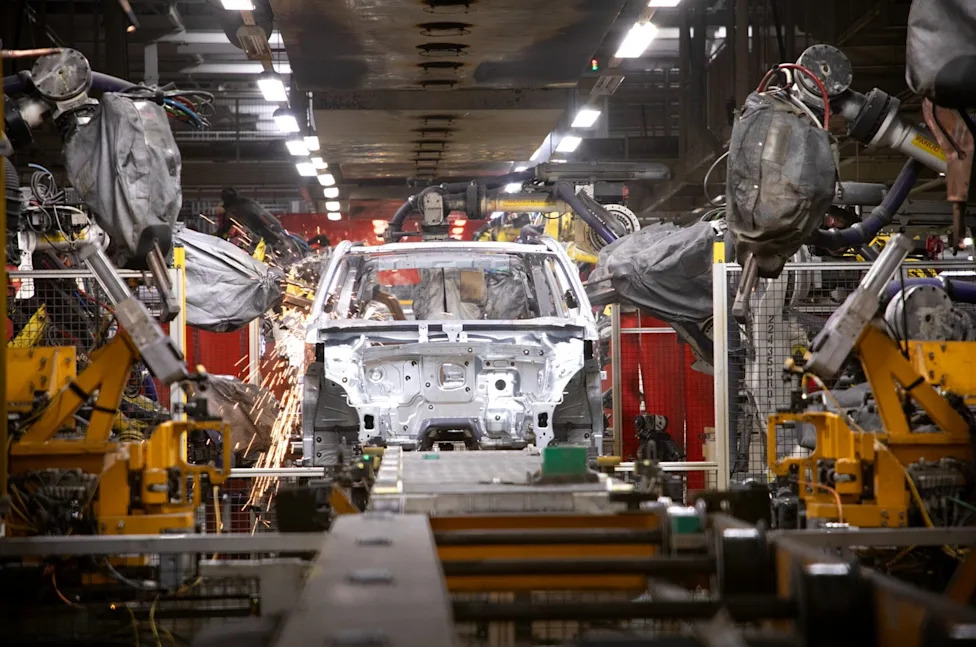
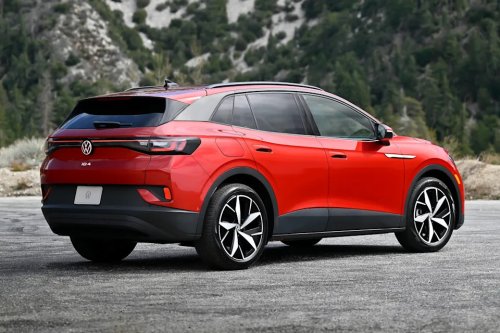
Image: VolkswagenVolkswagen CEO Oliver Blume is convinced that the company can only secure its long-term future through a comprehensive restructuring. Details of his plans were leaked two weeks ago: At the end of June, Manager Magazin reported that the executive board, led by Blume, is pursuing a far more radical restructuring strategy than previously known, citing a board presentation titled “Group Target Picture” for 2030. According to the report, the plans include the closure of four plants in Germany and the elimination of 100,000 jobs worldwide. Der Spiegel later reported that Blume plans to end production at the Zwickau and Emden plants by 2031. The Hanover plant is expected to follow in 2032, while the Audi plant in Neckarsulm is reportedly slated for closure in 2034.For now, the document remains an internal paper, and its contents are based on insider information. However, according to media reports, the ‘Group Target Picture’ was presented to the Supervisory Board last week. Handelsblatt now describes the meeting as a ‘setback in the supervisory board’, reporting that Blume failed to secure majority support in an initial vote on his future strategy. As no majority was reached, the newspaper says Volkswagen now faces a months-long power struggle. However, according to sources within the company cited by Handelsblatt, the CEO remains determined to push ahead with his restructuring plans. He reportedly intends to implement the strategy ‘in stages – if necessary, even against the resistance of employees and the state of Lower Saxony.’Meanwhile, Volkswagen’s Works Council has publicly criticised CEO Oliver Blume and, according to Manager Magazin, plans to use works meetings to pressure him into discussing his cost-cutting plans with employees. Blume had previously ignored a deadline set for Friday, under which he was required to address the workforce.Importantly, in a recent interview with Bild am Sonntag, the CEO indicated that his future strategy includes alternatives to plant closures. ‘There are smarter solutions than shutting down plants,’ Blume was quoted as saying. He added that the cost-saving measures already implemented at German production sites are delivering results: “We were able to reduce our factory costs in Germany by an average of 20 percent last year alone. A significant improvement.” However, Blume did not provide further details. It is conceivable that Volkswagen could, for example, bring in partners for the plants or repurpose them for other uses.The plants at risk include Volkswagen’s German factories in Hanover, Zwickau and Emden, as well as the Audi plant in Neckarsulm. This quartet of factories was already identified as problematic during a Supervisory Board meeting in April — ‘due to high costs’, as Manager Magazin recently reported. The Executive Board is reportedly in favour of phasing out production at all four sites, allowing only the current model generation to be built there. In total, around 40,000 employees work at these four locations, which together have an annual production capacity of approximately 750,000 vehicles.Zwickau and Emden are dedicated battery-electric vehicle production sites. The workforce in Zwickau manufactures the VW ID.3, VW ID.4 and VW ID.5, as well as the Cupra Born and Audi Q4 e-tron. The Emden plant produces the VW ID.4, VW ID.7 and VW ID.7 Tourer. In both locations, Volkswagen has already reduced production from two lines to one, with each now operating on two shifts, in order to address overcapacity.The Volkswagen plant in Hanover is the headquarters of VW Commercial Vehicles and produces the all-electric ID. Buzz and ID. Buzz Cargo models, as well as the T-Series (Multivan). The site also includes a battery assembly line. Meanwhile, the Audi plant in Neckarsulm primarily manufactures internal combustion engine and hybrid models. However, the Böllinger Höfe facility within the plant also produces the all-electric Audi e-tron GT. The Audi plant in Brussels was already closed in February 2025.handelsblatt.com, manager-magazin.de, heise.de (all in German)



















 +6 others



![Volkswagen, Volkswagen ID.4, Volkswagen ID.5, Volkswagen's best-seller is going electric in 2027 to replace the ID.4 and ID.5 [Images]](https://cdn.topcarnews.net/thumb/id/aHR0cHM6Ly9pMC53cC5jb20vZWxlY3Ry-ZWsuY28vd3AtY29udGVudC91cGxvYWRz-L3NpdGVzLzMvMjAyNi8wOS9Wb2xrc3dh-Z2VuLUlELVRpZ3Vhbi1JRC00LmpwZWc_-dz0xNTAwJmFtcDtxdWFsaXR5PTgyJmFt-cDtzdHJpcD1hbGwmYW1wO3NzbD0x/aed2aa2870791850c8e69c5fc3a0ed85.jpeg?t=20261006&post_id=66267)
![Volkswagen, Volkswagen ID.4, Volkswagen ID.5, Volkswagen's best-seller is going electric in 2027 to replace the ID.4 and ID.5 [Images]](https://cdn.topcarnews.net/thumb/id/aHR0cHM6Ly9lbGVjdHJlay5jby93cC1j-b250ZW50L3VwbG9hZHMvc2l0ZXMvMy8y-MDI2LzA5L1ZvbGtzd2FnZW4tSUQtVGln-dWFuLUlELTQtZnJvbnQtcXVhcnRlci5q-cGc_c3RyaXA9aW5mbyZhbXA7dz0xMDI0/97fb00cd3919b8d0dc36440715039e6e.jpg?t=20261006&post_id=66267)
![Volkswagen, Volkswagen ID.4, Volkswagen ID.5, Volkswagen's best-seller is going electric in 2027 to replace the ID.4 and ID.5 [Images]](https://cdn.topcarnews.net/thumb/id/aHR0cHM6Ly9lbGVjdHJlay5jby93cC1j-b250ZW50L3VwbG9hZHMvc2l0ZXMvMy8y-MDI2LzA5L1ZvbGtzd2FnZW4tSUQtVGln-dWFuLUlELTQtc2lkZS5qcGc_c3RyaXA9-aW5mbyZhbXA7dz0xMDI0/ed240b20e8275f3af4b904f46ebb5fb3.jpg?t=20261006&post_id=66267)
![Volkswagen, Volkswagen ID.4, Volkswagen ID.5, Volkswagen's best-seller is going electric in 2027 to replace the ID.4 and ID.5 [Images]](https://cdn.topcarnews.net/thumb/id/aHR0cHM6Ly9lbGVjdHJlay5jby93cC1j-b250ZW50L3VwbG9hZHMvc2l0ZXMvMy8y-MDI2LzA5L1ZvbGtzd2FnZW4tSUQtVGln-dWFuLUlELTQtcmVhci1xdWFydGVyLmpw-Zz9zdHJpcD1pbmZvJmFtcDt3PTEwMjQ/436c7979cf5b947053f7f0bf39ff94bc.jpg?t=20261006&post_id=66267)
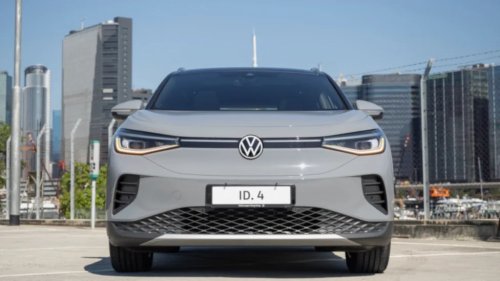
![Volkswagen, Volkswagen ID.4, Volkswagen ID.5, Volkswagen's best-seller is going electric in 2027 to replace the ID.4 and ID.5 [Images]](https://cdn.topcarnews.net/thumb/id/aHR0cHM6Ly9lbGVjdHJlay5jby93cC1j-b250ZW50L3VwbG9hZHMvc2l0ZXMvMy8y-MDI2LzA5L1ZvbGtzd2FnZW4tSUQtVGln-dWFuLUlELTQtZnJvbnQuanBnP3N0cmlw-PWluZm8mYW1wO3c9MTAyNA/ec2e4ca027ccbfb42942abe523f3acf7.jpg?t=20261006&post_id=66267)
![Volkswagen, Volkswagen ID.4, Volkswagen ID.5, Volkswagen's best-seller is going electric in 2027 to replace the ID.4 and ID.5 [Images]](https://cdn.topcarnews.net/thumb/id/aHR0cHM6Ly9lbGVjdHJlay5jby93cC1j-b250ZW50L3VwbG9hZHMvc2l0ZXMvMy8y-MDI2LzA5L1ZvbGtzd2FnZW4tSUQtVGln-dWFuLUlELTQtcmVhci5qcGc_c3RyaXA9-aW5mbyZhbXA7dz0xMDI0/668525889dc433b0fd0e166fd5bd8366.jpg?t=20261006&post_id=66267)