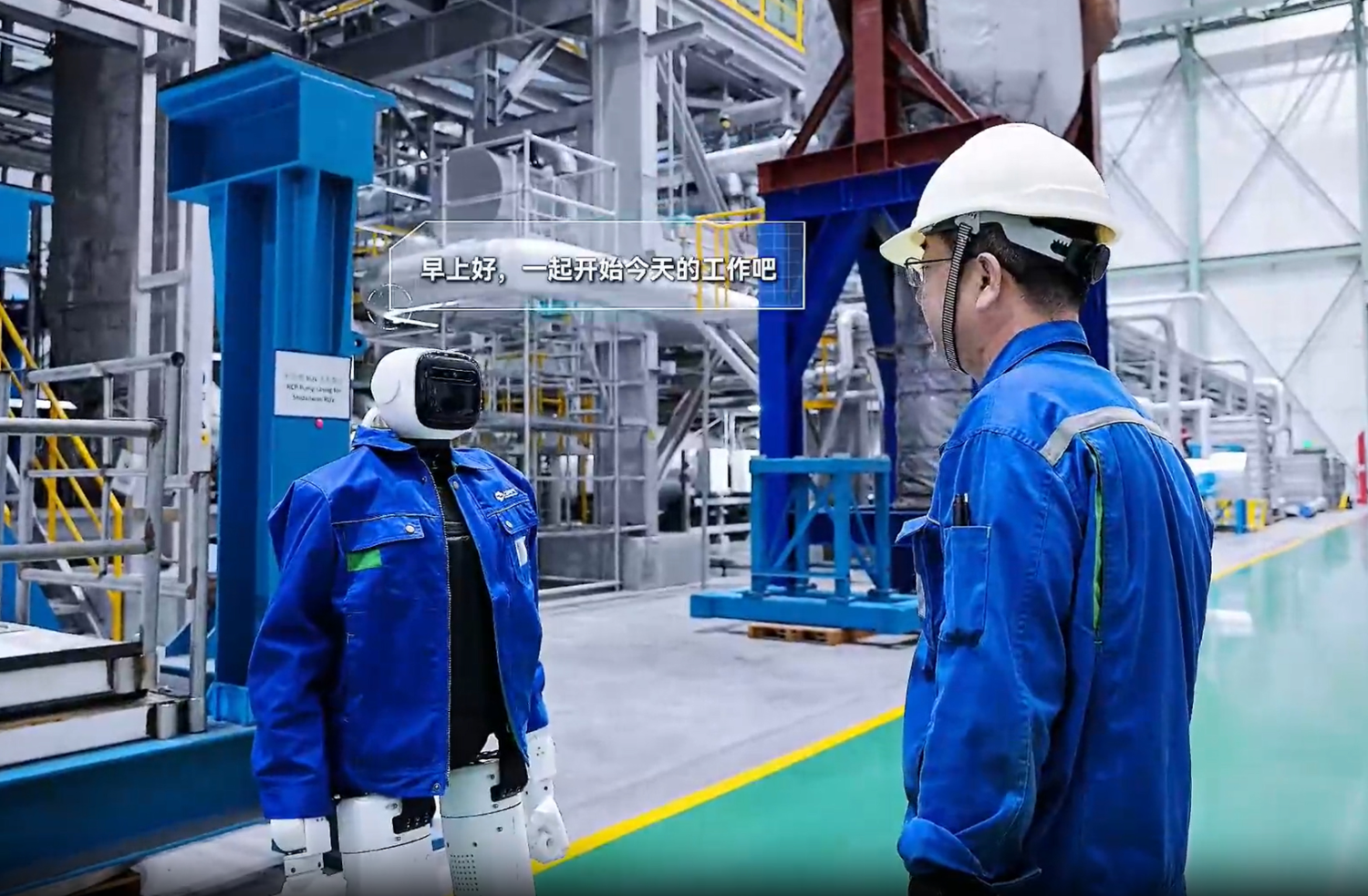
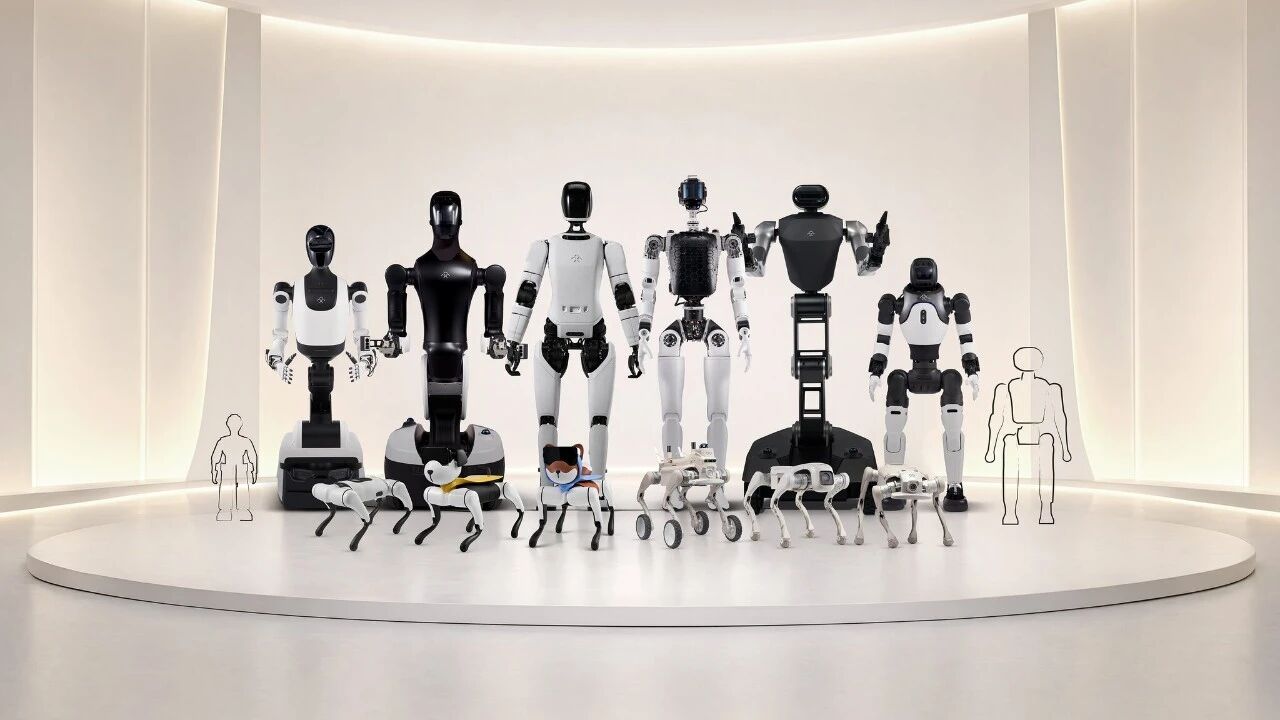
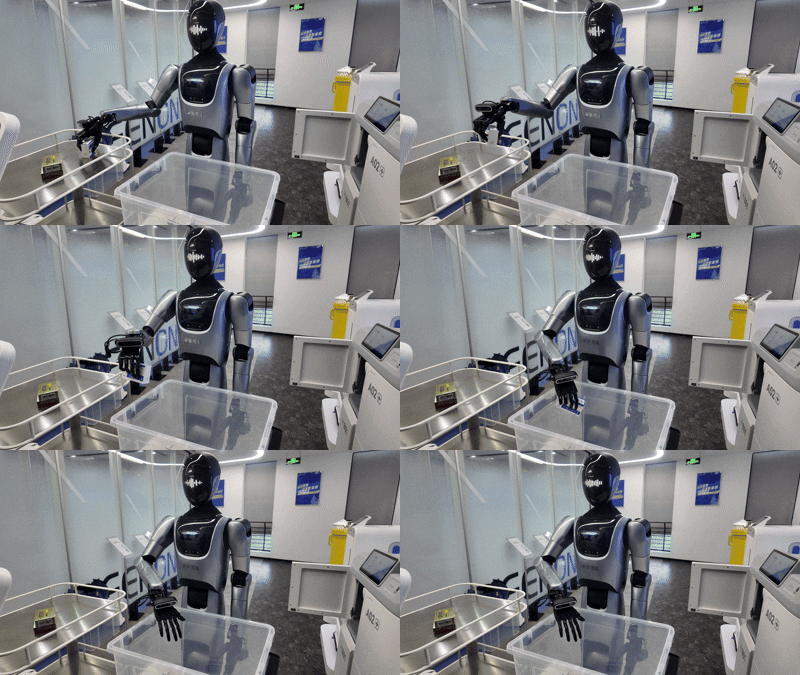
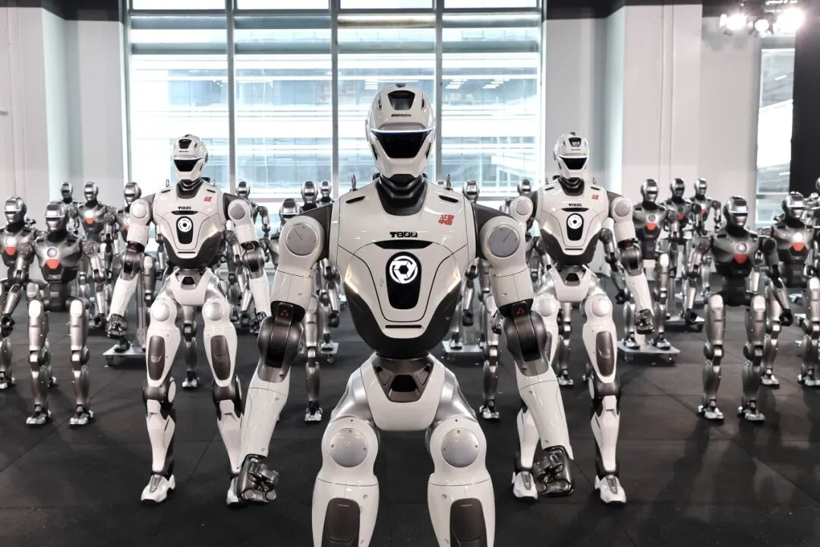
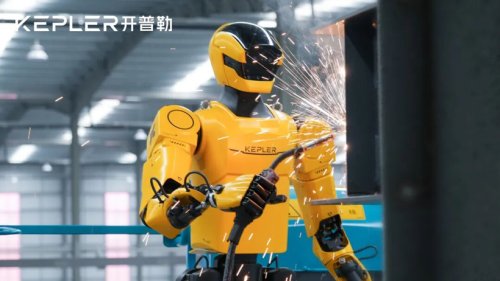
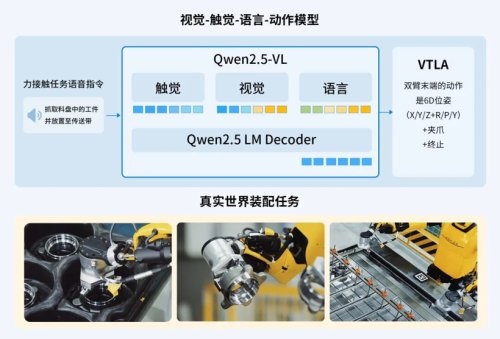
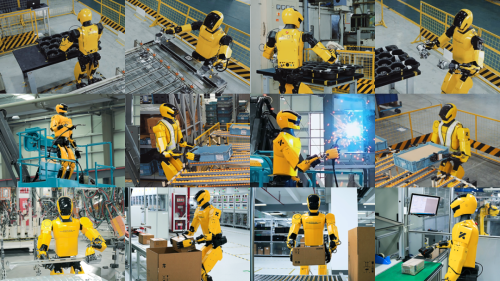
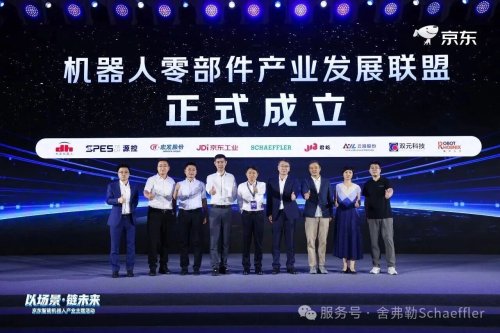
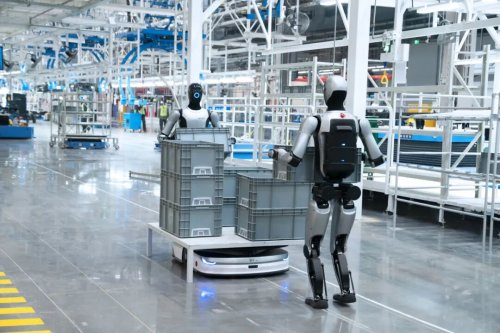
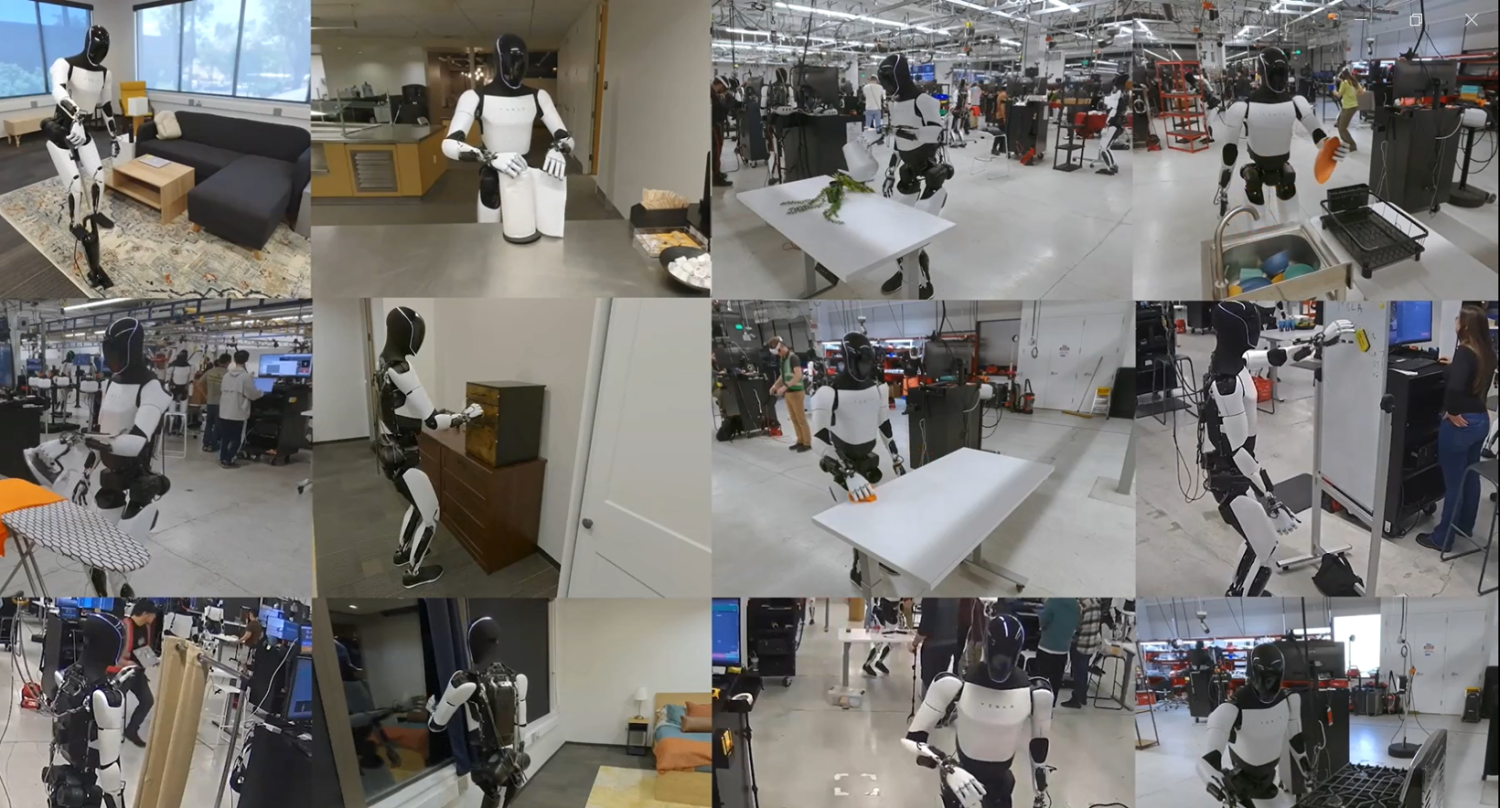
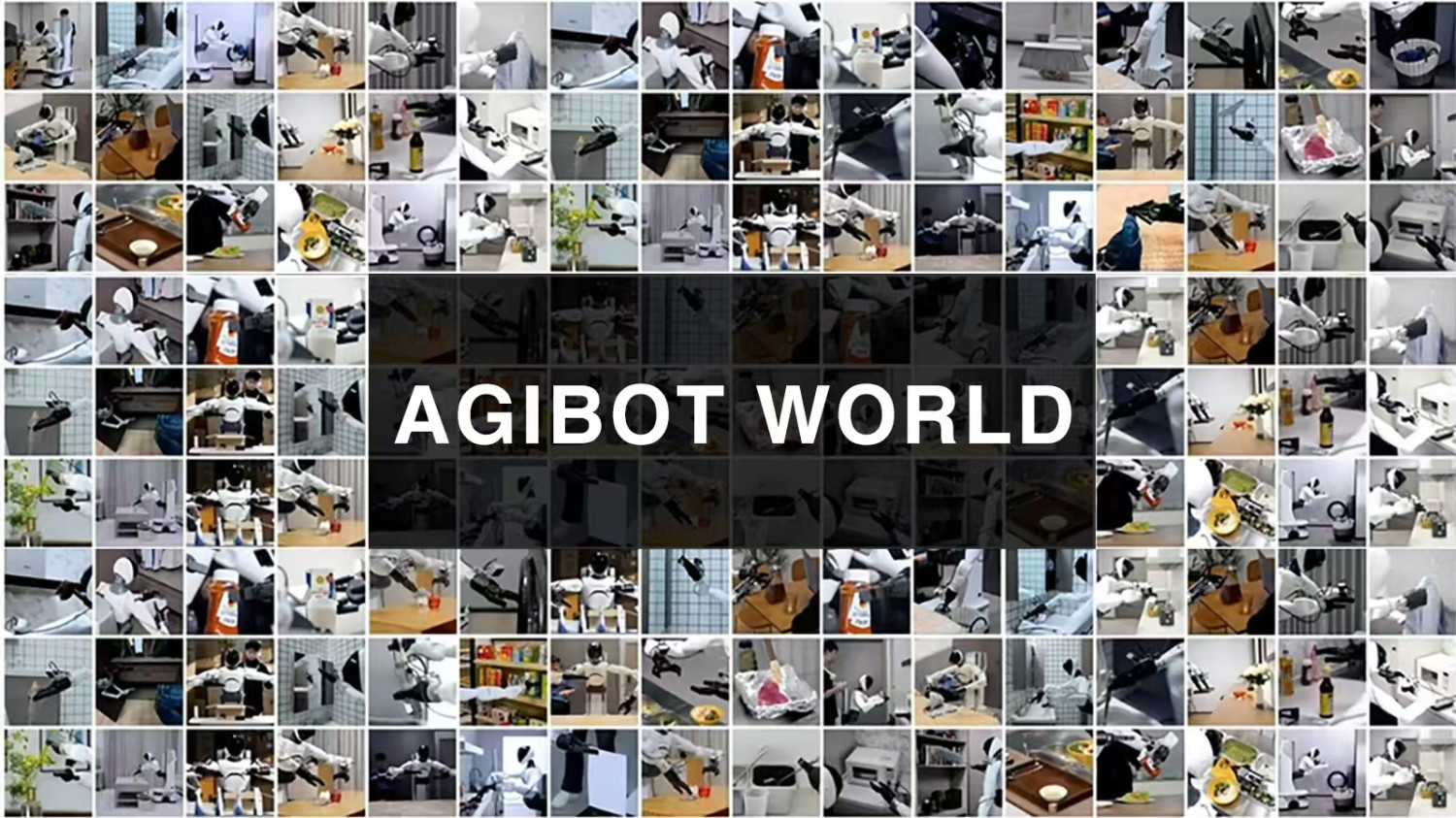
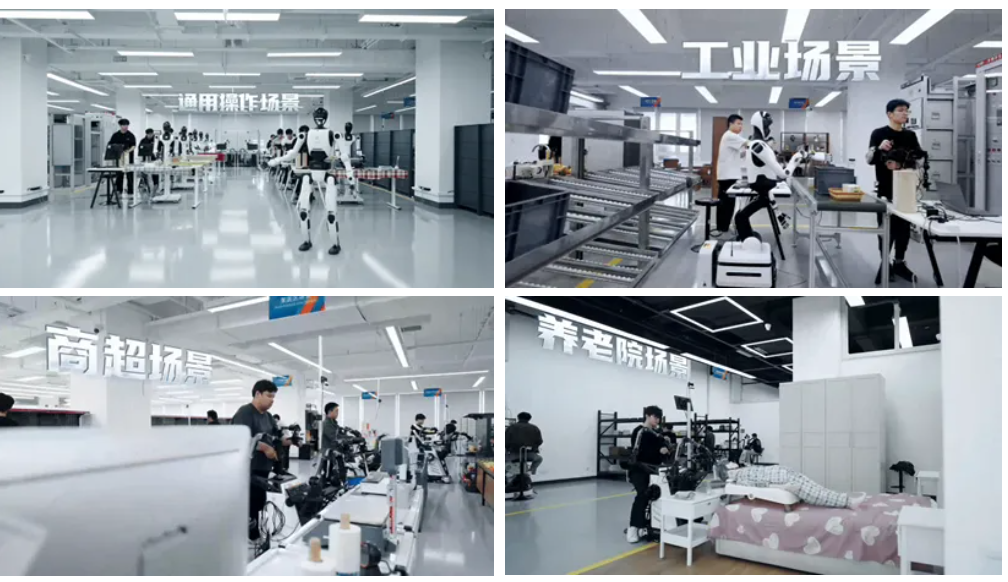
Gasgoo Munich- The Ministry of Industry and Information Technology and the State-owned Assets Supervision and Administration Commission have jointly issued a notice, officially launching a special 2026 campaign for real-world training of humanoid robots and embodied intelligence.Under the action plan, the goal is to achieve application verification and routine deployment of key embodied intelligence products—such as humanoid robots—in a range of representative scenarios by the end of 2026. The initiative aims to condense these into more than 100 high-value application scenarios, driving the capacity for deployment on a scale of 10,000 units.Humanoid robots and embodied intelligence are currently at a critical juncture, moving from laboratories into real-world settings and shifting from demonstration verification to routine operations. Yet, the industry as a whole still faces significant shortcomings in model algorithms, hardware performance, scenario adaptation, and the accumulation of real-world machine data.Real-world training is widely considered the critical lever for breaking through these bottlenecks.Consequently, this joint move by the two ministries amounts to a national mobilization aimed squarely at the "last mile" of industrialization.Why the urgency?The race in the global embodied robotics industry is quietly shifting into a new phase.Image Source: Tesla OptimusAcross the Pacific, Tesla is on the verge of mass-producing the Optimus V3. It is set to debut and enter production in late July, with the first-generation production line designed for an annual capacity of 1 million units.Figure AI's Figure 02 entered BMW factories for real-world testing as early as 2024. More recently, the Figure 03 was livestreamed sorting packages. Three of these robots worked continuously for 200 hours, processing roughly 249,600 packages—averaging nearly 21 parcels per minute, approaching the human pace of 30 to 40 parcels per minute.Meanwhile, Japan and South Korea are also making aggressive moves in sectors like elderly care and disaster relief.It is clear that in the field of humanoid robotics, the fascination has shifted from robots performing backflips or balancing on one leg in a lab. The metric for success has changed: whoever can first operate stably on real production lines and generate tangible value in service scenarios will seize the commanding heights of industrialization.While China has undoubtedly joined the global first tier in technological R&D and scenario deployment, this does not equate to true commercial success. Unless the "bottlenecks" in large-scale industrialization are cleared quickly, early-mover advantages risk being overtaken in the subsequent, much larger market competition.At this stage, humanoid robots face practical challenges: high deployment costs, unclear returns, and widespread hesitation among users. Many robots move fluidly in the lab, yet their success rates plummet on real production lines where lighting shifts, floors are uneven, and interference is frequent.The most hidden—and fatal—link in this chain is the scarcity of high-quality, real-world machine data.High-quality real-world data is to embodied robots what high-quality text data is to large language models; it is widely recognized in the industry as the "oil" of the embodied intelligence era.However, unlike large language models, which can "consume" the vast ocean of text, images, and video across the internet as fuel for continuous evolution, embodied intelligent robots require higher-dimensional "embodied data"—complete records of interactions within the real physical world.Image Source: AgiBotSuch data cannot be batch-downloaded directly from the internet. It must be acquired through extensive "trial and error" and practice by robots in real environments, recording force sensation, vision, touch, and movement trajectories frame by frame as they execute tasks in the physical world.The reality, however, is harsh. The volume of real-world machine data currently available in the industry falls short of what is needed for true generalization by at least two orders of magnitude. Bridging a gap of this magnitude is neither economically viable nor realistic for individual companies collecting data on their own.This precisely explains the core objective of this special campaign: to use national coordination and real-world scenario training to generate and consolidate high-quality real-world data on a massive, standardized scale. The aim is to ignite the first spark of the "data flywheel," thereby continuously optimizing embodied intelligence model algorithms, improving key hardware component performance, and driving humanoid robots to make the leap from "functional" to "truly useful."From "Sparks" to a "Prairie Fire"In fact, prior to this, there were already numerous domestic "training grounds" for embodied robots. These sites accumulated valuable practical experience for the industry's early development and cultivated a batch of innovative players exploring specialized niches.Yet, a fact that cannot be ignored is that these early training grounds varied in scale and lacked unified standards—particularly in data collection. Vast amounts of fragmented data remain incompatible and unusable across different platforms. This fragmented state of operations has prevented the entire industry from achieving true economies of scale.The 2026 special campaign jointly launched by the Ministry of Industry and Information Technology and the SASAC represents a systematic upgrade built on this foundation, promising to drive a qualitative transformation of the industry across multiple dimensions.First is a qualitative shift in the construction model—moving from "disparate efforts" to "national coordination."Previously, the construction of embodied robot training grounds involved diverse players and repetitive scenarios, inevitably leading to low-level internal competition. This campaign, jointly led by the two ministries, mandates unified deployment across 10 key provinces and cities as well as central state-owned enterprises. The first batch of real-world scenario units is opening now, with the goal of establishing a momentum by year-end where "verifying one leads to deploying a batch, which in turn drives an entire sector."This intensification brings not only the efficient allocation of resources but also a hard constraint on redundant construction and herd-mentality competition.Image Source: "Beijing Release" WeChat accountSecond is a qualitative shift in the data model—moving from "data silos" to a "data powerhouse."The special campaign explicitly proposes establishing high-quality, high-fidelity datasets and promoting their steady and orderly sharing—provided data security, privacy protection, and trade secrets are safeguarded. This means that fragmented data previously scattered across companies and incompatible with one another can now be aggregated according to specific data formats, annotation standards, and security protocols.The significance of this is no less than constructing an "ImageNet"-level dataset for large language models. Once data can flow across different entities and scenarios, small and medium-sized robotics enterprises can also "stand on the shoulders of giants" to develop applications, potentially increasing the iteration speed of the entire industry exponentially.Finally, and most decisively, is the qualitative shift in the verification model—moving from "bonsai-style demonstrations" to "large-scale deployment."Previous training grounds often focused on executing impressive, isolated movements in controlled environments—essentially remaining demonstrations. The special campaign, however, requires humanoid and quadruped robots addressing needs in key scenarios—spanning industrial, service, and specialized sectors such as manufacturing, inspection, maintenance, logistics, retail, healthcare, safety production, emergency rescue, and disaster relief—to enter actual production lines, service stations, and emergency response sites. There, they must undergo the rigorous test of high-intensity, routine operations.Whether at screw-tightening stations in automobile factories, assisting with transfers in nursing homes, or inspecting hazardous power lines, robots must complete tasks with the rhythm and quality of human workers. It is precisely every problem exposed during this "live combat" that can force the technology to truly mature.It is worth noting that the special campaign has also designed a clever institutional mechanism: the "Innovation Application Consortium." This involves four-party coordination between "scenario users, complete machine manufacturers, the supply chain, and research institutes."This mechanism directly breaks down the barrier where "suppliers don't understand demand, and demand doesn't understand technology." User units identify real pain points, manufacturers handle adaptation, the supply chain provides reliable components, and research institutes tackle core algorithms. The four parties are deeply bound to the same scenario, sharing risks and rewards alike.It is easy to foresee that as the closed loop of "real-world training, data accumulation, product iteration, large-scale application, and re-optimization" is gradually connected, the deployment of 10,000+ domestic humanoid robots in key industries will take a giant stride from vision to reality.From scattered "sparks" to a "national team" campaign that spreads like a prairie fire, China's embodied intelligence industry is poised for a critical leap—from "being able to move" to "being able to work."



















 +74 others