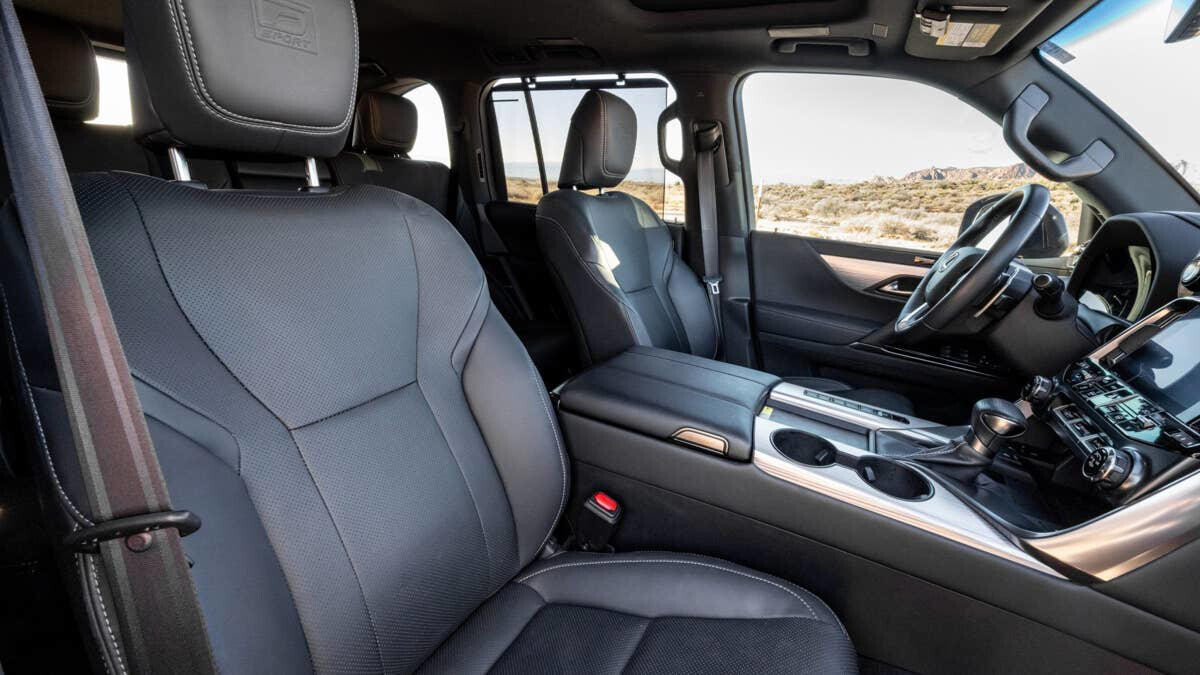
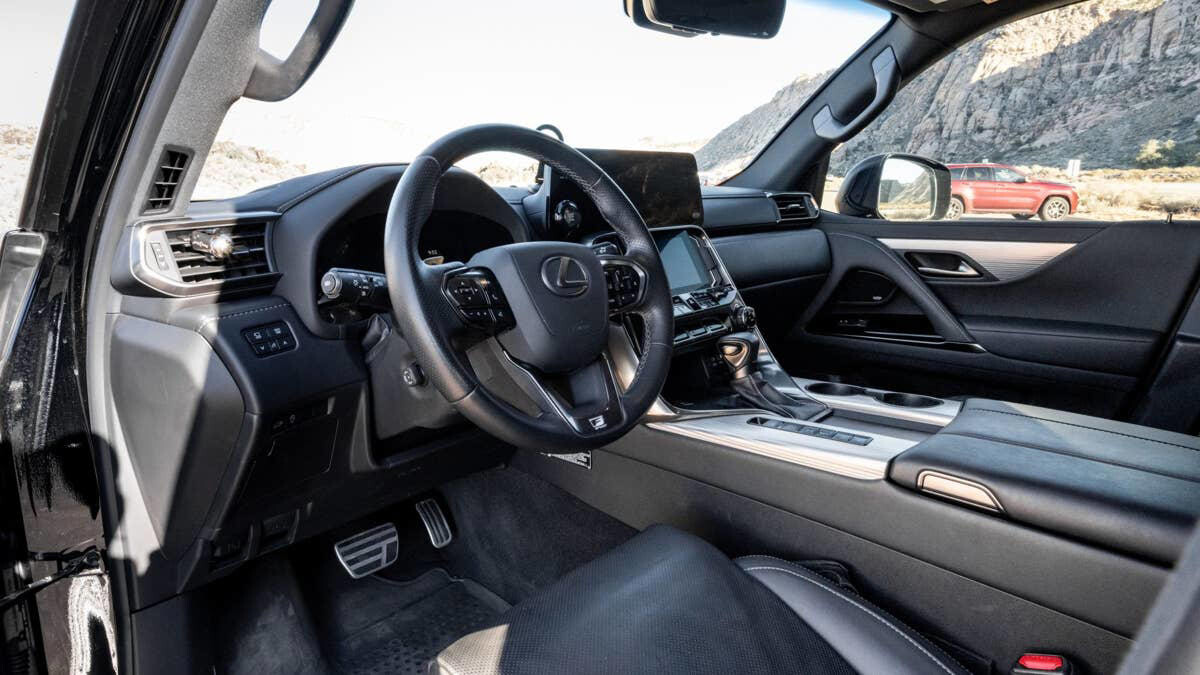
An airbag is supposed to protect occupants during a collision, not create another potentially deadly hazard inside the vehicle. Yet Toyota has announced a Canadian safety recall affecting approximately 8,646 Toyota and Lexus vehicles because certain front passenger airbags could rupture during deployment, sending metal fragments into the cabin at high speed.
Announced on November 13, 2026, the recall involves airbags manufactured by Takata, the supplier at the centre of one of the automotive industry’s largest safety crises. The affected vehicles span multiple model years, including some more than two decades old. Toyota has confirmed that repairs will be free, with owners scheduled to receive notifications by January 11, 2027.
Six Toyota and Lexus Model Groups Are Affected
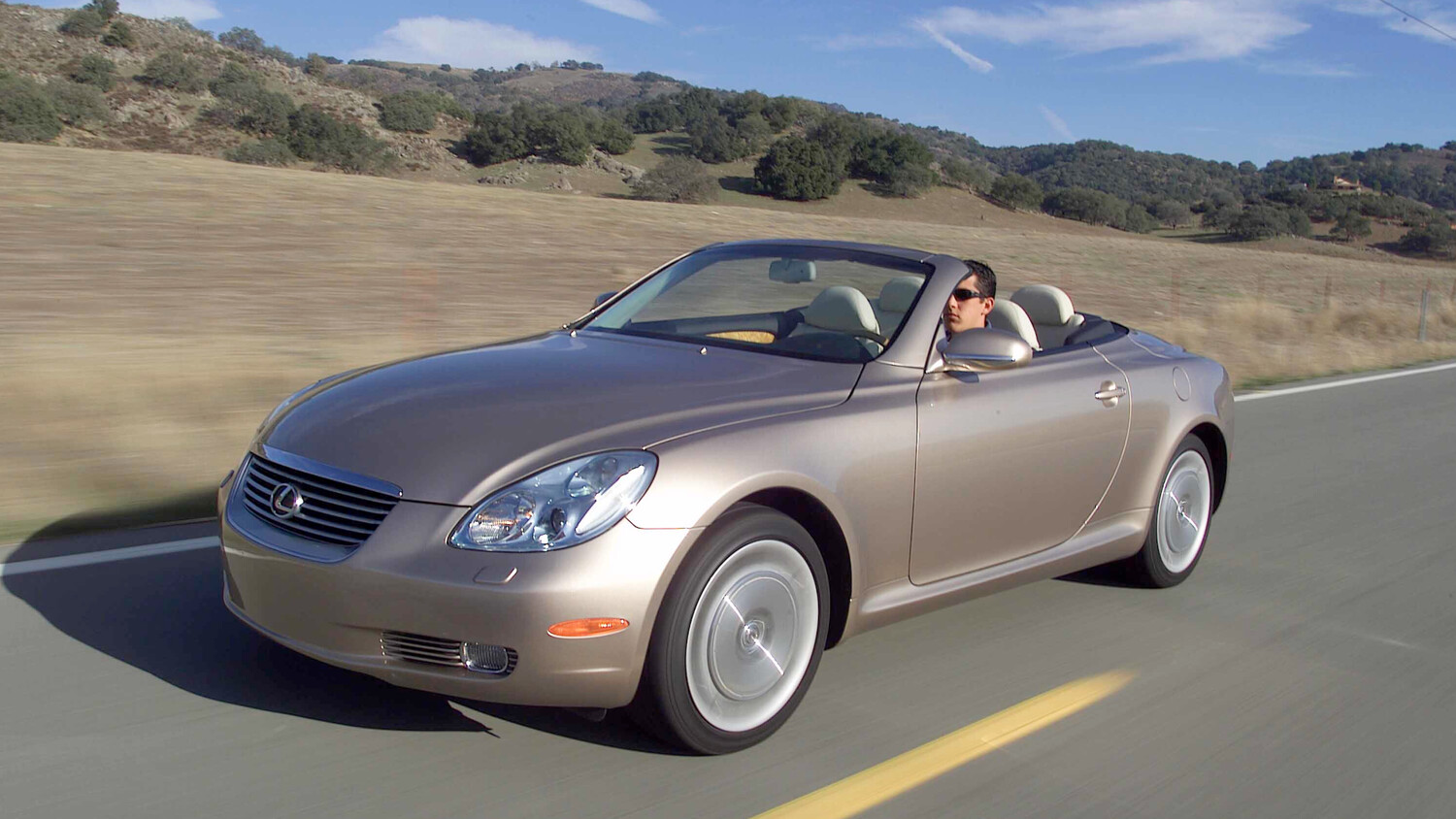
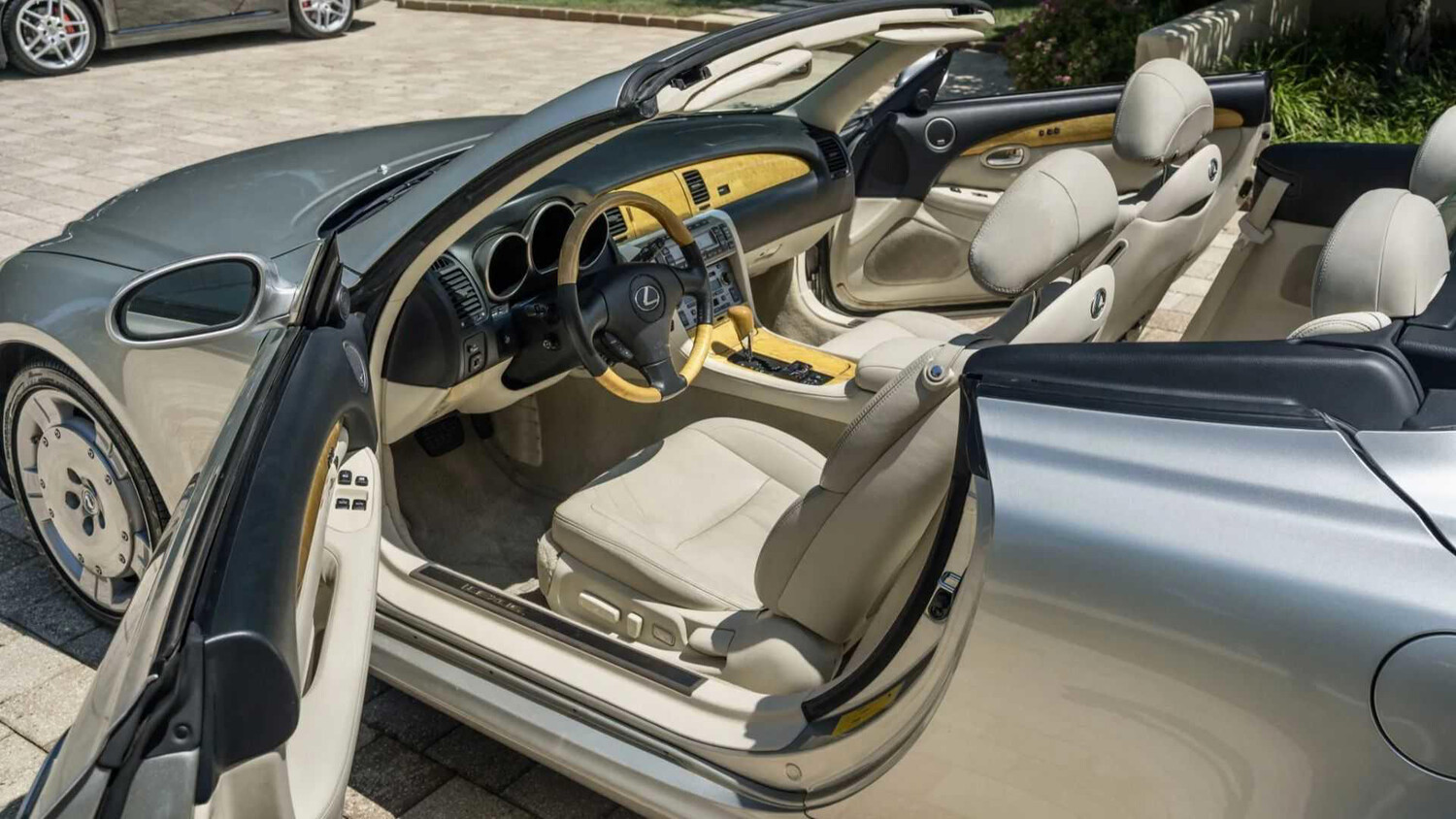
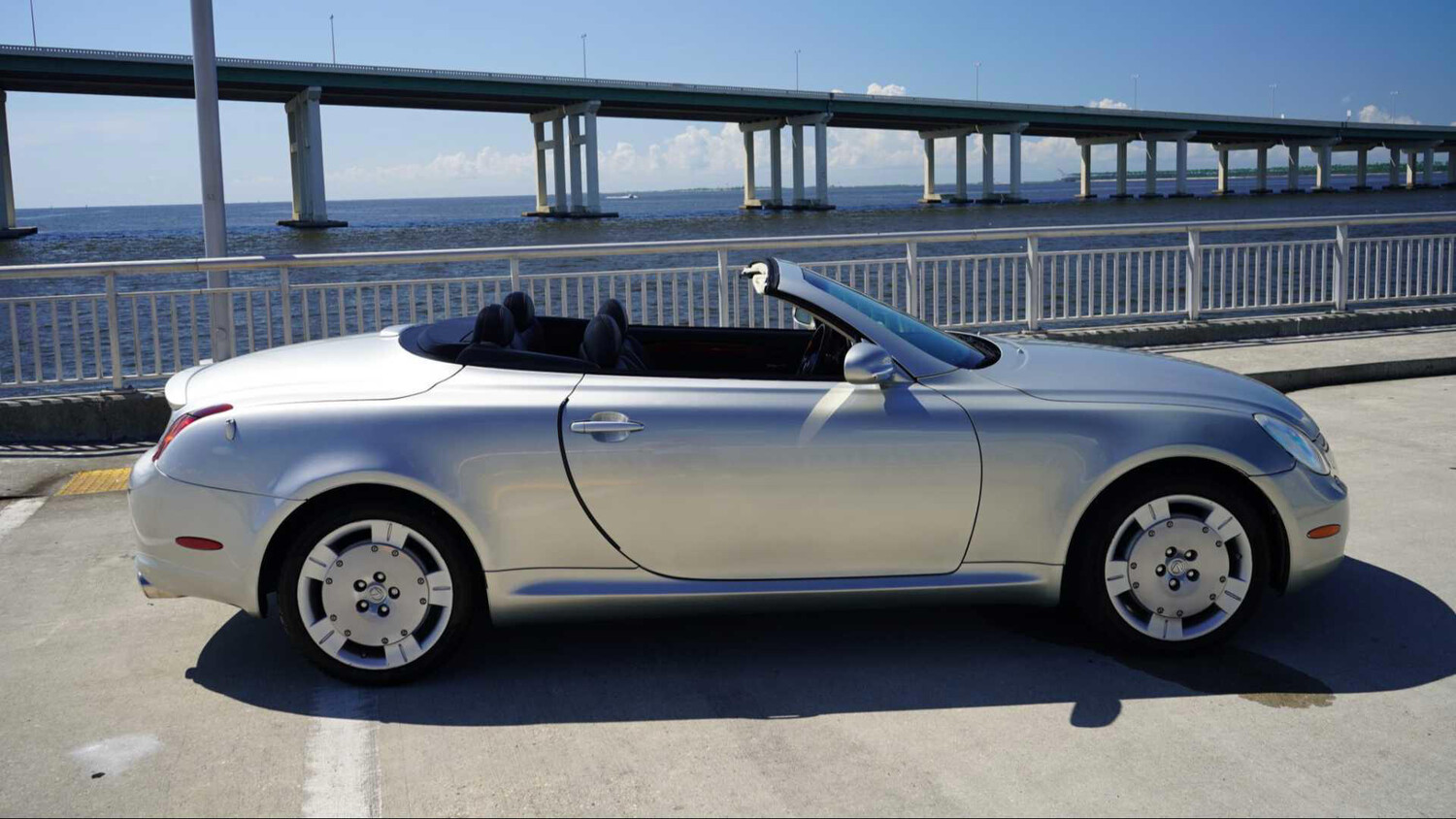
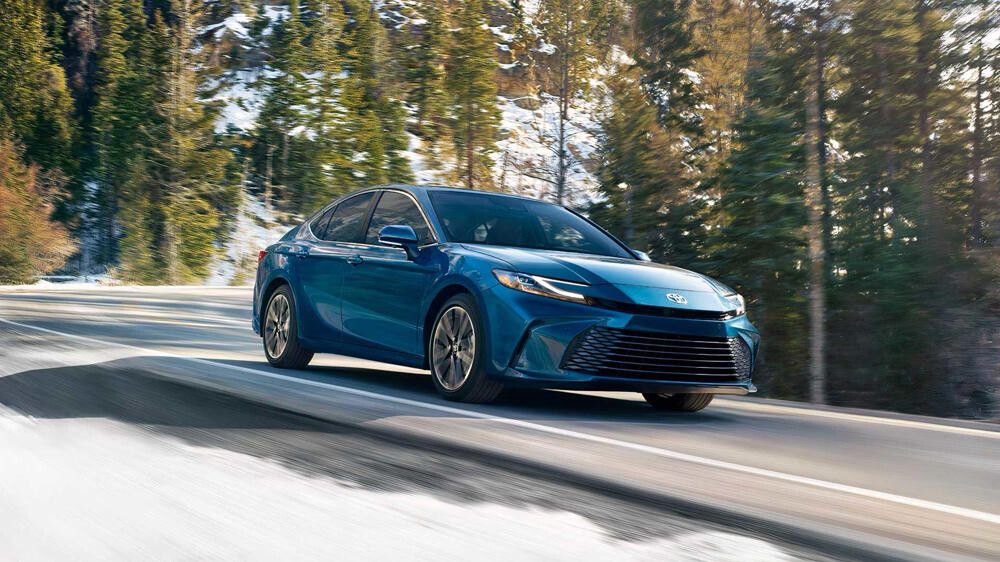
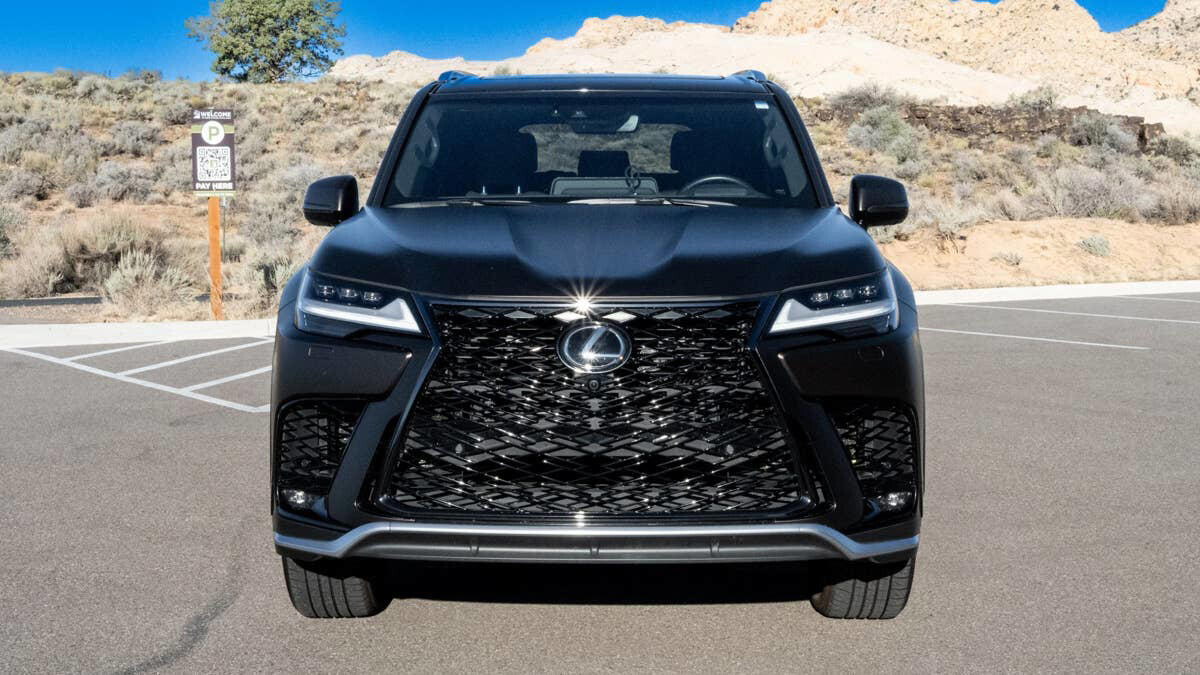
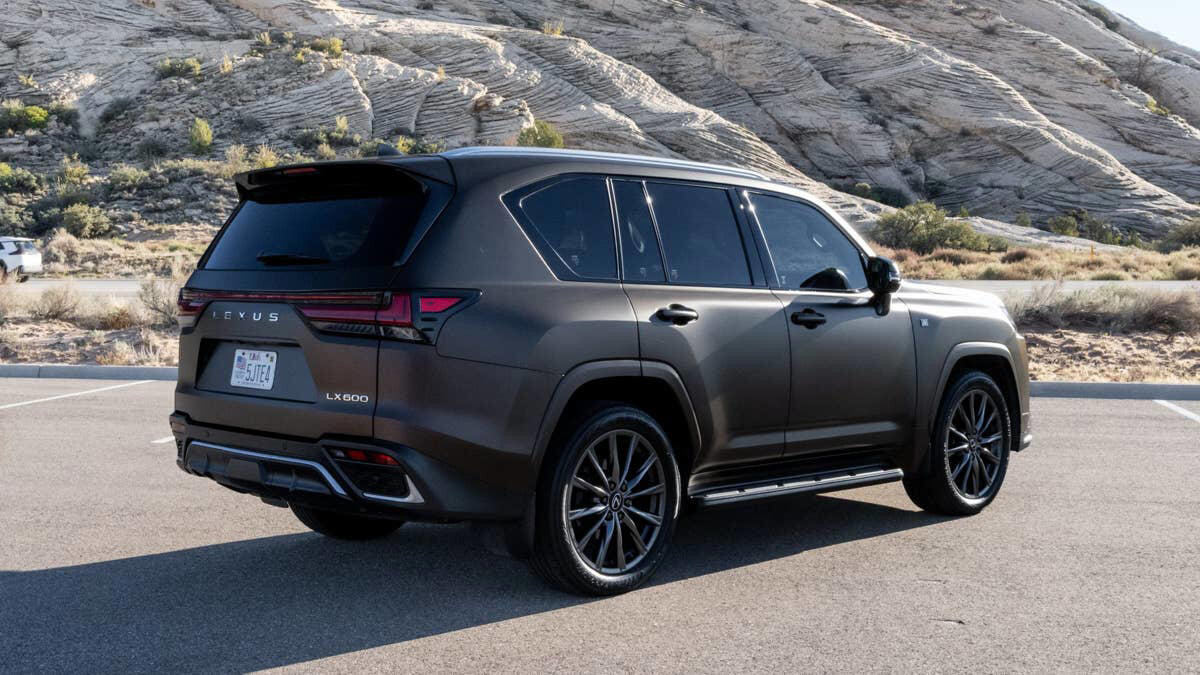
Toyota’s Canadian recall covers four Toyota model lines: the 2003–2008 Corolla, 2005–2007 Sequoia, 2005–2006 Tundra, and 2016–2017 4Runner. Two Lexus models are also included: the 2002–2010 SC430 and the 2017 GX460. The vehicles range from compact sedans and pickup trucks to luxury coupes and SUVs. Despite their different designs and production periods, they share a potential safety concern involving their front passenger airbag systems.
Approximately 8,646 vehicles are included in the Canadian campaign, although that does not mean every vehicle produced during the listed model years is necessarily affected. A family driving an older Corolla and someone maintaining a weekend-use Lexus SC430 could face the same underlying issue, but individual recall eligibility must be confirmed. Toyota recommends checking each vehicle’s identification number rather than relying solely on its model and manufacturing year. The manufacturer also cautions that the list of affected vehicles may change as recall information is updated.
How a Defective Airbag Inflator Can Become a Dangerous Projectile
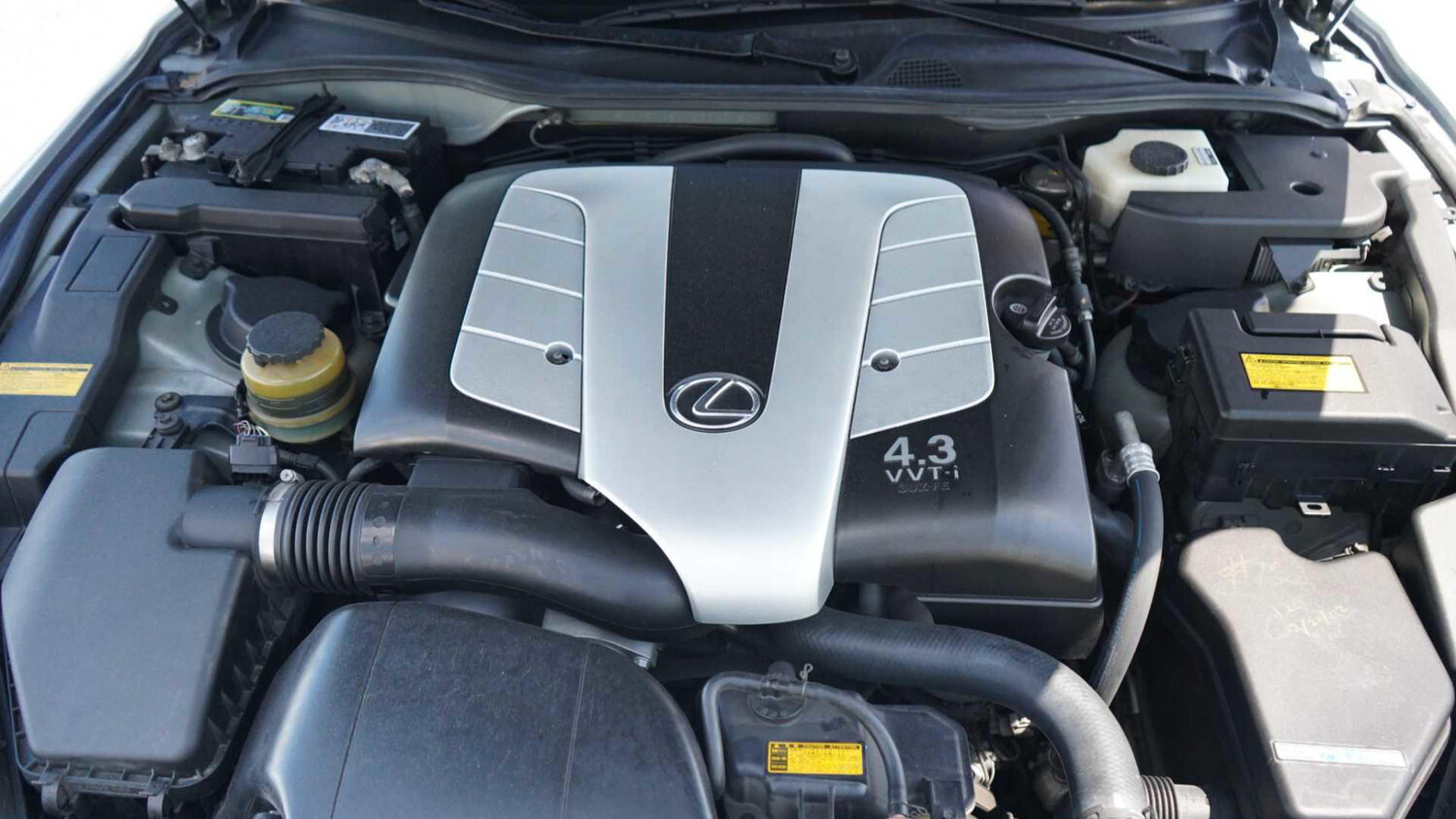
An airbag depends on a carefully controlled chemical reaction. When a crash calls for deployment, an inflator rapidly generates the gas needed to fill the protective cushion. In the recalled Toyota and Lexus vehicles, that component was supplied by Takata. Toyota says its propellant can deteriorate under certain temperature and humidity conditions, while U.S. safety regulators explain that deteriorated propellant may burn too quickly. The result can be more pressure inside the metal inflator than its housing can withstand. Rather than releasing gas in the intended way, the inflator could rupture as the airbag deploys.
That distinction is important because the defect is not simply an airbag that might fail to inflate. A ruptured inflator can also turn pieces of its metal housing into dangerous projectiles. Toyota warns that fragments can pierce the airbag fabric and enter the passenger compartment at high speed. The danger is tied to deployment, meaning the component can remain unnoticed during everyday driving. A vehicle may accelerate, brake and steer normally while still carrying an unresolved safety recall. Only a vehicle-specific recall check can establish whether the manufacturer has identified the inflator for replacement.
Why a Collision Could Become Far More Dangerous
The possibility of flying metal changes the very purpose of a front airbag. Normally, a deploying cushion works with a seat belt to reduce an occupant’s contact with hard parts of the cabin during a collision. The U.S. National Highway Traffic Safety Administration (NHTSA) says frontal airbags have saved more than 50,000 lives over a 30-year period. In this recall, however, a component intended to make that protection possible could create an additional injury hazard at the precise moment people need the system most.
Toyota’s warning identifies a risk of severe injury or death if an inflator breaks apart and sends fragments through the cushion. It does not mean every affected airbag will rupture, and the company has not provided a Canadian rupture rate for this newly announced group. The seriousness lies in the possible outcome, not in a claim that every vehicle is about to fail. A parent riding beside a child, a friend in the front passenger seat, or a driver caught in the path of fragments could all be exposed during an otherwise survivable crash. That is why confirming the recall matters even when the vehicle seems mechanically sound.
Vehicle Age, Heat and Humidity Increase the Concern
Many of the affected vehicles have already spent substantial time on the road. A 2002 Lexus SC430 is roughly 24 model years old in 2026, while the list also includes 2017 vehicles that are considerably newer. The age spread reflects the fact that an inflator’s condition depends on more than the date printed on a registration document. Toyota’s broader Takata guidance describes propellant degradation as a process that can develop over many years, particularly with repeated temperature changes and exposure to moisture. It cites a historical projection of roughly 15 to 20 years before significant deterioration may occur in some circumstances, not a guaranteed safe operating period.
Heat and humidity can accelerate that process. U.S. regulators identified prolonged exposure to high temperatures and high absolute humidity as key risk factors, which is why earlier Takata repair priorities considered both vehicle age and geographic conditions. Still, climate is not a reliable shortcut for an individual owner. A Canadian vehicle may have spent part of its life elsewhere, and a cooler environment does not cancel a manufacturer’s recall. The correct decision begins with the vehicle’s identification number, not assumptions about local weather.
Canada’s Lower Climate Risk Does Not Eliminate the Danger
Canada’s climate makes the Takata story different from what unfolded in the hottest parts of the United States. Transport Canada says prolonged high heat and humidity are less common domestically, so the risk of an inflator failure is generally lower than in regions where those conditions persist year-round. Its published Takata guidance also says the regulator is not aware of abnormal deployments in Canada. Those statements provide context, but they do not erase the underlying defect or amount to a clearance for an affected vehicle.
The scale of previous Canadian action shows why regulators continue to treat these components seriously. Transport Canada reports that more than eight million Takata airbag inflators have been subject to recall nationwide. That is a count of inflators, not vehicles: some automobiles can have more than one affected airbag. Toyota’s newly announced 8,646-vehicle campaign is therefore a distinct recall population within a much longer safety effort. For an individual household, the statistics matter less than the specific car parked outside. A lower national risk still leaves an avoidable hazard when an outstanding repair is ignored.
Takata’s Deadly History Shows Why Regulators Remain Concerned
The Takata defect has a history that extends far beyond Toyota and Lexus. According to NHTSA, approximately 67 million Takata airbags have been recalled across tens of millions of vehicles in the United States. The regulator has confirmed 28 U.S. deaths involving defective Takata phase-stabilized ammonium nitrate inflators and says at least 400 people have allegedly been injured in inflator explosions. Those figures refer to the broader Takata crisis, not deaths or injuries attributed to Toyota’s November 2026 Canadian recall.
The new announcement also has a substantial U.S. counterpart. Toyota said on November 12, 2026, that approximately 314,000 Toyota and Lexus vehicles were included in an American front-passenger-airbag recall involving the same kind of propellant deterioration risk. A day later, the automaker announced the 8,646-vehicle Canadian campaign. The contrast in counts is striking, but the safety question is the same on either side of the border: which specific vehicles still contain an inflator that needs to be replaced? As years pass and older vehicles change hands, finding those owners becomes part of the challenge of finishing the repair effort.
Toyota and Lexus Dealers Will Provide Free Repairs
Toyota says every vehicle included in the new Canadian campaign is eligible for a free repair through an authorized Toyota or Lexus dealer. Depending on the model, technicians will replace the front passenger airbag inflator itself or the complete airbag assembly. This is a safety recall rather than an optional maintenance service, so owners should not have to weigh the cost of the corrective work against other household expenses. The company’s announcement does not provide a single repair time covering all six model groups, and the precise replacement procedure can vary with the vehicle.
The practical starting point is to contact a dealership with the vehicle identification number and ask it to confirm the open campaign, the required remedy and an appointment. A driver who remembers an earlier airbag service should still request a VIN-based check instead of assuming a previous repair settles this newly announced notice. If parts or appointments require coordination, the dealer can explain the next steps and any vehicle-specific safety advice. Because the concern involves an internal inflator, a routine visual inspection of an otherwise well-maintained car is no substitute for the manufacturer’s prescribed repair.
Owners Will Be Notified by January 11, 2027, but Can Check Now
Toyota says owners of the affected vehicles will be notified by January 11, 2027. That is the company’s stated notification date, not a deadline for owners to complete the work and not a reason to postpone checking an eligible vehicle. Waiting for an envelope can be particularly unhelpful when a vehicle has changed hands or an owner has recently moved. Toyota specifically directs Canadians to its online recall checker, and Lexus provides a separate lookup for its vehicles. Both services use the vehicle identification number to identify outstanding campaigns.
The VIN is a 17-character identifier commonly visible at the base of the windshield on the driver’s side or on the driver’s door pillar. It also appears on registration and insurance documents. Toyota owners can check Toyota.ca/recall, while Lexus owners can use Lexus.ca/recall. Questions can be directed to Toyota at 1-888-869-6828 or Lexus at 1-800-265-3987. If an owner’s model appears in the announcement but its online status is unclear, contacting the manufacturer or an authorized dealer is more reliable than guessing. Recall populations and online records may be updated after an initial announcement.
Some Older Corollas Have an Additional Do-Not-Drive Warning
There is an important distinction for owners of some of the oldest Corollas. Transport Canada’s existing Takata guidance includes a specific “Do Not Drive” warning for 2003–2004 Toyota Corolla vehicles when two earlier recalls, numbered 2014-560 and 2016-103, are both still outstanding. Those model years also appear within Toyota’s newly announced 2003–2008 Corolla range. But the older warning is conditional: it does not mean every Corolla from those years, or every vehicle in the November 2026 recall, automatically carries the same instruction.
Transport Canada and the manufacturers strongly urge owners of vehicles meeting that condition not to drive until the necessary repairs have been performed. Toyota’s November 13 announcement does not issue a blanket “Do Not Drive” direction to all 8,646 newly recalled vehicles. The safest way to resolve the distinction is to check the VIN for every outstanding campaign and follow the most urgent instruction attached to the specific car. Anyone who finds an active “Do Not Drive” warning should contact the manufacturer or dealer before operating the vehicle and ask about repair arrangements, including transportation assistance where available.
Used-Vehicle Owners Should Pay Particular Attention
An older vehicle can pass through several households before a new safety notice is issued. That creates a simple but consequential problem: the manufacturer may not have the current owner’s contact information. Transport Canada advises people who purchase used vehicles to register them with the manufacturer and to update their mailing address after moving. It also recommends checking for recalls before purchasing a used car and asking an authorized dealer to confirm, by VIN, whether earlier repairs have been completed. A seller’s general assurance that a car is well maintained does not establish that an airbag recall is closed.
For owners of the affected Toyota and Lexus models, the immediate task is manageable: verify the VIN, confirm whether the November 2026 campaign or an earlier Takata recall remains open, and arrange the free repair if required. Those who have already sold a vehicle can pass the recall information to its new owner if they are still in contact. The wider Takata experience shows how a safety issue can outlast the original sale by many years. Repairing the actual vehicle—not merely receiving a notice—is what removes the known recall condition.