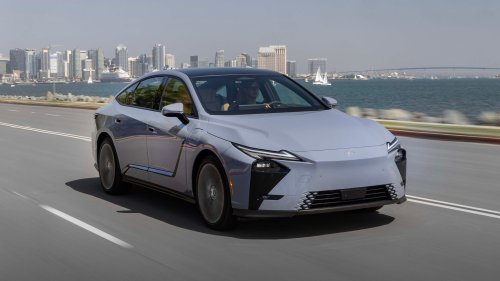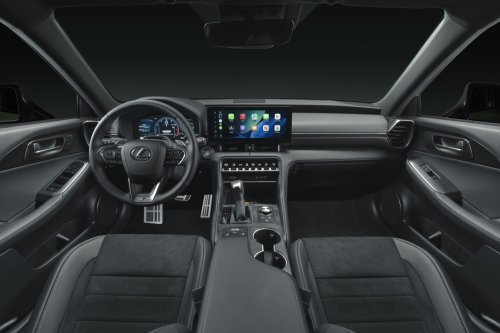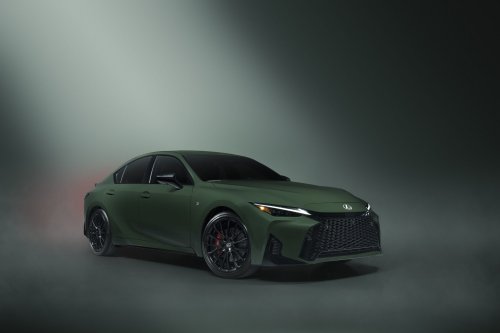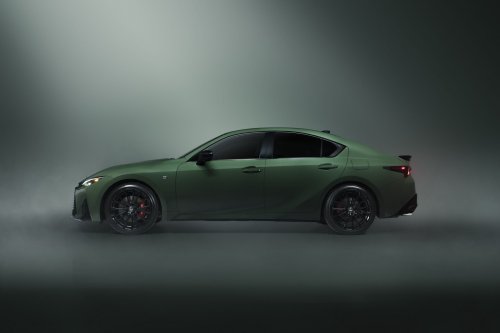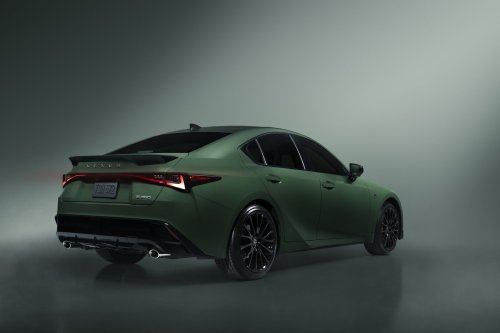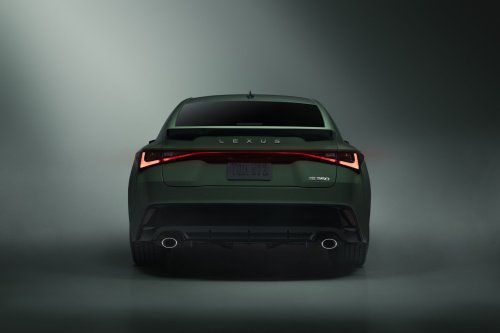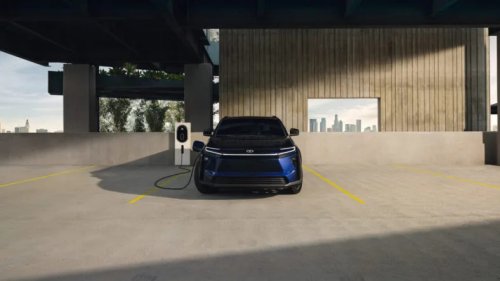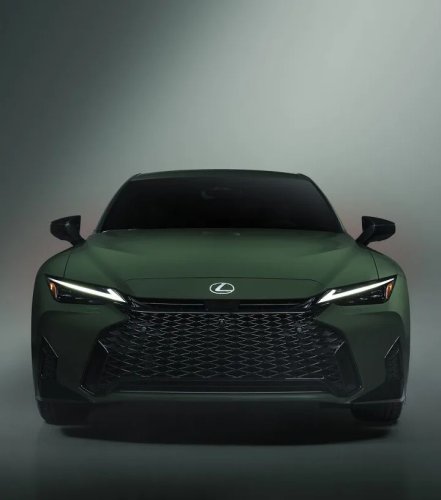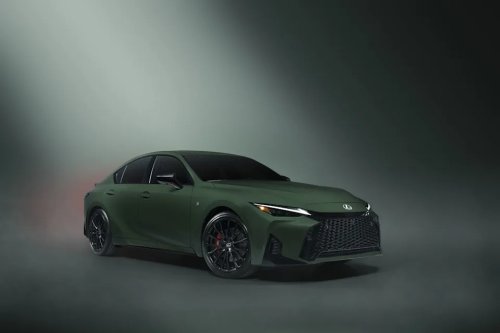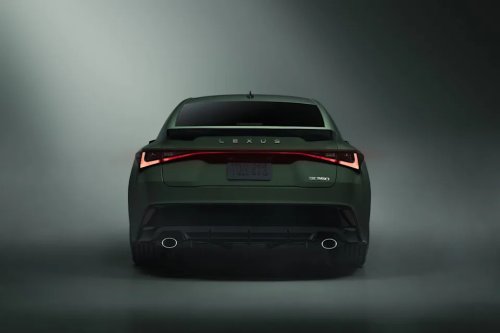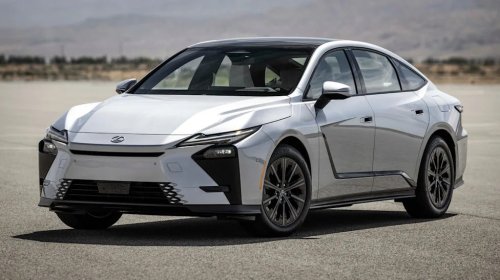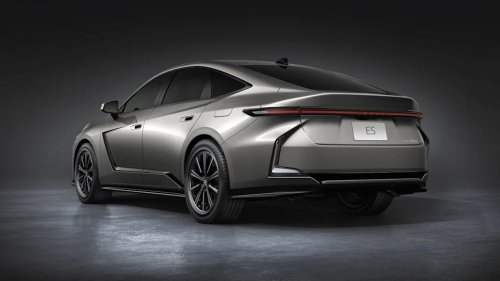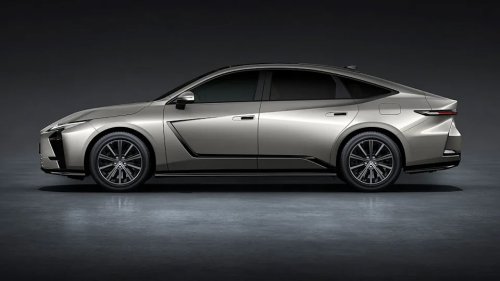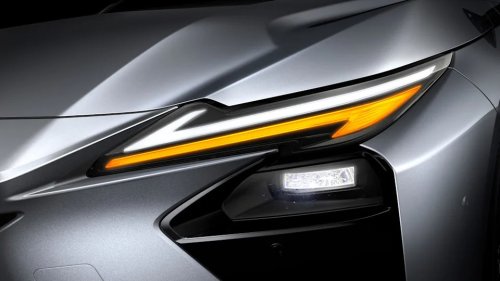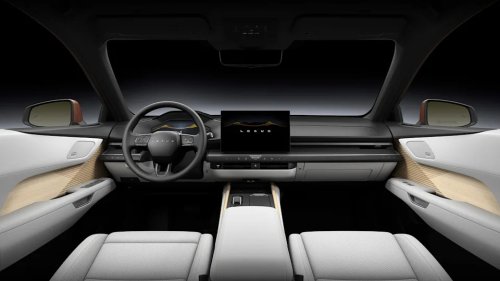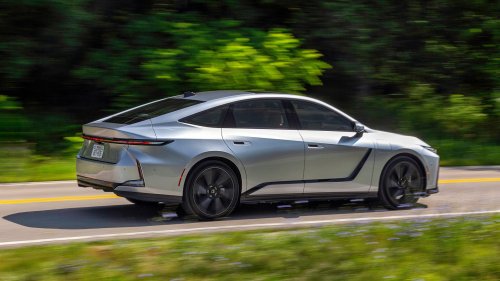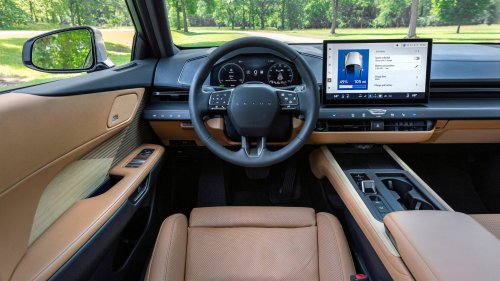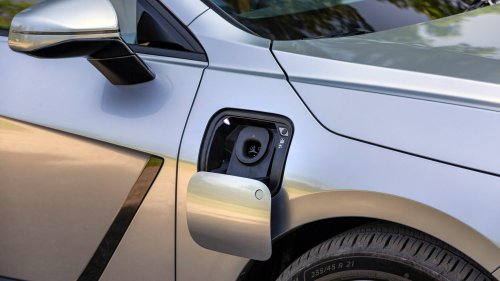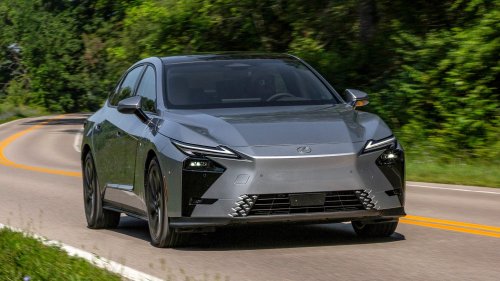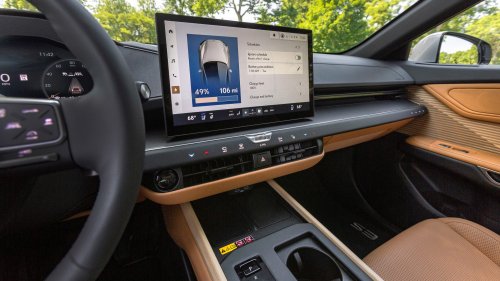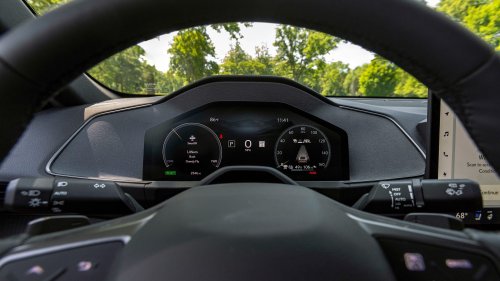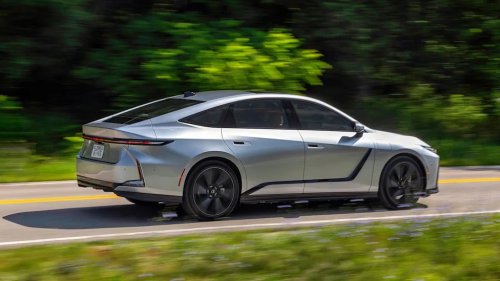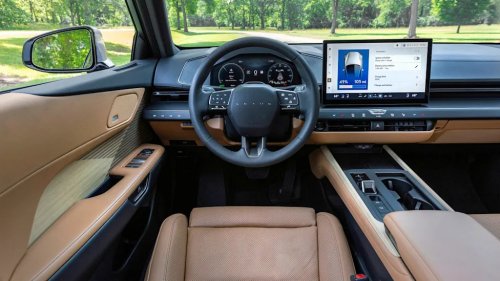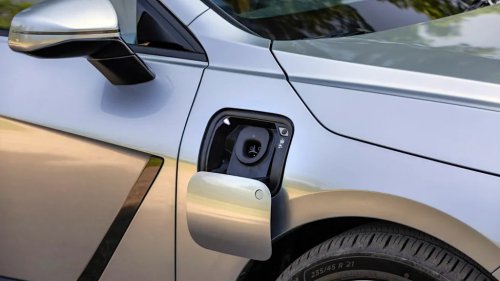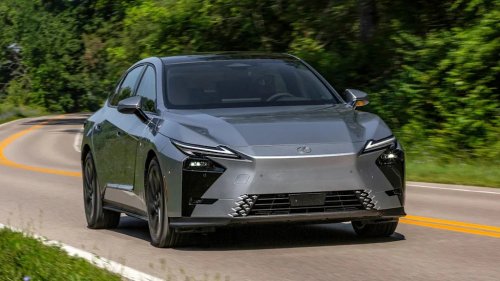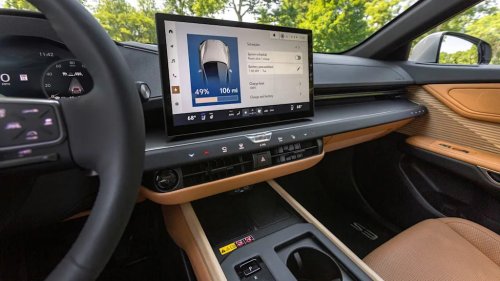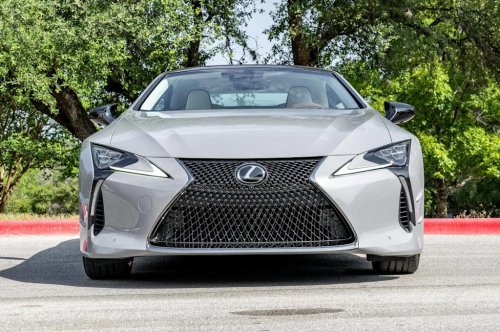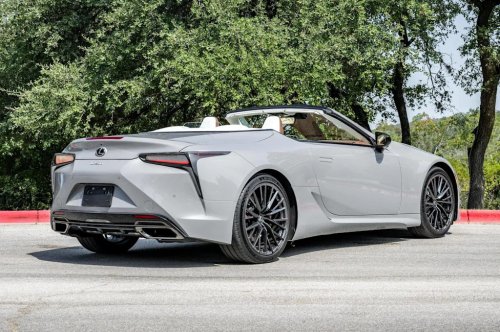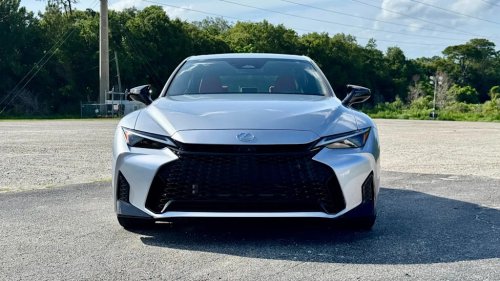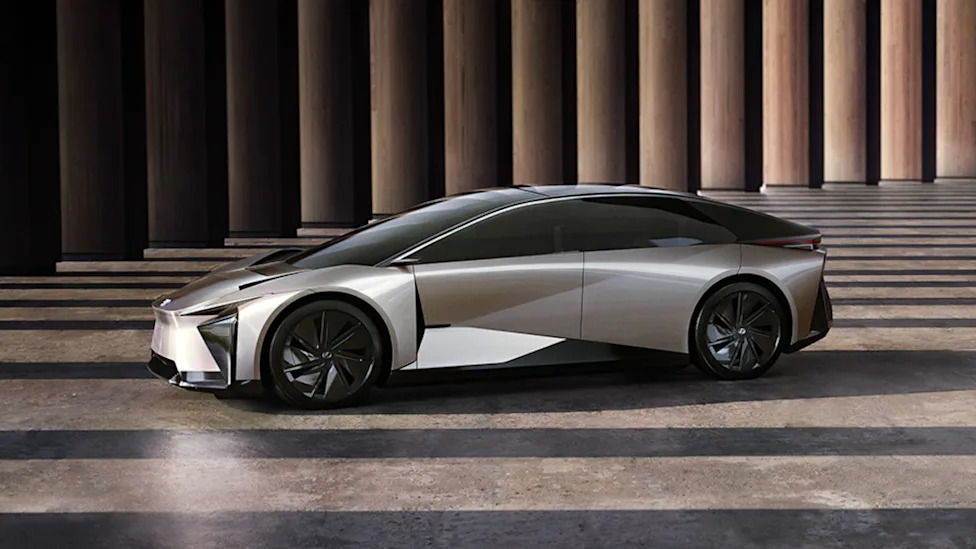



















Photo Credit: ToyotaBefore the once-flagship Lexus LF-ZC could make it to production, Toyota scrapped the sedan. However, the brand is insisting that the technology developed for the next-gen model will live on in a future electric vehicle.What happened?Toyota executive vice president Hiroki Nakajima confirmed that the Lexus LF-ZC will no longer move forward, according to Electrek, which cited comments he made to Nikkei and other Japanese media outlets."We have discontinued development of the Lexus LF-ZC," Nakajima said. Toyota reportedly decided not to proceed because, as the outlet reported, the required molds and factory tooling for the vehicle were too expensive.AdvertisementAdvertisementLexus had introduced the LF-ZC as a part of its next wave of EV technology, so the reversal is notable. The concept first appeared at the 2023 Japan Mobility Show and, according to Electrek, was originally expected to enter production in 2026 before later being pushed to mid-2027.Toyota says the cancellation does not mean the project's technical work is being thrown out. "Many new technologies cultivated during the development of the LF-ZC, such as Gigacast, a new electrical and electronic platform for advanced driver-assistance systems, and miniaturization and weight reduction, have already been completed," Nakajima said as reported by Electrek. "We have decided to develop a successor vehicle."Why does it matter?Electric vehicles save owners money over time through lower fuel costs and reduced routine maintenance, since they do not need oil changes and generally have fewer parts that wear down than gas-powered cars.AdvertisementAdvertisementThe LF-ZC was supposed to be a flagship model, offering consumers more options for high-quality EVs. Toyota had said it would use new high-performance prismatic batteries in the LF-ZC that, according to Electrek, were meant to provide double the range of conventional lithium-ion batteries along with much faster charging.Despite the shift, Lexus still plans to deliver 1 million EV sales by 2030 and, as Electrek noted, a fully electric lineup by 2035. In that context, delaying or reworking a major EV launch can limit how quickly shoppers get access to cleaner transportation choices, especially as rival automakers — particularly in China — continue gaining ground.What's being done?Toyota says the LF-ZC program will still feed future products rather than ending there. The company plans to bring its battery, software, and manufacturing advances into another model, and reporting cited by Electrek suggests SUVs may now receive more focus.AdvertisementAdvertisementThat means the project's biggest developments — longer-range batteries, faster charging, and manufacturing methods designed to cut production costs — could still appear in a future vehicle.Get TCD's free newsletters for easy tips, smart advice, and a chance to earn $5,000 toward home upgrades. To see more stories like this one, change your Google preferences here.