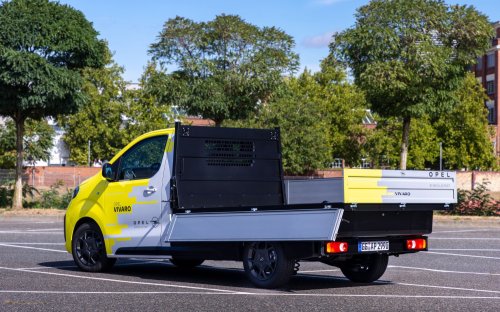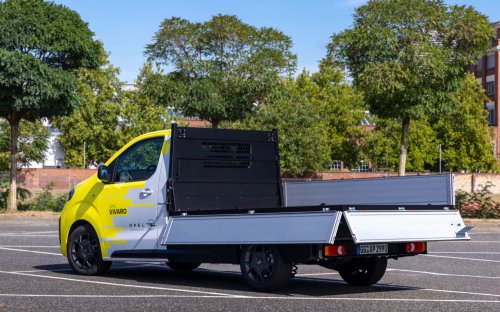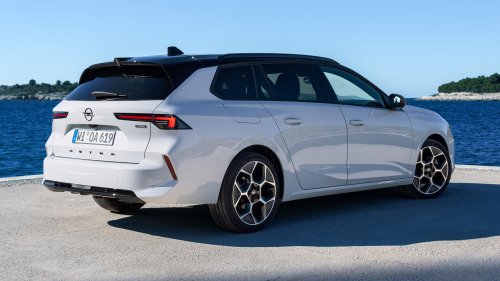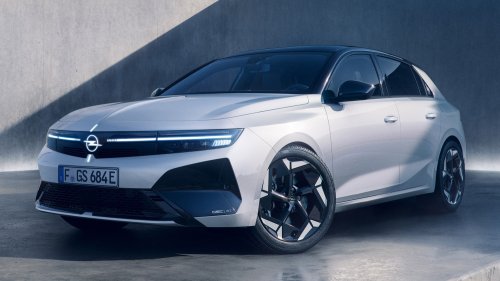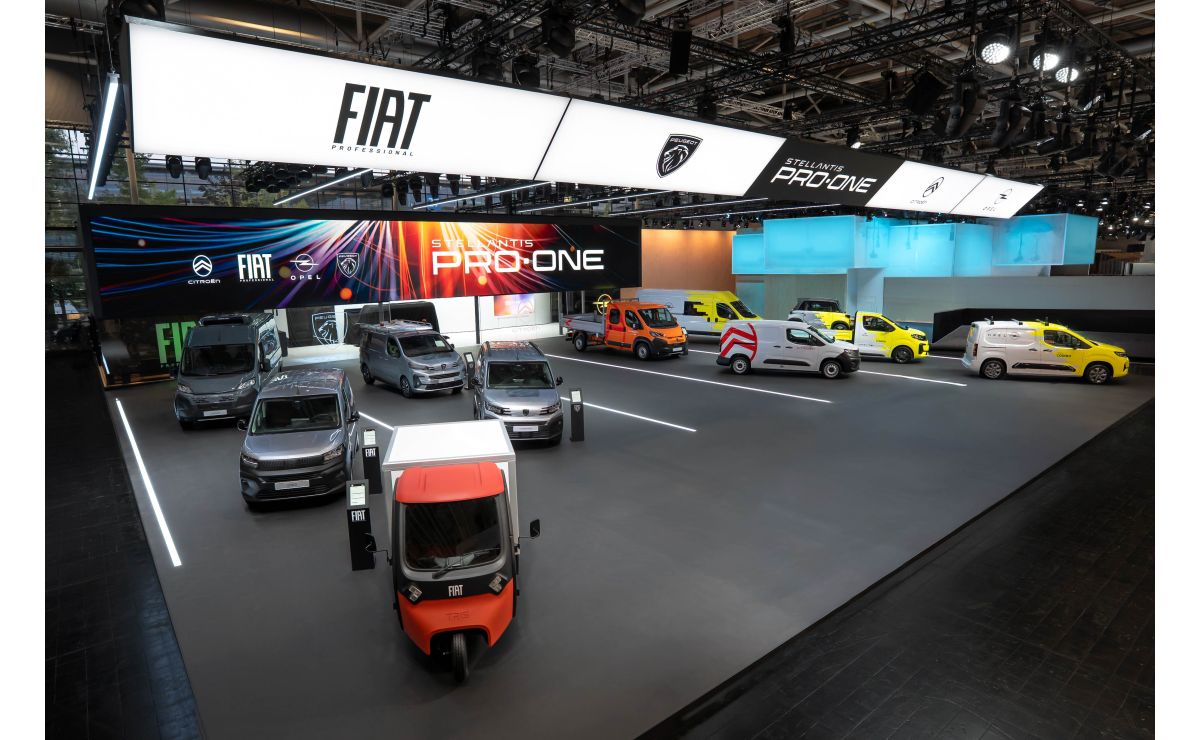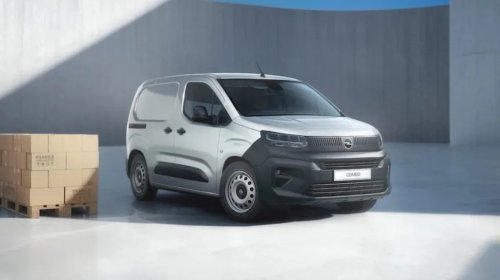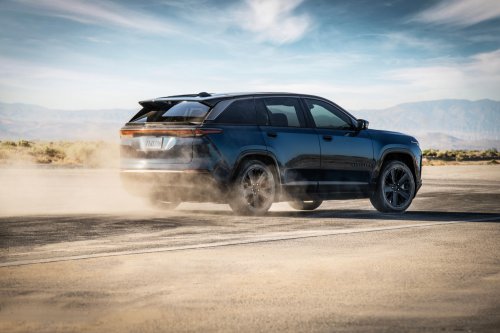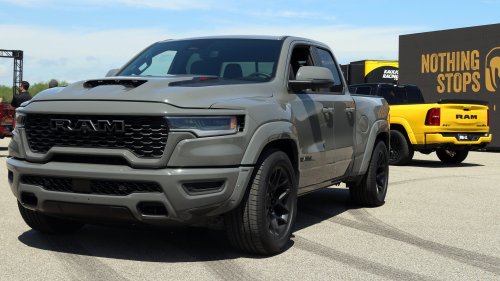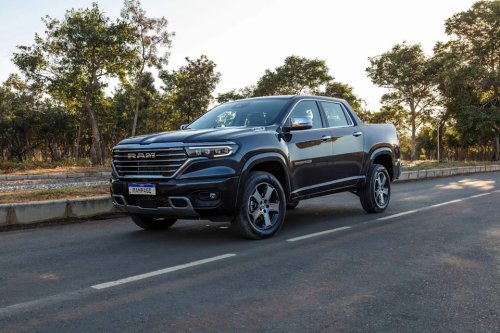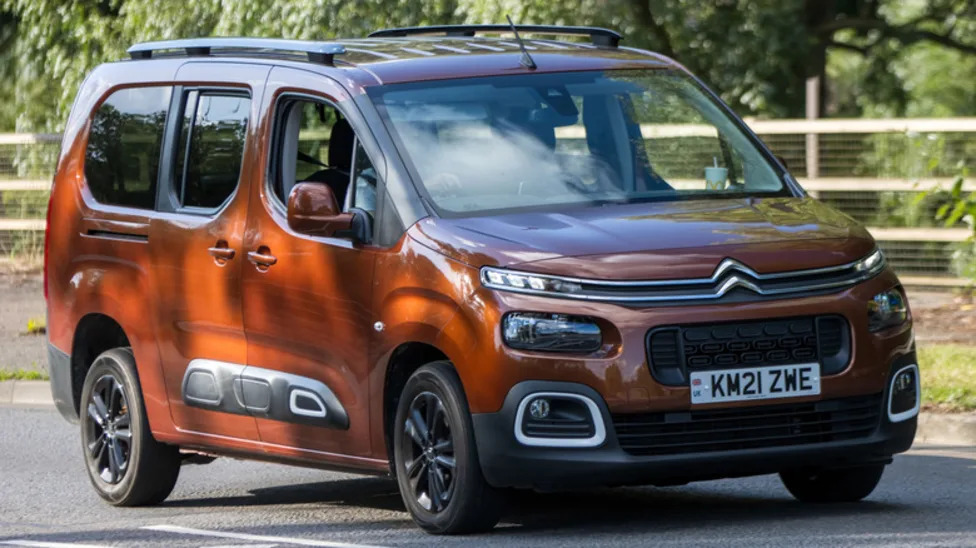
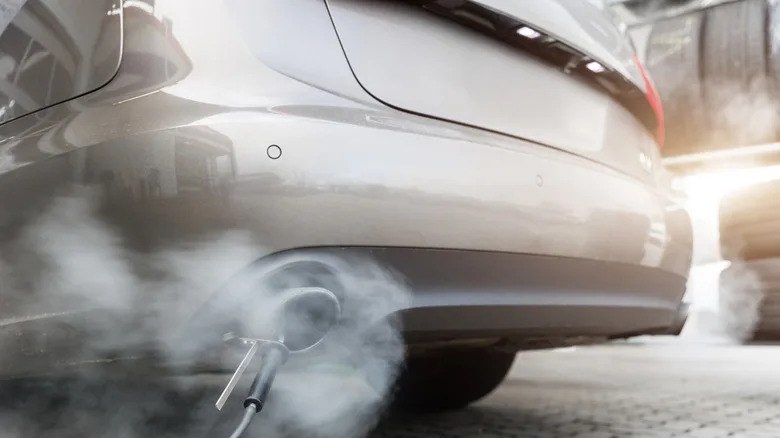



















Sue Thatcher/ShutterstockDiesel engines were once a top choice for drivers in Europe, especially for buyers seeking better fuel economy and range compared to gasoline cars. But that has changed since the mid-2010s, due to scandals like Volkswagen's Dieselgate and stricter emissions standards, among other factors. But Stellantis, which owns brands like Citroën, Alfa Romeo, and Peugeot, isn't ready to give up on diesel in Europe just yet.Stellantis has reintroduced diesel options to several models, including the Citroën Berlingo, DS 4, Opel Combo, Peugeot 308, and Peugeot Rifter. These joined a portfolio that already included diesel versions of several Alfa Romeo vehicles, including the Tonale, DS 7, Giulia, and Stelvio. This strategy is a response to continued customer demand in Europe and provides the automaker with an expanded presence in other markets as it retreats from EVs.Stellantis' decision to keep and expand diesel in its European lineup also fits into the company's wider strategy for the region. That strategy is known as the FaSTLAne 2030 plan, which calls for a broader mix of powertrain types rather than relying on one technology. FaSTLAne is a nearly $70 billion program with several aims, including growing Stellantis' European revenues by 15%.AdvertisementAdvertisementRead more: What Is A Torque Converter & What Does It Do In An Automatic Transmission?Behind the end of diesel's reign in EuropeGkv/Getty ImagesThe shift away from diesel in Europe has been substantial. According to Eurostat, diesel vehicle registrations across 20 European Union member nations dropped by 67% between 2014 and 2024. Conversely, battery-only electric vehicle registrations increased from 0.3% in 2014 to nearly 14% across those same countries. This shows that many drivers have moved on from diesel, which was once the preferred alternative to gasoline in many European countries.One of the biggest factors behind the decline of diesel was Dieselgate, the emissions scandal that came to light in 2015. The European Parliament uncovered through an investigation that some automakers were using software that could manipulate emissions results under laboratory conditions. This scandal led to changes in how vehicles were tested, including the introduction of real-world driving emissions tests conducted by the European Commission.The diesel emissions scandal was a major turning point for the auto industry in Europe, prompting automakers like Porsche to stop making diesel versions of their vehicles. Despite this, diesel still has a strong presence in Europe: According to the European Commission, diesel was responsible for 73.2% of combined gasoline and diesel fuel sales in the EU in 2020.AdvertisementAdvertisementWant the latest in tech and auto trends? Subscribe to our free newsletter for the latest headlines, expert guides, and how-to tips, one email at a time. You can also add us as a preferred search source on Google.Read the original article on SlashGear.