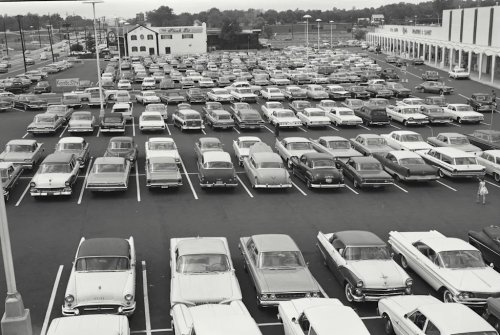
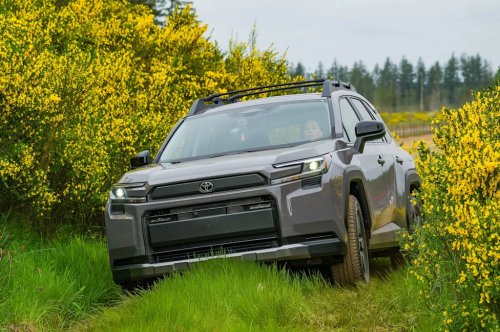
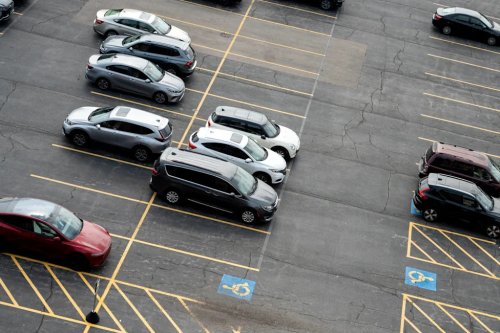
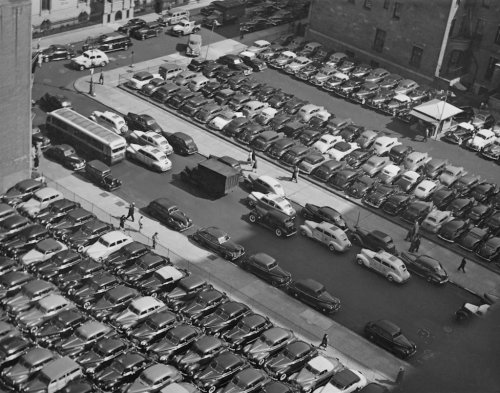
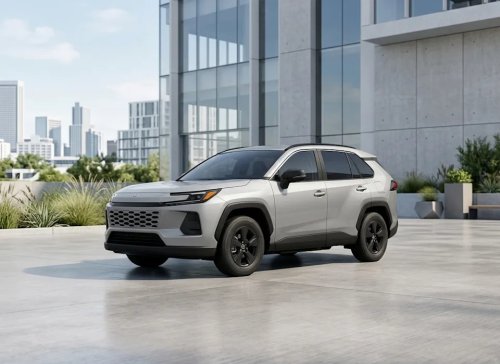
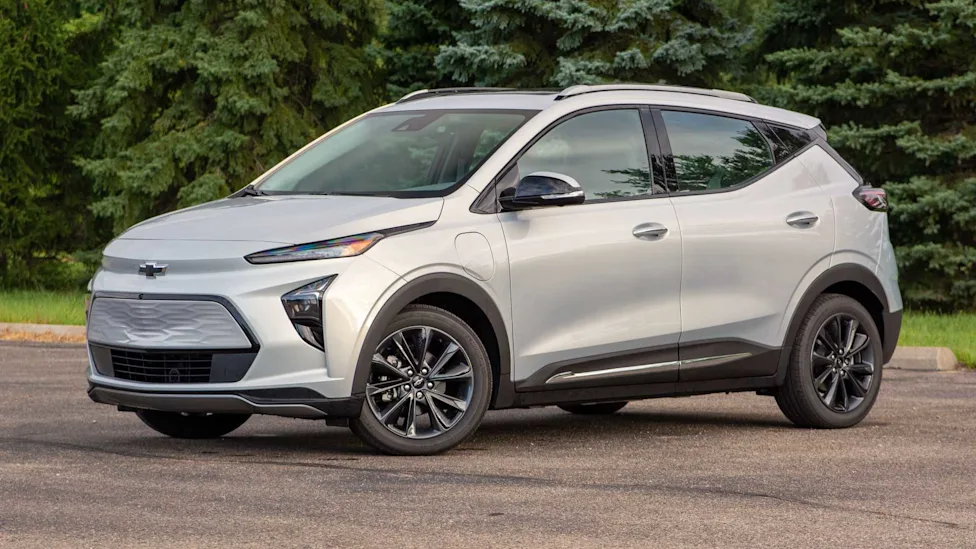
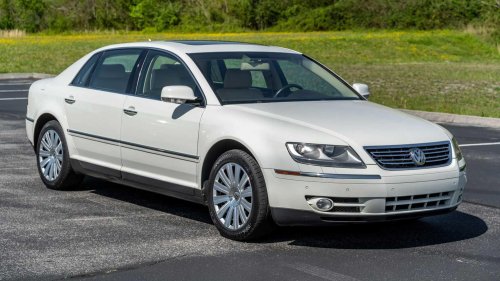
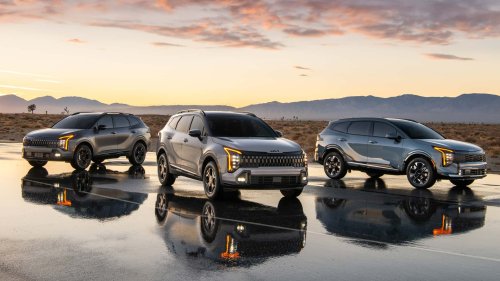
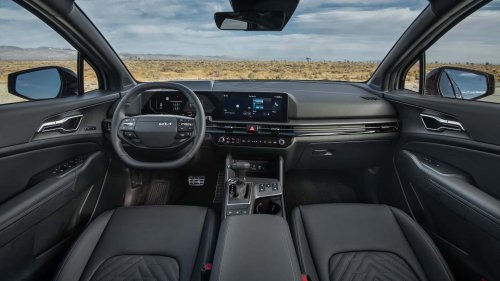
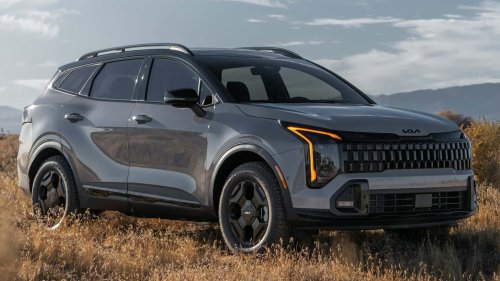
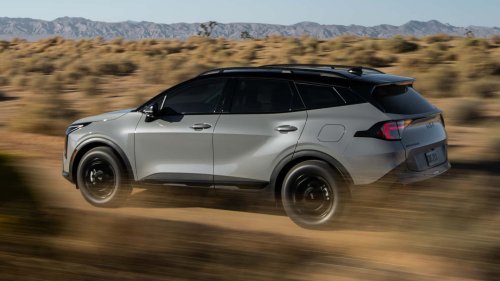
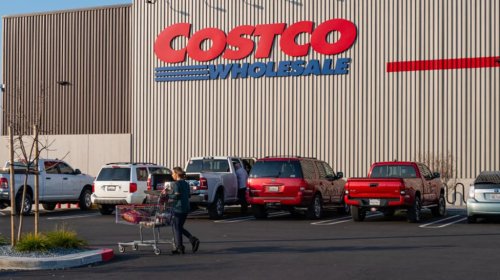
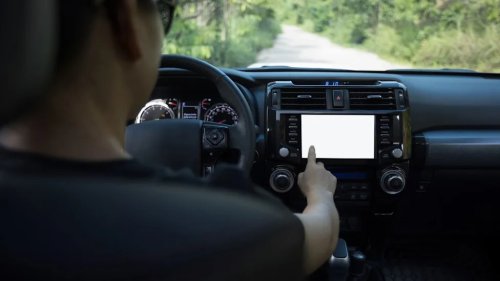
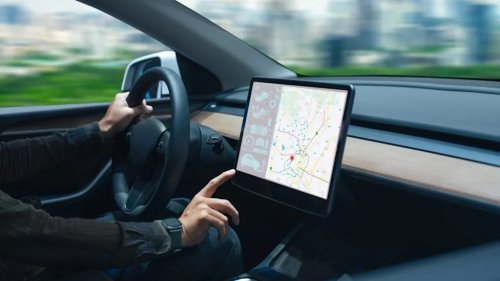
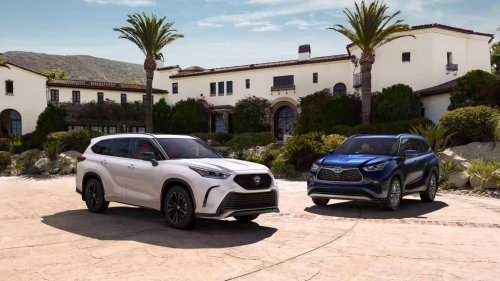
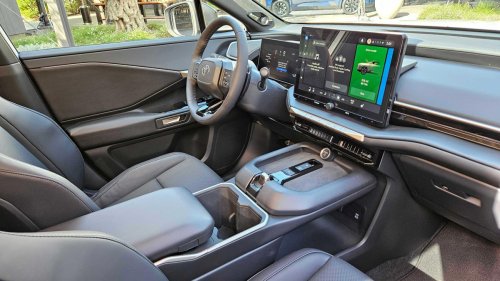
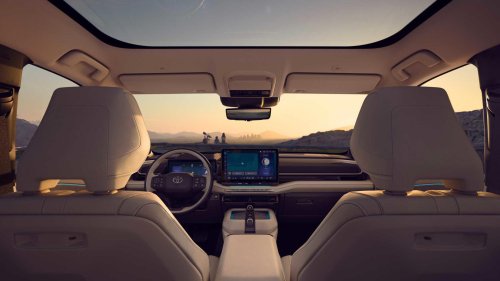
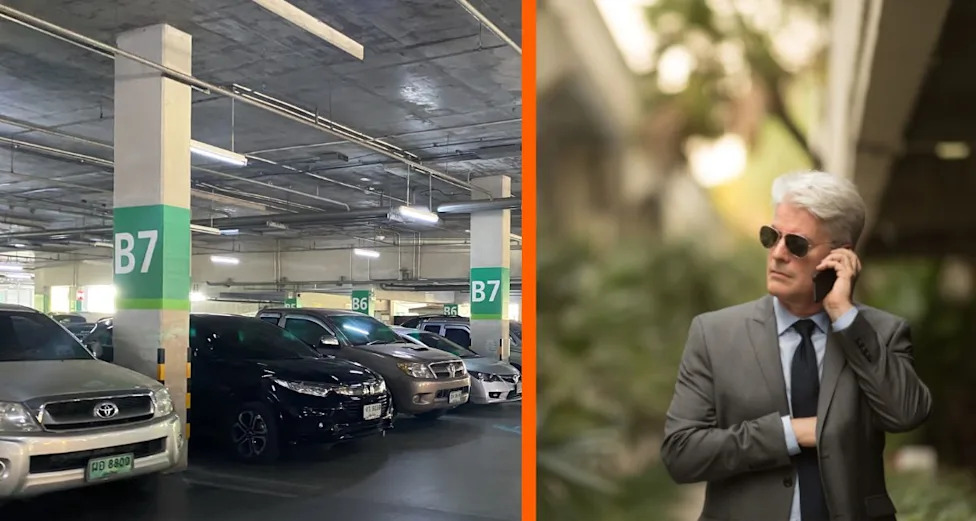
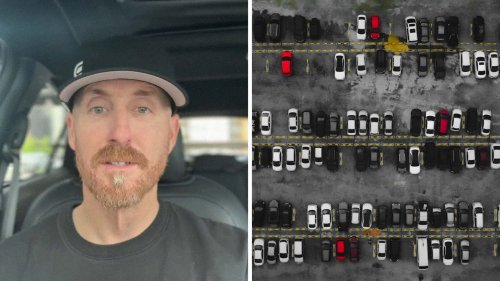
Autoblog and Yahoo may earn commission from links in this article.We Get It. Nobody Can Park.If you pull up to any parking lot, whether it be outside of a Best Buy, Target, Walmart, a shopping mall, church, or even a parking garage that you have to pay to exit out of, you will always see cars parked in a way that paints the scene to look something like this. Without fail, you'll find all types of parking tomfoolery. A sedan straddling the line between two spots, a pickup truck nosed in at an angle that claims a spot and a half, a small car wedged in-between two full-size SUVs and someone taking as long as it takes to align themselves dead center of north out the parking space. These days, drivers have all sorts of technological aids to make parking feel like light work. Thanks to a federal mandate signed over a decade ago, backup cameras have been standard equipment since 2018. Meanwhile, parking sensors have made their way from luxury brands to optional equipment on consumer-grade cars like Kia and Hyundais. Additionally, upper trims of the latest Toyota RAV4 have the ability to parallel park themselves without putting your hands on the wheel. AdvertisementAdvertisementYet still, somehow, nobody seems to be able to just park the car. The easy explanation is that American vehicles have simply outgrown the standard parking space across the board, a small jab on modern drivers and their oversized SUV. The real explanation is stranger and more specific than that, and it starts with the surprising fact that the crossover isn't really the problem at all.DreamMedia/Getty ImagesView the 2 images of this gallery on the original articleThe Standard That Hasn't Actually MovedThe standard American parking space measures nine feet wide by eighteen feet long—a baseline that has remained remarkably consistent across zoning codes for decades. While dimensions can vary by municipality and lot type, from compact spaces at eight by sixteen feet to larger spots at nine by twenty, the nine-by-eighteen spaces remains the most common. Interestingly, this footprint was established when full-size 1960s sedans, like the Ford Galaxie or Chevrolet Impala, dominated the roads. Measuring roughly 210 to 215 inches long and 79 to 80 inches wide, these classic sedans nearly filled the space lengthwise.Apart from pickup trucks, some of the best-selling cars in the United States are compact crossover SUVs, According to 2025 sales data interpreted by Kelley Blue Book, two of the most popular are the Toyota RAV4 and Honda CR-V, which are smaller in comparison to the standard-size parking space and the sedans they were originally designed around. The 2026 models of the RAV4 and CR-V, respectively run about 181 to 185 inches long and are roughly 73 inches wide, making them a six inches, or half a foot narrower than said space, and about 31 to 34 inches shorter. In theory, drivers in these kind of cars should feel more comfortable than the average driver sixty years ago, not tighter. However, the squeeze most drivers feel comes from somewhere else.(C) 2026 Doug Berger | DBPicsView the 4 images of this gallery on the original articleAdvertisementAdvertisementIn the last few decades, the full-size truck and SUV segment has significantly grown in physical footprint and in market share. A crew-cab Ford F-150 — the #1 bestseller in the U.S. in 2025, per KBB — runs upward of 230 inches long and about 80 inches wide with the mirrors folded in, which exceed the dimensions of a standard space. Full-size SUVs built on the same platforms like the Chevrolet Suburban aren't that much different. These aren't niche vehicles occupying a small corner of the market; full-size pickup trucks and SUVs have dominated American new-vehicle sales charts for years, which means more than likely to see one out on the streets.That creates a strange, uneven dynamic in just one parking lot, and largely why the whole thing can feel so chaotic even when nobody is technically breaking any rules. A RAV4 owner can pull into a space with room to spare, but the guy in a full-size pickup parked next to it might hang out past the front of the space or hanging slightly into the aisle, not because the driver parked badly but because the vehicle is just too big for the only place it can legally park in. Multiply that across a lot with a diverse mix of compacts, mid-size, crossovers, and trucks, and the sense that "nobody can park anymore" starts to look less like a decline in skill and more like a mismatch nobody accounted for.Marcin Golba/NurPhoto via Getty ImagesView the 2 images of this gallery on the original articleWhy We Haven't Reinvented The BoxYou are probably wondering, if there is an obvious problem, why haven't they done anything about it — why hasn't anyone done anything to make the standard space bigger? Part of it is economic: repainting spaces to make them physically bigger would reduce the amount of cars that can park there legally, which goes against what every retailer, landlord, and developer has to maximize capacity on a fixed piece of land. But, the bigger part of the answer involves zoning; specifically that parking space dimensions rarely get set in isolation. They're bundled into minimum parking requirements, the zoning rules that dictate exactly how many spaces a given piece of development has to provide before it can open at all.AdvertisementAdvertisementNew York City is a useful example of just how much local variation actually exists underneath the supposedly universal nine-by-eighteen number. The city's own zoning regulations sets its minimum parking space size at eighteen feet long by only eight and a half feet wide; half a foot narrower than the default of most other cities — a product of an environment where parking lots compete with buildable land for housing. Meanwhile, the zoning codes in a suburb like Ridgewood, New Jersey, tells a different version of the same story. It doesn't hang parking on one tidy dimension either, instead, its zoning requirements consist of page after page of parking requirement rules for car rental lots and other categories of business. Because these requirements are baked so deeply into local zoning, and because changing them means revisiting both the space count and the dimensions at once, the standard has tended to move only when a city undertakes a broader parking reform effort rather than as a routine update. Frederic L. Hamilton/Frederic Lewis/Archive Photos/Getty ImagesA Lot That Wasn't Built for Your CarNone of this changes what actually happens the next time you're circling for a spot, but it does change what to blame when you find one. No matter if you drive a crossover or a full-size truck, it's a genuine mismatch between a vehicle segment that grew for reasons of safety regulation, market preference, and profit margin, and a space standard that was never redrawn to keep up with it.Ultimately, the daily ordeal of wedging into a tight spot in between an improperly parked car or in-between vehicles that's bigger than one in your driveway. It isn't a reflection of driver competence, but rather, the result of a structural conflict that has not moved along with time. As vehicle designs continue to expand while zoning codes remain frozen in place, the parking lot stands as a daily reminder of a system engineered for yesterday's cars struggling to accommodate the kind of cars that today's drivers drive.This story was originally published by Autoblog on Aug 28, 2026, where it first appeared in the Features section. Add Autoblog as a Preferred Source by clicking here.