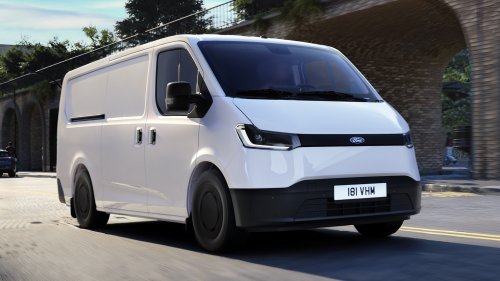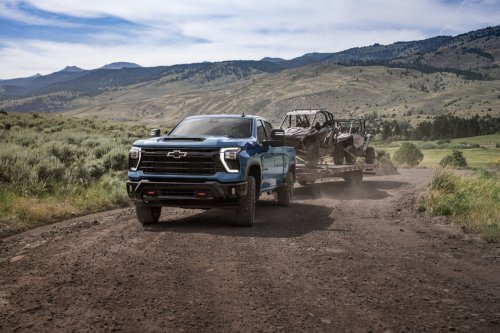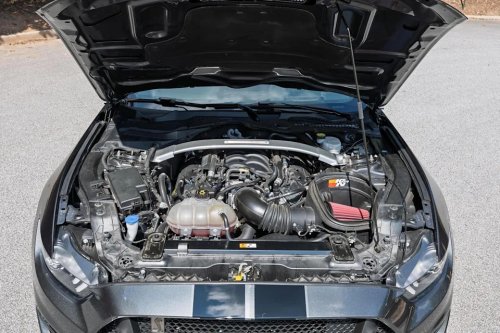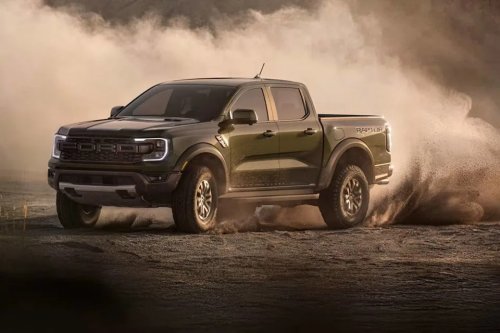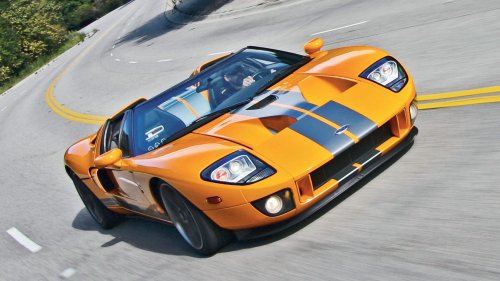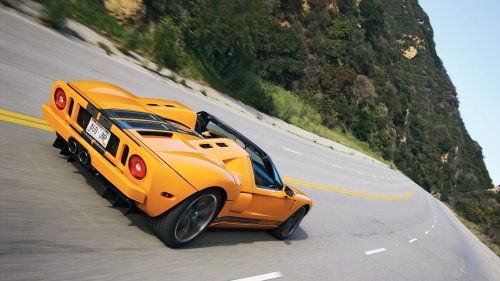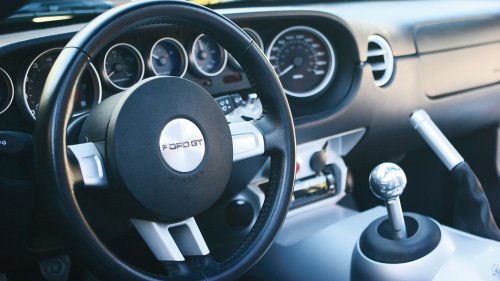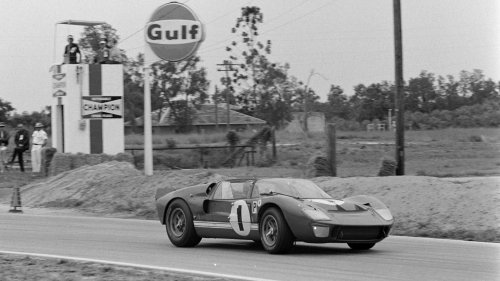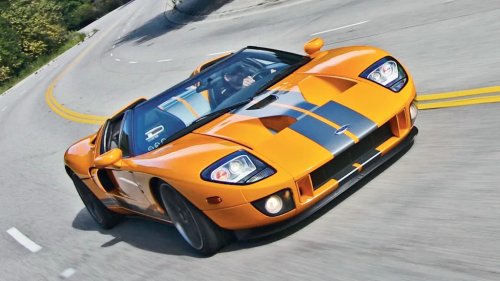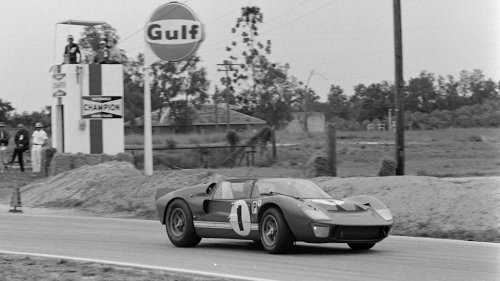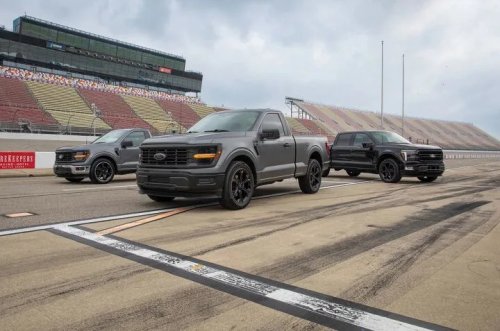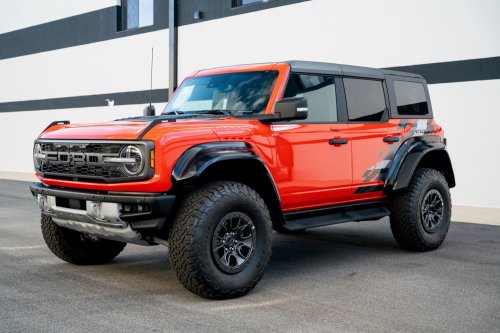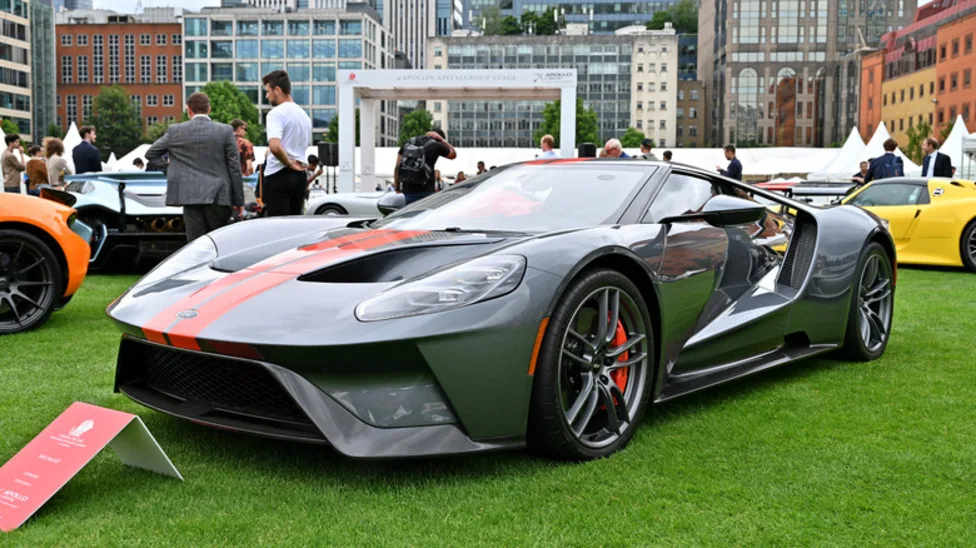
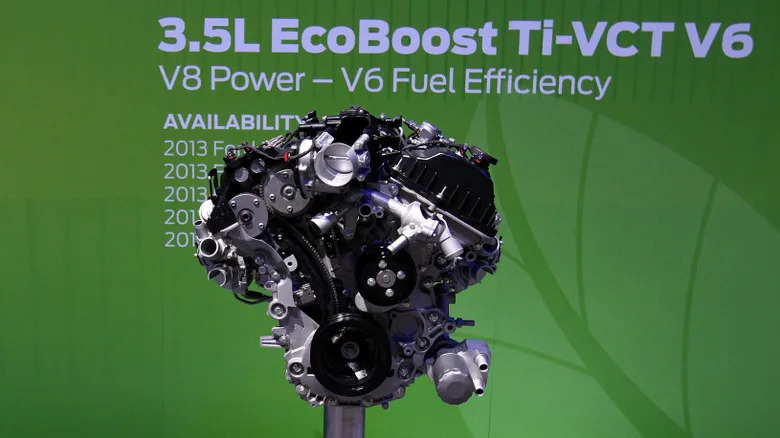




















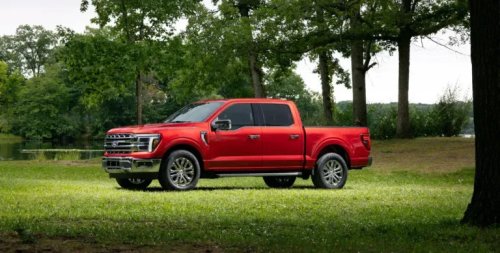
John Keeble/Getty ImagesThe 3.5-liter EcoBoost engine has been used in quite a few cars from the Blue Oval, including base F-150s, the Transit vans, the F-150 Raptor and even its flagship supercar, the Ford GT. It's an incredibly potent engine, which has not only been made to do duty in your workhorse pickup truck, but has also featured in numerous race cars.Currently, the most powerful version of the Ford 3.5-liter EcoBoost powertrain can be found in the Ford F-150 Raptor, where it produces 450 hp and 510 lb-ft of torque. This is, however, not the most powerful stock version of the 3.5-liter EcoBoost of all time. In the amazing Ford GT, which featured the second generation of this engine, it produced 660 hp and 550 lb ft of torque.That's not all though, this engine has a lot of potential, and has been at the heart of many race cars making crazy amounts of horsepower. A Daytona Prototype car ran the same engine with around 800 hp, and it set the speed record at Daytona, reaching 223 mph. This makes it pretty clear that there's a lot of tuning potential with the 3.5-liter EcoBoost V6.AdvertisementAdvertisementRead more: 7 Reasons Why You Should Avoid A CVT Transmission (According To Drivers)A lot of tuning potential on the 3.5 EcoBoostRaymond Boyd/Getty ImagesSince this engine has been put into a lot of models in Ford's lineup, there is big aftermarket support for this engine. It has a lot of potential when it comes to tuning, especially since it's turbocharged, which helps liberate a lot of horsepower with a simple tune. If you want to keep things under warranty, the Ford Performance catalogue offers a tune for the Raptor which bumps the power to 466 hp and 550 lb ft of torque.If this is not enough, you can look at changing the turbos of the 3.5-liter EcoBoost, which will get you over 700 hp easily. Mind you, this requires changing a lot of the supporting components like the intake, exhaust and the cooling systems. If you want even more horsepower from your 3.5-liter EcoBoost, you can surely look into a built engine, which requires changing the pistons and connecting rods to forged units, and you can get close to 1000 hp.Want the latest in tech and auto trends? Subscribe to our free newsletter for the latest headlines, expert guides, and how-to tips, one email at a time. You can also add us as a preferred search source on Google.Read the original article on SlashGear.