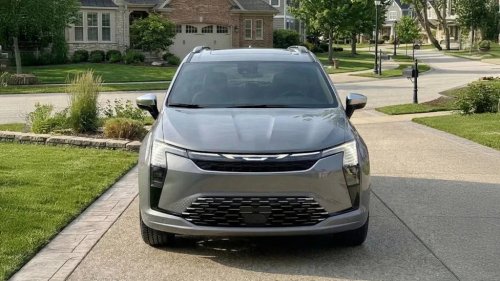
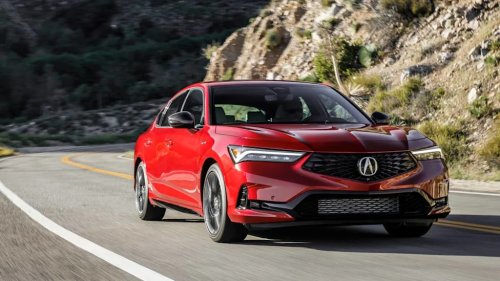
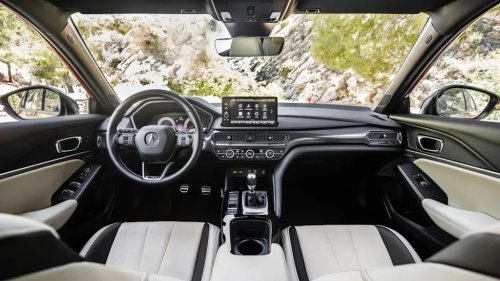
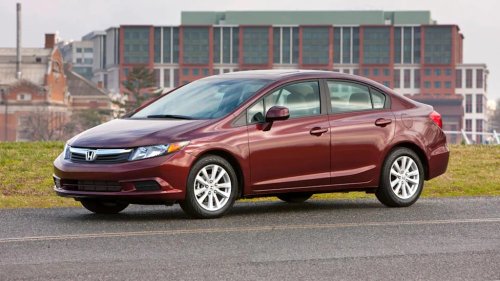
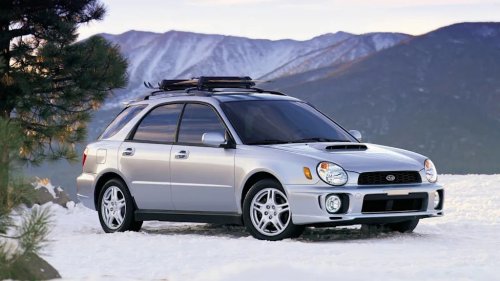
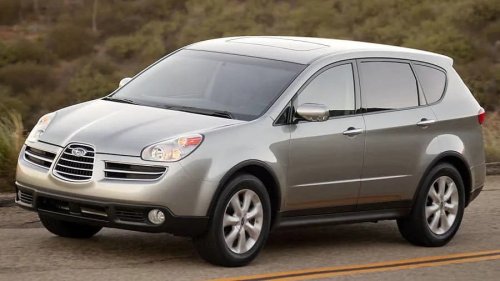



















Autoblog and Yahoo may earn commission from links in this article.Same Car, Different CarIf you are a car guy, or someone who follows the industry very close, you’ve probably seen this exact scenario play out like clockwork whenever a “new” car comes along. Say a new car comes out; it gets a whole bunch of attention, people buy it, and then at around three to five years from when it first debuted, it quietly shows up at the dealership looking a little different. The headlights changed. The grille got bigger, and the manufacturer stuffed in some new features inside and is making it in a color you have never seen before. Deep down, you swear it is the same car from last year, but no; this one seems ‘newer.’What you saw was a mid-cycle refresh, or a facelift. It’s one of the oldest tricks in the automotive playbook and it is designed to do just that: get prospective buyers re-interested in a ‘newer,’ fresher model that is more or less a jazzed-up version of the older model. Recently, Chrysler got a lot of attention prior to this year’s New York International Auto Show, where it publicly debuted a refreshed version of the Pacifica minivan. Since its debut ten years ago, it received a facelift once in 2020, and has been the brand’s remaining model on its lineup for several years. This new version features a new front end with an LED light bar, new Chrysler branding, and futuristic upside-down L-shaped headlights.AdvertisementAdvertisementIt doesn't happen by accident; these are calculated, strategic decisions that automakers plan out on a timeline stretching years before cars ever reach the auto show floor and the showroom. Even if a car has just been released, teams of engineers, designers, and product planners spend serious time and money figuring out what needs to change. You might wonder how and why this process happens and why it matters to you as a buyer, however, there’s more than what meets the eye.ChryslerView the 2 images of this gallery on the original articleThe Product Cycle ProblemAlthough some of the biggest car companies make upwards of billions of dollars a year, developing a brand-new car from scratch can be an extraordinarily expensive endeavor. Thousands of hours of engineering and testing need to happen before the first units get stamped out at the factory. Because of the immense scale, most cars these days are designed to last somewhere between six and eight years before they get a major redesign.However, six to eight years is a long time for both companies and consumers. Anything could happen; trends change and consumer tastes evolve as competitors race to update their lineups to reflect the shifting market. Especially in this day and age, competitors could have a tech breakthrough that can make other cars feel dated very quickly. In today's connected car atmosphere, automakers could be left behind if they do not offer wireless Apple CarPlay and a standard driver-assist suite.AdvertisementAdvertisementThe solution is the mid-cycle refresh, facelift or “Life Cycle Impulse,” if you are into BMWs. It's essentially a strategic reset that happens at roughly the halfway point of a vehicle's generation, a theoretical checkpoint that keeps the product feeling “new” without blowing a whole bag on a full redesign.AcuraView the 2 images of this gallery on the original articleWhat actually changes in a facelift? Facelifts can either be really subtle or substantial, but in most cases, you'd typically notice the changes on the exterior (or outside) of a particular car. If you hear that a particular car is about to be refreshed or facelifted, at the least, expect some visual changes to the front and rear of the car. These can incorporate new design elements, including new bumpers, new lights, as well as new wheel designs and/or a new set of fresh paint colors. These visual tweaks are often the easiest way for brands to signal that a vehicle has been updated without the engineering costs of a complete overhaul. By modifying the "face" of the car, manufacturers can align an older model with their latest design language seen across the rest of their lineup.AcuraView the 2 images of this gallery on the original articleAdvertisementAdvertisementHowever, mid-cycle changes can also call for major updates to features inside the car. Certain manufacturers may take the opportunity of a facelift to introduce a new, updated infotainment system, make a screen bigger or add upgraded materials in important areas. The interior is where drivers spend all their time and to most everyday, non-car enthusiast buyers, an outdated interior can make a car feel cheaper than almost anything else. If manufacturers feel a little more bold, they might add some mechanical and/or drivetrain changes, including a new engine, suspension parts, or even a new transmission if the competitive landscape demands it.All in all, what doesn't change in a refresh is the parts that are skin-deep. The point of a facelift is to be a cheaper, less intensive update to a particular model; meaning that major components, including the car’s chassis, body structure, and core underpinnings stay put. HondaView the 2 images of this gallery on the original articleA facelift can do a lot for some cars. Facelifts and mid-cycle updates can really transform certain cars, as they are a far much painless way for automakers to fix certain problems, odd design quirks and other imperfections while giving fans and enthusiasts something to look for, as well as substantial discounts for bargain hunters. But while some refreshes may seem like a half-executed piece of work, there are certain times where facelifts had totally fixed or created the illusion of an entirely new car. AdvertisementAdvertisementOne of the more unusual facelift stories can be attributed to none other than the ninth-generation Honda Civic, as it came as a result of something Honda rarely did: make an underwhelming car. In 2011, Honda pulled the wraps off of the 2012 Civic, which launched to genuinely poor reviews, including an infamous one from Consumer Reports, who complained about many aspects including its “lower interior quality,” “vague steering,” apparent cost-cutting and the loss of its sporty character. Subsequently, Honda admitted the car wasn’t good enough and pushed through a mid-cycle update after just one model year. In a statement to Automotive News at the time, then-American Honda executive vice president John Mendel noted that the automaker took feedback seriously, adding, “[...] the comments of Consumer Reports and our customers have not gone unnoticed.” The 2013 refresh brought a revised suspension, upgraded interior materials and a restyled front end, all in a matter of 18 months. It wasn’t a complete fix, but it helped correct the course. Subaru of AmericaView the 3 images of this gallery on the original articleBut while the Civic’s case is a reminder that facelifts can be used for damage control, Subaru has used them to keep a popular model fresh. The second-generation Subaru Impreza WRX, which ran from 2000 to 2007 (2002-2007 in the U.S.), had three different iterations throughout the years. Introduced in 2000 in Japan and Europe, the pre-facelift WRX featured the now-iconic “bug-eye” headlights, a styling cue that still divides fans and enthusiasts to this day. AdvertisementAdvertisementAt the end of 2003, Subaru revised the styling and introduced the “blob-eye;” with more conventional oval headlights and a restyled front bumper, which gave the car a more mainstream appearance while retaining the trademark hood scoop and rally-bred proportions. However, in 2006, Subaru introduced the final refreshed WRX, nicknamed the “hawkeye,” which featured a new front end styled to look more aggressive. Throughout the life cycle of these three distinct iterations, Subaru only improved on the formula it became known for. All featured progressively improved variations of the EJ20 boxer engine, as well as various chassis and suspension tweaks to imporve handling, but its core bodyshell and rally-bred AWD system were left untouched. SubaruView the 2 images of this gallery on the original articleA buyer’s opportunity.For anyone navigating the used car market, understanding the facelift cycle is more than just trivia—it’s a powerful tool for finding value. A pre-facelift model typically represents a better bargain on paper, offering a lower entry price and more inventory to choose from. However, it’s crucial to dig into why the refresh happened in the first place. If the update addressed fundamental issues like poor ride quality or subpar interior materials, paying the premium for a post-facelift car might be the wiser long-term investment. On the other hand, if the changes were merely skin-deep, the earlier model could be the smarter buy, provided you can live with the older styling. Either way, knowing exactly where a vehicle sits in its product cycle gives you a level of negotiating leverage that most buyers simply don’t have.For new car shoppers, a model refresh or facelift can mean a few things. A model that has just undergone a refresh is probably at its competitive peak and updated to tackle the current market while a full redesign remains years away. On the flip side, a model deep into its generation without any updates can also mean that it’s either due for a change worth waiting a little more time for, or it’s so dominant in its segment that the manufacturer hasn’t felt the pressure to change a winning formula. All in all, the prospect of a facelift can put buyers in an advantageous situation. Once a new version of a particular car is announced dealers are often eager to clear out "pre-refresh" inventory, meaning you can often snag a substantial discount or an enticing lower rate on financing pre-facelift cars. Ultimately, the mid-cycle refresh is a signal to the market, and once you learn how to read it, you’ll never look at a dealership the same way again.This story was originally published by Autoblog on May 14, 2026, where it first appeared in the Features section. Add Autoblog as a Preferred Source by clicking here.