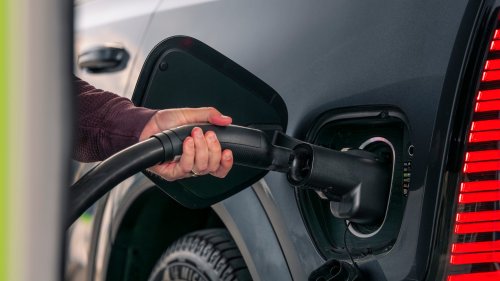
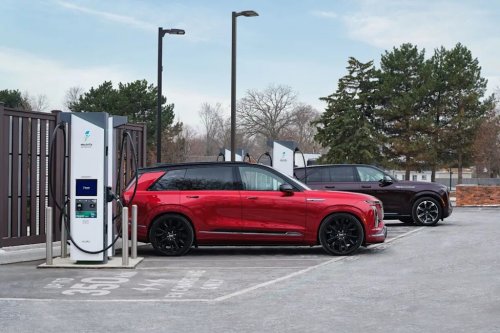
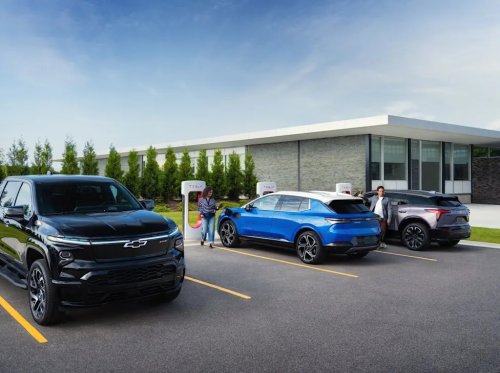
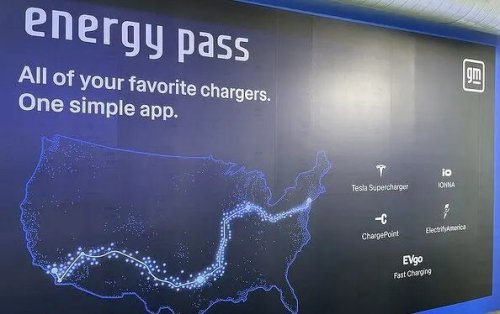
there are way more ev chargers in american than you think there areAmerica's public EV charging network just crossed 250,000 ports. That milestone shows how quickly the country's charging backbone is filling in. InsideEVs noted the achievement, citing the Energy Department's Alternative Fuels Data Center, which lists 250,406 individual charging hookups across 80,543 station locations in its latest tally.What the Numbers ShowMost of those ports are slower units. Specifically, the Alternative Fuels Data Center counts more than 180,000 Level 2 plugs, which suit home, workplace, and destination charging, alongside upwards of 73,000 DC fast chargers and a small remainder of Level 1 connections. That mix matters. DC fast chargers are the ones that make road trips practical, and their share keeps climbing as networks chase highway coverage.The pace is striking too. EV Infrastructure News noted that the network passed 200,000 ports back in March 2026. In other words, roughly 50,000 ports came online in only a few months. That growth points to a sustained buildout, even with federal EV incentives facing an uncertain future.there are way more ev chargers in american than you think there areWho Is Building the MostTwo names dominate different corners of the market. Tesla leads on fast charging. For instance, it operates approximately 38,000 DC ports across a Supercharger network that is now largely open to other brands, which has reshaped how non-Tesla drivers plan long trips. ChargePoint, by contrast, holds the largest Level 2 footprint with more than 76,000 plugs nationwide.How GM Solved the Worst Part of EV OwnershipHow GM Solved the Worst Part of EV OwnershipSAN FRANCISCO, Cal. – Electric car owners will tell you the worst part about an electric car isn't range anxiety, it's the hassle of charging on the go. It's not what you might think either. The problem isn't wait times, or even broken infrastructure (itself an issue) but the integration issues between apps, chargers, vehicles and accounts. It's at best inconvenient. At worst: infuriating.In fact, just last week, The AutoGuide Show hosted Brent Gruber, Executive Director of EV Solutions at JD Power who explained many of these key issues, including how chargers can physically exist but just don't appear on your car's app or infotainment system due to an integration issue. Watch the full episode below.Colum WoodAdvertisementAdvertisementColum WoodThe Global PictureStill, the milestone keeps the country's standing in perspective. The figure leaves the US a distant second to China, which has built out public charging far faster, while pulling the US ahead of Europe overall. For American drivers weighing an EV, however, the trend line is the encouraging part. More ports keep coming. Fast-charging coverage keeps thickening. As that happens, the old fear of being stranded without a plug gets a little weaker every quarter.Gas is Expensive. So Why Aren't Electric Cars More Popular?Gas is Expensive. So Why Aren't Electric Cars More Popular?On this week's episode of The AutoGuide Show, we are tackling the big question hanging over the automotive industry right now: With gas prices hitting historic highs, why are electric vehicle sales slowing down? To get past the speculation and look at the hard data, we sat down with Brent Gruber, Executive Director of EV Solutions at JD Power. The Gap Between Interest and ActionGruber reveals that while consumer interest in EVs is actually skyrocketing due to painful prices at the pump, actual sales are hitting a serious bottleneck.According to JD Power's latest research, the hurdles come down to two primary issues: affordability and a massive education gap regarding infrastructure."There is a fundamental lack of education in the EV space right now," Gruber explains. "When we ask EV rejectors how close public chargers need to be for them to buy an EV, the overwhelming majority say 'every 50 miles.' In reality, chargers are already significantly more prevalent than that. The infrastructure is there, but the perception hasn't caught up."We also dive deep into the unexpected hidden costs of home charging for older residences, the shift toward destination charging at grocery stores and restaurants, and why the sudden influx of 4-to-5-year-old off-lease vehicles might finally solve the EV affordability crisis.Colum WoodColum Wood



















 +12 others