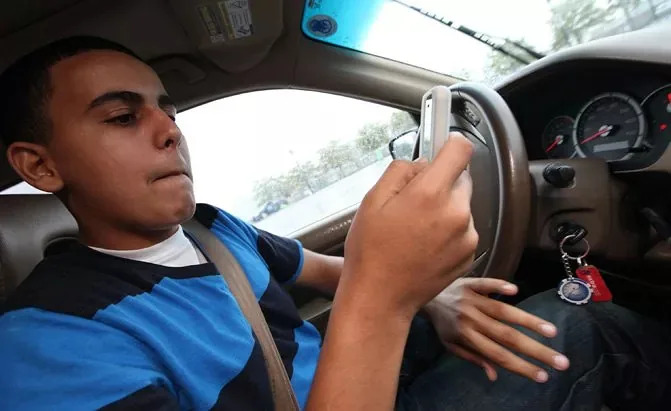
Source: AutoGuide / ShutterstockSource: AutoGuide / ShutterstockThe AAA Foundation is calling out drivers, both distracted and distracters. In a recent study, the organization found that drivers are great at noticing and recognizing dangerous, distracted behavior portrayed by other drivers, but they are also pretty bad at acknowledging their own distractions.Source: AutoGuide / ShutterstockSource: AutoGuide / ShutterstockUnsurprisingly, AAA's study finds that many drivers fall into the self-absorbed realm of hypocrisy. People are good at calling out others for wrongdoings, but aren't so keen to cease doing the same actions on their part.AdvertisementAdvertisementThe actions in question here are hazardous road behaviors, like speeding, distracted driving, aggressive lane changes, running red lights, and so on. AAA's study cites that people are increasingly frustrated by others doing these, and yet that many people admit to performing and/or engaging in these behaviors over their prior month of driving as well.There is a statistical overlap that indicates a fair portion of the driving population-here to the tune of about 10%- that partake in actions they consider dangerous on the part of others, like scrolling on social media while driving.Similarly, 95% of respondents said driving drowsy is unacceptable, but 20% said they did so within the prior 30 days.Source: AutoGuide / ShutterstockSource: AutoGuide / ShutterstockAdvertisementAdvertisementIf there's any good news to take from AAA's report, it's that 93% say drinking and driving is bad (it is), and that only 7% of the respondents did so in the 30 days before the study.And so, we again find another instance of cognitive dissonance between Americans' thoughts and actions. Ultimately, what matters is a decrease in road deaths, which is what AAA's annual Traffic Safety Culture Index sets out to work towards. Hopefully this data further improves that.Become an AutoGuide insider. Get the latest from the automotive world first by subscribing to our newsletter here.





















 +16 others