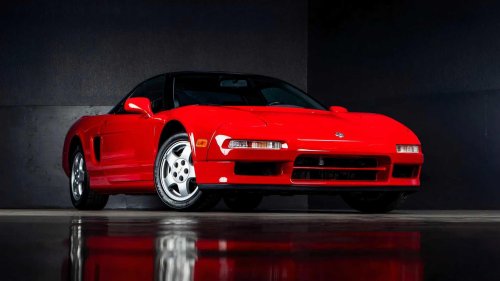
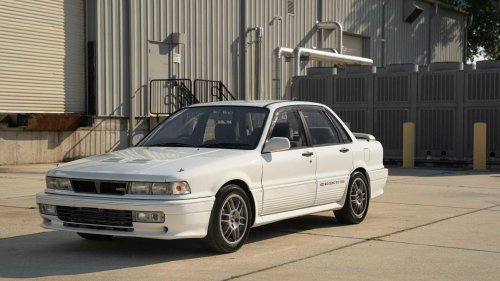
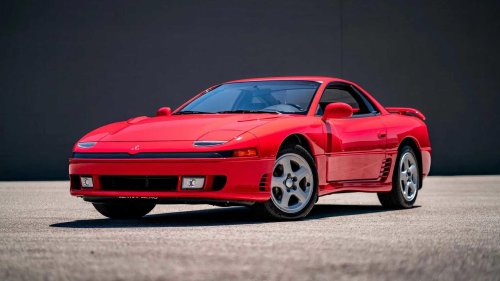
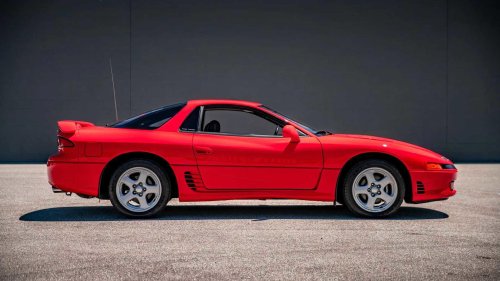
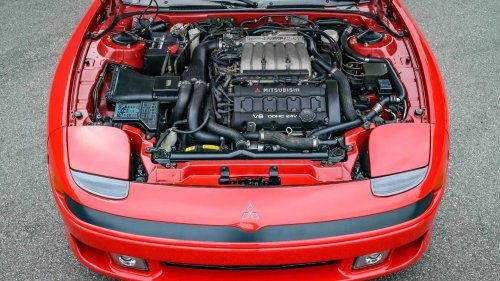
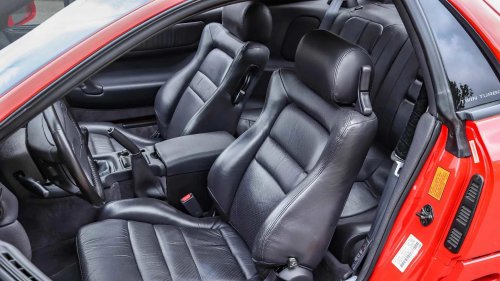
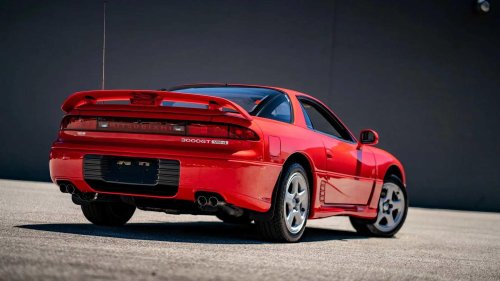
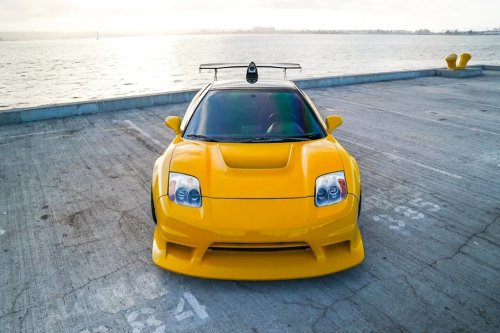
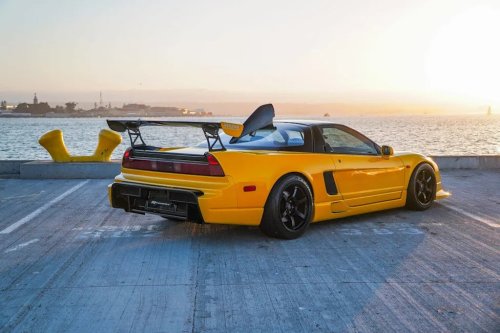
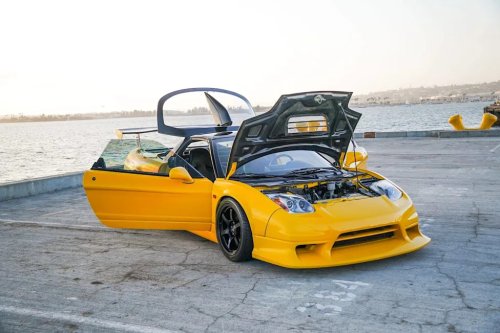
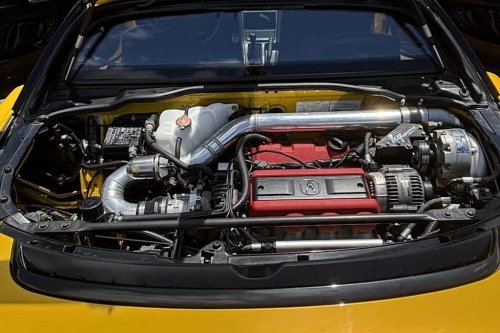
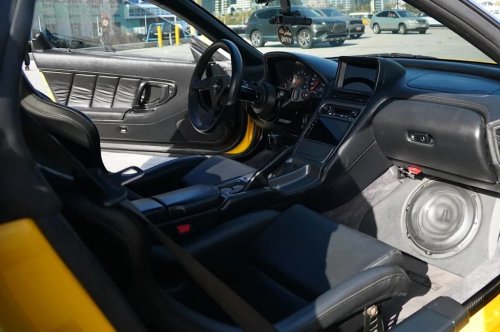
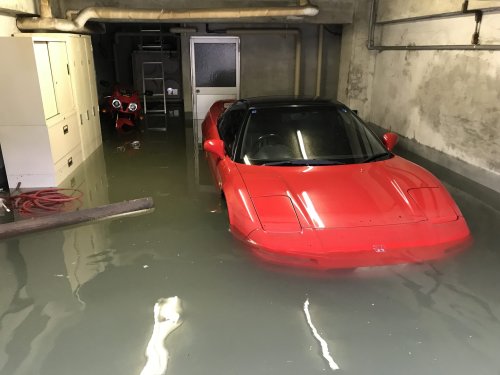
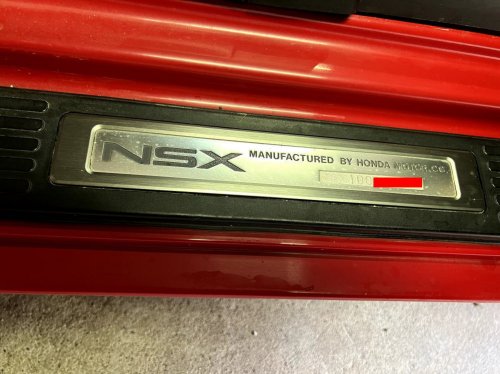
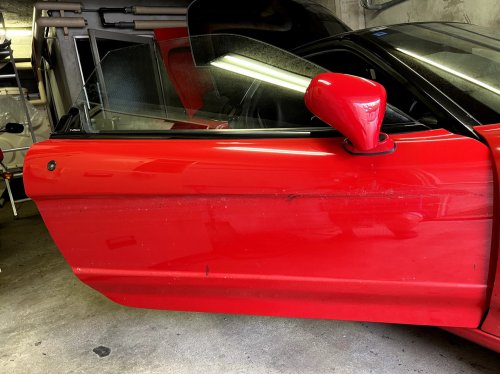
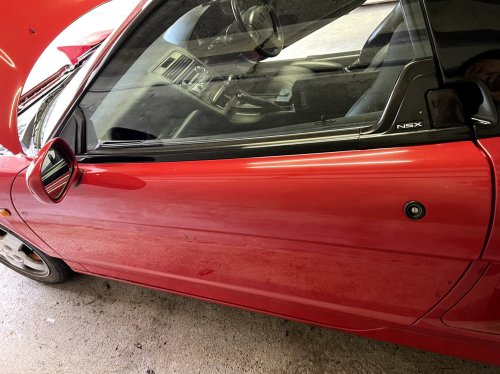
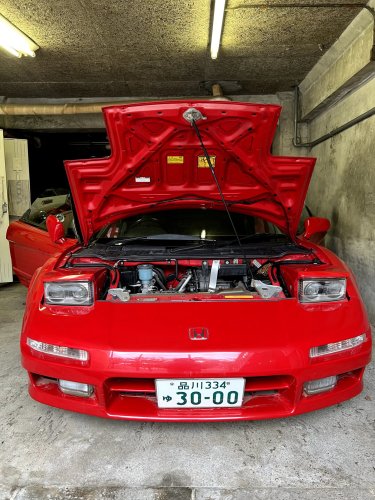
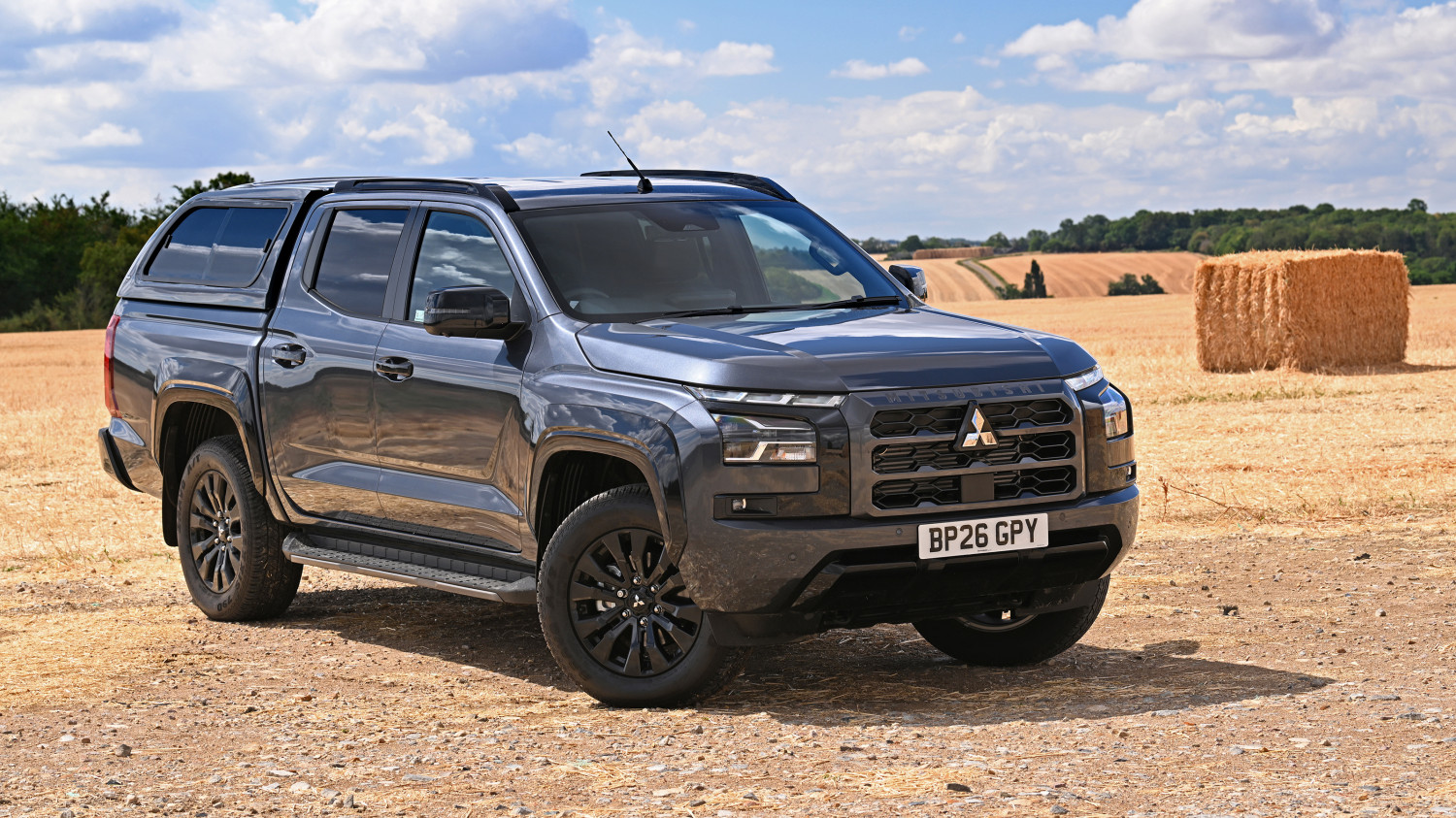
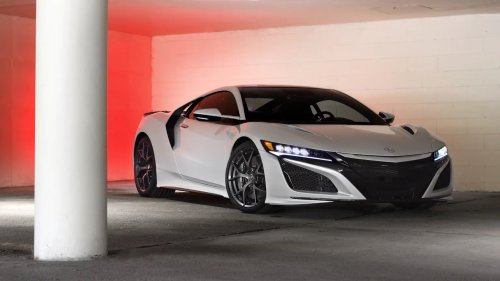
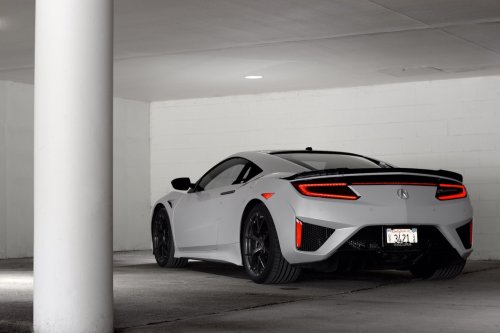
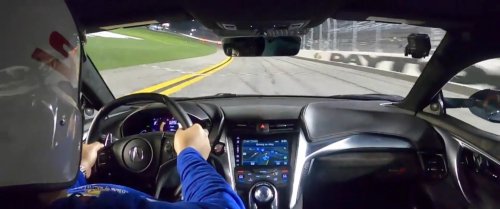
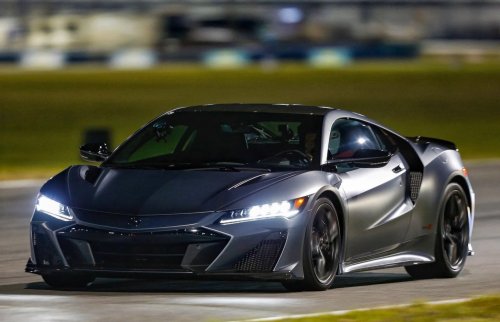
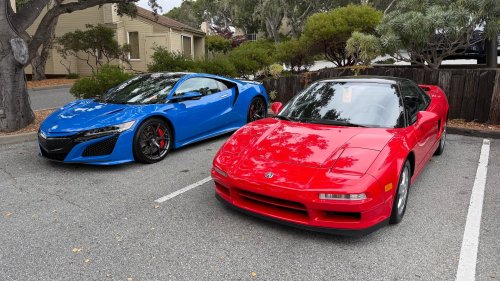
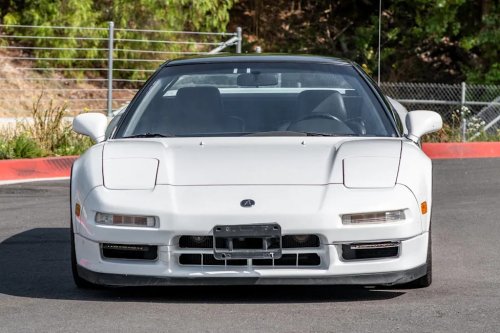
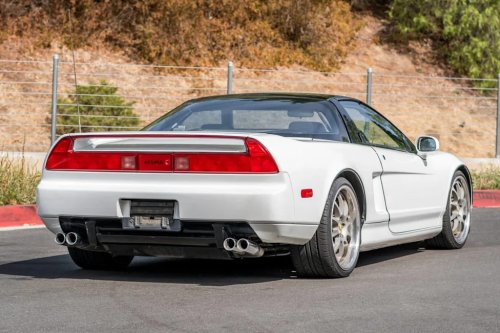
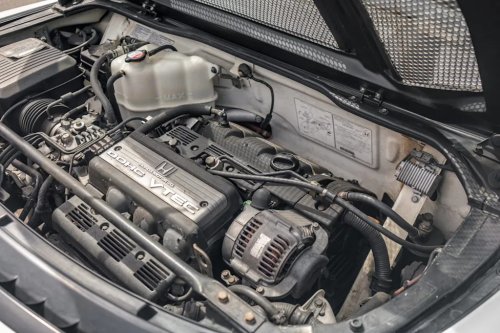
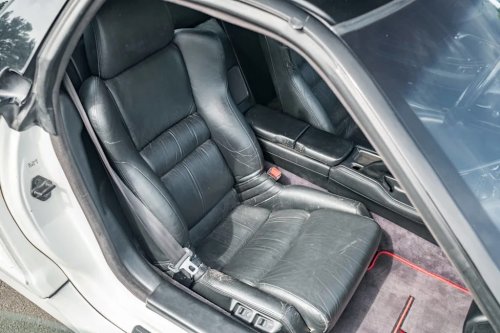
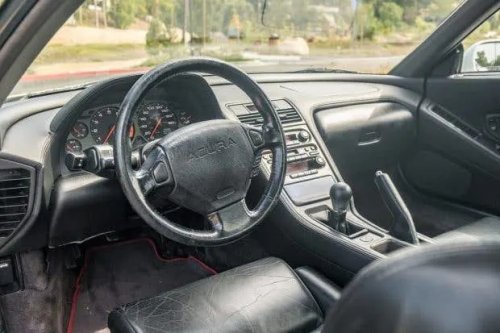
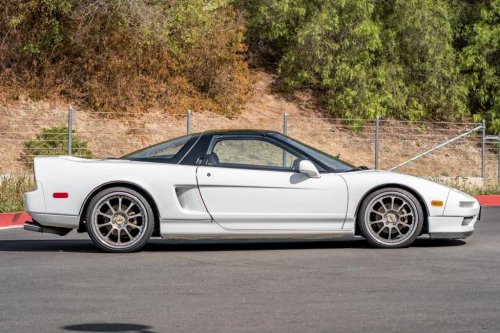
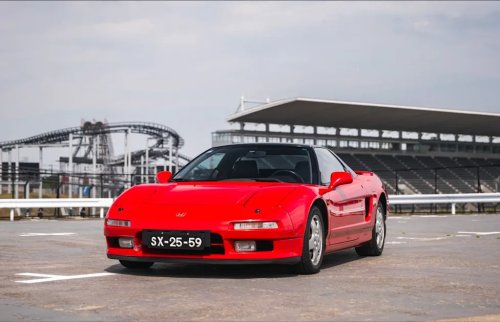
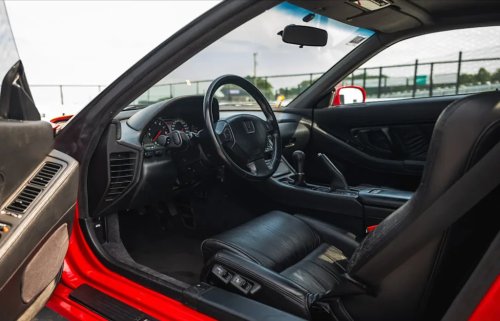
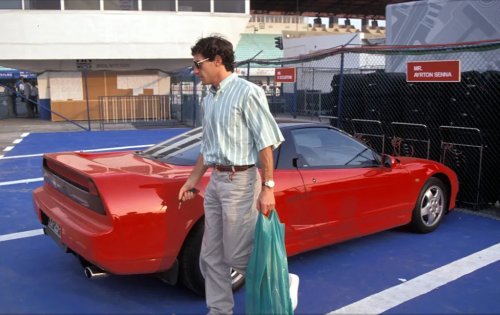
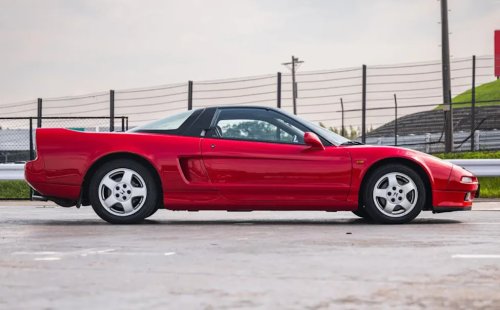
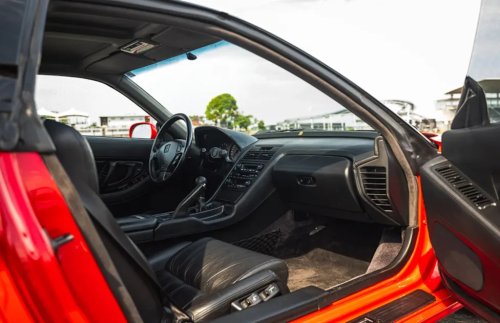
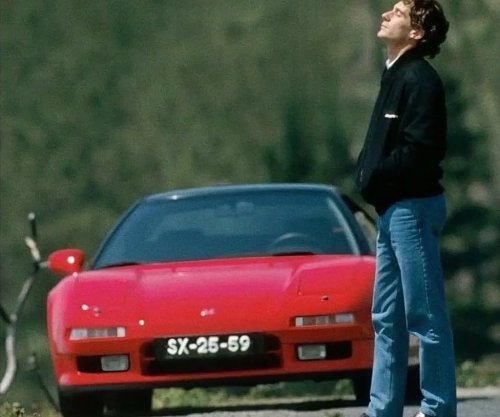
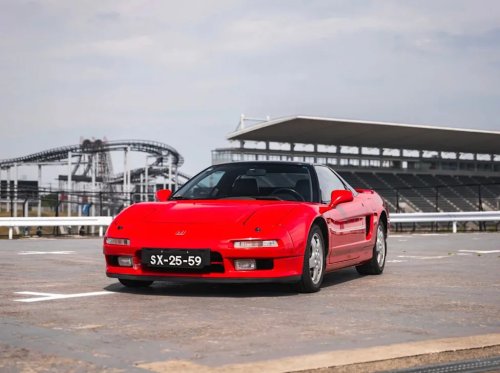
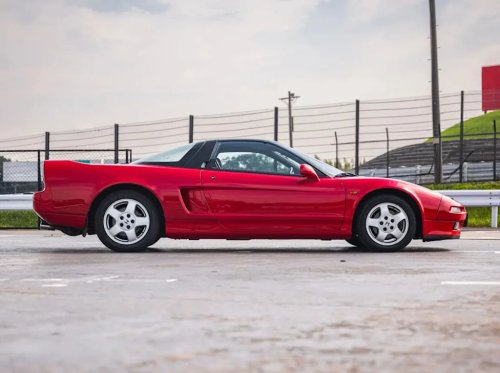
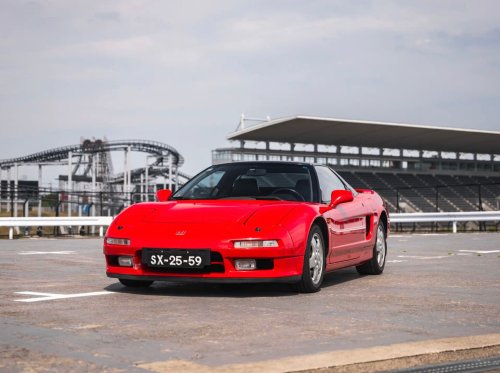
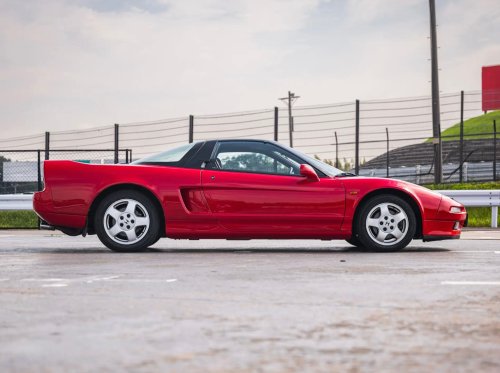
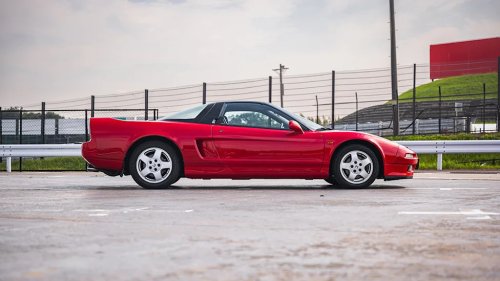
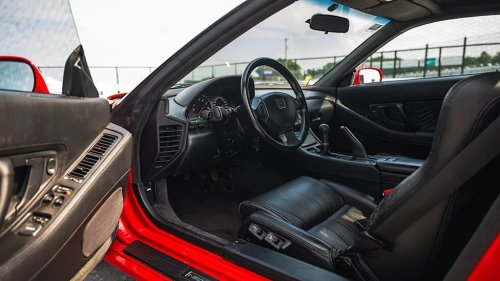
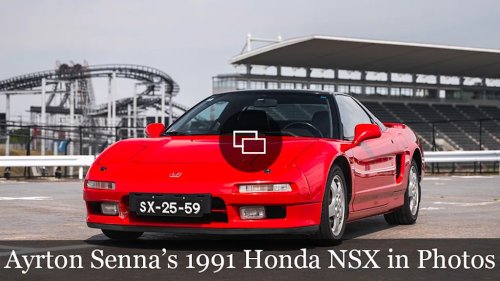
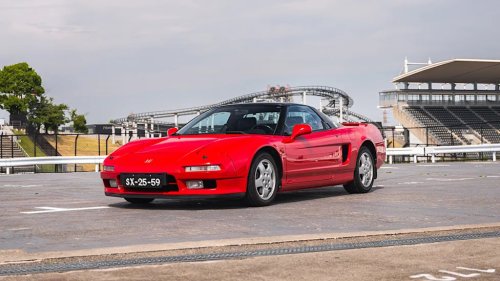
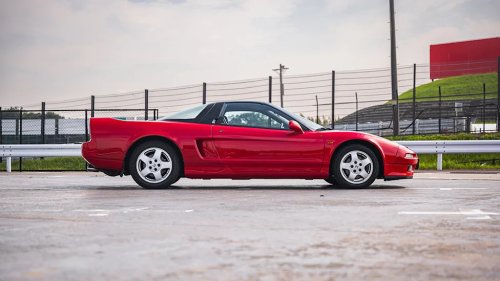
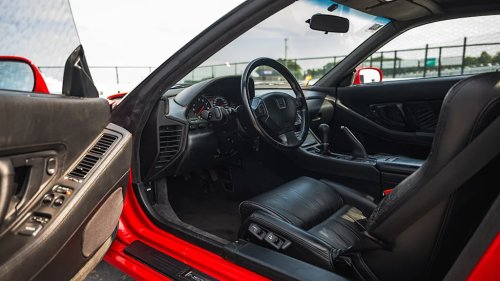
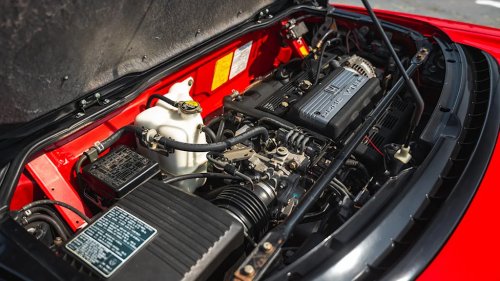
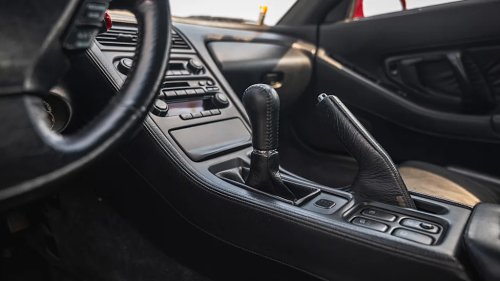
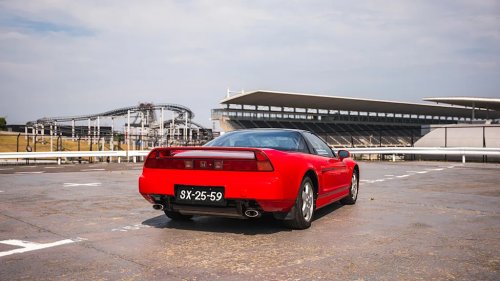
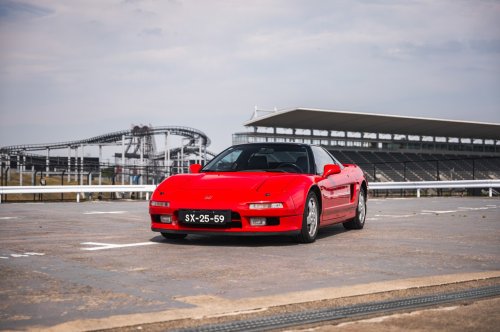
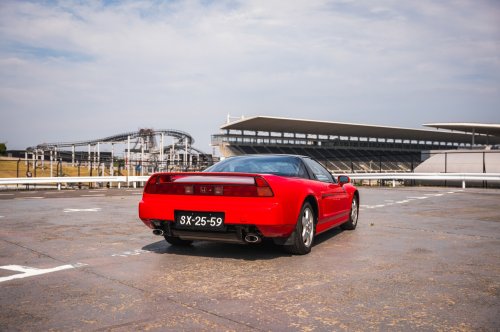
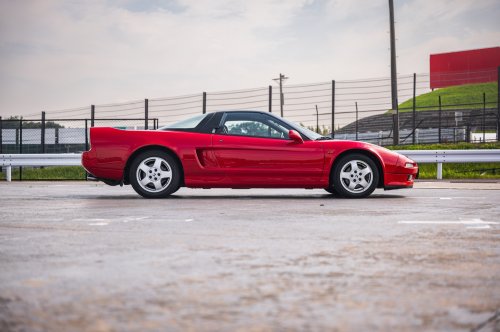
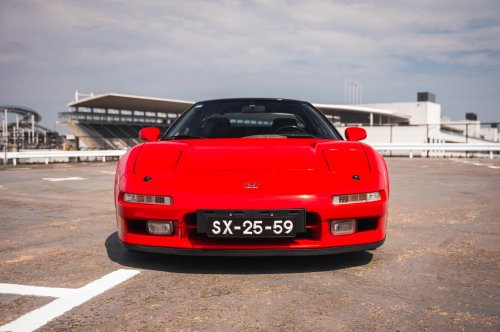
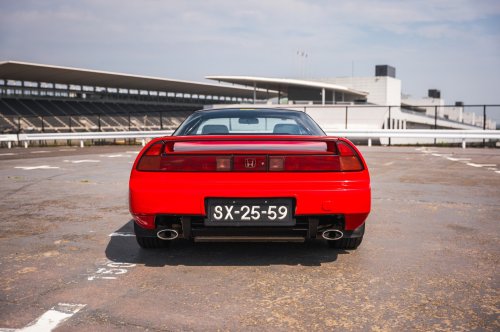
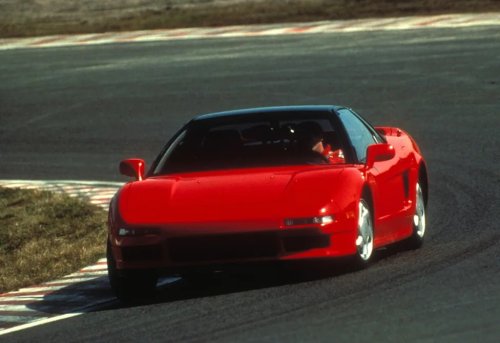
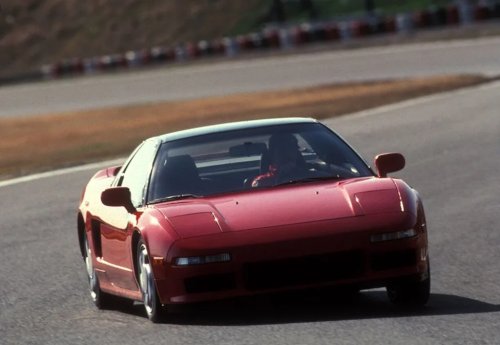
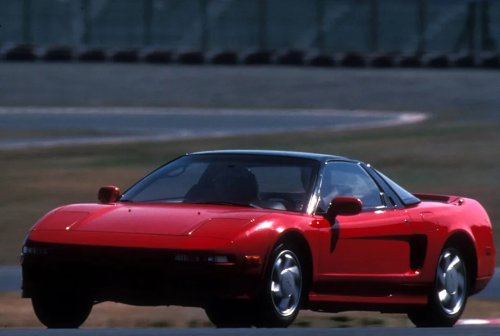
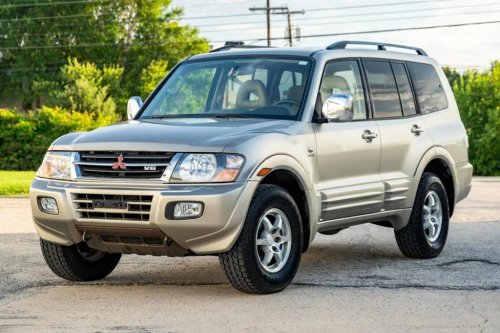
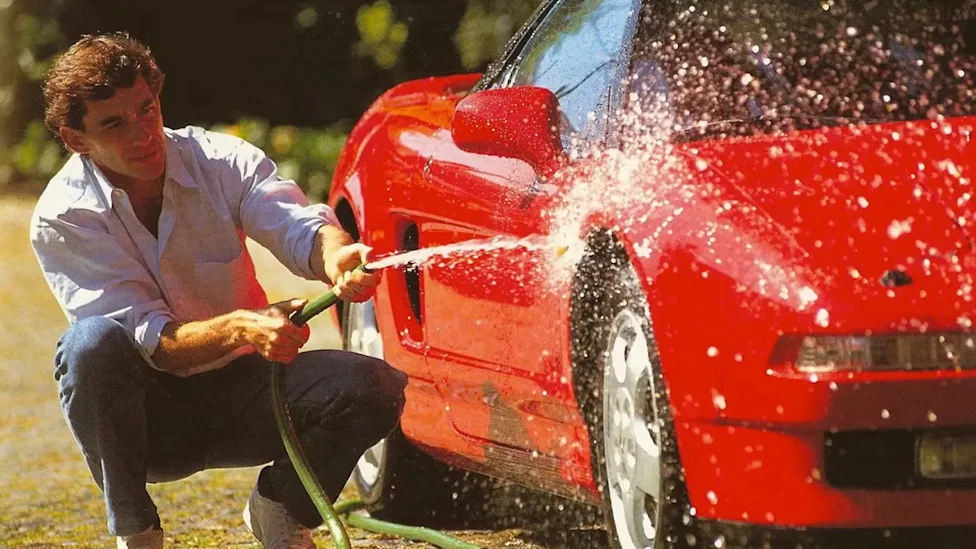
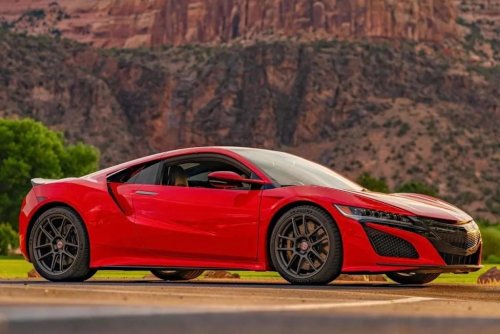
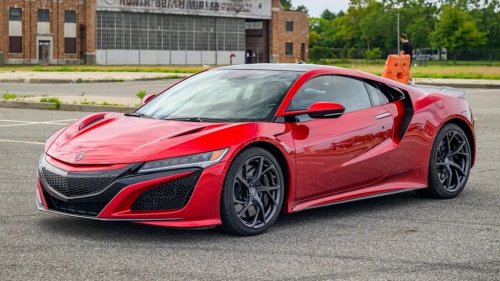
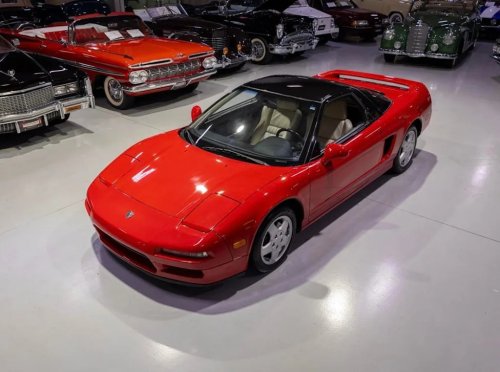
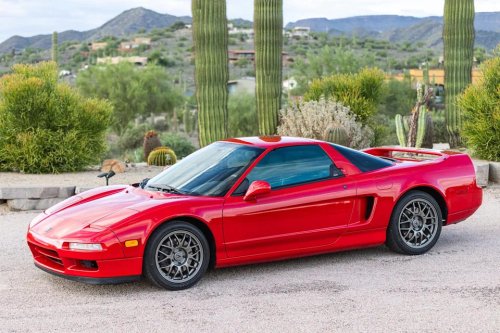
The Acura NSX is the poster child for accessible supercar level performance in the '90s. What makes the NSX legendary, aside from its beautiful-yet-restrained look, is the drivability and usability at its core. No longer did supercar owners have to emerge from a short drive exhausted and in need of a lie-down; you could drive the NSX every day without a problem.But a Mitsubishi did a lot of what the NSX did, just for almost half the price. This intriguing model, which featured a lot of the tech we see on Supercars of today, has now been long forgotten by a lot of people today — but it is an important piece of Japanese sports car history. The Acura NSX Changed The Game For Supercars Bring a Trailer Prior to the Acura NSX, most supercars were hard work. You wouldn't call the epic Lamborghini Countach or Lotus Esprit exactly user-friendly, especially considering some drivers had to perform an act of human origami just to get behind the wheel. But old-school supercars didn't need to be inviting; they were designed to be intimidating and exciting, and generally locked up in a garage and used once a month if the weather was nice. Honda had a better idea.At the Chicago Auto Show, 1989, the NSX was revealed, and with it a new type of supercar that you could drive down the shops in, as well as hot-lapping Suzuka on the way home. The all-aluminum construction and 270-horsepower VTEC V6 were unquestionably exotic, but at the same time, the NSX was conventionally comfortable and ergonomic, with gentle road manners and accessible performance. It was this thinking that filtered into cars like the Audi R8 years later, and is expected by supercar owners of today, at least in some measure. Mitsubishi Was A Company That Was Taking Over Rallying Bring a Trailer You may know Mitsubishi these days for home appliances and a small range of SUVs, but in the late '80s and early '90s things were very different. The company, among other things, was making an impact in world rallying. The new Galant was introduced in October 1987, and the high-performance version, the Galant VR-4 featured a 2.0-liter DOHC turbo engine with a full-time 4WD system and 4WS (four-wheel steering). Despite restrictive Group A regulations, the 4G63 engine in the nose of the VR-4 delivered more than 300 horsepower from the offset.The car was an instant success and a sign of good things to come, scooping up a number of rounds, before the tech was transferred to the small and agile Lancer Evolution. Then Mitsubishi had a thought. The slightly-overlooked Starion sports coupe had been discontinued in 1989 and was due a replacement. How about if Mitsubishi used what it had learned from rallying to create a new sports car concept? It was a crazy idea, but it might just work. The 3000 GT VR-4 Was A Different Type Of Supercar Bring a TrailerThe 3000 GT (GTO in Japan) was launched in 1990. It was available as a front-drive sports car, with a naturally aspirated 222-hp V6 under the hood. At the top of the range sat the VR-4. This was a different beast altogether, featuring a twin-turbocharged 6G72 3.0-liter V6 engine that pumped out 300 hp and 308 lb-ft of torque. The VR-4 name stood for “Viscous Realtime 4-wheel drive,” essentially a full-time all-wheel-drive system, with a viscous coupling center differential. 1994 Mitsubishi 3000 GT VR-4 Specs The car famously had "four-wheel everything": four-wheel independent suspension, and four-wheel anti-lock disc brakes, too. The cherry on the cake was that the Mitsubishi 3000 GT was also available with a five-speed or six-speed manual gearbox too. Package all this capability and performance into a front-engine coupe body, which is comfortable and luxurious, and you had a straight-up supercar killing daily. The 3000 GT Had True Supercar Performance Bring a Trailer That figure of 300 horsepower was pretty high for the early '90s, even though it doesn't seem like much now. A 964-era Porsche 911 would be pushing out around 250 hp at the time, so the Mitsu had some serious firepower. The 3000 GT can hit 60 mph in 5.1 seconds (that's a later 320 hp model) and cover the quarter mile in 14.1 seconds. The top speed is 155 mph.A 1990 Ferrari 348ts, which packs a 296-hp V8, would need six seconds to reach 60 mph; a 1990 Porsche 911 Carrera 4 got there in 5.3 seconds; and an Acura NSX managed the same speed in 5.2 seconds. Then there was the active aero on the 3000 GT, which wouldn't be seen as a regular fixture on supercars for years to come. But outright speed wasn't even the 3000 GT's killer blow. The 3000 GT Outperformed Supercars In Price Too Bring a Trailer In 1993, a Mitsubishi 3000 GT VR-4 had a base price of $38,492. This undercut the 236-hp Porsche 968 by more than $3,000, and the 1993 Toyota Supra Turbo by $2,000. What's more, even a 1990 Acura NSX would have cost $58,000 three years earlier, and a 1990 Porsche 911 Carrera 4 Cabriolet would be a whopping $77,800. If power and acceleration were top of your shopping list in the early '90s, there were few cars that offered more bangs for your bucks that the 3000 GT. Why The Market Ignored The 3000 GT In The '90s Bring a Trailer Despite the combination of price, speed, and capability, the 3000 GT wasn't a huge sales success. Mitsubishi was shifting just over 10,000 of them a year in its heyday, according to Good Car Bad Car, while Ford sold ten times the number of Mustangs. The problem, it seemed, at least in some motoring journalists' eyes, was that the 3000 GT tried to be too many different cars at the same time. This may have prompted Evo magazine's line that it was ‘a lot of awful car for the money’.The value was there but the big Mitsu couldn't quite decide if it wanted to be a legit supercar chaser, a beefy grand tourer better suited for covering long distances in comfort, or a rally car. It ended up not really being any of the above. All the gadgets and chassis tech weighed it down too. The sum of 3,860 pounds, which made it a heavy car in the '90s. It gripped well, but you couldn't help thinking that a stripped-down version would have truly blown away the competition. The 3000 GT's Time Has Finally Come — But It's Not Too Late Bring a Trailer All of this means that the 3000 GT has been one of the last JDM bargains in recent years, with the market never quite warming to them like they have the red-hot Supra A80. Hagerty puts the price of a lowly 222-hp base 1993 model at just $7,300, while a VR4 from the same year will cost a still reasonable $27,000 in good condition. The last VR4s of 1999 (with 320 hp) cost $36,100 today.A 1999 Acura NSX 3.2-liter will set you back $104,000. But 3000 GTs seem to be picking up. A 248-mile 1999 Mitsubishi 3000GT VR4 6-Speed sold for $121,999 on Bringatrailer in 2026, signaling that there is perhaps growing interest in the model. With VR-4 cars still selling for around $16,000, it could be the time to snap one up before they skyrocket — only time will tell.