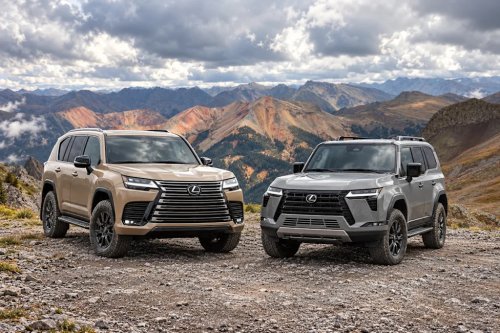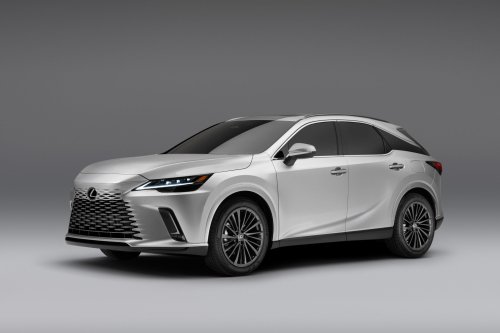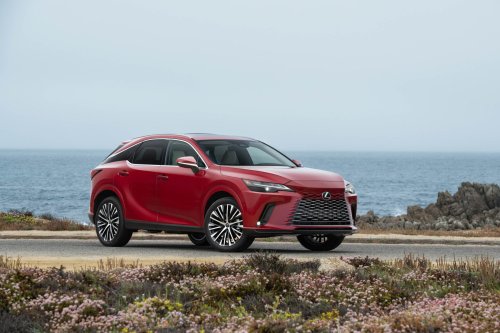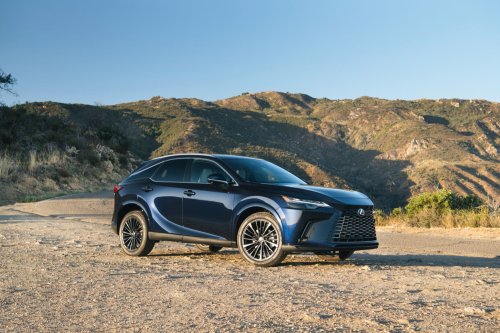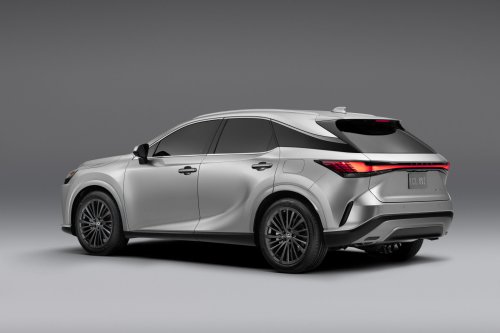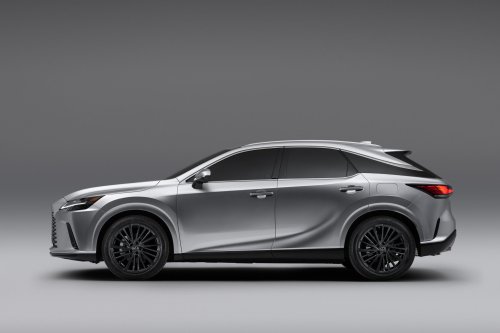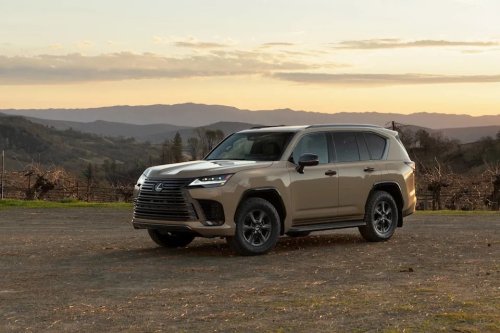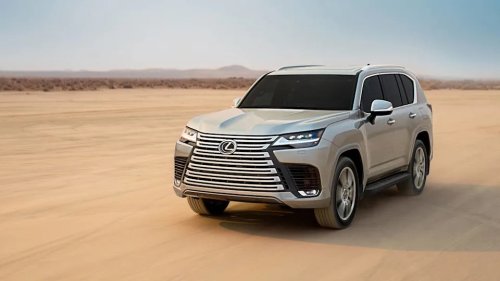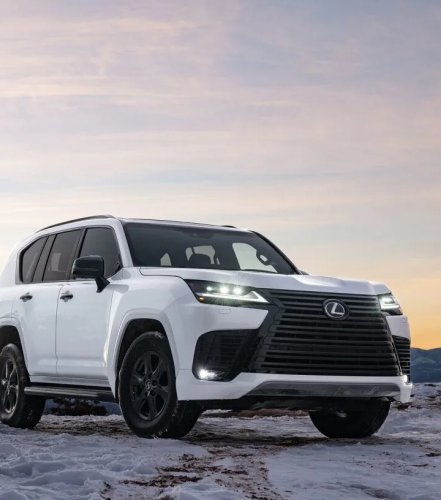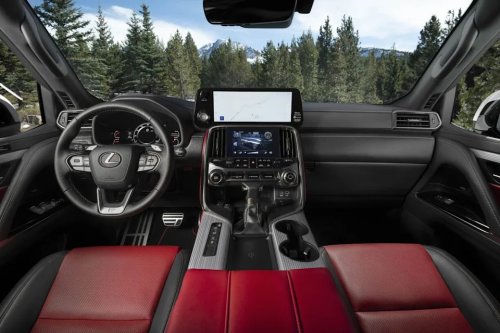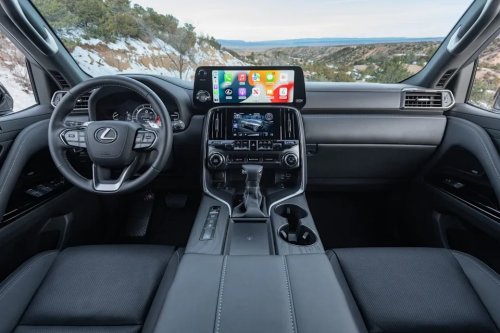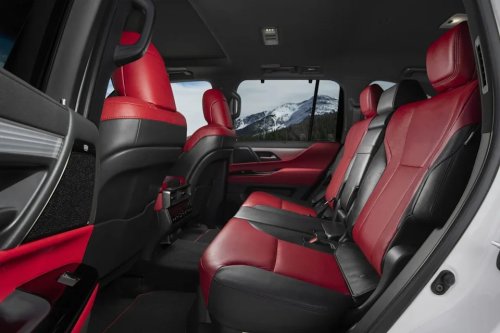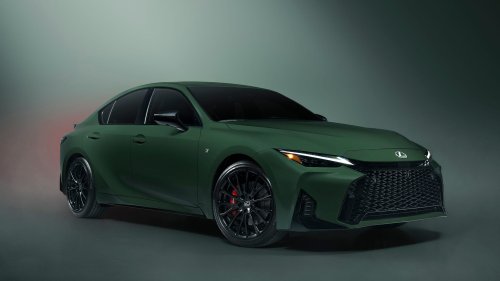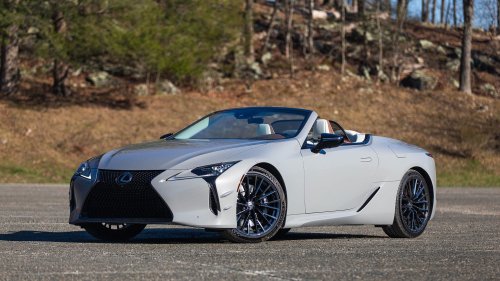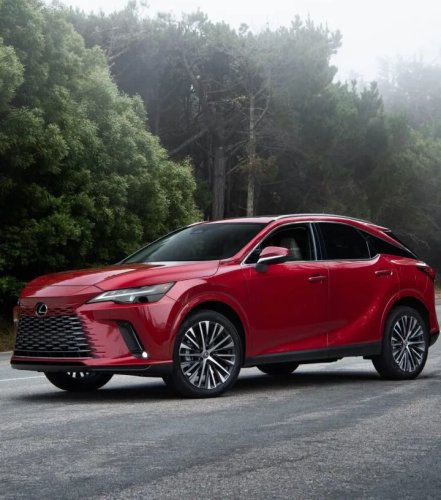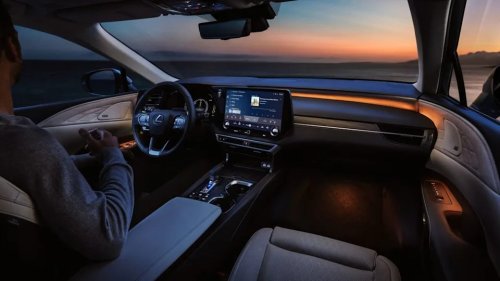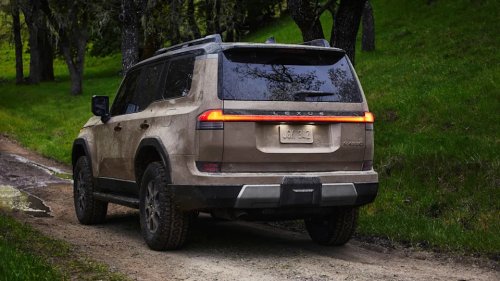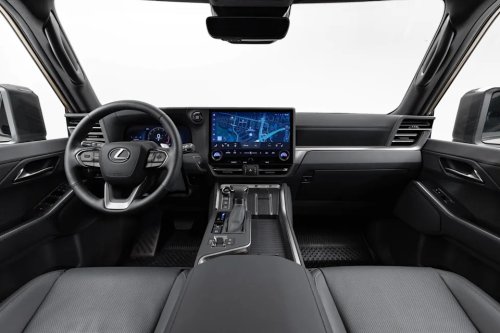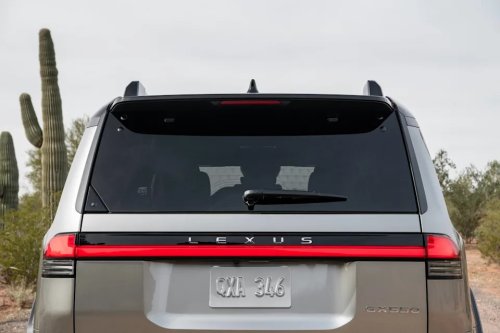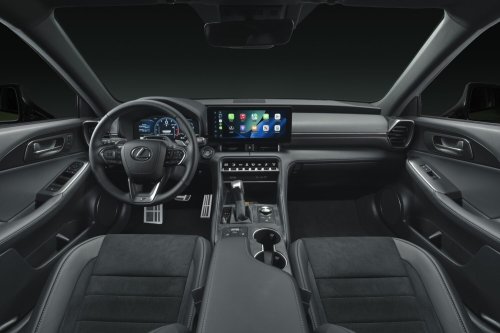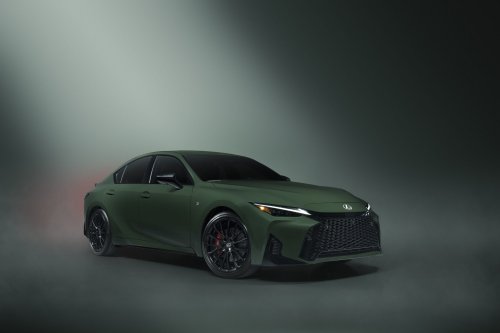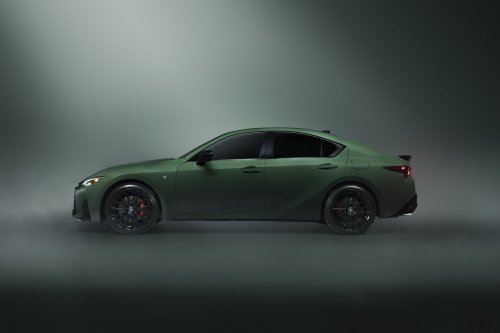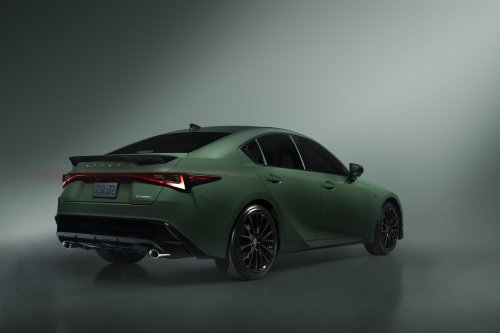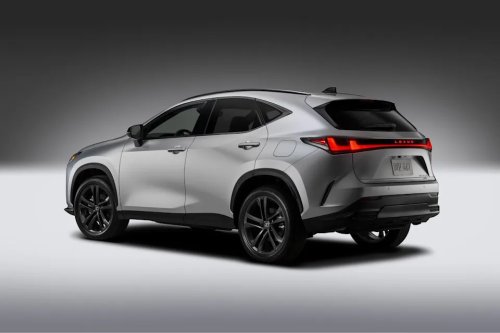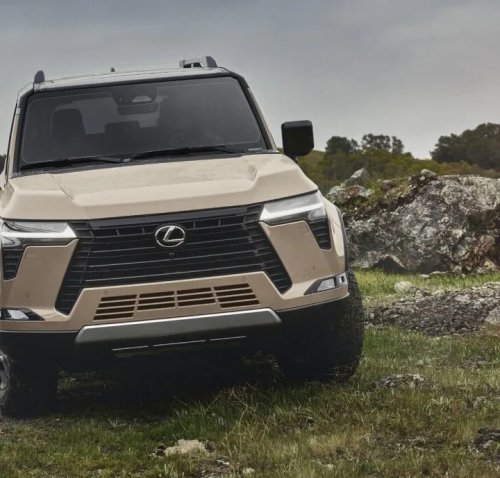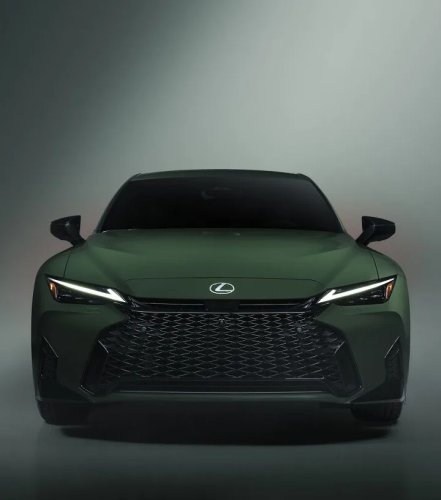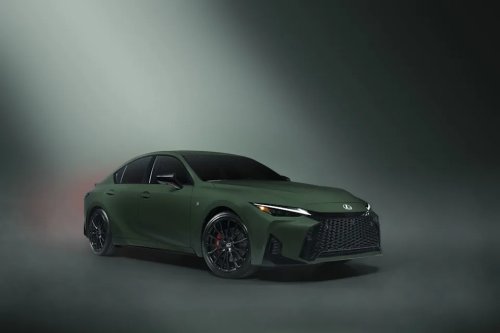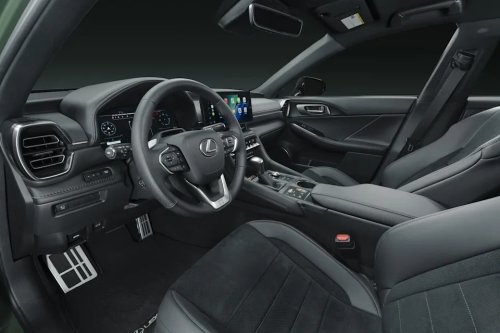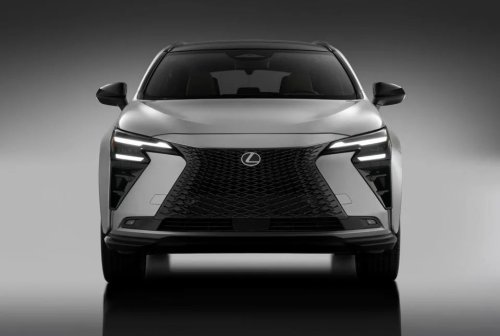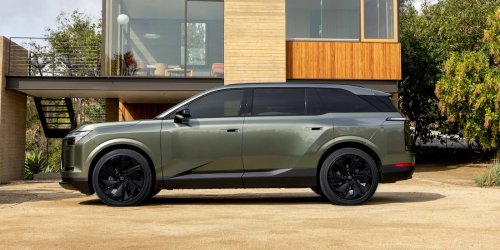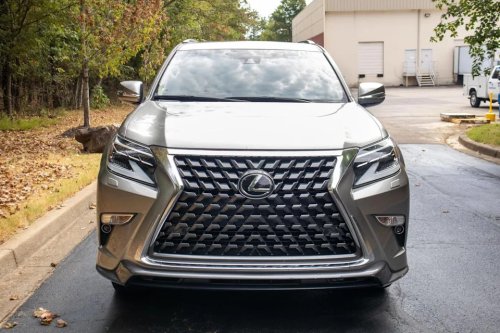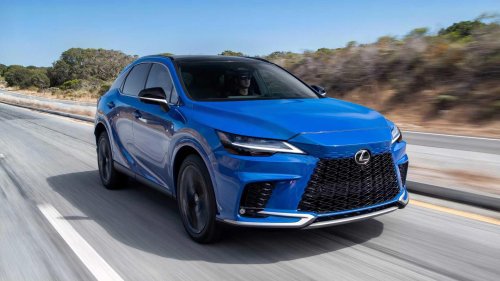
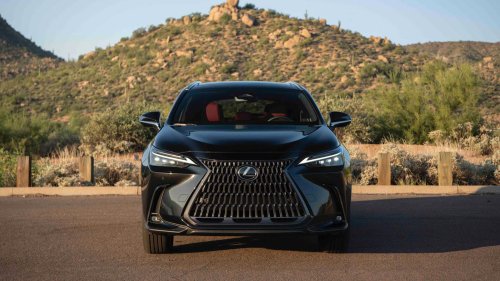
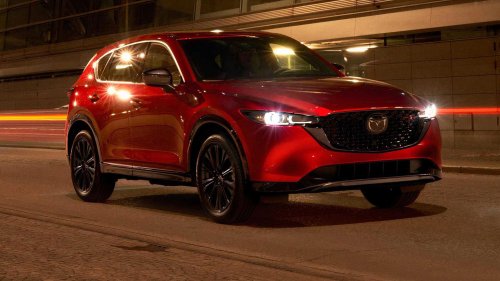
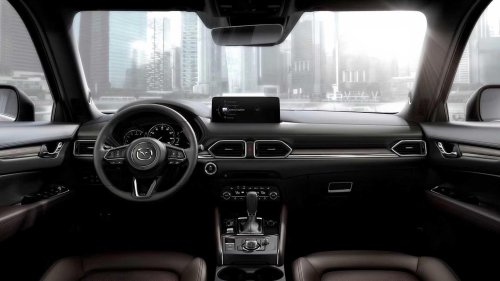
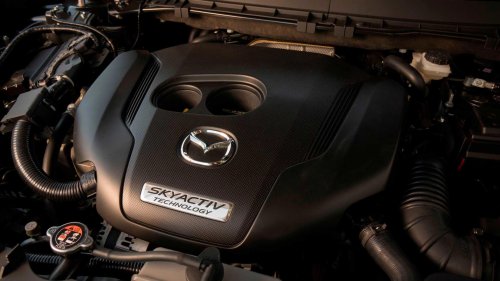
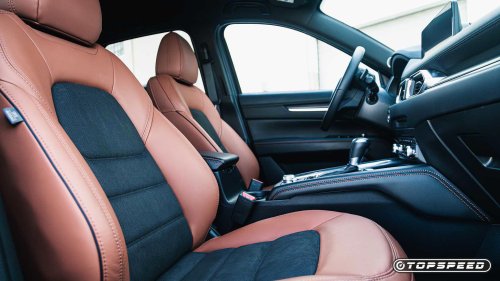
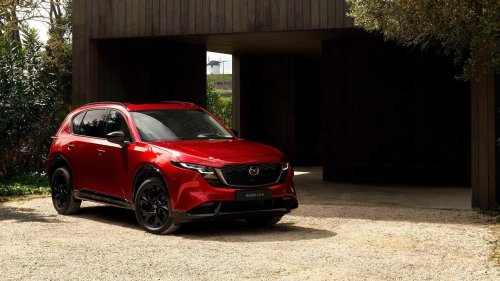
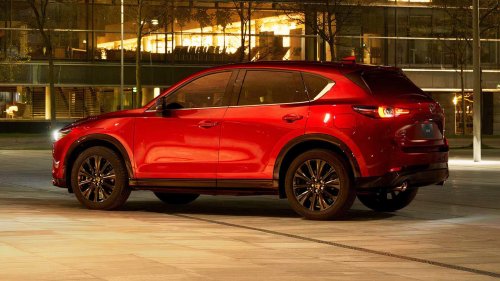
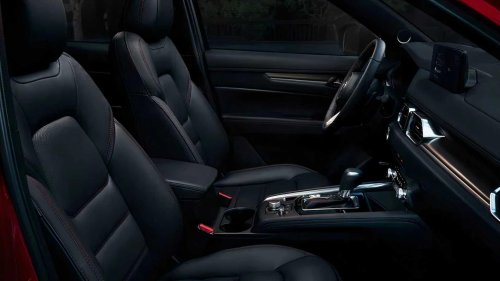
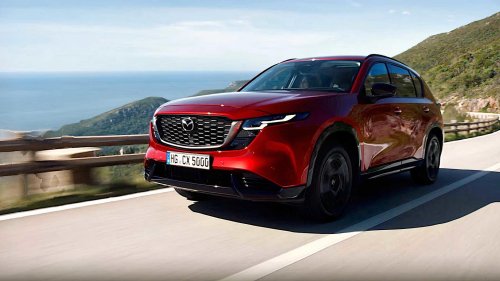
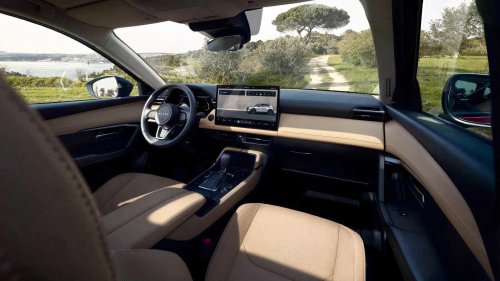



















For years, long-term owner satisfaction in the SUV world has been almost automatically associated with luxury brands, particularly those that have built their reputations on reliability, comfort, and consistency. But the landscape is beginning to shift in a way that many buyers didn’t see coming. Increasingly, mainstream SUVs are closing the gap, offering levels of quality, refinement, and dependability that were once exclusive to premium badges. This change is being driven by smarter engineering, improved materials, and a renewed focus on the fundamentals that truly matter over time.Today’s buyers are also more informed than ever, placing greater emphasis on real-world ownership factors such as maintenance costs, durability, and daily usability. As a result, the definition of “premium” is evolving, and some unexpected contenders are emerging as serious rivals in the long-term satisfaction game. UPDATE: 2026/04/05 We have updated this article with more information on the chosen SUV's reliability and ownership costs. Why More SUV Buyers Are Looking Beyond Luxury Badges For True Long-Term Satisfaction Lexus For decades, long-term ownership satisfaction has been synonymous with luxury brands, particularly Lexus, which has built its reputation on exceptional reliability, comfort, and customer experience. Models from brands like Lexus have dominated industry studies from organizations such as J.D. Power, setting the benchmark for what a stress-free ownership experience should look like.Lexus However, a subtle but important shift is taking place in the automotive market. And, this shift has opened the door for certain mainstream models to shine in ways they previously did not. Among them, the Mazda CX-5 stands out as a particularly compelling example. It has quietly built a reputation for delivering a long-term ownership experience that rivals more expensive luxury SUVs, without carrying the same price tag or maintenance burden.What makes this even more significant is how owner satisfaction is measured. Metrics such as whether an owner would buy the same vehicle again or how well a vehicle holds up after several years provide a clearer picture than initial impressions. In these areas, the CX-5 consistently performs at a level that challenges traditional expectations of what a mainstream SUV can achieve. How Mazda Engineered The CX-5 To Feel Premium Without The Premium Price Tag MazdaMazda’s philosophy with the CX-5 has always been rooted in refinement rather than reinvention. Instead of chasing trends or overloading the vehicle with cutting-edge but unproven technology, the brand focused on perfecting the fundamentals that define a premium driving experience. At the heart of the CX-5 is a choice between two well-established powertrains.The standard engine is a naturally aspirated 2.5-liter four-cylinder producing 187 horsepower and 186 pound-feet of torque. For those seeking more performance, a turbocharged version of the same engine delivers up to 256 hp and 320 lb-ft of torque when running on premium fuel. Both engines are paired with a six-speed automatic transmission, a notable decision in an era where many competitors have shifted to continuously variable transmissions.This traditional setup plays a significant role in the CX-5’s character. The six-speed automatic provides more natural and predictable shifts, contributing to a driving experience that feels more engaging and less artificial than many rivals. It also tends to be more durable over time, which directly impacts long-term satisfaction. The Attention To Detail Extends Beyond The Powertrain Mazda Mazda’s attention to detail extends far beyond the powertrain. The CX-5’s chassis tuning prioritizes both ride comfort and handling precision. The suspension is calibrated to absorb road imperfections without sacrificing body control, resulting in a ride that feels composed and confident. Steering is another standout element, offering a level of feedback and accuracy that is rare in the compact SUV segment.Inside the cabin, Mazda has made a deliberate effort to elevate the experience. High-quality materials, including soft-touch surfaces and available leather upholstery, create an environment that feels more premium than the price would suggest. The layout is clean and driver-focused, avoiding the cluttered designs seen in some competitors.Noise insulation is another area where the CX-5 excels. Improvements introduced in its second generation significantly reduced road and wind noise, giving the cabin a quiet, refined atmosphere that is often associated with luxury vehicles. Combined with supportive seating and an intuitive control layout, the result is an interior that feels thoughtfully engineered rather than cost-cut. The Secret Behind Mazda CX-5 Owners Keeping Their SUVs Longer Than Expected Mazda One of the clearest indicators of a vehicle’s success is how long owners choose to keep it. In the case of the CX-5, many owners hold onto their vehicles longer than expected, and the reasons behind this trend are both practical and emotional. A key factor is Mazda’s commitment to mechanical simplicity. While much of the industry has embraced smaller turbocharged engines, hybrid systems, and increasingly complex transmissions, the CX-5 has largely stayed with proven technology. The naturally aspirated engine option, in particular, is known for its durability and lower long-term maintenance requirements.This approach aligns with findings from reliability studies, which often show that simpler, well-established powertrains tend to experience fewer issues over time. By avoiding unnecessary complexity, Mazda reduces the likelihood of expensive repairs, which in turn increases owner confidence. Strong Reliability Ratings Only Attest To Its Dependability Photo: Justin KaehlerThe CX-5 also benefits from strong reliability ratings. J.D. Power, for example, assigns it a solid score in the "great" category for quality and dependability. iSeeCars paints a similar picture, giving it a reliability score of 7.9 out of 10. The research site estimates that an average Mazda CX-5 has a lifespan of 14.1 years or 164k miles, with a 22.1 percent probability of reaching 200k miles. This should give owners peace of mind with regard to the SUV’s reliability. A similar sentiment follows for the CX-5’s maintenance costs, where it offers Japanese reliability with affordable ownership costs. CarEdge estimates that a Mazda CX-5 will only cost $2,502 in the first five years, with that increasing to around $7,906 for maintenance and repairs in its first ten years. This beats the industry average by $260, and there is a 22.65 percent chance it will require a major repair in that time. On the other hand, RepairPal estimates an annual repair cost of just $447 for the CX-5. Average Yearly Maintenance Cost: $447 (RepairPal) Est. Maintenance Cost During The First 10 Years: $7,906 (CarEdge) Total Recalls: 0 (NHTSA) The Driving Experience Keeps Owners Happy, Too MazdaHowever, reliability alone does not fully explain why owners keep their CX-5s for so long. The driving experience plays an equally important role. Unlike many compact SUVs that prioritize practicality at the expense of engagement, the CX-5 offers a level of driving enjoyment that keeps owners connected to their vehicles.The steering is precise, the chassis is well-balanced, and the overall feel is more akin to a sporty sedan than a typical crossover. This makes daily driving more enjoyable, whether commuting through traffic or taking on a winding road. Over time, this combination of dependability and driving satisfaction creates a strong sense of attachment. Owners are less inclined to replace a vehicle that continues to meet their needs while also providing a rewarding experience behind the wheel. Where The CX-5 Quietly Rivals Lexus In Reliability, Comfort, And Daily Usability Mazda Comparing a mainstream SUV to a brand like Lexus might initially seem ambitious, but when evaluated across the key aspects of ownership, the CX-5 proves to be surprisingly competitive. In terms of reliability, Lexus remains a benchmark, consistently ranking at the top of industry studies. However, the CX-5 narrows the gap significantly by offering above-average reliability backed by years of consistent performance. Its use of proven components contributes to fewer reported issues, which is a critical factor in long-term satisfaction.Comfort is another area where the CX-5 performs well. The cabin is quiet, the seats are supportive, and the ride quality strikes an effective balance between softness and control. These characteristics are essential for daily driving, particularly on longer journeys where fatigue can become a factor. The CX-5’s interior quality also deserves recognition. While it may not feature the same level of craftsmanship as a high-end luxury SUV, it comes remarkably close in terms of materials and design. This creates an environment that feels upscale without crossing into an entirely different price category.Mazda Daily usability is perhaps where the CX-5 gains its strongest advantage. Luxury vehicles can sometimes overwhelm drivers with complex infotainment systems and touch-sensitive controls that prioritize aesthetics over functionality. In contrast, the CX-5 maintains a more straightforward approach. The infotainment system is controlled via a rotary dial, which allows for easier use while driving. Physical buttons for key functions remain in place, reducing the need to navigate through menus for simple tasks. This focus on usability enhances the overall ownership experience, particularly over the long term.Accurate steering with good feedback, confident roadholding and resolute braking all harmonize to endow the little crossover with the road manners of a compact sports sedan.- Lyndon Conrad Bell, TopSpeed JournalistCost of ownership further strengthens the CX-5’s position. Lower purchase prices, combined with reasonable maintenance and repair costs, make it a more accessible option without sacrificing key qualities. For many buyers, this balance is more valuable than the prestige associated with a luxury badge. A Near-Luxury Ownership Experience Without The Usual Compromises Mazda What ultimately sets the Mazda CX-5 apart is its ability to deliver a near-luxury experience without the compromises typically associated with either mainstream or premium vehicles. Luxury SUVs often provide superior comfort and advanced features, but they come with higher upfront costs and potentially expensive maintenance. On the other hand, mainstream SUVs are more affordable but may lack the refinement and driving dynamics that elevate the ownership experience.The CX-5 successfully bridges this gap. It offers a premium-feeling interior with high-quality materials and thoughtful design, while maintaining a price point that remains accessible to a wider audience. Its driving dynamics provide a level of engagement that is rarely found in its segment, yet it does not sacrifice comfort or practicality in the process. Mazda’s decision to prioritize proven engineering over rapid innovation also plays a crucial role. By focusing on reliability and consistency, the CX-5 avoids many of the pitfalls associated with newer, more complex systems.Mazda Standard all-wheel drive across the lineup adds another layer of value, improving traction and confidence in various driving conditions. Combined with a comprehensive suite of safety features, the CX-5 delivers a well-rounded package that meets the needs of modern drivers. Ultimately, the CX-5’s success lies in its balance. It does not attempt to outdo luxury brands in every area, nor does it settle for being merely adequate. Instead, it carefully blends the qualities that matter most to owners over time.This is why it continues to earn high marks for owner satisfaction and why it stands as a compelling alternative to more expensive options. While Lexus may still set the standard, the Mazda CX-5 proves that achieving a similar level of long-term satisfaction does not require a luxury badge—just a well-engineered vehicle that consistently delivers where it counts.Sources: Mazda U.S., J.D. Power, CarEdge, RepairPal, iSeeCars