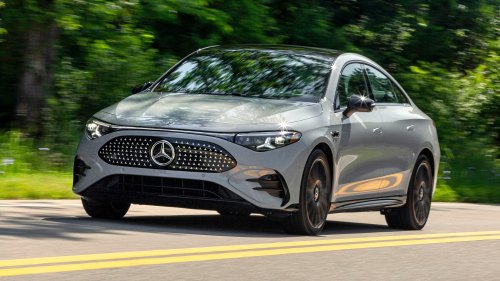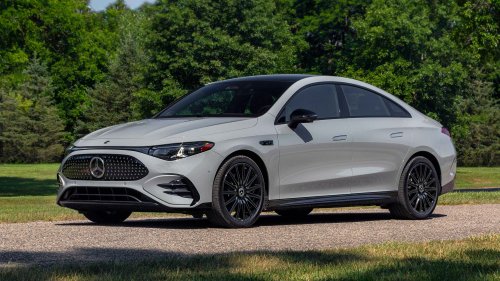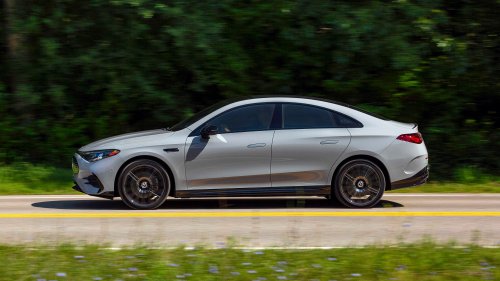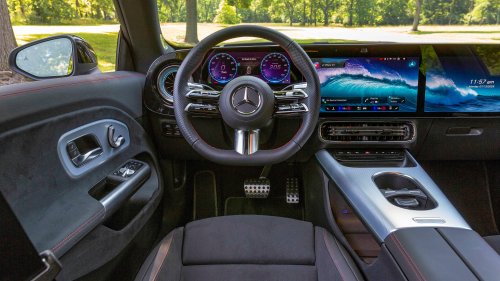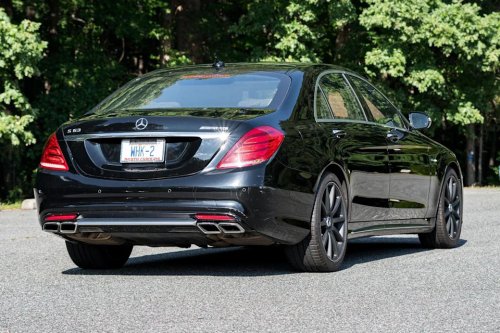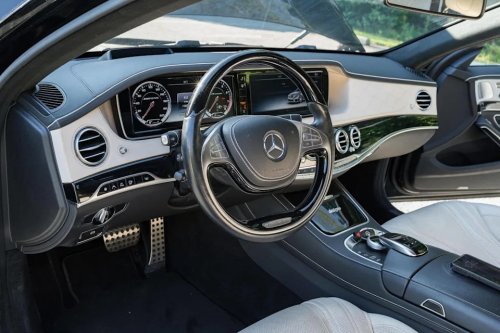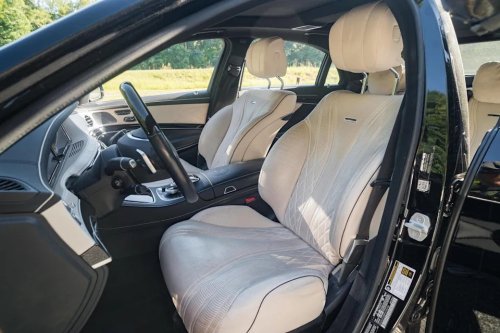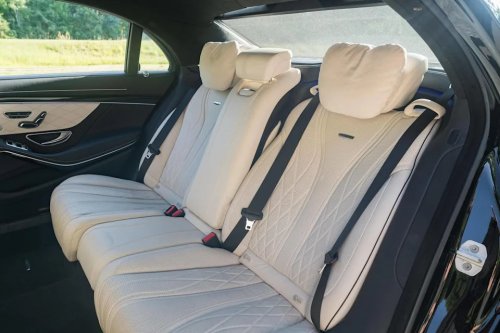

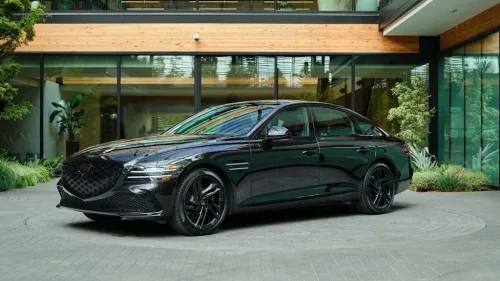
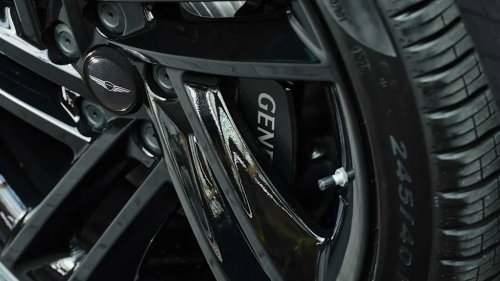
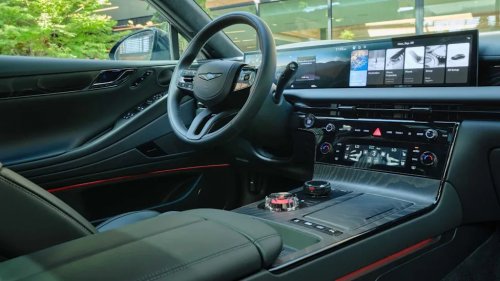
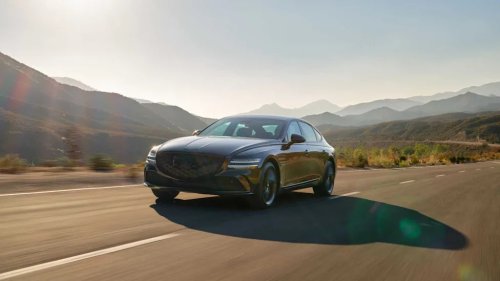
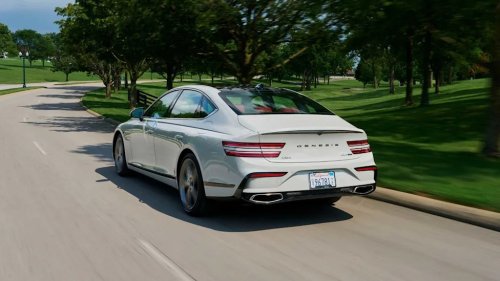



















GenesisFor decades, Mercedes-Benz was the benchmark luxury sedan brand. These days, though, buyers are starting to look a little closer at what they're actually getting for the money, especially as prices climb, and some long-time fans question whether the quality still matches the badge.That's not to say Mercedes has lost its touch entirely. New models like the upcoming electric C-Class have generated plenty of excitement, but the luxury sedan segment is more competitive than it's been in years.The result is that shoppers have more choices than ever before. And one rival sedan, in particular, is making a very strong case that premium luxury no longer has to come with a three-pointed star on the hood.AdvertisementAdvertisementIn order to give you the most up-to-date and accurate information possible, the data used to compile this article was sourced from Genesis and Mercedes-Benz, as well as other authoritative sources including CarEdge, Consumer Affairs, RepairPal, and TopSpeed.Why E-Class shoppers keep looking elsewhereWhat's changed in the luxury sedan marketMercedes-BenzIn the U.S., the Mercedes-Benz E-Class still carries a serious executive reputation—it's right there in the name. Ironically, though, it's just as likely to be a taxi in Europe as it is a status symbol stateside.That said, its pull in America isn't what it used to be. RepairPal ranks Mercedes-Benz 27th out of 32 brands for reliability, with average annual maintenance around $900 and a 10-year ownership bill sitting at roughly $12,942—enough to buy a solid used car on its own.What $60,000 gets you in a Mercedes in 2026Mercedes-BenzSixty grand doesn't even quite get you into an E-Class anymore. At that price, you're looking at the C-Class instead, since the E-Class now kicks off closer to $65,000 while the C-Class starts around $51,000.AdvertisementAdvertisementTo be fair, it's still a Mercedes, and that badge alone carries plenty of appeal. You just won't be getting the full executive-grade space or powertrain setup—but there's still a solid hit of Mercedes luxury baked into the C-Class.The question that changes everythingMercedes-BenzOf course, no one at a Mercedes-Benz dealership is going to ask you what you're really paying for. It's not the features—you can find most of those elsewhere these days, aside from maybe the 3D gauge cluster. And it's not purely the performance either, even if that's part of the appeal for some buyers.At the end of the day, a lot of it comes down to the badge on the hood and how it lands when you pull into a parking lot. That three-pointed star still carries weight, but if that's the main draw, there are other cars out there that start to make a lot more sense.The Genesis G80 brings more than just a pretty badgeStrong performance, standard AWD, and premium features help it punch well above its price pointStatic front 3/4 shot of a black 2026 Genesis G80 Prestige Black.Luxury buyers have more choices than ever, and the 2026 Genesis G80 is one of the biggest reasons why. Rather than positioning itself as the budget-friendly alternative, Genesis has built the G80 to compete head-on with the segment's established heavyweights.AdvertisementAdvertisementUnderneath, the G80 rides on a platform that uses 19 percent aluminum, helping trim 243 pounds compared to the previous generation. The weight savings improve more than just performance—they also help make the sedan more efficient in everyday driving.Performance isn't an afterthoughtGenesisThe G80 also shares its platform and engine lineup with the larger Genesis GV80, giving buyers a choice of two proven powertrains. Better yet, all-wheel drive comes standard across the range, while Mercedes still charges extra if you want 4Matic on many models.It's not trying to be a back-road hero, even if it can hold its own when the road gets twisty. The G80's real talent is isolating you from the chaos outside, delivering the kind of calm, effortless driving experience luxury sedan buyers actually use every day.The cabin is where it really shinesShot of the driver's seat, steering wheel, and infortainment screen inside the cabin of a 2026 Genesis G80 Prestige Black.The G80 just got a facelift, and the cabin already-impressive interior somehow feels even more polished this time around. Genesis also keeps things refreshingly simple by bundling features into trim levels instead of burying them in endless option lists.AdvertisementAdvertisementA 27-inch OLED display stretches across the dash, handling both the digital cluster and infotainment duties in one clean sweep. It's paired with standard equipment like a nine-speaker audio system, heated front and rear seats, leatherette upholstery, tri-zone climate control, Highway Driving Assist 2, and a full suite of safety tech.The real cost of ownershipWhy skipping the badge pays off long termGenesisOnce you get past the Mercedes badge, it's pretty clear the G80 covers almost everything you'd expect from a luxury sedan—and then some. A big part of that comes down to how much easier it is to own over time.Genesis also throws in 36,000 miles of complimentary scheduled maintenance, covering things like oil changes, tire rotations, and filter swaps. It's a setup that feels familiar if you know Hyundai's warranty game, and it takes a lot of the usual ownership stress out of the equation.Long-term reliability costsGenesisOn top of that, the G80 comes backed by a 10-year, 100,000-mile powertrain warranty, which is right in line with Hyundai's reputation for long-term coverage. J.D. Power also gives the G80 solid marks, scoring it an 80 for quality and reliability two years running, which puts it on par with the E-Class and slightly ahead of the BMW 5 Series.AdvertisementAdvertisementThat said, Mercedes still has the edge when it comes to dealership experience and overall brand polish. But in terms of day-to-day dependability and peace of mind, the Genesis holds its own better than most people expect.The five-year ownership pictureGenesisTo bring it back to the numbers, the G80 undercuts the base Mercedes by nearly $6,000 right out of the gate. But the gap doesn't stop at the sticker—Consumer Affairs puts the chance of a major repair at around 20 percent for the G80, compared to 33 percent for the E-Class.Maintenance costs also tell a similar story, averaging about $500 for the Genesis versus roughly $900 for the Mercedes. And unlike Genesis, Mercedes doesn't include complimentary scheduled maintenance on the base E-Class, which only adds to the long-term spend.